Remote Monitoring for Commercial Fire Sprinkler Reliability
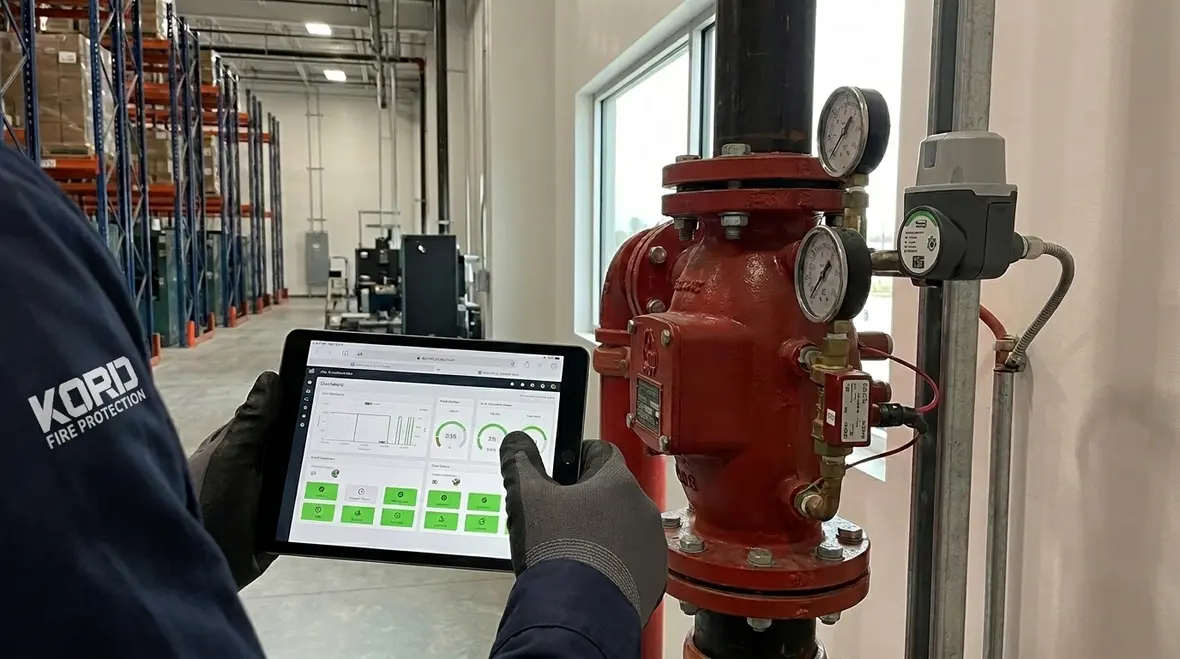
Quick Answer: Remote monitoring strengthens commercial fire sprinkler reliability by tracking water flow, pressure, alarm states, and device health in real time. Instead of waiting for a test day or a messy emergency, facilities act early on trouble signals, schedule maintenance faster, and document performance with less guesswork. That is where Kord Fire Protection becomes a vital partner.
For businesses that need dependable system support, it also helps to pair monitoring visibility with professional fire sprinkler system service so alerts turn into practical maintenance before a small issue becomes a larger interruption. ([kordfire.com](https://kordfire.com/fire-sprinkler-service/?utm_source=openai))
How remote monitoring improves commercial fire sprinkler monitoring outcomes
Commercial sites run on uptime. When fire protection systems go down, businesses lose time, trust, and sometimes revenue. That is why commercial fire sprinkler monitoring matters. It helps facilities detect issues early, confirm system status, and reduce the gap between “we think it’s fine” and “it is fine.”
And yes, like a smoke detector that only starts working after the toast burns, systems can fail quietly. Remote monitoring helps prevent that kind of surprise. It provides ongoing visibility, so teams can respond quickly and with confidence.
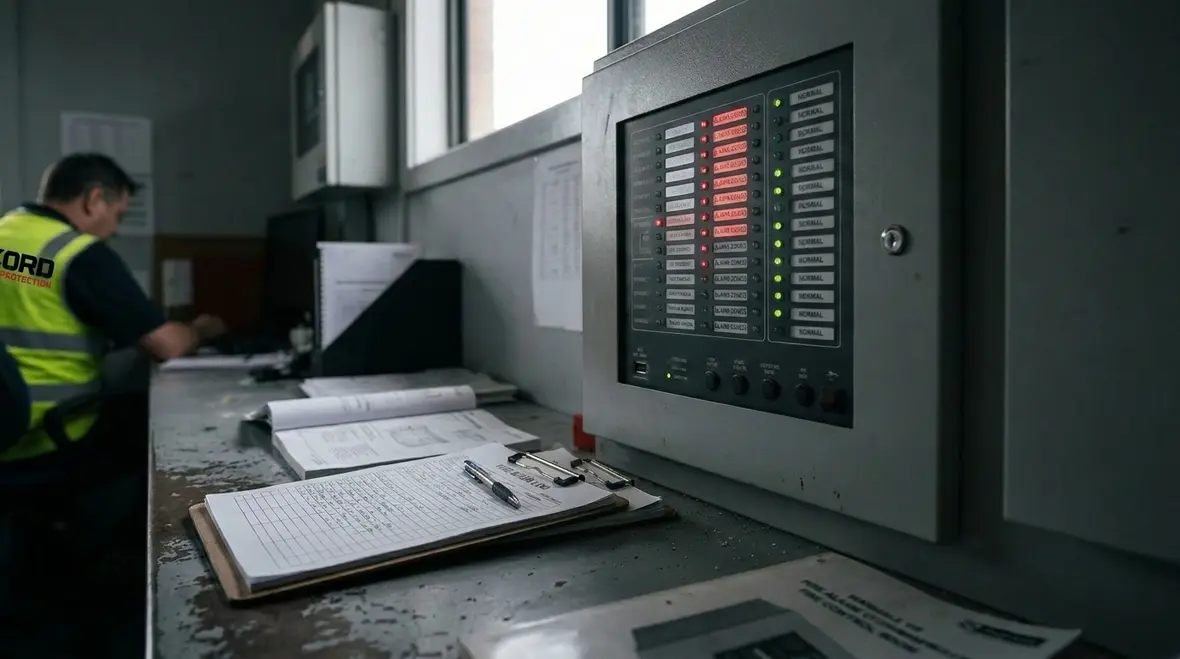
Why visibility changes maintenance decisions
A system that only gets attention during a scheduled visit can hide a lot between inspections. Monitoring closes that blind spot. Instead of relying on assumptions, teams get live status updates that show whether pressure is stable, signals are normal, and supervisory conditions stay where they should. That shift matters because reliable protection is not built on optimism. It is built on knowing.
What remote monitoring tracks to protect sprinkler reliability
Remote monitoring does more than show an alarm. It gathers useful signals that help maintain system integrity, including:
- Water supply status: pressure trends, flow conditions, and main line health
- Valve and tamper signals: alerts when valves move, seal integrity changes, or access occurs
- Alarm panel events: supervision faults and device trouble codes
- Pump performance: in sites with fire pumps, monitoring captures abnormal start, run, and fault patterns
- Component supervision: signals that indicate detector and control device issues before they escalate
Then, instead of treating the fire sprinkler system like a black box, teams see what is happening. As a result, they can address a small issue while it still behaves like a small issue, not a major incident.
That broader view also connects naturally with alarm-side diagnostics. When supervisory events and panel faults are interpreted early, facilities get a clearer picture of overall life safety system health, not just one isolated device acting dramatic for attention. Kord Fire Protection covers that diagnostic side in its guide on detecting fire alarm panel faults before they fail. ([kordfire.com](https://kordfire.com/detecting-fire-alarm-panel-faults-before-they-fail/?utm_source=openai))
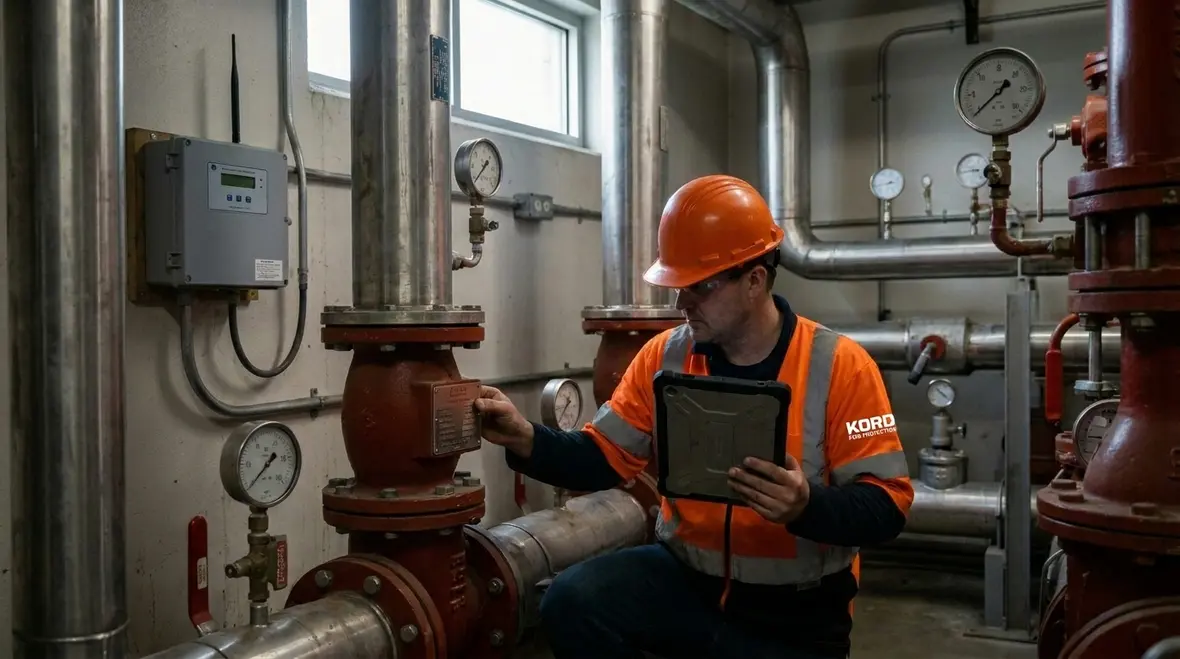
Signals that matter before a failure gets expensive
Not every issue starts with a dramatic alarm. Some begin as a pressure drift, an intermittent supervisory signal, or a fault that clears and returns often enough to annoy people into ignoring it. Those are exactly the kinds of clues remote monitoring helps capture. Facilities can review patterns, compare timing, and decide whether a service visit should happen now instead of after the next unpleasant surprise.
Early detection reduces downtime and keeps systems ready
Commercial sites face constant pressure: deliveries, shift changes, maintenance windows, and compliance deadlines that never take a day off. Remote monitoring reduces uncertainty by surfacing concerns early. For example, a gradual drop in pressure can trigger review before a full failure occurs.
Additionally, remote reporting helps facilities avoid “calendar maintenance” that ignores real conditions. When monitoring data supports action, maintenance stops being a guess. It becomes a plan. And when plans run smoothly, emergency repairs cost less and take less time.
Of course, no one wants false alarms that waste time. However, smart monitoring setups include clear event rules and escalation steps, which helps teams separate the serious from the nuisance. Nobody has time to chase every beep like it is a game show buzzer.
From guesswork to a workable maintenance plan
Reliable maintenance works better when it follows evidence. Monitoring history helps teams prioritize the sites, devices, and trends that actually need attention first. That means less wasted effort, fewer avoidable callouts, and a better chance of fixing the root problem before it affects readiness during an emergency.
How faster alerts improve response times for industrial sites
When water flow or supervisory signals change, time matters. Remote monitoring sends alerts to the right people, which means the facility can respond before a minor fault turns into a system outage. Consequently, response teams can verify the condition, isolate the problem when needed, and involve specialists sooner.
This also helps across industrial parks, retail networks, and complex facilities with mixed asset types. Teams can standardise how alerts get handled, while still adapting to site-specific layouts and water supply designs.
Finally, monitoring supports better handover between shifts. Instead of repeating the same “what happened last night” conversation, the current status is available. That keeps crews focused on fixing issues, not solving mystery novels.
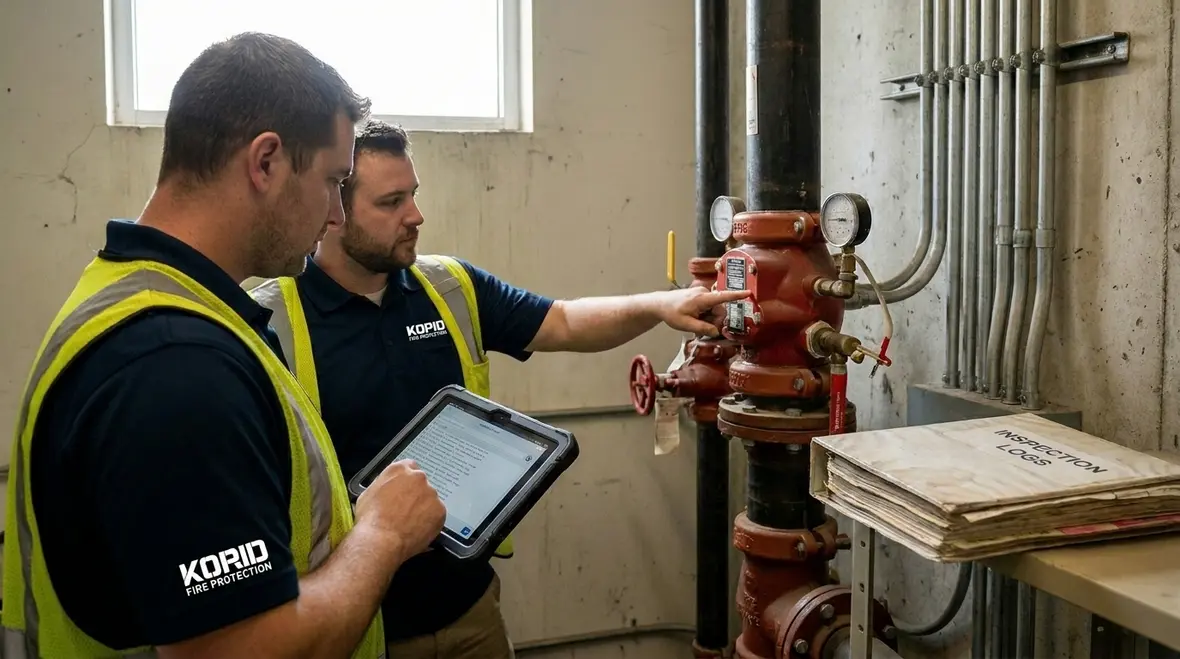
Why speed matters even when the issue looks small
A valve movement, an odd pump event, or a supervisory condition might not feel urgent at first glance. Still, delay is how small irregularities build into larger disruptions. Faster notification gives facilities a head start. Even a simple verification call or quick site check can prevent longer downtime later, which is a lot nicer than discovering a problem during the worst possible moment.
Why data and reporting support compliance and inspections
Fire sprinkler reliability is not only a performance issue, it is a documentation issue. Remote monitoring generates event logs and history that support inspection preparation and evidence of ongoing system supervision.
As inspections approach, facilities can quickly compile records instead of scrambling. Moreover, trend information can show that the system received consistent attention and that alerts triggered timely reviews.
Importantly, this does not replace inspections or testing. It improves the rhythm. Monitoring helps teams schedule work where it fits real needs, so when inspections happen, the system already stays on track.
How Kord Fire Protection becomes a vital partner in the monitoring workflow
Monitoring alone cannot fix valves, replace components, or correct faults. That is where Kord Fire Protection strengthens the outcome. Kord Fire Protection can act as a vital partner by aligning monitoring alerts with practical service actions, so the business does not just collect data, it closes the loop. Kord Fire Protection also highlights end-to-end support through its full-service fire protection offering, including sprinkler, alarm, extinguisher, and fire pump support for commercial and industrial properties. ([kordfire.com](https://kordfire.com/full-fire-protection-services/?utm_source=openai))
- Alert triage: Kord Fire Protection helps interpret events so teams act on the right items first
- Targeted maintenance: service work focuses on confirmed system needs, not assumptions
- Clear escalation paths: when something urgent appears, the right party gets notified fast
- Technical follow up: on site adjustments, repairs, and device replacement when required
- Audit friendly records: monitoring and service history support compliance conversations
In other words, the monitoring system becomes the early-warning radar, and Kord Fire Protection becomes the crew that lands the plane safely. If that sounds dramatic, it is only because fire protection deserves seriousness, even when the rest of the world acts like it does not.
Real-world scenarios in commercial buildings and retail facilities
Remote monitoring delivers value across different environments. Consider a retail distribution hub where frequent dock activity can affect access points around valves and control gear. If someone partially closes a valve during work, the system can flag the condition right away. Then the facility can correct it before a real event happens.
At a multi-tenant commercial site, scheduling can be chaotic. Monitoring provides visibility even when contractors are off site. Therefore, the facility can coordinate maintenance based on actual system behaviour rather than waiting for the next booked visit.
And in industrial settings, where equipment heat, vibration, and constant movement can challenge components over time, trend signals help teams detect issues that might otherwise go unnoticed. This keeps the system ready while the production line keeps moving, like a conveyor belt that never stops. (Unlike coffee. Coffee stops whenever it wants.)
FAQ: Commercial fire sprinkler monitoring questions and featured answers
Conclusion: build reliability with monitoring and real service
Remote monitoring strengthens commercial fire sprinkler reliability by spotting trouble early, improving response times, and strengthening inspection readiness through clear records. When facilities pair that visibility with Kord Fire Protection, the alerts turn into action, not another report sitting in a folder.
If the goal is dependable protection across commercial and industrial sites, now is the time to align your monitoring and service workflow. Reach out through Kord Fire Protection’s full fire protection services to discuss your system and next steps. ([kordfire.com](https://kordfire.com/full-fire-protection-services/?utm_source=openai))

Join Our Newsletter!
Get the latest fire safety tips delivered straight to your inbox From our Newsletter.