Fire Protection and Regulation 4 in Los Angeles Explained
Fire Protection and How LA Regulation 4 Works Together
In Los Angeles, buildings do not simply stand. They negotiate with gravity, traffic, weather, and most of all, risk. Within the first moments of any safety plan, Regulation 4 and Fire safety enter the conversation like calm professionals who have seen things and fixed them. Therefore, understanding how fire protection systems align with local rules matters more than most people realize. Moreover, this is where trained voices such as Kord fire protection technicians step in, explaining complex rules in plain language, usually with a reassuring smile and a clipboard that has seen a lot of action.
Because fires do not wait for confusion to clear, this article explores how fire protection practices and local requirements work together in Los Angeles. It also explains why Regulation 4 is not a burden but a blueprint. Along the way, a few jokes will keep the mood light, because even serious topics deserve a breath now and then.

The role of fire protection in modern Los Angeles buildings
Fire protection is not a single device hanging on a wall. Instead, it is a layered approach designed to detect, control, and suppress fire before it takes control of a space. In Los Angeles, this approach matters even more because buildings vary widely in age, size, and use. Therefore, a one size fits all plan simply does not work.
Modern fire protection includes alarms that speak clearly, sprinklers that react fast, and extinguishers placed with purpose. Moreover, it includes human behavior. Clear exit paths, visible signage, and regular training all play a role. Because people panic less when systems guide them, these layers work together to save lives.
Kord fire protection technicians often explain this using a simple idea. Fire safety works best when every part talks to the other parts. Therefore, a smoke detector that triggers an alarm and activates a sprinkler is not just smart. It is coordinated. Think of it like a jazz band. Each instrument matters, but timing makes the music.
If you want to dive deeper into how these layers get tested in the real world, Kord’s Reg 4 Auto Sprinkler Test and Basic Fire Alarm Testing guide show how sprinklers and alarms each play their part in that “jazz band” of protection.
How Regulation 4 shapes fire safety expectations
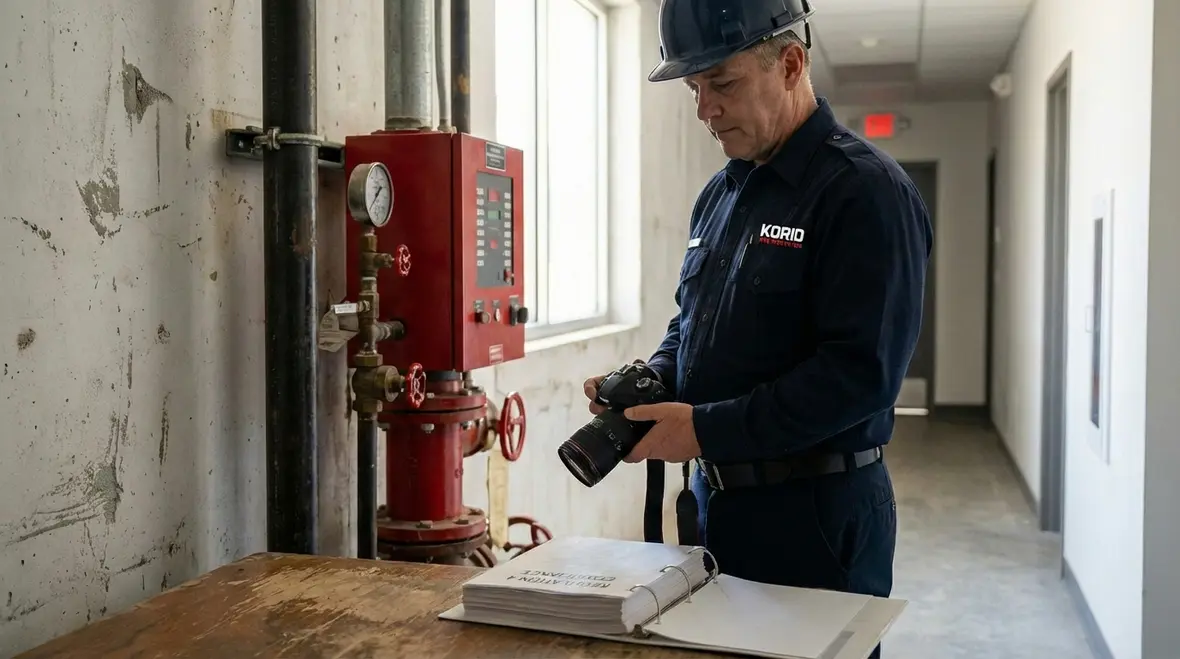
Regulation 4 sets the local expectations for how buildings in Los Angeles must prepare for fire events. While it sounds like a strict rulebook, it actually acts more like a guide. Therefore, it outlines what systems must exist, how often they must be inspected, and who is responsible.
This regulation focuses on prevention as much as response. Because of that, it requires regular inspections, documentation, and maintenance. Moreover, it expects building owners to stay proactive rather than reactive. Fires do not announce themselves, so planning ahead becomes the rule rather than the exception.
Kord fire protection technicians often describe Regulation 4 as a safety conversation written down. It asks questions such as are alarms working, are exits clear, and are suppression systems ready. Therefore, compliance becomes less about fear of fines and more about confidence in readiness.
For a nuts-and-bolts breakdown of how this plays out during actual tests, Kord’s LA Chief Reg 4 Fire Safety Guide for Property Owners and Reg 4 Fire Safety Test overview walk through what inspectors look for and what happens after testing.
Why Los Angeles enforces Regulation 4 so closely
Los Angeles has a unique mix of dense urban spaces, historic structures, and modern high rises. Therefore, the city cannot rely on general guidelines alone. Regulation 4 exists because local conditions demand local answers.
Moreover, the region faces environmental risks such as heat and dry conditions that increase fire danger. Because of this, authorities expect higher standards of preparation. Enforcement ensures consistency across neighborhoods, from downtown offices to coastal properties.
There is also a public trust element. When people enter a building, they assume safety measures are in place. Therefore, strict enforcement supports that trust. As Kord fire protection technicians like to say, nobody compliments a fire system until it saves the day. Then it becomes the hero of the story.
Fire protection systems explained by Kord technicians
Detection, suppression, and communication
Fire protection systems can feel overwhelming on paper. However, Kord fire protection technicians break them down into clear categories. Detection systems alert people early. Suppression systems act fast. Communication systems guide occupants out safely.
Detection includes smoke and heat sensors placed strategically. Therefore, they catch problems early. Suppression includes sprinklers and specialized systems for kitchens or data rooms. Moreover, communication includes alarms, strobes, and voice messages that reduce confusion.
Technicians often add a touch of humor. One might say an extinguisher is like a seatbelt. You hope you never need it, but you would not drive without it. This approach helps building owners feel informed rather than overwhelmed.
How Regulation 4 aligns inspections with real world use
One of the strengths of Regulation 4 is its focus on regular inspections. However, these inspections are not just box checking exercises. Instead, they evaluate how systems perform in real conditions.
Inspectors look at wear, access, and placement. Therefore, a blocked extinguisher or silent alarm becomes a priority fix. Moreover, documentation ensures accountability over time. This creates a record that tells a story of care or neglect.
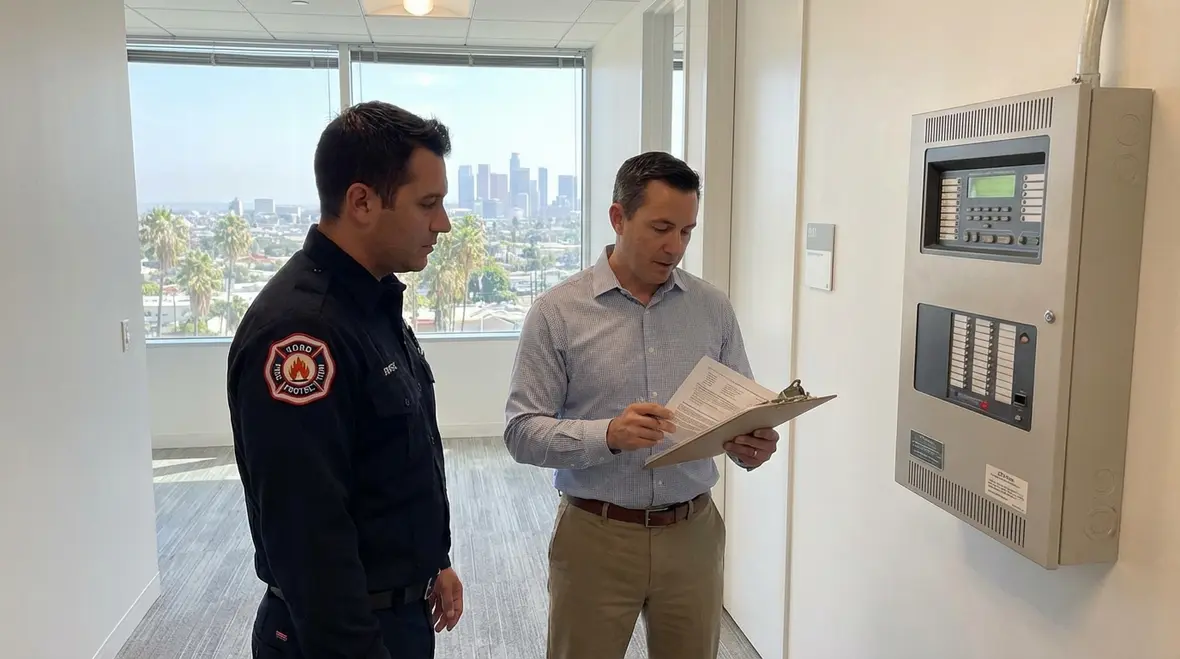
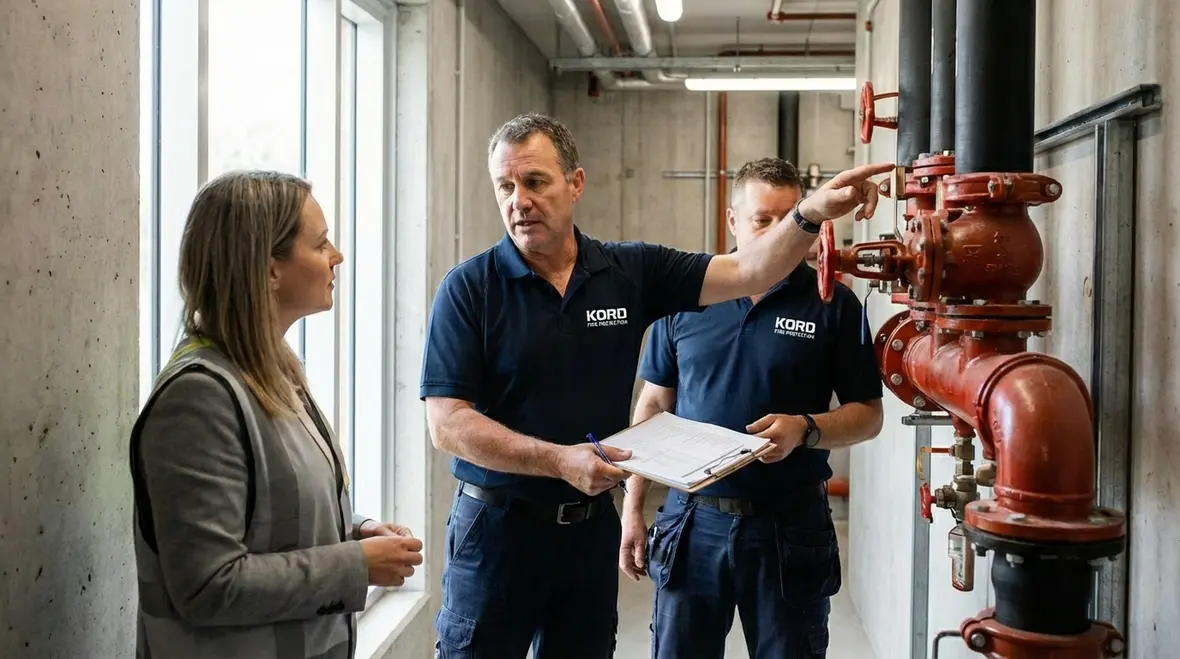
Kord fire protection technicians often act as translators during inspections. They explain findings in plain terms and suggest practical solutions. Because of this, building owners understand not just what failed, but why it matters.
Fire protection responsibilities in a clear view
Understanding who does what helps everything run smoothly. Therefore, Regulation 4 outlines roles clearly. Below is a simple view that Kord technicians often share during consultations.
| Building Owners and Managers | Fire Protection Professionals |
|
Schedule inspections and maintenance Keep exits and equipment accessible Maintain records and reports |
Test and service fire systems Explain compliance needs Provide repair and upgrade options |
This partnership works best when communication stays open. Therefore, both sides share responsibility for safety.
What building owners often ask about compliance
Many owners worry about cost and disruption. However, Regulation 4 encourages planning that reduces surprises. Therefore, routine maintenance often costs less than emergency fixes.
Another concern involves older buildings. While updates may be required, inspectors often allow phased improvements. Moreover, professionals help prioritize changes that bring the most benefit first.
Kord fire protection technicians remind clients that compliance is not about perfection. It is about progress and awareness. And yes, they sometimes joke that paperwork does not stop fires, but it does help firefighters know what they are walking into.
Fire safety culture beyond the rulebook
Rules alone do not create safety. Culture does. Therefore, training occupants and staff matters as much as equipment. Regular drills, clear instructions, and calm leadership reduce panic.
Moreover, visible commitment from management sets the tone. When people see systems maintained and exits respected, they follow suit. Because of this, safety becomes a shared value rather than a forced task.
Kord fire protection technicians often encourage short training sessions. They explain that five minutes of learning can prevent five hours of chaos. That line usually gets a nod and sometimes a laugh.

Future trends in fire protection and local regulations
Technology continues to shape fire protection. Smart sensors, remote monitoring, and data driven maintenance are becoming common. Therefore, Regulation 4 evolves to include these tools while keeping its core goals.
Los Angeles also focuses on sustainability. Systems now balance safety with water use and energy efficiency. Moreover, integration with building management systems improves response times.
Kord fire protection technicians stay current with these trends. They often explain that the future of safety is quieter, faster, and more connected. Think less alarm clock panic and more calm guidance.
Frequently Asked Questions
Conclusion and next steps
Fire protection works best when knowledge meets action. Regulation 4 offers structure, while skilled professionals bring it to life. Kord fire protection technicians stand ready to explain, guide, and support every step. Therefore, building owners who invest in understanding today protect people tomorrow.
Take the time to review systems, ask questions, and plan ahead. Safety rewards preparation, and peace of mind is always worth the effort. When you are ready to take the next step, partnering with experienced Regulation 4 testers helps turn a complex rulebook into a clear, confident plan for your Los Angeles building.
Know Your Weapon Before You Fight the Flame
Kord Fire Protection is your go-to when it comes to all things fire protection. For over 20 years, we’ve been serving Southern California with the quality service and equipment to keep your home or business safe at all times. Our competitive prices reflect our unwavering commitment to protecting what matters most in the event of a fire emergency. Give us a call, send an email, or use that form!

Join Our Newsletter!
Get the latest fire safety tips delivered straight to your inbox From our Newsletter.