Fire Extinguisher Selection Guide for Commercial Placement
When a commercial space installs fire protection equipment, the goal is simple: put the right type of extinguisher in the right place, so people can act fast when seconds matter. That is where a solid fire extinguisher selection guide comes in. In the first pass, kord fire protection technicians typically sort extinguishers by fire class, match that to what fuels exist on site, and then confirm the device can be reached quickly and used safely. And yes, it is also about making sure the unit is not hiding behind a stack of promotional chairs like it is in a low budget escape room. With the right strategy, businesses reduce risk, support compliance, and avoid the classic problem of having equipment that looks ready but is actually the wrong tool for the job.
How kord fire protection technicians approach extinguisher strategy
kord fire protection technicians usually begin with site reality, not with a checklist that was written for someone else’s building. First, they review the space layout, typical workflow, and where ignition sources tend to appear. Then they connect that information to what actually burns there, such as flammable liquids, electrical equipment, cooking materials, or combustible waste. After that, they confirm extinguisher selection aligns with the fire extinguisher selection guide so the facility does not end up with a general purpose unit where a more specific hazard exists.
Once the selection strategy is clear, they shift to placement. Because even the best extinguisher fails if people cannot find it or reach it in time, they map visibility and access routes. For example, an extinguisher near a stairwell can support quick response in many mid size spaces, but it may not help if doors are locked during working hours. Therefore, the technicians also consider how staff moves through the building, where doors open, and whether signage actually catches attention at a glance.
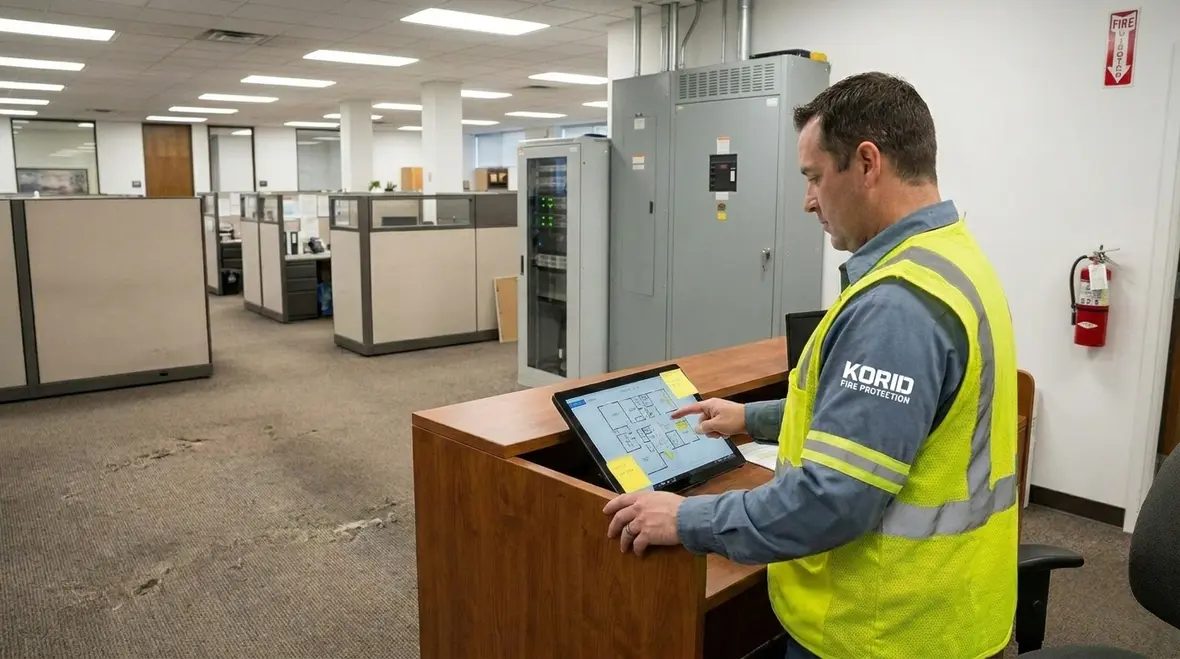
Plan for hazard mapping and real fire risks
Strategic placement starts with hazard mapping, and that means identifying where fires can begin before thinking about where an extinguisher should go. A storage room with solvents behaves differently than an office corridor, and a warehouse with forklifts behaves differently than a small retail shop. However, some businesses treat fire risk like a vague cloud that hovers somewhere in the building. That approach is comforting, like telling everyone to “just stay calm” during an alarm, but it does not stop smoke.
To avoid that, technicians and facility managers typically break the building into zones:
- Electrical zones where panels, server racks, copiers, and charging areas live
- Process or mechanical zones like maintenance rooms, workshops, and mechanical equipment
- Cooking zones for restaurants, break rooms, and food service areas
- Flammable liquid or chemical zones where cleaning supplies, paints, or adhesives exist
- Combustible material zones like storage, shipping areas, and waste accumulation points
Then they match extinguisher types to the hazards. For instance, electrical risks require attention because water based methods can create additional danger. Likewise, cooking oils and grease demand a different approach than paper or packaging. In practical terms, hazard mapping keeps the extinguishers relevant, which is the whole point of the fire extinguisher selection guide and why it matters for day to day operations.
Strategic placement rules that make extinguishers usable
Placement rules focus on two things: access and visibility. People cannot use an extinguisher they cannot locate, and they cannot use one they cannot reach quickly. Consequently, kord fire protection technicians look at routes and barriers that might slow response time. They also consider how an extinguisher performs in the environment. For example, a unit installed near a humid wash area may need extra attention to protection and maintenance schedules. In other words, placement is not just where the extinguisher stands, but how well it stays reliable in real conditions.
Common placement considerations include:
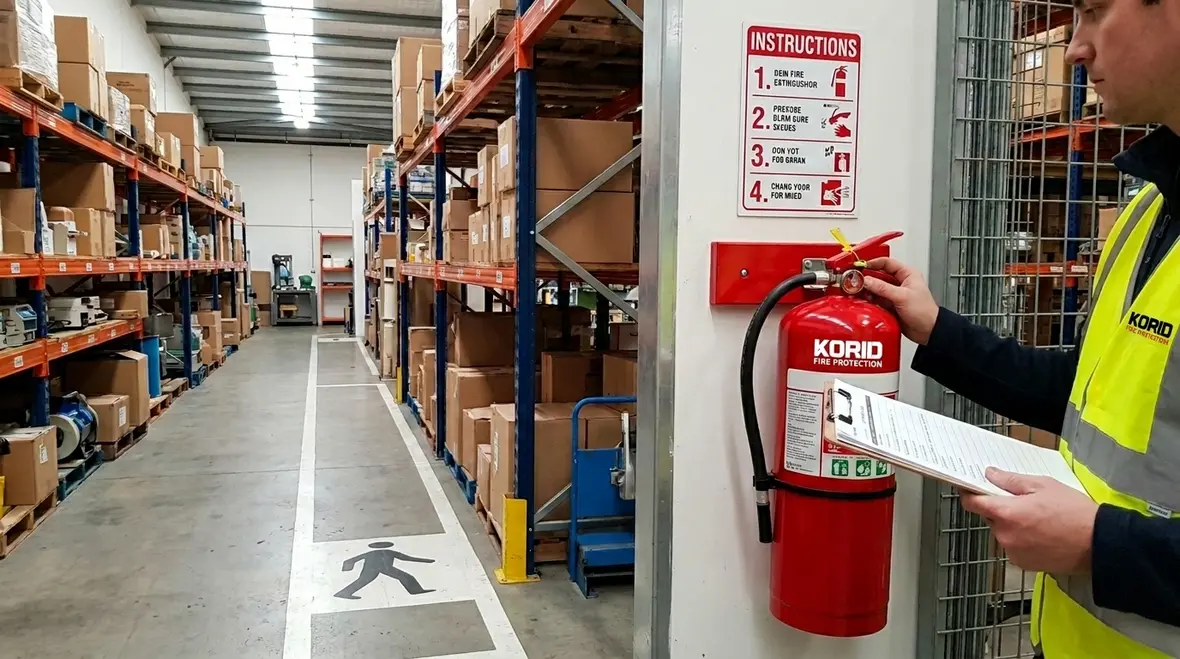
- Clear access paths that do not require staff to squeeze around pallets, racks, or equipment
- Wall mounting at practical heights so the handle and controls remain easy to reach
- Visibility from normal walking routes instead of being hidden behind doors or decorative walls
- Location near exits while still keeping units away from fire trapped points
- Spacing that fits the building layout so coverage does not rely on “someone will find it”
Additionally, they pay attention to human behavior. During stressful moments, people remember habits better than training. Therefore, placing extinguishers where people already expect safety equipment helps. It is like putting a fire extinguisher where it belongs, not like hiding it in the break room behind the good coffee.
Choosing the right type for each commercial area
Even when placement looks perfect, the system still fails if the extinguisher type does not match the fire class. That is why selection comes first in the logic used by kord fire protection technicians. Then the unit locations support that selection so the response is fast and safe. In a well planned facility, the extinguisher selection guide is not just a document in a binder. Instead, it becomes the foundation for what staff see in their daily environment.
Commercial spaces often include multiple hazards, and that means businesses rarely need only one type of extinguisher. A retail floor might include general combustibles, while a back office includes electrical risks. Meanwhile, a receiving dock may introduce packaging, waste, and sometimes fuel like diesel for equipment. Therefore, selection should reflect what can ignite and how those materials behave.
In practical terms, a facility often requires a mix, such as:
- Multipurpose units for common office and retail hazards
- Electrical rated options for areas with panels, racks, and powered equipment
- Kitchen or cooking specific protection near food service areas
- Specialty units where chemicals or flammable liquids appear
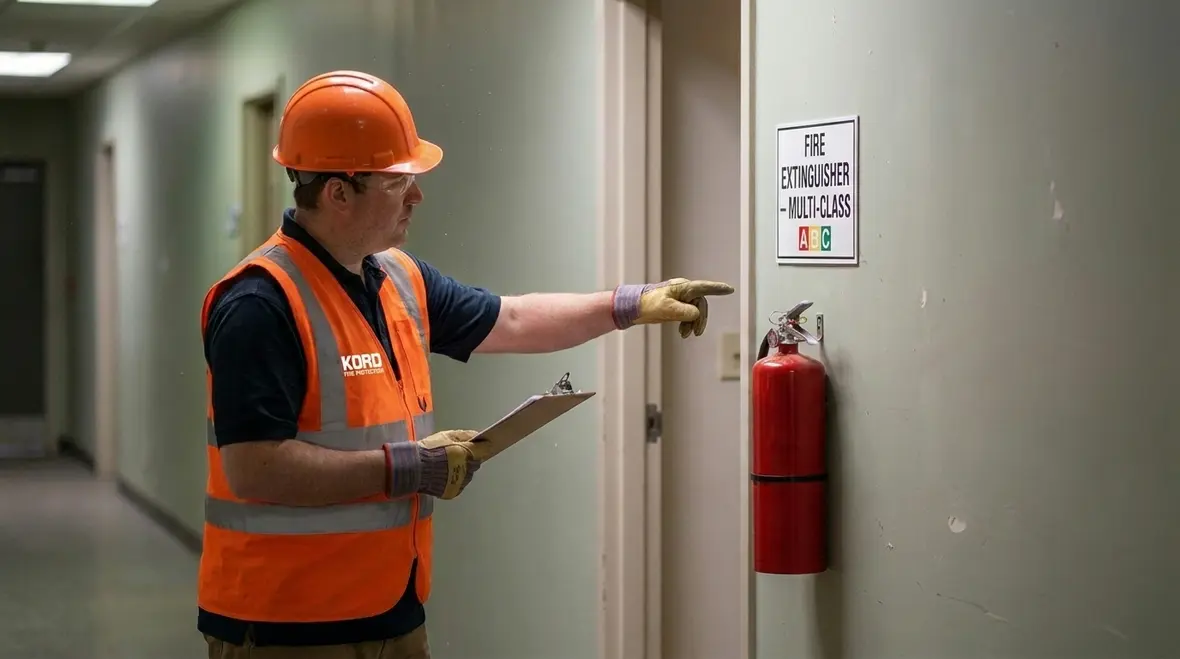
And because people do not always read labels under stress, technicians also recommend clear signage that matches the hazard area. When the extinguisher selection fits the room, the label stops being a suggestion and starts being usable information.
Training, signage, and maintenance that actually stick
Placement and selection do not work alone. People must be able to identify the unit, understand basic use, and respond under pressure. So kord fire protection technicians also emphasize training that fits the facility. For example, a warehouse team may need quick orientation to reach points and extinguisher locations across open aisles. Office teams may need more guidance for electrical and common combustibles. And food service teams benefit from focused training because grease and cooking environments create specific risk patterns.
Signage plays a supporting role here. It should point to the correct locations and confirm the unit type for the hazard. Also, signage should not compete with other posters like “Employee of the Month” or the company newsletter that no one reads. In short, signage must remain visible and unconfusing.
Maintenance matters just as much. An extinguisher can be the right type and the right placement, yet still fail if maintenance falls behind. Therefore, facilities should schedule inspections, confirm pressure indicators, and keep service records organized. Then they should ensure staff knows what to do if a unit is missing, damaged, or discharged. When maintenance and training work together, businesses stop treating fire safety like paperwork and start treating it like readiness.
Common mistakes and how to prevent them
Many commercial buildings install extinguishers, and then they unknowingly sabotage the strategy. The mistakes are usually predictable, which is good news because they are also preventable. For example, some facilities buy a small number of units and then stretch coverage across large areas, expecting one device to handle every scenario. That is like buying one umbrella for an entire baseball game and calling it “weather protection.”
Here are frequent issues kord fire protection technicians see, along with practical ways to fix them:
- Wrong placement due to clutter: They place units behind stacked inventory. The fix involves keeping clear access paths and revisiting mounting locations after seasonal changes.
- Generic selection: A multipurpose unit sits everywhere even where specialized hazards exist. The fix is hazard based selection using the fire extinguisher selection guide.
- Unclear signage: Staff must search during an emergency. The fix is visible, consistent labeling and location prompts.
- Blocked visibility: Decorative panels or equipment block sightlines. The fix involves checking sightlines from common walk routes.
- Maintenance delays: Pressure checks and inspections slip. The fix is a scheduled program with service records that remain accessible.
Also, facilities sometimes assume that a new remodel did not change fire behavior. However, new storage layouts, updated electrical gear, or added chemicals can shift hazards quickly. Therefore, periodic reviews help. When businesses treat placement strategy as a living system, they prevent last minute surprises.
FAQ for extinguisher placement and selection
Conclusion: build a safer plan and move faster in an emergency
Strategic placement and selection of fire extinguishers turns “we have some equipment” into real protection. When a facility uses the fire extinguisher selection guide, maps hazards, places units for quick access, and supports the plan with training and maintenance, it reduces confusion when things get loud. And unlike most pop quizzes, this one is worth studying. kord fire protection technicians can help evaluate your layout and extinguisher types, so your commercial space stays ready. Schedule a review today and tighten your safety plan before the next incident.
Ready to get your extinguisher plan tight?
Let’s review hazard zones, placement, and extinguisher type so your team does not have to play “find the right tool” during an emergency.
Next step: Book a commercial fire protection review with kord fire protection technicians to match the right extinguisher types to your building and keep coverage actually usable.
Call to action
Contact kord fire protection to evaluate your current extinguisher selection and placement strategy, then tighten everything up before the next incident.
Know Your Weapon Before You Fight the Flame
Kord Fire Protection is your go-to when it comes to all things fire protection. For over 20 years, we’ve been serving Southern California with the quality service and equipment to keep your home or business safe at all times. Our competitive prices reflect our unwavering commitment to protecting what matters most in the event of a fire emergency. Give us a call, send an email, or use that form!

Join Our Newsletter!
Get the latest fire safety tips delivered straight to your inbox From our Newsletter.