Fire Extinguisher Recall Check Guide
There are few sounds more unsettling than the hiss of a fire extinguisher that fails to discharge when it matters most. That is why a fire extinguisher recall check should never sit at the bottom of a to do list. It belongs near the top, right next to paying the electric bill and remembering where the coffee filters are. Businesses and homeowners alike rely on these red cylinders to perform without hesitation. When manufacturers issue recalls, however, those same devices can become liabilities. Kord Fire Protection technicians often explain that verifying a model and documenting the results is not busywork. It is protection, accountability, and in many cases, a legal safeguard.
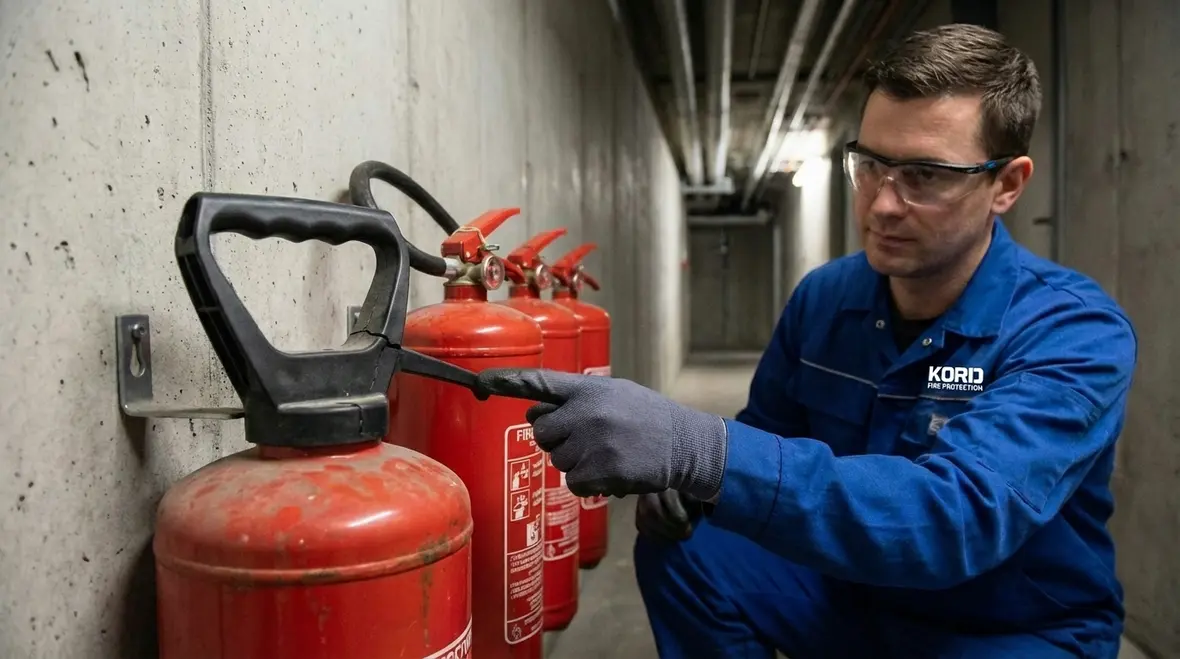
Why Recalls Happen and Why They Matter
Fire extinguishers are simple tools in theory. Pull the pin, aim low, squeeze the handle, sweep side to side. Hollywood makes it look effortless. In reality, each unit contains pressurized agents, valves, seals, and triggers that must work in perfect sync. When one component fails, the entire unit can fail.
Manufacturers issue recalls for several reasons. Sometimes a plastic handle cracks under pressure. In other cases, a nozzle clogs, or the gauge gives a false reading. Occasionally, corrosion forms inside the cylinder long before anyone notices. As a result, an extinguisher may look ready while silently refusing to perform.
Because these devices often sit untouched for years, defects can go unnoticed. However, during an emergency, there is no time for troubleshooting. Therefore, conducting a recall verification becomes more than compliance. It becomes common sense.
Kord Fire Protection technicians often describe it plainly. A recalled extinguisher is like a seatbelt that looks fine but snaps during impact. No one wants to test that theory in real life.
If you are already reviewing your extinguishers, it can be a smart time to confirm service intervals as well. Resources like Kord Fire’s guide on how often a fire extinguisher needs to be serviced walk through monthly, annual, and long-term testing schedules in practical terms.
How to Perform a Fire Extinguisher Recall Check Step by Step
Many property managers type into search engines something like, How do I verify if my fire extinguisher is recalled? The answer is direct, and thankfully, not complicated.
First, locate the manufacturer label. This label usually appears on the front or back of the cylinder. It lists the brand name, model number, serial number, and manufacturing date. Without these details, a recall search becomes guesswork.
Next, visit the manufacturer website or the Consumer Product Safety Commission site. Most brands provide a dedicated recall verification page. There, users enter the model and serial number to confirm whether the unit falls within an affected batch.
Additionally, some recalls require checking specific production ranges. For example, only extinguishers made between certain months or years may qualify. Therefore, comparing both the serial number and manufacturing date is essential.
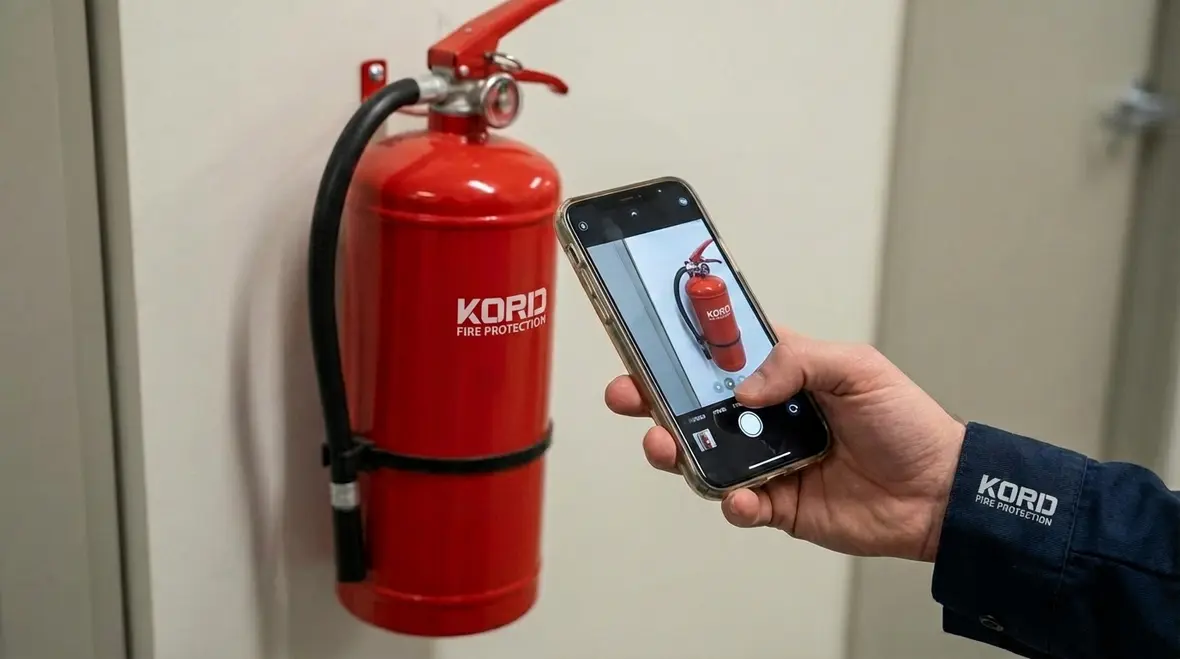
Kord Fire Protection technicians often recommend photographing the label before beginning the search. This small step prevents transcription errors and creates a visual record for documentation. It also saves a second trip down the hallway when someone realizes they swapped two digits. We have all been there.
After confirming the recall status, print or save the confirmation page. If the extinguisher is affected, follow the manufacturer instructions immediately. Typically, they offer a replacement unit or repair kit at no cost.
As you verify recalls, it can also help to confirm overall extinguisher condition and age. Articles like Kord Fire’s guide on how to tell if a fire extinguisher is expired safely provide extra context for what to look for on the label and shell beyond recall notices.

What to Document During a Recall Verification
Performing a product recall inspection without documentation is like watching a great movie and forgetting the ending. The effort loses value. Proper records protect businesses during audits, insurance reviews, and safety inspections.
At minimum, documentation should include the following:
- Manufacturer name
- Model number
- Serial number
- Manufacturing date
- Date of recall verification
- Recall status result
- Actions taken if recalled
In addition, include the name of the person who completed the verification. This adds accountability and creates a clear audit trail. For larger facilities, logging extinguisher location is equally important. For instance, note whether the unit hangs in the break room, warehouse, or mechanical closet.
Kord Fire Protection technicians emphasize that documentation should live in a central file. Digital logs work well, provided they are backed up securely. However, some facilities maintain physical binders near safety records. Either method works, as long as the information remains organized and accessible.
Moreover, if a unit is recalled and replaced, record the replacement date and new serial number. This ensures the same extinguisher does not accidentally reappear on the next inspection list like a bad sequel no one asked for.
Common Models Affected by Past Recalls
Over the years, several large scale recalls have involved millions of units. Some affected plastic handle extinguishers that could clog or fail to discharge. Others involved push button models that detached unexpectedly.
Although not every brand experiences recalls, large manufacturers occasionally face widespread product issues. As a result, property owners should not assume that a familiar brand equals immunity.
Many recall campaigns focus on:
- Plastic handle dry chemical extinguishers
- Certain disposable models
- Units manufactured within specific date ranges
- Extinguishers sold in big box retail stores
However, recall details vary widely. Therefore, conducting a proper fire safety recall verification for each unit remains essential. Kord Fire Protection technicians often remind clients that relying on memory alone is risky. A building may contain extinguishers purchased years apart, sometimes by different managers.
Consistency matters. Every unit deserves the same careful review.
Business Compliance and Liability Protection
For businesses, a recall inspection does more than enhance safety. It also reduces legal exposure. Insurance providers and regulatory agencies expect documented evidence that fire protection equipment remains in safe working condition.
If a recalled extinguisher fails during an incident, investigators will review maintenance records. Therefore, having a documented fire extinguisher recall check can demonstrate due diligence. Without records, however, the situation becomes far more complicated.
Kord Fire Protection technicians often explain that liability rarely hinges on a single oversight. Instead, it grows from patterns of neglect. Conducting and recording recall verifications shows a proactive safety culture.
Additionally, compliance with OSHA and local fire codes may require regular inspections and maintenance logs. While recall verification may not appear as a standalone rule, it supports the broader requirement to maintain functional equipment. For example, city-specific guides such as Kord Fire’s overview of fire extinguisher requirements for Los Angeles businesses stress the importance of record keeping and documented service histories.
In short, documentation speaks when memories fade. And in legal matters, paper tends to have the loudest voice in the room.
Technician Insight: What Professionals Look For
When Kord Fire Protection technicians conduct on site inspections, they do more than glance at a gauge. They examine handles, pins, hoses, and tamper seals. They check for corrosion, dents, and blocked nozzles. Furthermore, they verify that mounting brackets remain secure and that signage stays visible.
During a recall verification, technicians cross reference serial numbers with official recall lists. They also confirm that previous recall replacements were completed properly. Sometimes, facilities believe they replaced a recalled unit, yet the old one still hangs in a storage room. It happens more often than people expect.
Professionals also educate staff. For example, they explain how to identify a recalled model and why documentation matters. In many cases, a short training session prevents long term confusion.
Technicians approach recall checks methodically. They move from one unit to the next, updating logs in real time. As a result, nothing slips through the cracks. Their steady pace may not look dramatic, but it works. And in fire safety, reliability beats drama every time.

Quick Reference Table for Internal Record Keeping
Facilities often benefit from a structured format. Below is a simple dual column example that teams can adapt for internal logs.
Column One: Required Information
Manufacturer Name
Model Number
Serial Number
Manufacturing Date
Recall Status
Date Verified
Verified By
Replacement Details
Column Two: Details to Record
Enter full brand name as printed on label
Exact model designation including letters and numbers
Complete serial code without omissions
Month and year if available
Not affected or Affected and replacement requested
Day recall search was completed
Name and title of responsible staff member
New model and serial if applicable
This structured approach ensures that a recall status check remains clear and repeatable. Moreover, it simplifies audits and internal reviews. If you are building out broader logs, Kord Fire’s resources on monthly inspection and annual service can help you align recall checks with your inspection schedule.
How Often Should Recall Checks Be Conducted?
Many property owners ask how frequently they should verify recall status. The answer depends on risk tolerance and inventory size. However, conducting a review during annual fire extinguisher inspections is a practical baseline.
Additionally, whenever news of a major recall surfaces, facilities should perform an immediate review. It takes little time compared to the potential consequences of overlooking a defective unit.
For newly purchased extinguishers, verifying recall status upon arrival is also wise. Although new products are less likely to be recalled immediately, early documentation establishes a clean record.
Kord Fire Protection technicians often advise integrating recall verification into existing maintenance routines. By pairing it with scheduled inspections, businesses avoid creating extra tasks. Instead, the process becomes part of a smooth safety rhythm.
Frequently Asked Questions
Take Action Before an Emergency Forces the Issue
Fire safety does not reward procrastination. A documented fire extinguisher recall check strengthens compliance, protects occupants, and reduces liability. Kord Fire Protection technicians stand ready to verify models, update records, and replace affected units with precision. Do not wait for smoke to test your preparation.
To go beyond recall checks and keep every extinguisher compliant through its full life cycle, explore Kord Fire’s dedicated six year breakdown and teardown services, hydrostatic testing services, and monthly and annual inspection programs. Schedule a professional recall review today and ensure every extinguisher in your building stands ready to perform when it matters most.
When you are ready to coordinate a full inspection or have questions about your current inventory, connect with Kord Fire through their fire protection and safety inspection team and request the fire extinguisher services your building needs.
Know Your Weapon Before You Fight the Flame
Kord Fire Protection is your go-to when it comes to all things fire protection. For over 20 years, we’ve been serving Southern California with the quality service and equipment to keep your home or business safe at all times. Our competitive prices reflect our unwavering commitment to protecting what matters most in the event of a fire emergency. Give us a call, send an email, or use that form!

Join Our Newsletter!
Get the latest fire safety tips delivered straight to your inbox From our Newsletter.