Exit Sign Requirements NFPA 101 Explained
When it comes to life safety, few details matter more than a clearly marked path to the exit. That is where exit sign requirements nfpa 101 step into the spotlight. Within the first pages of the Life Safety Code, the National Fire Protection Association outlines when and where illuminated egress marking must guide occupants to safety. It sounds simple. Put up a sign. Turn on a light. Call it a day. However, as Kord Fire Protection technicians often explain to building owners, the code carries depth, nuance, and just enough detail to keep everyone honest. And thankfully so. In an emergency, no one wants to play a guessing game in the dark.
Therefore, this guide walks through when the code requires illuminated exit signs, how the rules apply across occupancies, and why proper installation matters more than most people realize.
Understanding the Foundation of Exit Sign Requirements
The Life Safety Code sets clear expectations for means of egress. In plain terms, it tells buildings how to help people get out safely. While fire alarms and sprinklers often steal the spotlight, illuminated exit signs serve as the quiet heroes. They work without drama. They glow steadily. They point the way.
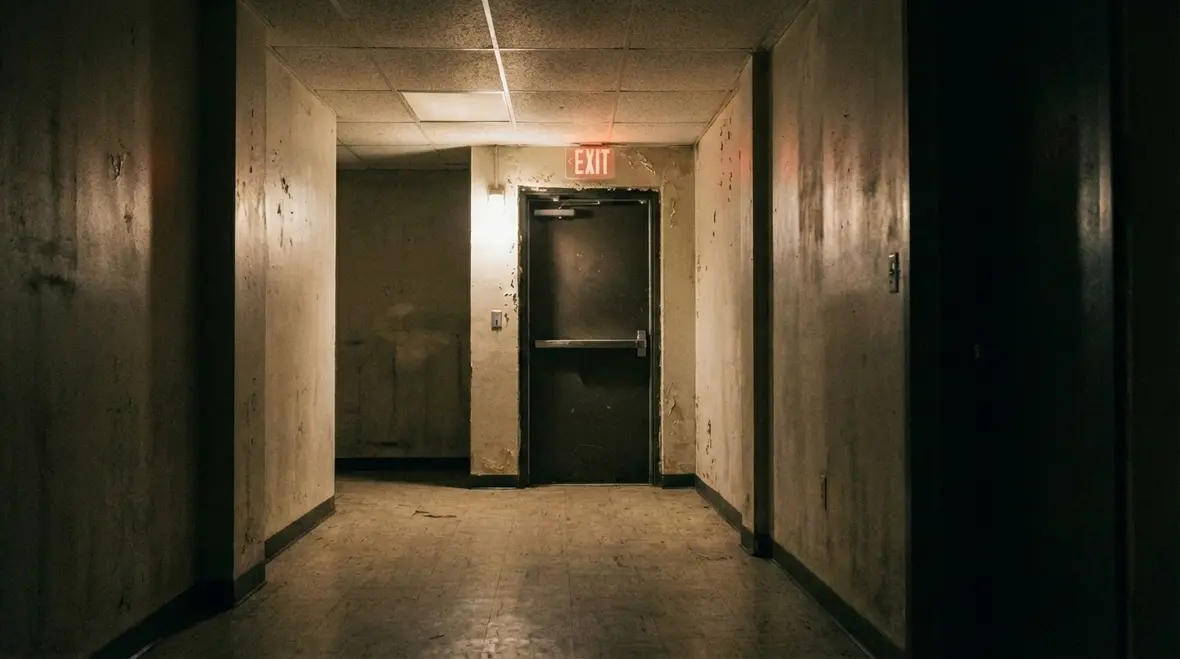
According to NFPA 101, exit signs must mark every required exit and access to exits in most occupancies. Moreover, they must remain illuminated whenever the building is occupied. That includes normal power and emergency conditions. If the lights go out, the signs must stay on.
Kord Fire Protection technicians frequently remind clients that the code does not care about guesswork. If a corridor turns, if a door leads to an exit stair, or if a path could confuse someone unfamiliar with the building, signage becomes mandatory. After all, in an emergency, clarity saves seconds. And seconds save lives.
Additionally, the code specifies visibility. An exit sign must be readily visible from any direction of egress travel. That means no hiding it behind décor, ductwork, or that motivational poster about teamwork. Safety first. Inspiration later.

When Does the Code Require Illuminated Egress Marking?
This is the question building owners type into search bars late at night. And the answer arrives with calm certainty.
The code requires illuminated exit signs in nearly all occupancies where two or more exits are mandated. This includes:
- Assembly occupancies such as theaters, churches, and event halls.
- Educational occupancies like schools and daycare centers.
- Business occupancies including offices and professional buildings.
- Mercantile occupancies such as retail stores.
- Industrial and storage occupancies where staff operate daily.
- Healthcare facilities where patients may need assistance.
However, there are limited exceptions. Certain small, low occupant load buildings may not require internally illuminated signs if the path is obvious and directly visible. Even then, local codes may override those allowances.
Because of that, Kord Fire Protection technicians advise property managers to verify occupancy classification before making assumptions. A space that starts as a small office may later transform into a training center. Once the occupant load increases, illuminated egress marking often becomes mandatory.
Furthermore, the code demands that signs remain continuously illuminated during occupancy. They cannot flick on only during emergencies. They must glow consistently, like a lighthouse that refuses to nap.
If you are updating exit signs in an existing building or planning a new project, Kord Fire’s Emergency Exit Light Services team can help you interpret NFPA 101 alongside local requirements and design code-compliant egress lighting from the start.
Illumination Standards and Power Supply Expectations
It is not enough to hang a sign and hope for the best. The Life Safety Code outlines specific illumination criteria.
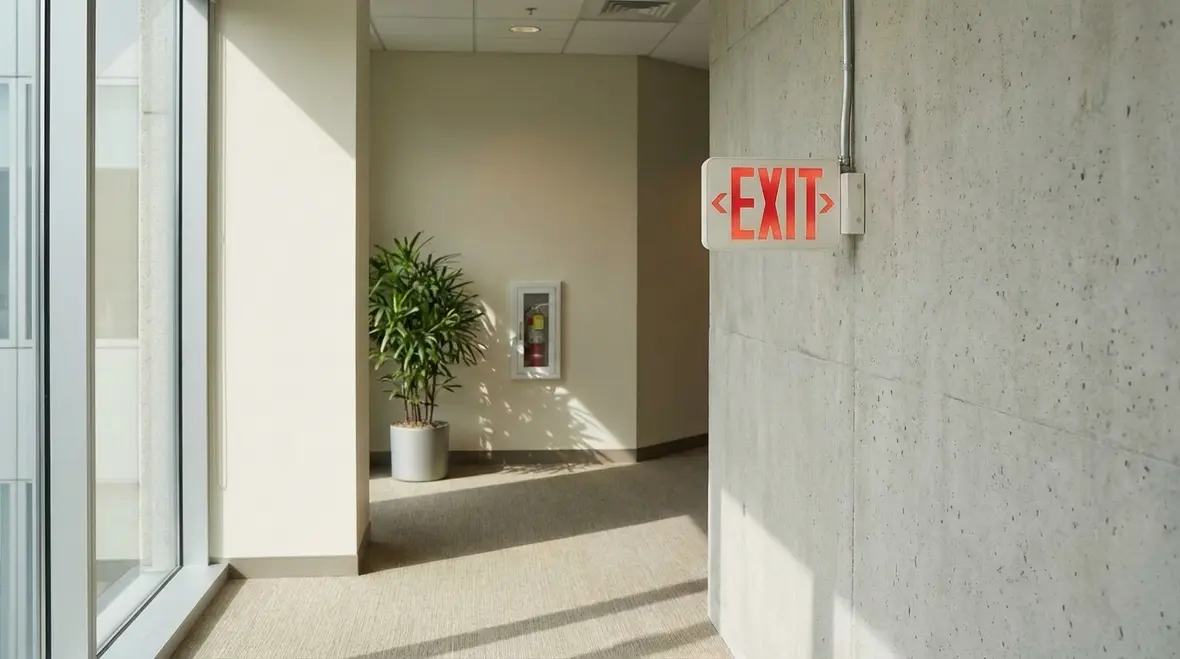
First, internally illuminated signs must stay lit at all times. Second, externally illuminated signs require a reliable light source with at least five foot candles on the sign surface. In other words, the sign must be bright enough to read without squinting like someone decoding ancient treasure maps.
Additionally, exit signs must connect to emergency power. If normal power fails, battery backup or generator systems must keep the sign illuminated for at least 90 minutes. That duration aligns with emergency lighting requirements.
Kord Fire Protection technicians often test this during inspections. They simulate power loss. They check battery performance. They confirm transfer times. Because when the building goes dark, the sign should not shrug and say, well, that is unfortunate.
Moreover, letters must measure at least six inches high, with a minimum stroke width of three quarters of an inch. The word EXIT must stand out clearly. No abstract fonts. No artistic interpretation. This is not the place for creative expression.
Placement Rules That Remove Confusion
Even the brightest sign fails if placed poorly. Therefore, the code provides guidance on location.
Signs must appear at every required exit door. They must also mark the path of travel when the route is not immediately obvious. If a corridor bends or splits, directional indicators become necessary. Arrow placement must accurately reflect the direction of travel.
In addition, any door that could be mistaken for an exit but is not one must be marked accordingly. For example, doors leading to closets, mechanical rooms, or dead ends may require signage such as NO EXIT. This prevents confusion during high stress situations.
Kord Fire Protection technicians explain that human behavior changes during emergencies. People follow crowds. They push toward visible doors. Therefore, signage must eliminate hesitation. A clearly marked stair enclosure often becomes the difference between orderly evacuation and chaos.
Furthermore, mounting height matters. Exit signs typically sit above doors or at a height that ensures visibility above occupant heads. Decorations, seasonal banners, or newly installed partitions should never block the line of sight.
Comparing Internally and Externally Illuminated Signs
To simplify decision making, here is a practical comparison often shared during site visits.
| Feature | Internally Illuminated Signs | Externally Illuminated Signs |
|---|---|---|
| Light Source | Built in LEDs or lamps | Separate dedicated lighting fixture |
| Power Backup | Integrated battery or generator connection | Emergency lighting circuit required |
| Maintenance | Periodic battery and lamp testing | Fixture and lamp checks needed |
| Installation Flexibility | Common in modern retrofits | Often used in specialty designs |
While both options can comply with exit sign requirements nfpa 101, most facilities now prefer LED internally illuminated units. They consume less energy, last longer, and reduce maintenance calls. In other words, they behave like the reliable employee who never calls in sick.
However, historic buildings sometimes choose externally illuminated signs to preserve architectural character. In those cases, technicians ensure light levels meet code without compromising design.
How Kord Fire Protection Technicians Approach Compliance
Compliance rarely happens by accident. It requires review, testing, and documentation.
Kord Fire Protection technicians begin with an occupancy evaluation. They confirm classification, occupant load, and required number of exits. Next, they trace each egress path physically. They look for blind corners. They identify visual obstructions. They verify mounting heights.
Afterward, they inspect illumination levels and power sources. Batteries undergo testing under load conditions. Generator connections receive verification. Additionally, technicians confirm that directional arrows point correctly. Surprisingly, misdirected arrows appear more often than one might expect. Apparently, even signs get confused sometimes.
Documentation follows. Inspection reports outline deficiencies and corrective actions. This not only supports compliance but also protects building owners during audits or after incidents.
Importantly, technicians also educate staff. They explain why propping open stair doors or relocating signs during renovations creates hazards. Because safety works best when everyone understands the why, not just the what.
Common Mistakes That Trigger Violations
Even well managed facilities can slip up. However, most violations fall into predictable patterns.
First, expired batteries often fail during annual testing. Over time, batteries lose capacity. Without routine replacement, they cannot sustain the 90 minute requirement.
Second, renovations frequently alter egress paths. A newly built wall may block visibility to an existing sign. If signage does not adapt, confusion follows.
Third, decorative lighting swaps sometimes remove dedicated illumination from externally lit signs. The room may look stylish. The exit sign, however, fades into the background like a shy extra in a movie scene.
Additionally, facilities occasionally overlook outdoor exit discharge areas. If the path continues through a courtyard or exterior walkway, marking may still be required until occupants reach a public way.
By addressing these issues proactively, property managers avoid citations and improve real world safety.
FAQ About Illuminated Exit Sign Rules
Bringing It All Together for Safer Buildings
Illuminated egress marking does more than satisfy a checklist. It guides real people through uncertain moments. The structure and detail within exit sign requirements nfpa 101 ensure that no occupant stands in darkness wondering which way to turn. Instead, clear red or green letters shine steadily, offering direction without panic.
For building owners who want confidence rather than crossed fingers, Kord Fire Protection technicians provide clarity, inspections, and practical solutions. Connect with their team today and ensure every path out of your building remains visible, compliant, and ready when it matters most. To go a step further, schedule a dedicated visit with Kord Fire’s Emergency Exit Light Services crew and get a full evaluation of your exit signs, emergency lighting, and NFPA 101 life safety compliance.
Know Your Weapon Before You Fight the Flame
Kord Fire Protection is your go-to when it comes to all things fire protection. For over 20 years, we’ve been serving Southern California with the quality service and equipment to keep your home or business safe at all times. Our competitive prices reflect our unwavering commitment to protecting what matters most in the event of a fire emergency. Give us a call, send an email, or use that form!

Join Our Newsletter!
Get the latest fire safety tips delivered straight to your inbox From our Newsletter.