
Dry Chemical Fire Suppression Cleanup Guide for Businesses
When a fire system activates, relief comes first. The flames are out. The danger has passed. Yet almost immediately, another concern steps into the room like an uninvited guest who refuses to leave. The fine, stubborn residue left behind demands attention. Dry chemical fire suppression cleanup is not simply a housekeeping task. It is a critical step in restoring safety, protecting assets, and returning operations to normal without hidden damage waiting in the shadows.
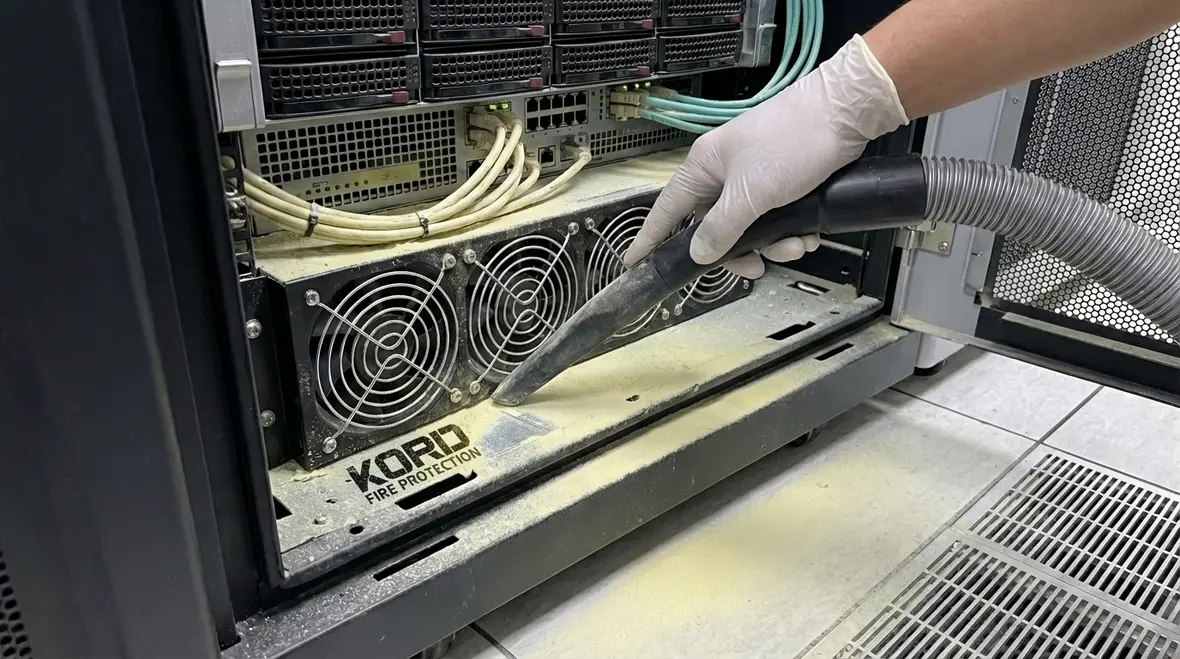
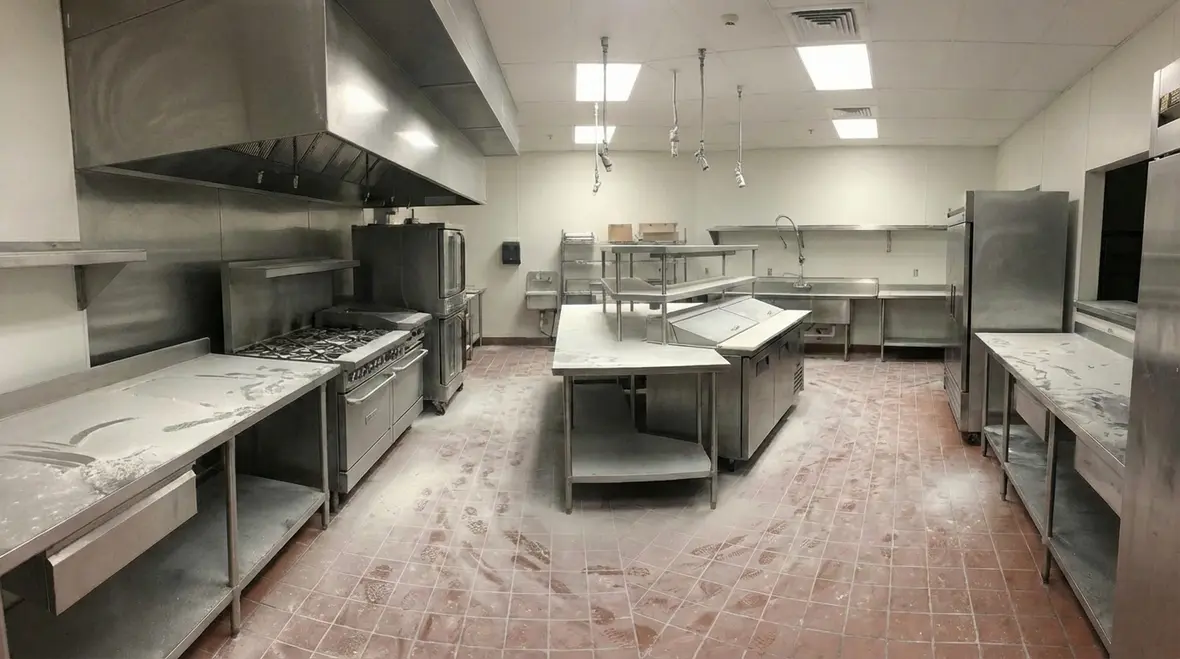
In commercial kitchens, data centers, warehouses, and manufacturing plants, the powder released during a discharge spreads quickly and settles into every crack, seam, and circuit board. Kord Fire Protection technicians often explain that while the system may have saved the structure, the residue can quietly threaten equipment, air quality, and productivity if it is not handled properly. So what happens next? Let us walk through it calmly and clearly.
What Happens After a Dry Chemical System Discharges?
The moment the system activates, a fine cloud of chemical agent fills the protected area. Its purpose is noble. It interrupts the chemical reaction of fire and prevents reignition. However, once the dust settles, literally, that same agent begins interacting with surfaces around it.
First, the powder coats floors, walls, equipment, and inventory. Then, depending on humidity levels, it may absorb moisture from the air. As a result, it can become slightly corrosive over time. Electrical components face particular risk because the residue can creep into vents and connections. Moreover, if left undisturbed, foot traffic may grind the powder deeper into surfaces.
Kord Fire Protection technicians often compare it to flour in a kitchen. A little puff spreads farther than expected. Now imagine that flour inside control panels and server racks. Not ideal.
Therefore, the cleanup process must begin with a clear plan. Acting quickly reduces secondary damage and limits downtime.
In many cases, businesses that rely heavily on specialized suppression equipment—like dry chemical, clean agent, or foam systems—work with a dedicated fire protection partner for both the response and the recovery phase. If you are reviewing your suppression options or planning an upgrade, you can learn more about Kord Fire’s fire suppression system services and how system selection affects cleanup and restoration demands.
Immediate Steps to Take Before Cleanup Begins
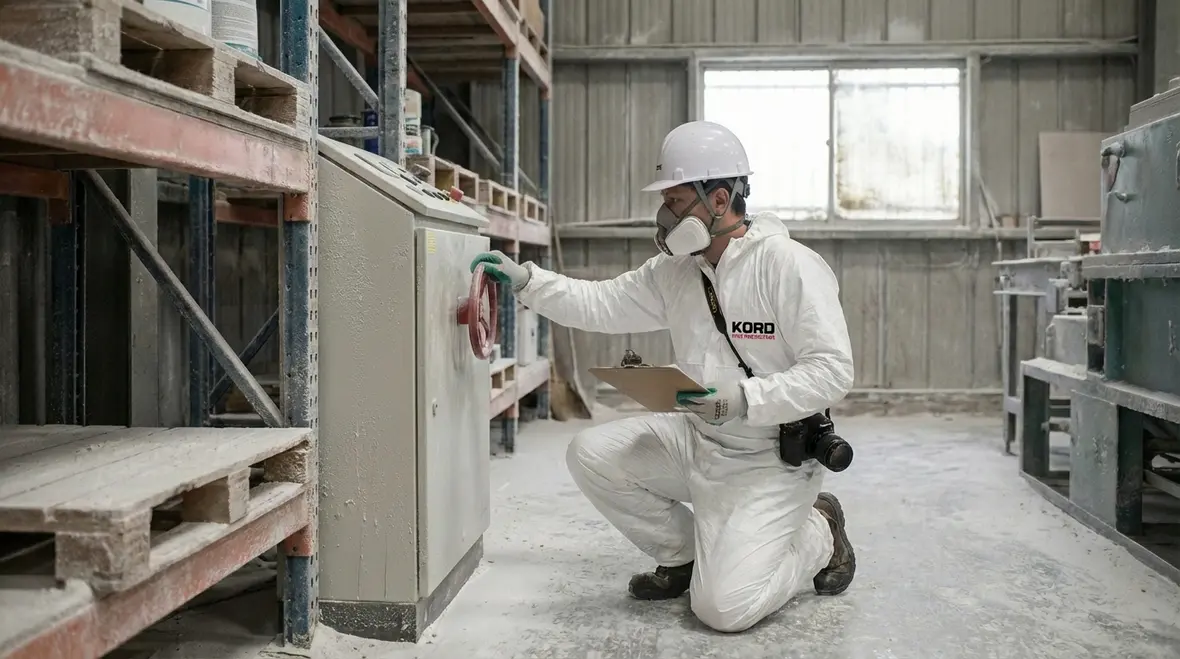
Although the fire may be out, the environment still requires careful control. Safety remains the priority. Consequently, facility managers should begin with these steps:
- Confirm the area is safe. Ensure there are no hot spots or reignition risks. Fire officials or safety officers should give clearance.
- Shut down sensitive equipment. If power remains on, turning off systems prevents residue from circulating through cooling fans and internal components.
- Limit foot traffic. Every step can push powder deeper into carpets or machinery. Restrict access to essential personnel only.
- Document the scene. Photos and notes support insurance claims and maintenance records.
After these measures, a structured dry chemical fire suppression cleanup plan can move forward. Skipping early precautions may increase costs later. And no one enjoys explaining avoidable damage to upper management.
The Science Behind the Residue
Dry chemical agents typically contain monoammonium phosphate or sodium bicarbonate. Both are effective fire suppressants. However, they behave differently once discharged.
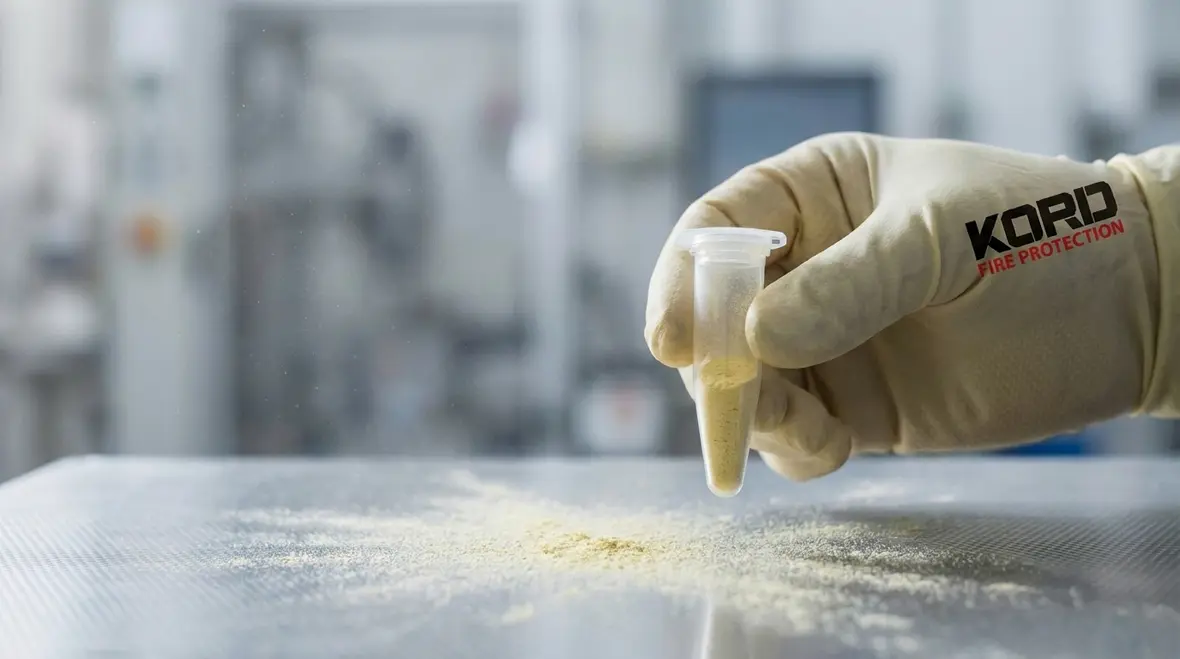
Monoammonium phosphate, commonly used in multipurpose systems, can leave a yellowish residue. It may become mildly acidic when exposed to moisture. Therefore, metal surfaces require prompt attention. Sodium bicarbonate, often found in kitchen systems, is less corrosive but still intrusive.
Additionally, the particles are extremely fine. They infiltrate small openings and cling to surfaces through static charge. Because of this, simple sweeping rarely solves the problem. In fact, aggressive brushing can scratch finishes or push powder into sensitive areas.
Kord Fire Protection technicians frequently explain that understanding the agent type guides the cleaning method. In other words, knowledge prevents guesswork. And guesswork after a fire event is about as helpful as a smoke alarm with no batteries.
Professional Dry Chemical Fire Suppression Cleanup Process
Restoration professionals follow a structured approach designed to remove residue thoroughly while protecting assets. The process often unfolds in phases.
Assessment and Testing
Technicians inspect affected zones, identify the chemical agent used, and evaluate damage risks. They may test surface pH levels to determine corrosive potential.
Controlled Removal
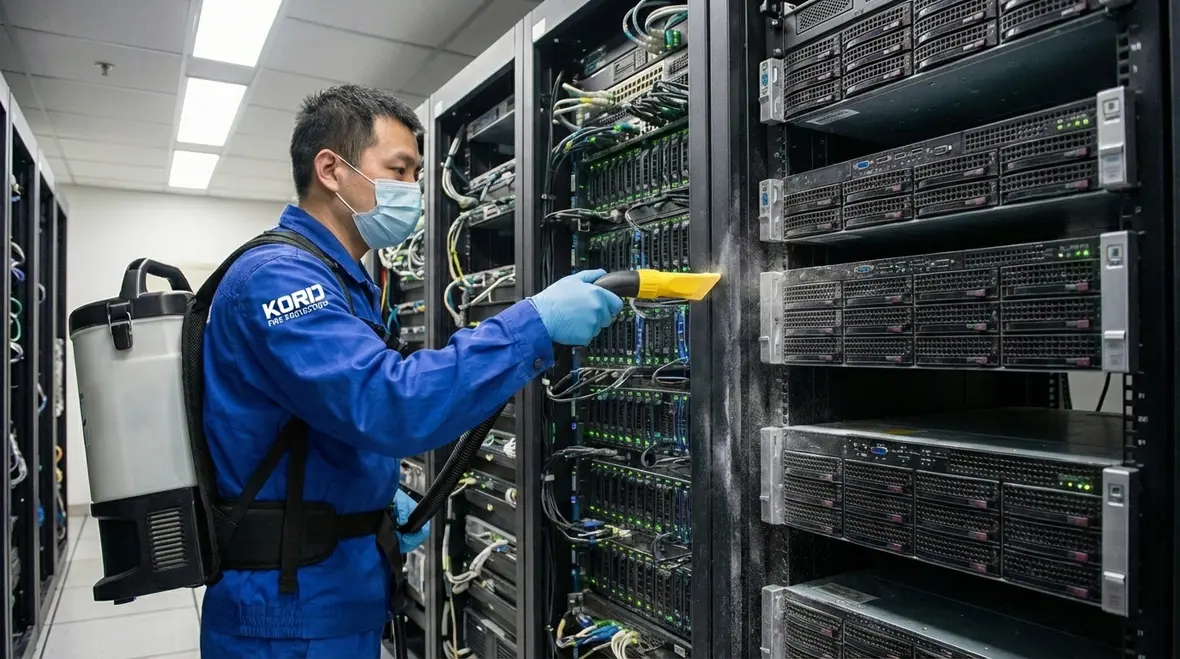
High efficiency particulate air vacuums capture fine particles without redistributing them. Unlike standard shop vacuums, these systems prevent airborne spread.
Surface Neutralization
When necessary, crews apply neutralizing solutions to counter acidic effects. This step protects metal, wiring, and structural components.
Detail Cleaning
Technicians disassemble equipment where possible to reach internal spaces. Control panels, ventilation ducts, and machinery housings receive careful attention.
Air Quality Restoration
Air scrubbers and filtration devices remove lingering particulates. Clean air supports safe reentry and regulatory compliance.
Throughout the process, Kord Fire Protection technicians emphasize documentation and communication. Clients receive clear explanations of each step. After all, understanding brings peace of mind. And peace of mind is priceless when operations hang in the balance.
Equipment and Materials Recovery Strategy
Not every item responds to residue in the same way. Therefore, restoration plans must reflect the environment involved.
Below is a simplified comparison of common affected assets and recommended approaches:
| Asset Type | Cleanup Focus |
|---|---|
| Electrical Panels | Careful vacuuming, component inspection, moisture control |
| Commercial Kitchen Equipment | Degreasing plus residue removal, sanitation verification |
| Server Racks | Static safe cleaning, internal inspection, airflow testing |
| Warehouse Inventory | Surface cleaning, contamination review, packaging assessment |
Because each category presents unique risks, a one size fits all approach rarely works. For example, electronics demand delicate handling, while stainless steel surfaces in kitchens require both cleaning and food safety checks. Consequently, experienced teams adapt methods to each setting.
It is worth noting that delaying professional dry chemical fire suppression cleanup can void equipment warranties. Manufacturers often require documented remediation to maintain coverage. That fine print matters.
How Long Does Restoration Take and What Affects the Timeline?
Timeframes vary. However, several factors influence how quickly a facility returns to full operation.
- First, the size of the discharge area plays a major role. A small contained system activation in a kitchen hood may require limited cleaning. In contrast, a warehouse wide release demands extensive coordination.
- Second, humidity levels impact corrosion risk. Higher moisture means faster chemical reaction with metal surfaces. Therefore, rapid response becomes even more critical in humid climates.
- Third, equipment complexity shapes the schedule. Facilities filled with intricate machinery or high value electronics require slower, methodical cleaning. Rushing invites mistakes.
Kord Fire Protection technicians often reassure clients that a structured plan reduces downtime. While no one schedules a suppression discharge on their calendar, organized restoration keeps disruptions from dragging on like a sequel no one asked for.
Preventing Secondary Damage After Suppression System Activation
Cleanup addresses current residue. Prevention focuses on minimizing future impact. Smart facility managers treat a discharge as both a recovery event and a learning opportunity.
- Schedule System Inspection
After activation, the suppression system must be inspected, recharged, and reset by certified professionals. - Review Detection Settings
If the discharge resulted from a false alarm, evaluating detection sensitivity prevents repeat incidents. - Train Staff
Employees should understand evacuation procedures and post discharge protocols. Clear instruction reduces confusion. - Maintain Documentation
Accurate service records support compliance with fire codes and insurance requirements.
Moreover, partnering with experienced providers ensures both system reliability and informed response planning. Kord Fire Protection technicians take time to explain how proper maintenance reduces risk and simplifies future restoration. Knowledge, once again, proves powerful.
Frequently Asked Questions
Restoring Confidence After the Dust Settles
When the cloud clears and the silence returns, what remains is a choice. Facilities can treat the aftermath as a minor inconvenience or recognize it as a critical recovery phase. Professional dry chemical fire suppression cleanup protects investments, preserves equipment, and restores operational strength.
Kord Fire Protection technicians stand ready to guide that process with calm expertise and steady hands. Their team understands both the science of suppression agents and the practical realities of getting a business back online without unnecessary delays.
If your facility has recently experienced a discharge—or you simply want a response plan in place before one occurs—now is the right time to act. Explore Kord Fire’s fire suppression system services or connect with their team through the contact page to schedule an assessment, request cleanup support, or review your readiness strategy.
Know Your Weapon Before You Fight the Flame
Kord Fire Protection is your go-to when it comes to all things fire protection. For over 20 years, we’ve been serving Southern California with the quality service and equipment to keep your home or business safe at all times. Our competitive prices reflect our unwavering commitment to protecting what matters most in the event of a fire emergency. Give us a call, send an email, or use that form!

Join Our Newsletter!
Get the latest fire safety tips delivered straight to your inbox From our Newsletter.


