
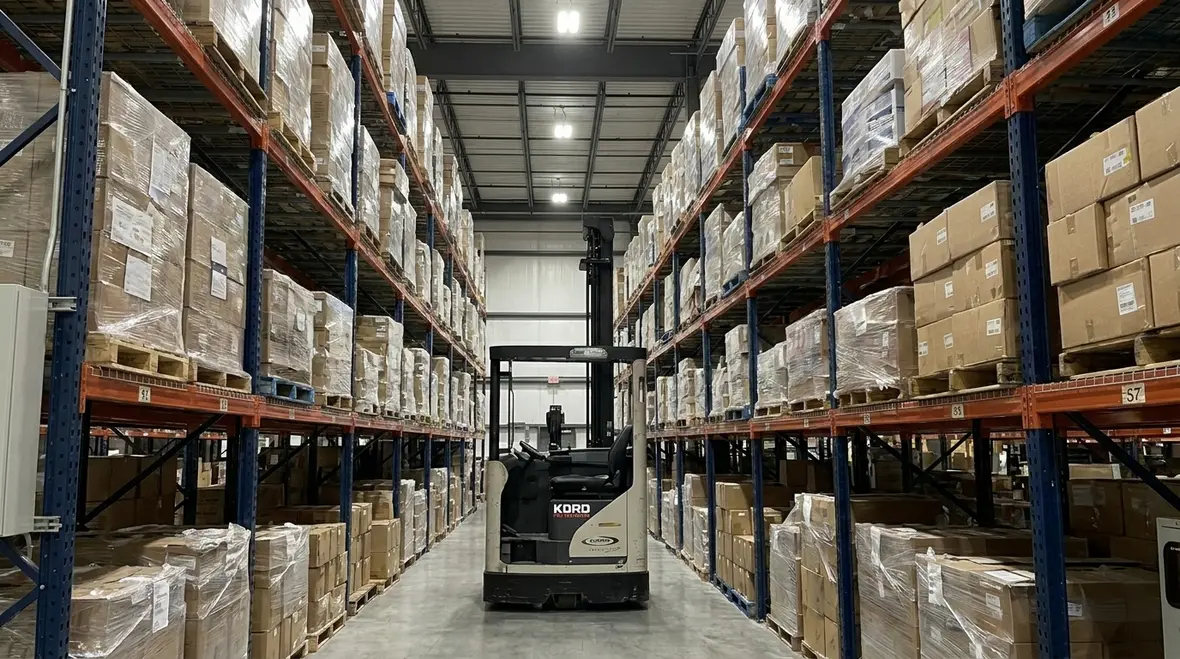
Commercial Fire Suppression Systems for High Value Storage
Quick Answer
Modern fire suppression systems protect high value storage assets by using fast detection, targeted discharge, and smart monitoring. For facilities across Australia, choosing the right agent, layout, and maintenance plan matters. Kord Fire Protection can act as a vital partner, keeping systems compliant, reliable, and ready for action when risk spikes.
High-value storage needs protection that acts fast
When a site holds expensive inventory, spare parts, records, batteries, or chemicals, fire protection can not be an afterthought. It has to be engineered, tested, and maintained with the same seriousness as the equipment the business depends on. That is where commercial fire suppression systems come in, and why many facility managers lean on modern designs instead of old, one size fits all approaches.
At the start, people often think, “Fire is rare.” Then reality shows up like a plot twist from a bad action movie. Fires still start, and they spread quickly. Meanwhile, high value storage assets need protection that reduces damage to stock, helps protect operations, and supports business continuity. Therefore, advanced systems focus on early detection, correct coverage, and controlled release of an extinguishing medium.
That same mindset also applies to the broader fire strategy around the site. Near the top of any serious conversation, it makes sense to connect suppression planning with a wider full fire protection services approach so alarms, extinguishers, pumps, and suppression are not operating like strangers at an awkward work party. When those systems support each other, response time improves and blind spots shrink.
Why the risk profile changes in storage environments
High value storage is tricky because the contents change, packaging changes, and layouts change even when the building does not. A room that once held records may now hold electronics. A rack that once held boxed goods may now hold lithium battery products that behave like they are actively auditioning for chaos. As the hazard changes, the suppression strategy may need to change with it. If the system does not evolve, it gradually becomes less matched to the real risk.
That is one reason many facilities bring in specialists early rather than waiting for a review after a scare. Kord Fire Protection’s Australia-focused compliance and readiness guidance emphasizes that when businesses modify storage layouts or upgrade services, the fire strategy should be reviewed, not assumed to still fit the site. It also highlights the value of ongoing checks for detection devices, alarms, and suppression systems so the whole protection plan stays aligned with actual operations.
How modern detection and control reduce damage
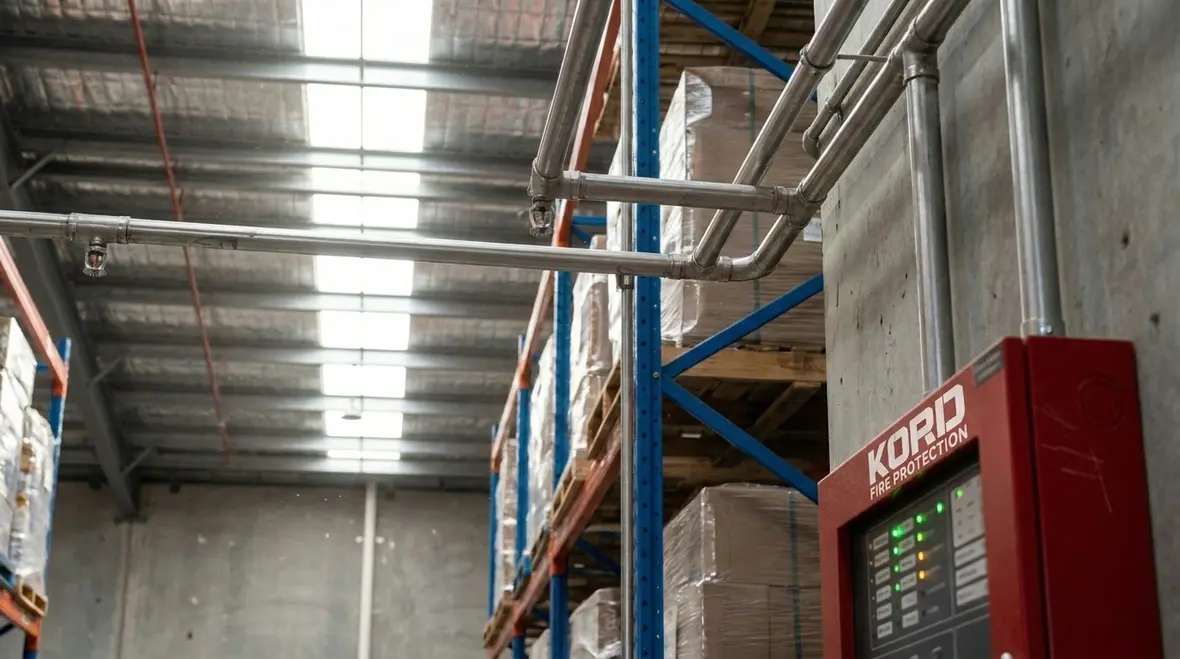
Modern systems rarely rely on a simple alarm and hope. Instead, they use integrated detection and control so crews and the system respond before flames grow. Fire panels can monitor sensors such as smoke, heat, and flame detection, and they can trigger suppression only when conditions match a fire profile.
Next, zoning improves accuracy. A facility might have aisles, racks, mezzanines, and storage rooms that hold different materials. When the system can identify the exact location, the response becomes more targeted. As a result, suppression reaches the right area and less sensitive spaces avoid unnecessary discharge.
In addition, networking and supervisory monitoring enable faster decisions. When a panel reports trouble or partial valve status, maintenance can respond earlier, instead of waiting for the next scheduled visit. That is not just convenience. It is damage prevention, plain and simple.
Smarter controls support cleaner responses
This matters most in facilities where one unnecessary discharge can create its own expensive mess. A targeted response can limit the affected area, preserve unaffected stock, and keep recovery simpler. In practical terms, that means fewer surprises for operations managers and fewer phone calls that begin with, “You are not going to love this.”
Choosing the right suppression agent for stored materials
High value storage assets often include mixed hazards. For instance, cartons and paper behave differently from plastics. Chemicals and solvents behave differently from packaging foam. Batteries behave like they are powered by chaos, because they often generate intense heat.
Therefore, the selection of suppression agent matters. Facilities typically evaluate options such as water based systems, foam, clean agents, or aerosol and inert gas approaches, based on fire load and protection goals. The goal stays consistent: control the fire fast while limiting collateral damage.
Also, the system must match the storage configuration. High rack storage can create complex airflow and heat movement. If the design ignores clearance requirements, obstructions, or the way smoke layers form, coverage can fail. A well engineered commercial fire suppression systems plan accounts for rack depth, aisle spacing, ceiling height, and ventilation patterns so the agent actually reaches where it needs to go.
Finally, facilities in Australia face real environmental factors such as heat, dust, and humidity. Those conditions influence sensor placement, piping corrosion risk, and the longevity of valves and detection devices. A competent design process considers these, and a solid installation keeps performance stable over time.
Suppression is only as strong as its support systems
Agent choice is only part of the equation. Water supply, reserve capacity, enclosure conditions, and pump performance all affect how well a system works when the pressure is on. That is why it helps to interlink suppression planning with horizontal split case pump systems where robust pump support is relevant to larger commercial and industrial protection setups. Strong discharge without dependable hydraulic support is basically a pep talk with plumbing.
Designing coverage for warehouses, retail backrooms, and industrial sites
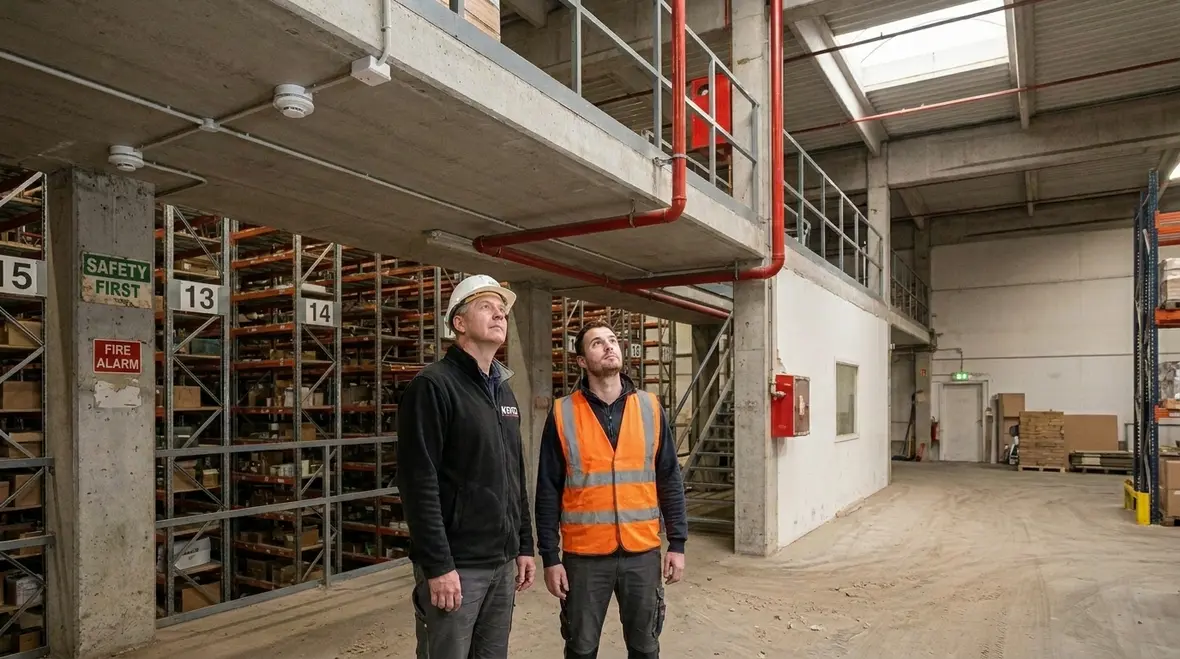
Storage assets live in many environments: warehouse bays, retail stockrooms, manufacturing staging areas, and distribution hubs. Even across the same company, the fire load can change from one area to the next. That is why good system design starts with a site assessment, not a template.
For high risk storage, coverage strategies might include:
- Zoning by hazard level so the system triggers correctly and does not over react
- Pipe routing or nozzle placement that respects rack geometry and airflow
- Discharge control that supports safe egress and staff workflows
- Ventilation awareness so smoke does not delay detection or block agent movement
- Water supply or agent reserve sizing that matches expected demand
Then, the design team connects suppression with other safeguards. That includes alarms, signage, emergency procedures, and staff training. If employees do not understand what happens during a release, the response can slow down. And if the response slows down, the fire does not care about anybody’s feelings.
In facilities where downtime is expensive, the design can also include practical maintenance access. That way, technicians can inspect and test without turning the site into a construction war zone.

Practical design avoids expensive blind spots
This is where experienced review pays off. Designs that look clean on paper can struggle once forklifts, temporary stock overflow, seasonal inventory, and ventilation realities hit the real world. Coverage has to work with the facility as it is actually used, not as an idealized diagram that has never met a rushed warehouse team during peak season.
Compliance, testing, and ongoing maintenance that keeps reliability high
Most failures do not happen on day one. They happen months later when valves stick, nozzles clog, or a detector drifts out of calibration. That is why maintenance programs matter as much as the original installation.
A strong maintenance strategy typically includes inspection, testing, and documentation. It tracks cylinder pressures or agent reserves when relevant, checks control panels, verifies detection zones, and ensures alarms and interlocks work as intended. Meanwhile, cleaning and component replacement reduce the risk of hidden issues caused by dust and everyday site activity.
In Australia, facilities also benefit from a clear compliance approach. Kord Fire Protection can help organizations stay on track by treating the system like a living asset, not a file cabinet item. They coordinate scheduled service, advise on improvements, and support records that keep audits smoother.
Here is a small joke for the engineers in the room: if maintenance is optional, then the fire suppression system has been promoted to “optional staff member.” And we all know optional staff members do not show up when the building needs them.
Commissioning and review should not be rushed
Commissioning is where the theory meets the building. It verifies that controls, detectors, discharge paths, interfaces, and notifications are behaving the way the design intended. Then regular review keeps the system aligned as stock profiles, rack layouts, and operational pressure evolve. Skipping that cycle might save time today, but it tends to create expensive drama later.
Why Kord Fire Protection becomes a vital partner
Modern protection requires more than equipment. It needs expertise across design support, commissioning, and ongoing service. Kord Fire Protection positions itself as a vital partner for businesses that hold high value inventory and cannot afford guesswork.
First, Kord Fire Protection works with facility teams to understand the actual storage workflow, hazard mix, and operational constraints. Then, it supports practical decisions that align with safety goals and business realities.
Second, the service approach focuses on reliability. That means structured inspections, testing, and timely recommendations when components show wear or when site changes increase risk. Because warehouses grow, layouts change, and new products appear, the most dangerous assumption is “nothing has changed.” In many facilities, something always changes.
Third, Kord Fire Protection helps coordinate system performance in a way that supports audits and site leadership. When documentation is complete and maintenance is consistent, managers can approve budgets with confidence instead of fear.
Implementation checklist for facilities across Australia
Facilities that want smooth rollouts should follow a clear path. The steps below help industrial, retail, and commercial sites keep projects organized and risk focused.
- Conduct a hazard and layout review for the storage area, including rack configurations and ceiling heights
- Confirm the fire load assumptions and select an agent and system type that matches the materials stored
- Design for zoning and detection placement so the system identifies the right location early
- Plan commissioning, testing, and staff orientation before the site returns to full operations
- Set a maintenance schedule with documented inspections and response criteria for faults
- Include change management for new inventory types, new storage arrangements, and site renovations
When this checklist gets used consistently, the outcome improves. Systems protect more effectively, downtime risks drop, and safety teams spend less time reacting and more time planning.
What should a facility ask during a system review?
A facility should ask about hazard coverage, agent suitability for stored materials, zoning accuracy, maintenance records, and whether any recent layout or product changes affect risk. It should also ask how detection interacts with ventilation, whether discharge would affect adjacent stock, how faults are reported, and what documentation supports future audits. Good review questions do more than confirm compliance. They reveal whether the system still fits the way the facility really operates today.
FAQ
CTA: secure protection before risk escalates
High value storage assets deserve more than basic alarms. Modern, well maintained commercial fire suppression systems can reduce damage and protect operations, but they must match the hazard and the layout. Kord Fire Protection can guide facility teams across Australia with expert review, reliable service, and practical compliance support.
Reach out today to assess current risk and plan the next steps with confidence. A well timed review now can prevent a much more expensive conversation later, and that is one meeting everyone is happy to skip.

Join Our Newsletter!
Get the latest fire safety tips delivered straight to your inbox From our Newsletter.



