Commercial Fire Pump Vibration Analysis for Early Wear
When a fire pump fails, it does not send an apology email. It just stops doing its job. That is why kord fire protection technicians often recommend a proactive approach: commercial fire pump vibration analysis used early, before wear turns into failure. In the real world, vibration data catches small mechanical shifts that typical visual checks miss, and it helps teams plan repairs at the right time, not after the system already suffers. In this article, the same logic guides the discussion from diagnosis to action, with clear steps and real-world context. And yes, there will be a little humor, because even serious equipment deserves a calm plan and not constant panic.
Why fire pump vibration signals matter for long life
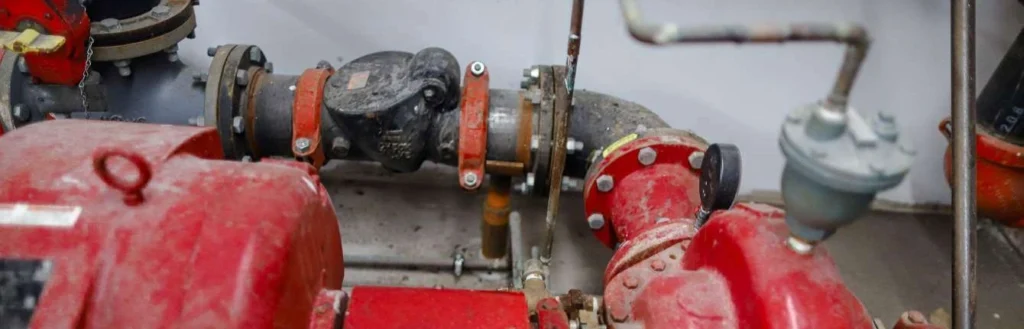
Fire pumps work in harsh conditions. They face heat, moisture, variable flow demand, and duty cycles that can be short and intense. Over time, components like bearings, seals, couplings, impellers, and motor mounts develop wear. Some of that wear changes the way the pump vibrates. Therefore, vibration analysis becomes a practical “early warning system” that supports long life.
Instead of waiting for performance loss, teams measure baseline vibration and then track changes. When the pattern shifts, technicians can link the change to likely causes. For example, misalignment often shows a specific vibration signature, while bearing damage produces its own repeatable pattern. As a result, kord fire protection technicians can move from guesswork to evidence, and evidence beats luck every single time.
Also, vibration analysis does not just tell a team that something is wrong. It helps them estimate how serious it might be and whether the issue fits the schedule for an upcoming service window.
How commercial fire pump vibration analysis works in the field
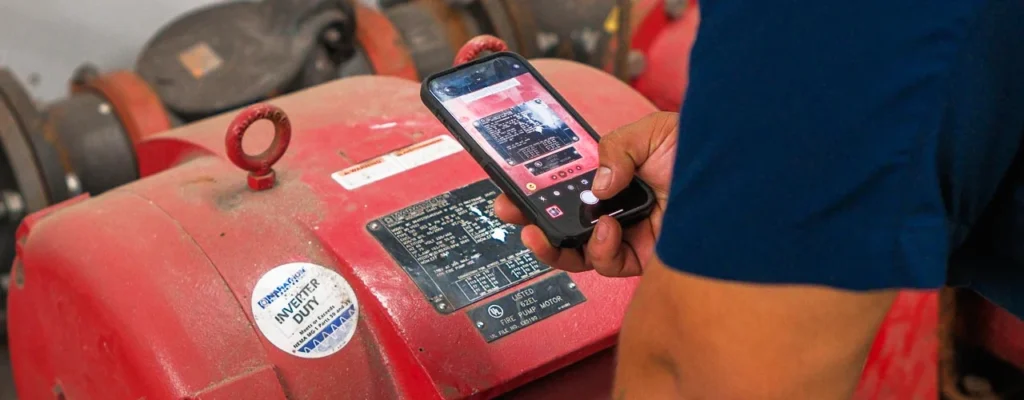
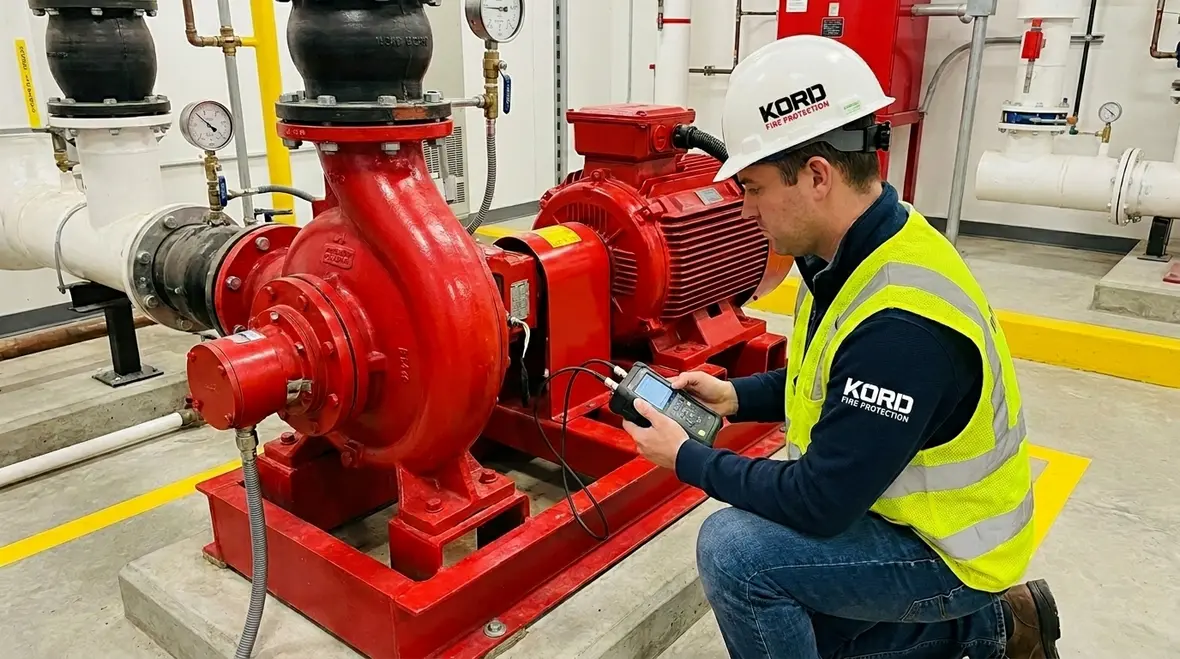
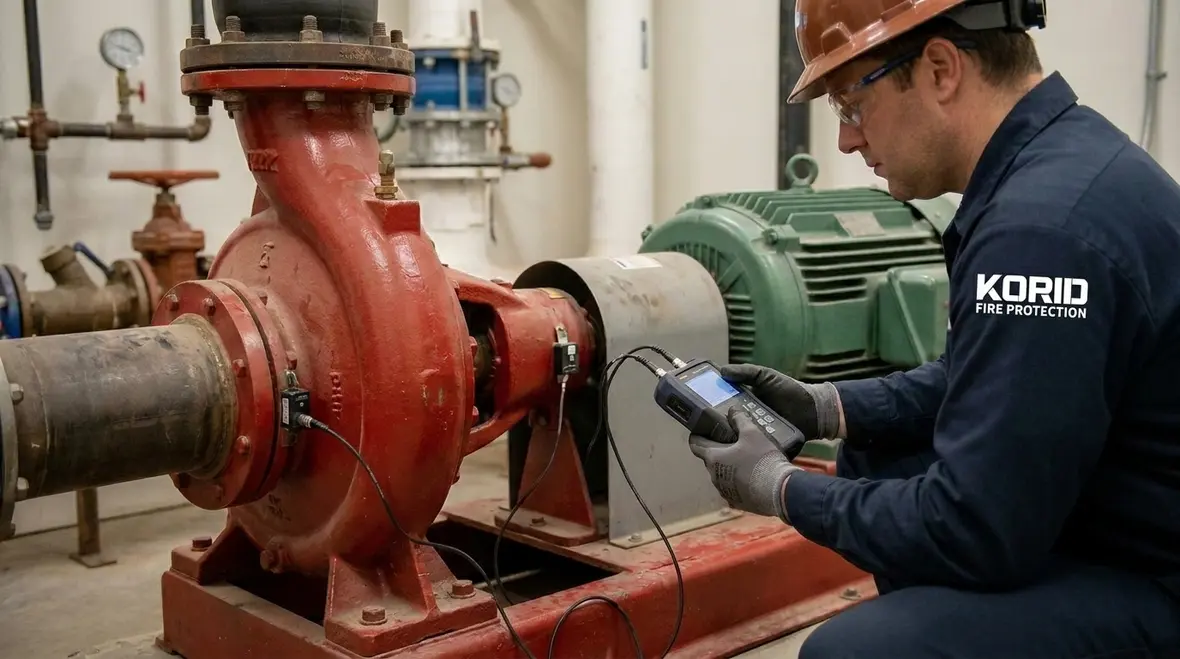
Commercial fire pump vibration analysis starts with measurement. Technicians place sensors at agreed locations on the pump and driver, often including bearing housings and near the coupling area. Then they collect data during steady operating conditions. If the site can support it, measurements during different load points help confirm whether the issue tracks with flow or speed.
Next, the technician compares the readings to a baseline or to industry guidance. Then they evaluate trends over time. This matters because one reading can look strange for short reasons like temporary flow changes. However, repeated patterns usually show true mechanical shifts. In that way, vibration analysis acts like a trusted witness who builds a case, rather than someone who makes one dramatic statement and then disappears.
Finally, the technician links vibration results to likely root causes. That link often includes supporting checks like alignment verification, inspection of coupling condition, and motor health reviews. In short, vibration analysis works best when it leads to targeted physical steps, not endless reports.
Where early wear shows up first
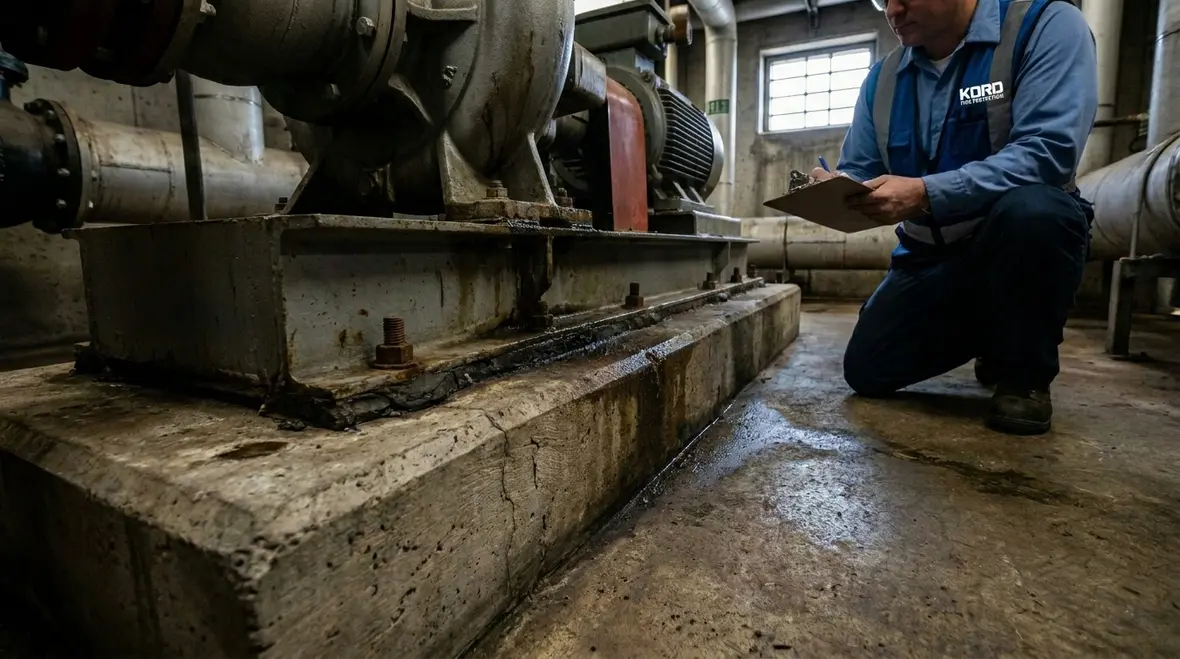
Early wear rarely attacks every part at once. Instead, it often begins in predictable zones. Kord fire protection technicians typically look for the earliest signs in areas that see the most stress and alignment sensitivity.
- Bearing housings: Small bearing defects can create higher frequency changes that show up before performance drops.
- Coupling and shaft interface: Even slight misalignment can generate vibration that builds over time, especially when the pump cycles under load.
- Foundation and mounting points: Loose anchors, degraded grouting, or fatigue in supports can amplify vibration and create new harmonics.
- Mechanical seals: Seals can wear and then change the operating pattern, sometimes tied to heat and friction changes.
- Impeller and hydraulic surfaces: Cavitation or imbalance can show up through vibration growth and frequency shifts.
When technicians catch these changes early, they can correct the cause before it turns into bigger damage. And that is the difference between a repair plan and a replacement decision that happens under pressure, like a surprise pop quiz no one studied for.
Common vibration patterns and what technicians typically suspect
Vibration analysis uses signal patterns to narrow the cause. While every site differs, certain patterns commonly align with specific issues. Therefore, technicians interpret the “shape” of the data, not just the overall number.
- Misalignment and looseness: Often shows at frequencies tied to shaft speed and may appear as a repeating rise across directions.
- Bearing defects: Frequently presents as fault-related frequencies and harmonics that grow with time.
- Imbalance: Tends to create a stronger response at running speed and show consistent behavior during rotation.
- Hydraulic issues: May cause vibration tied to flow changes, and it can reflect pump operation beyond just mechanical wear.
- Resonance and structural looseness: Can show amplification that appears at certain speeds and conditions.
Then, kord fire protection technicians confirm the theory through focused checks. For example, if data suggests misalignment, technicians verify coupling alignment and inspect wear marks. If bearing damage appears likely, they check bearing condition and plan a bearing service before it cascades into shaft or seal damage.
This approach keeps the work grounded. It also prevents teams from chasing the loudest symptom, since the loudest vibration does not always mean the worst underlying problem.
Building a vibration baseline and a monitoring schedule
A strong program depends on a baseline. During commissioning or after a major repair, technicians record initial data under stable conditions. Then they set a plan for follow up measurements.
In many facilities, monitoring takes one of two practical paths. First, they run scheduled readings based on risk and duty cycles. Second, they trigger extra checks after events like pump servicing, coupling replacement, anchor work, or motor maintenance. As a result, commercial fire pump vibration analysis becomes part of the lifecycle, not an occasional reaction.
A reasonable schedule often includes:
- Initial baseline right after installation or major repair
- Short term verification after the system settles into normal operation
- Periodic monitoring aligned with inspection plans and risk level
- Event driven checks after repairs, shutdowns, or changes in operating behavior
Also, technicians document operating conditions during each data capture. That includes speed, flow demand, and any unusual system states. This record helps explain why vibration may shift even when hardware stays stable. In other words, the program avoids “data drama” by keeping context in the file.
How to translate vibration findings into repair actions
Data without action becomes clutter. Good vibration analysis ends with clear next steps. Kord fire protection technicians typically follow a decision flow that connects the vibration results to repair urgency.
First, they classify the severity based on the trend and pattern match. Then they decide whether the issue needs immediate attention or can wait for the next service window. Meanwhile, they plan the inspection steps that best test the root cause, such as coupling alignment checks, bearing inspection, or foundation review.
Next, they verify that the repair actually fixed the problem. For example, if a team realigns a coupling, they remeasure vibration afterward. If they replace a bearing, they check that the fault frequencies reduce and that the baseline returns. Therefore, the program closes the loop rather than leaving the team to hope the problem is gone.
Finally, they update the maintenance strategy. If repeated vibration patterns show up, the site might need schedule changes, component upgrades, or improved installation practices. This is where commercial fire pump vibration analysis earns its keep as a long term asset, not a line item.
How vibration analysis supports compliance and readiness
Fire pumps must stay ready. When teams delay maintenance, they increase risk. When they plan it early, they reduce risk and support smoother inspections. Vibration analysis supports this by providing documentation of equipment condition over time. That documentation helps show that the facility manages mechanical health actively.
Also, because fire pump reliability impacts life safety, teams benefit from a clear method that does not rely on subjective impressions. Vibration monitoring creates an objective record. It helps technicians demonstrate that they detected early wear signals, then took reasonable steps to address them.
In practice, this can support internal maintenance planning and emergency readiness. It also helps keep repair work focused, since the program points to probable causes before parts fail. And if you have ever watched a chain reaction start with a small problem, you know why early detection matters. Fire pump systems do not run on courage. They run on condition.
FAQ
Next steps for safer, longer running fire pumps
Early wear does not wait for a convenient schedule, and neither should maintenance. A facility that uses commercial fire pump vibration analysis with a clear baseline and action plan can reduce unexpected downtime and protect life safety. kord fire protection technicians can review your pump history, set sensible monitoring intervals, and translate vibration findings into repairs that actually fix the root cause. If your fire pumps have not had vibration monitoring in a while, it is time to get ahead of wear. Reach out to schedule an assessment and build your program.
If you want the bigger picture of how Kord handles the full calendar for fire sprinkler, alarm, extinguisher, and fire pump work, start with https://kordfire.com/full-fire-protection-services/.
What you get with early vibration checks
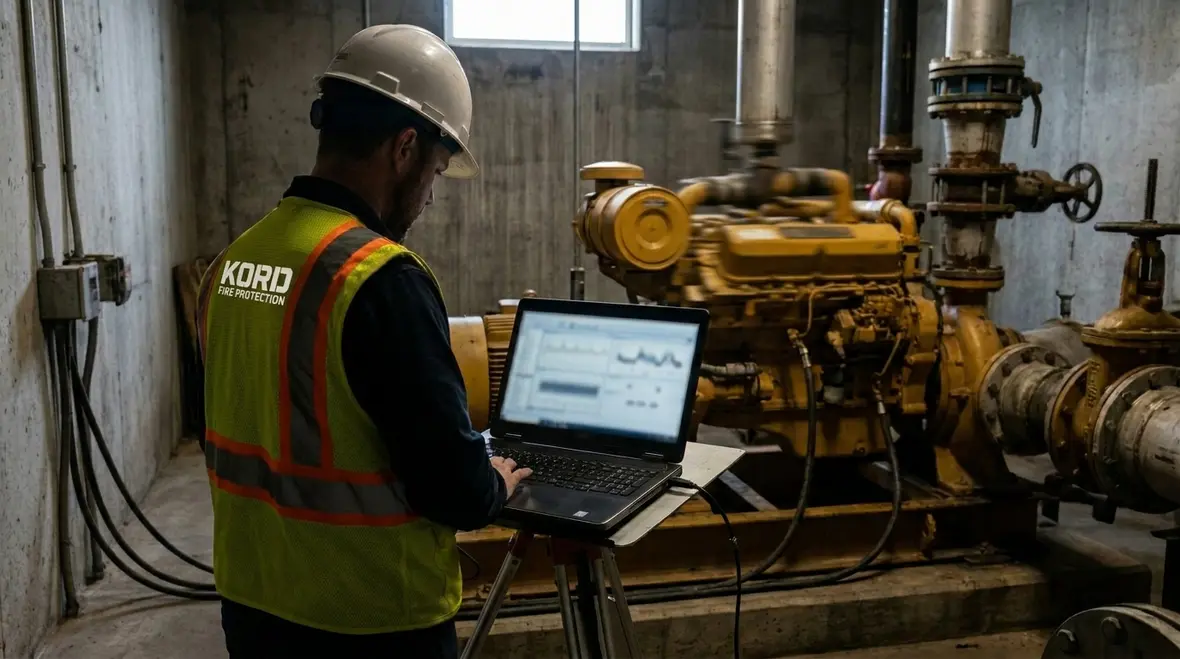
A calm, evidence-based workflow: baseline data, trend tracking, and targeted inspections that fix the likely root cause instead of guessing after the damage is already done.
- Early wear detection in bearings, couplings, and mounting points
- Clear severity decisions for repair timing
- Documentation that supports readiness and compliance
Next action: schedule an assessment
If your fire pumps haven’t had vibration monitoring in a while, now is the moment to get ahead of wear. Kord can review your pump history, set sensible intervals, and translate findings into repair actions your team can actually execute.
Know Your Weapon Before You Fight the Flame
Kord Fire Protection is your go-to when it comes to all things fire protection. For over 20 years, we’ve been serving Southern California with the quality service and equipment to keep your home or business safe at all times. Our competitive prices reflect our unwavering commitment to protecting what matters most in the event of a fire emergency. Give us a call, send an email, or use that form!

Join Our Newsletter!
Get the latest fire safety tips delivered straight to your inbox From our Newsletter.