Commercial Fire Alarm Wiring Standards in Australia
Quick Answer: Commercial fire alarm wiring infrastructure succeeds when teams plan zones early, follow clear circuit separation, use properly rated cable, and document everything. They also test and maintain the system through each construction phase. Kord Fire Protection can act as a vital partner, keeping installs code-ready and operational.
In Australia, dependable life safety systems start long before the control panel gets powered up. They begin with strong fire alarm wiring standards that guide how circuits run, how zones communicate, and how field devices stay reliable in tough environments. Kord Fire Protection’s approach supports this job from planning through commissioning, because wiring is not just “getting cables from point A to point B.” It is the nervous system of the entire safety strategy, and if it is treated like afterthought, the building will pay for it later. And nobody wants that bill, especially not when the alarm decides to be dramatic at 2 a.m.
For facility teams that also need broader site support, Kord Fire Protection offers industry fire protection services that fit naturally alongside alarm planning, inspections, and commissioning coordination.
Plan the infrastructure before the first cable drops
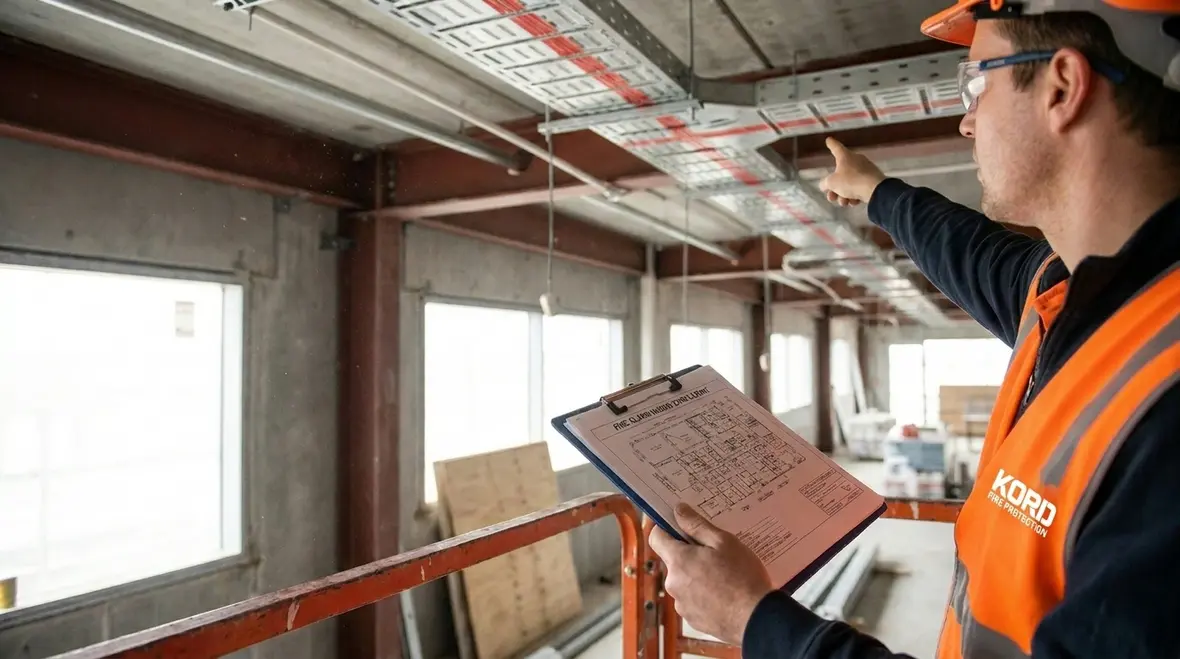
When teams start planning early, the project avoids chaos later. They map the building’s layout, expected occupancy patterns, and fire compartment boundaries, then translate that into zones and device locations. Next, they decide how the system will run through ceilings, risers, and plant rooms, including pathways that protect cable from heat, moisture, and mechanical damage.
To keep work smooth, they also define design intent and install constraints upfront. For example, they confirm ceiling type, cable tray availability, and access panels, and they align wiring routes with other trades. After that, they set practical rules for cable dressing, bends, and support spacing. This reduces rework and protects performance.
Finally, they document the wiring plan. That means labeling, as-builts, and a clear record of circuits and device addresses. This is not paperwork for its own sake. It becomes a reliable map for commissioning, fault finding, and future upgrades.
Early coordination makes every later phase less painful
That early coordination matters even more on busy commercial jobs where the ceiling space becomes a shared battleground. Mechanical, electrical, hydraulic, data, and security trades all want the same clean pathway, and none of them want to be the crew that reroutes at the last minute. If fire alarm routes are planned early, installers avoid awkward squeezes, sharp bends, and those suspicious “temporary” detours that somehow stay forever.
Choose cable types and ratings that match the building reality
Commercial sites in Australia can include warehouses, retail fit outs, offices, and plant-linked facilities. These spaces differ in heat exposure, humidity, vibration, and maintenance access. Therefore, teams select cables based on environmental conditions and the system requirements, while still aligning with approved fire alarm wiring standards for performance and survivability.
They also pay attention to voltage drop, conductor size, and insulation type, because weak power margins can cause nuisance behaviour or delayed reporting. If the cable does not match the load, the panel can only do so much. It cannot “magic” a bad install into a good one.
Moreover, teams ensure cable is properly segregated from non fire services to reduce interference and reduce the chance that fault conditions transfer across circuits. They also plan for future devices by leaving enough capacity in trays and conduits. That future expansion should feel like adding parts to a machine, not like rebuilding the machine from scratch.
Cable selection is really a reliability decision
It is tempting to think of cable choice as a box-ticking exercise, but in practice it is a reliability decision that shows up years later. The right cable helps the system stay readable, stable, and serviceable under real conditions. The wrong cable can turn minor site stress into recurring false alarms, strange faults, and endless “we only see it sometimes” troubleshooting sessions that eat everyone’s afternoon.
Separate circuits and reduce interference across trades
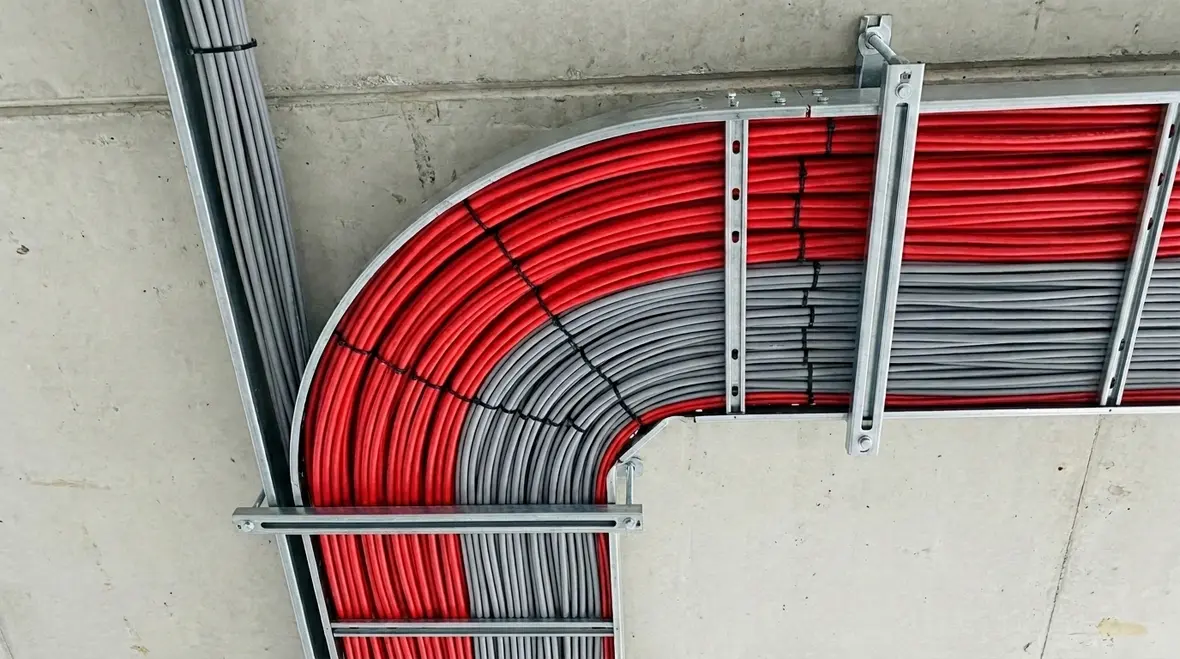
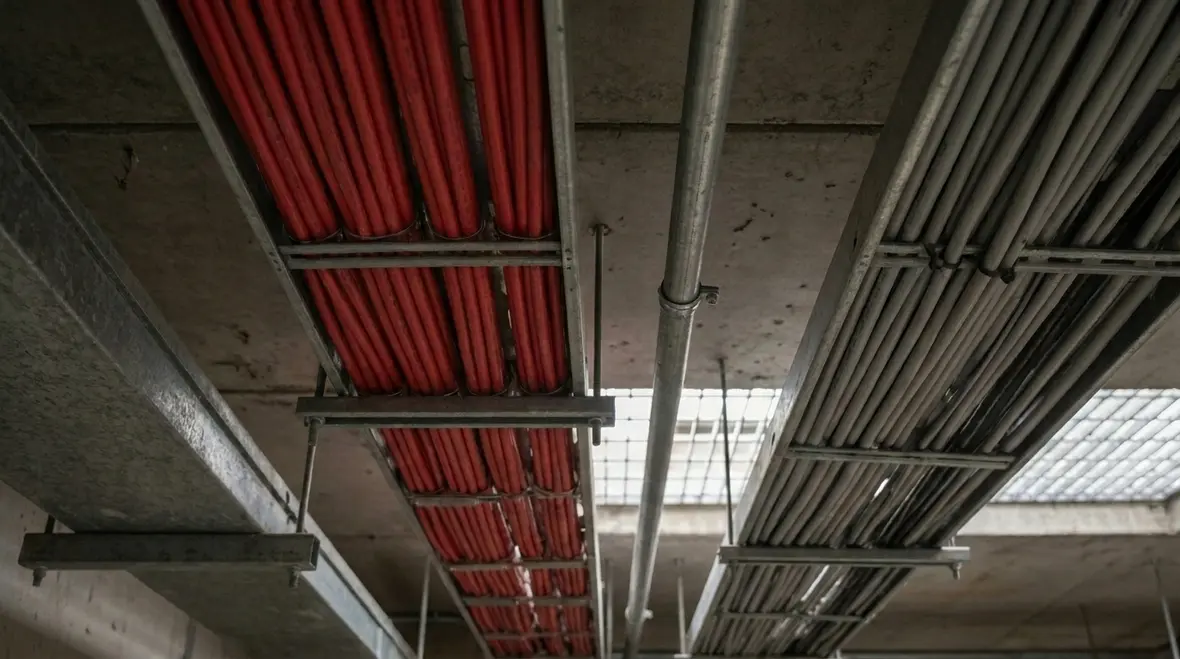
In multi-service buildings, fire alarm cables share space with power, data, and security wiring. Consequently, the infrastructure needs disciplined separation. Teams route fire alarm circuits to avoid crossing heavy power runs where possible, and they maintain safe spacing and proper grouping. When they do need to cross, they follow approved methods and consistent practices.
They also handle cable identification clearly. Good marking prevents mistakes during pull-in and termination, which reduces commissioning delays. Then they ensure connectors, glands, and terminations meet expectations for durability. If a connection loosens due to poor workmanship, a “normally fine” system becomes a recurring service call.
As projects move through construction stages, they keep the install tidy and repeatable. Better labeling and neat dressing also help maintenance teams. In the real world, maintenance teams will thank the installer, and the installer will sleep better. That is a rare win-win.
Neat work is not cosmetic, it is operational
A neat install is not just there to impress someone during handover photos. Clean routing, visible labels, and disciplined separation make the system easier to test, repair, expand, and trust. When a technician opens a panel or ceiling void months later, clarity saves time. Confusion does the opposite, usually while someone nearby keeps asking for updates every seven minutes.
Build reliable pathways: trays, conduits, and device mounting
Good pathways protect the cables and keep access manageable. Teams plan cable runs using trays, conduits, and wall or ceiling pathways suited to the application. They choose support spacing, anchor methods, and cable routing that prevent sag, chafing, and strain at terminations.
They also consider how devices mount in the field. Smoke alarms, heat detectors, call points, and sounders all need correct positioning and stable mounting. If the mount shifts, the device might still look “installed,” but it will not perform as intended. And if the ceiling tiles move or the environment is dusty, wiring and junction discipline must keep up.
To keep the installation safe and consistent, teams follow a structured method for junction points. They ensure junctions meet the approved requirements, keep them accessible where needed, and avoid ad hoc branching that complicates later troubleshooting. That way, faults can be located quickly, without sending someone on a scavenger hunt through a ceiling labyrinth.
Pathways decide whether maintenance feels simple or painful
This is where good installation habits quietly pay off. Accessible junctions, logical routes, and secure mounting give maintenance teams a fighting chance when testing or troubleshooting starts. Poor pathways do the opposite. They turn a normal service call into a ceiling expedition with dust, guesswork, and at least one person saying, “Who ran this?” in a very specific tone.
Commissioning, documentation, and maintenance readiness
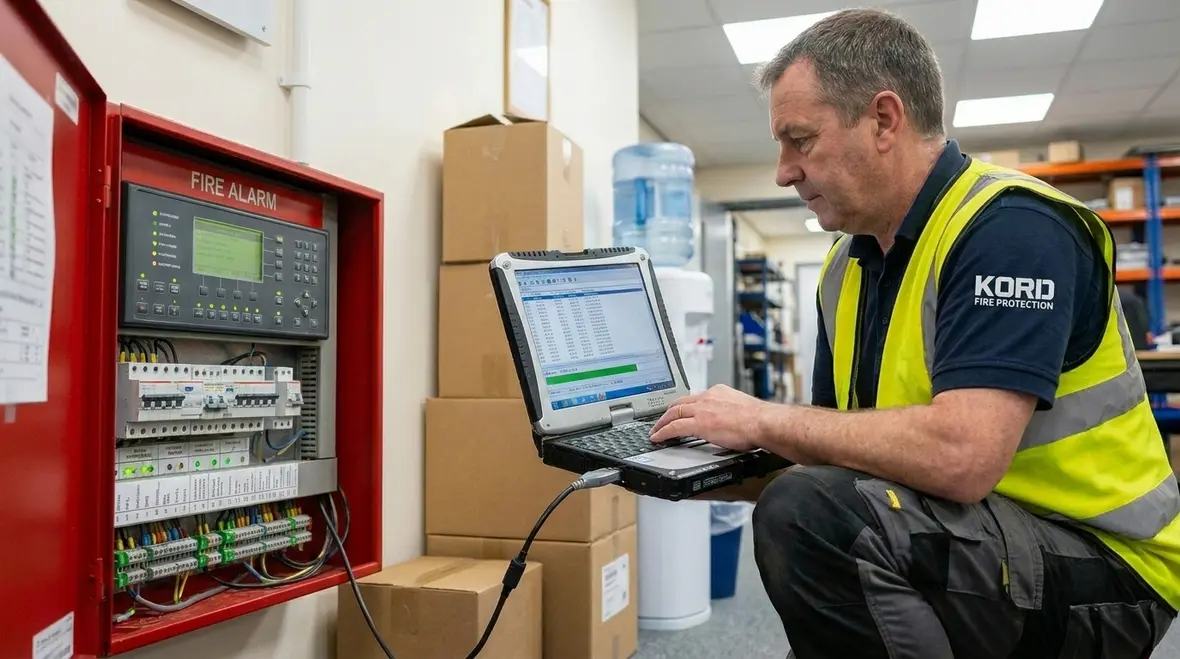
Even the best wiring can fail when the project skips commissioning discipline. Therefore, teams verify circuit continuity, insulation integrity, polarity, and device addressing before handover. They also confirm alarm input and output behaviours through staged testing, then record results.
Documentation matters because it turns the system into an understandable asset. Teams provide as-built wiring diagrams, device address lists, and labeling that matches the panel programming. Next, they compile a maintenance summary that tells facilities staff what was installed, where it runs, and how to identify circuits. This reduces downtime and speeds up future testing.
Finally, they plan for change. Retail fit outs and facility upgrades happen. When upgrades arrive, a documented wiring backbone prevents “mystery wiring” and reduces the risk of accidental faults during modifications.
How Kord Fire Protection becomes a vital partner on wiring jobs
Commercial fire alarm wiring is not just a technical task. It is a coordination task. Kord Fire Protection can support this service/job as a vital partner by aligning design intent with installation practice, then guiding teams through verification and commissioning. That partnership matters because the wiring approach must match the intended system behaviour, not just look neat on site.
Practically, Kord can help facilities and contractors by strengthening the handover package, improving test readiness, and supporting consistent standards across multi-trade projects. If the job spans multiple precincts or similar sites across Australia, that consistency becomes a real advantage. It reduces variation, improves repeatability, and helps the building’s safety strategy stay stable over time.
And yes, it also reduces the “last-minute panic power walk” that happens when someone discovers an address mismatch in the final hours. Kord helps teams avoid that style of comedy, because the punchline is never funny when the building is waiting.
| Wiring Stage | What to Verify |
Layout and zoning | Device locations, loop design, compartment intent, and pathway feasibility |
Cable routing and segregation | Separation from other services, cable support integrity, and routing discipline |
Termination quality | Correct polarity, secure terminations, labeling that matches drawings |
Commissioning readiness | Continuity, insulation checks, staged functional testing, and records |
Frequently asked questions about commercial fire alarm wiring
Final takeaway and next step for facilities in Australia
Commercial fire alarm wiring infrastructure works best when teams plan zones early, select correctly rated cables, route with disciplined segregation, and commission with real verification. Kord Fire Protection can support this job as a vital partner, helping the site move from “installed” to truly operational with strong documentation and test readiness.
If a new build, upgrade, or retest is on the calendar, reach out to Kord Fire Protection and get the wiring backbone right the first time. Teams that invest in clean planning and disciplined execution now usually save themselves from expensive confusion later, which is a very polite way of saying fewer headaches for everyone.

Join Our Newsletter!
Get the latest fire safety tips delivered straight to your inbox From our Newsletter.