CO2 Extinguisher Applications for Santa Monica Offices
In busy workplaces from coastal tech suites to downtown retail floors, fire safety is not a side note. It is the quiet guardian in the corner. Many property managers seeking CO2 extinguisher applications Santa Monica offices and portable fire extinguisher guidance Orange County businesses often start with one simple question. Which extinguisher works best for electrical equipment and sensitive commercial environments? The answer, more often than not, is the carbon dioxide unit. And as Kord Fire Protection technicians calmly explain during on site consultations, the right extinguisher does more than put out flames. It protects assets, data, and peace of mind.
So let us take a steady walk through how carbon dioxide fire extinguishers serve commercial spaces, why they matter, and how to use them wisely. Think of it as fire safety with a steady voice in the background, minus the dramatic movie soundtrack.
Understanding Carbon Dioxide Fire Extinguishers in Commercial Spaces
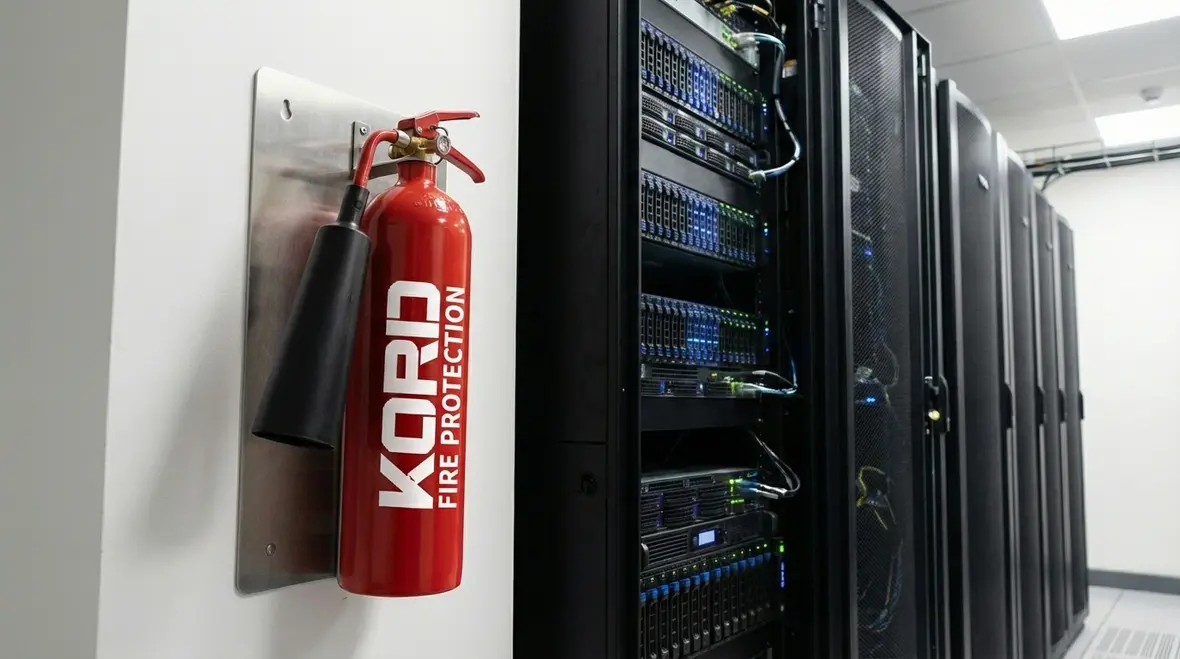
Carbon dioxide fire extinguishers work by removing oxygen from the fire triangle. Without oxygen, flames simply cannot survive. In addition, the cold discharge cools the burning material, which slows re ignition. Unlike water based systems, CO2 leaves no residue behind. That single fact makes facilities managers breathe a little easier.
In offices filled with computers, servers, printers, and wiring, residue can cause as much trouble as the fire itself. Water may save the day but ruin the electronics. Dry chemical agents can leave powder in every corner, which then requires hours of cleaning. However, CO2 evaporates into the air after discharge. It does its job and exits quietly, like a professional who knows not to linger.
Kord Fire Protection technicians often point out that these extinguishers are especially effective on Class B and Class C fires. That means flammable liquids and energized electrical equipment. In commercial settings, those two categories appear more often than many people realize. From break room appliances to IT closets, risk hides in plain sight.
Moreover, carbon dioxide extinguishers come with a distinct horn shaped nozzle. This design helps control the gas release and protects the user from extreme cold. Yes, extreme cold. The discharge can be so frigid that touching the horn incorrectly could cause injury. As the technicians gently remind clients, fire safety is serious business, not a magic trick.
Where CO2 Extinguishers Fit in Modern Office Environments
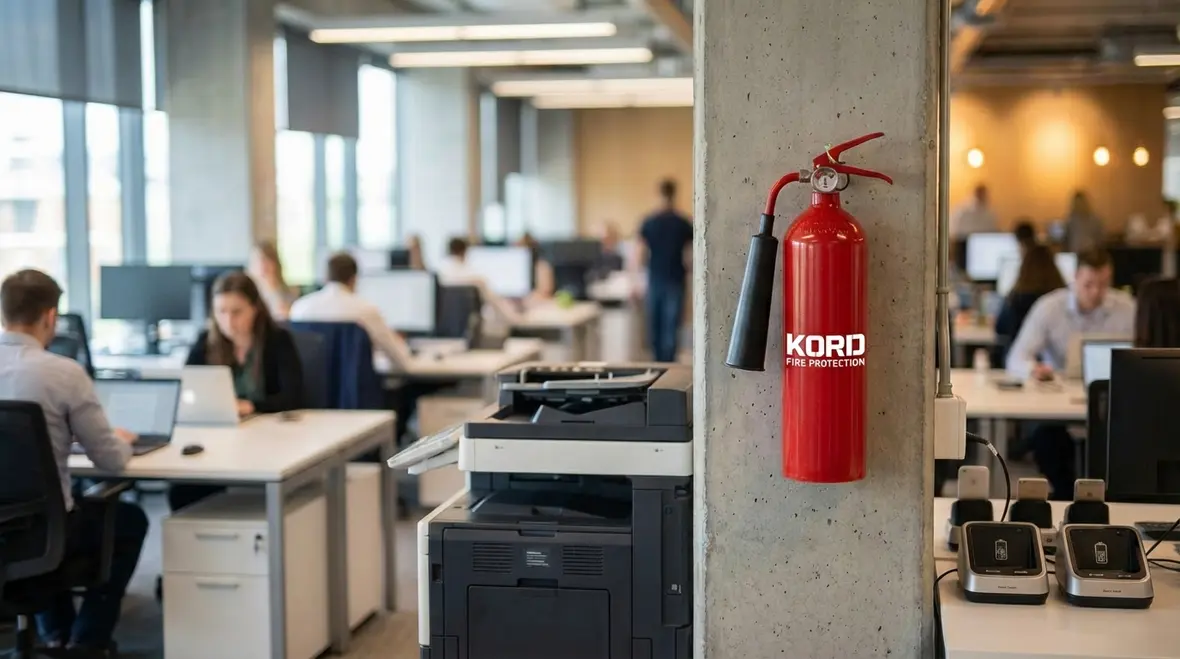
Modern offices look more like technology hubs than paper pushing rooms of the past. With open floor plans, charging stations, and high powered equipment, electrical loads have increased. Consequently, so has the risk profile.
In spaces that focus on CO2 extinguisher applications Santa Monica offices, property managers often install units near:
- Server rooms
- Copy and print stations
- Electrical panels
- Commercial kitchens with electrical appliances
Because CO2 does not conduct electricity, it allows trained staff to address a fire without increasing shock risk. That said, it is not designed for deep seated Class A fires such as wood framing or heavy paper storage. Therefore, a balanced fire protection plan may include multiple extinguisher types. For code based layout and travel distance details, many managers also review resources like the NFPA 10 portable fire extinguisher guidelines from Kord Fire.
Kord Fire Protection technicians frequently assess layout, square footage, and equipment density before recommending placement. They also consider local codes and inspection standards. After all, an extinguisher tucked behind a decorative plant is about as helpful as a superhero stuck in traffic.
Furthermore, clear signage and unobstructed access are vital. An extinguisher hidden behind office furniture does not inspire confidence. In fact, during inspections, technicians often move units to more visible locations. They explain that in an emergency, seconds matter. Searching for equipment wastes precious time.
How Do CO2 Extinguishers Compare to Other Types?
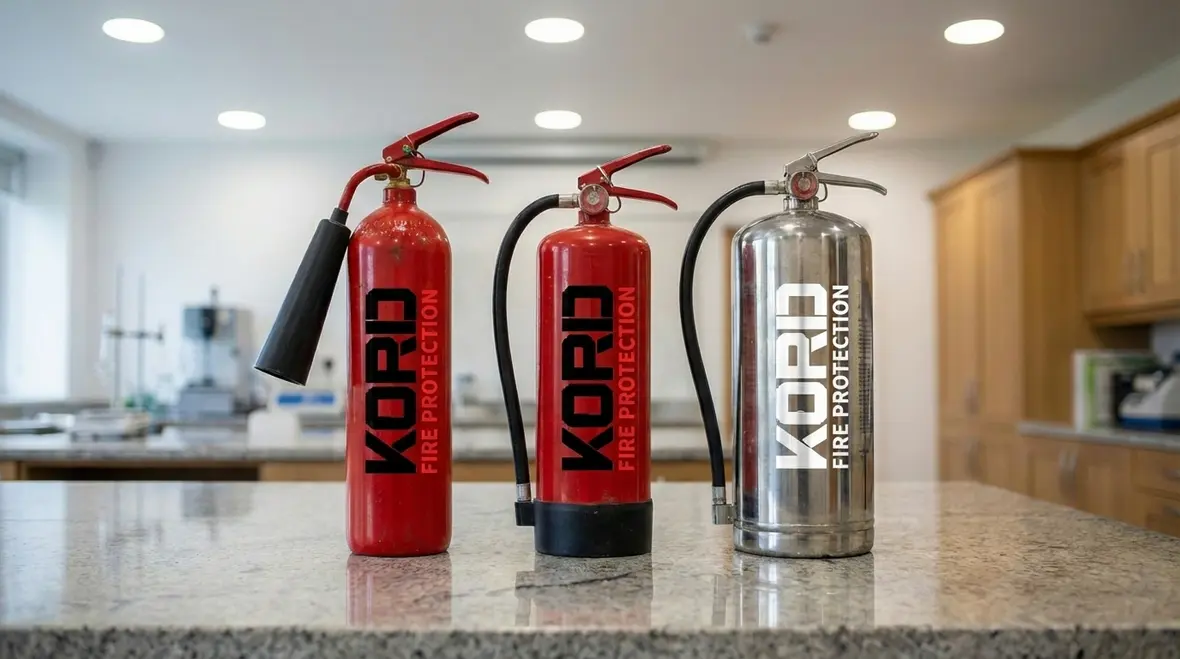
When commercial clients ask for portable fire extinguisher guidance Orange County businesses, comparison becomes essential. Not every extinguisher suits every hazard. Choosing wisely avoids costly mistakes.
Below is a clear side by side view of how carbon dioxide units differ from other common types.
While dry chemical extinguishers cover more fire classes, they leave behind a fine dust. That dust can damage electronics and require deep cleaning. On the other hand, CO2 keeps sensitive equipment intact. However, it does not penetrate porous materials well. Therefore, it may not fully extinguish certain materials that can reignite.
Kord Fire Protection technicians often explain this balance during safety briefings. They do not push a one size fits all solution. Instead, they guide business owners toward layered protection. It is a bit like building a good playlist. One song rarely fits every mood.

Proper Placement and Code Compliance for Commercial Properties
Correct placement is not guesswork. Fire codes outline distance requirements, visibility standards, and mounting heights. Consequently, businesses must align with local and state regulations.
For those exploring CO2 extinguisher applications Santa Monica offices, technicians review occupancy type and hazard classification. Then they calculate travel distance. In many cases, occupants should not travel more than a set number of feet to reach an extinguisher. Clear paths must remain free of obstacles.
Similarly, companies requesting portable fire extinguisher guidance Orange County businesses often receive a full site survey. During this process, Kord Fire Protection technicians:
- Evaluate electrical load areas
- Identify flammable liquid storage
- Review kitchen or break room equipment
- Confirm mounting height and bracket stability
- Ensure proper labeling and inspection tags
In addition, technicians check inspection intervals. Monthly visual inspections and annual professional servicing remain standard practice. Without proper maintenance, even the best equipment becomes unreliable. And no one wants to discover a faulty extinguisher in the middle of an emergency. For a deeper dive into inspection routines, many businesses lean on Kord Fire’s monthly and annual fire extinguisher service guide.
Moreover, clear training supports compliance. Regulations often require documented employee instruction. A quick overview during orientation can make a meaningful difference. When staff understand how and when to use a CO2 unit, they respond with greater confidence.
Training Staff to Use CO2 Units with Confidence
Even the finest extinguisher accomplishes little without trained hands. Therefore, staff education stands at the heart of effective fire response.
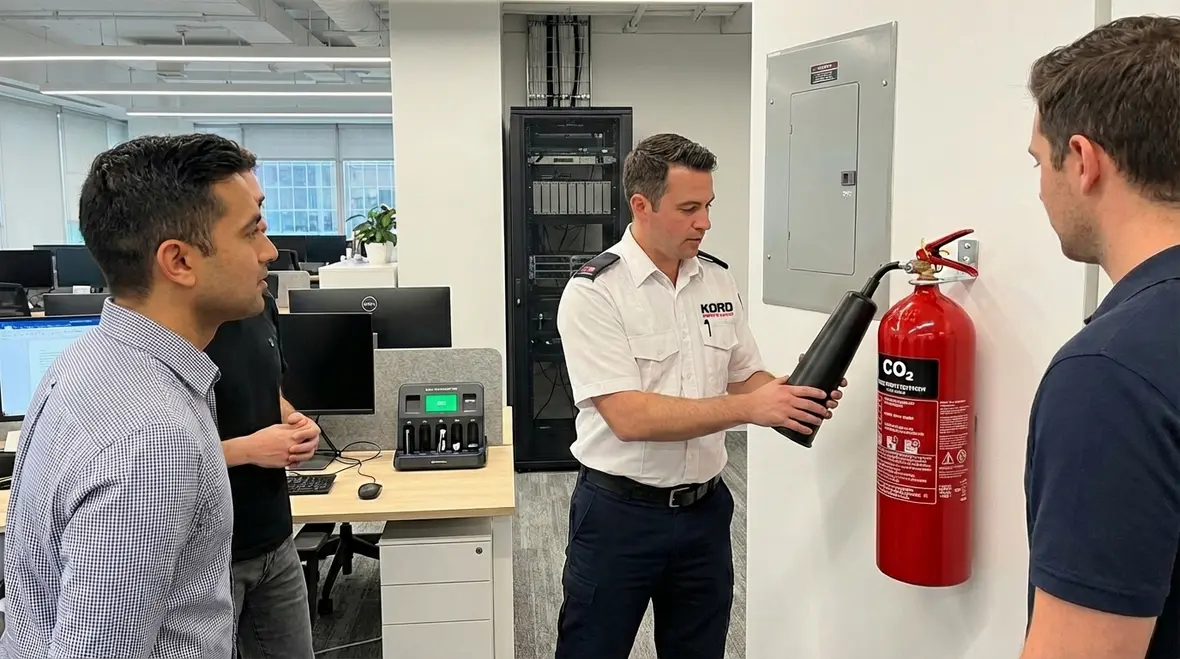
Kord Fire Protection technicians commonly teach the PASS method. Pull the pin. Aim at the base of the fire. Squeeze the handle. Sweep side to side. It sounds simple, and it is. However, repetition builds calm under pressure.
During training sessions, technicians also explain the unique behavior of carbon dioxide discharge. The horn becomes extremely cold. Thus, users must grip the insulated handle only. In addition, they emphasize maintaining a safe distance from the fire while ensuring adequate ventilation. Because CO2 displaces oxygen, confined spaces require caution.
Furthermore, technicians clarify when not to use the extinguisher. If flames grow beyond early stage control, evacuation becomes the priority. Fire extinguishers are first response tools, not heroic movie props. Although action films suggest otherwise, most safety plans value controlled response over dramatic flair.
By conducting routine drills, businesses reinforce muscle memory. As a result, employees react more smoothly. And when people feel prepared, panic loses its grip.
Maintenance, Inspection, and Long Term Reliability
Carbon dioxide extinguishers demand consistent care. While they appear simple, internal pressure and valve integrity require regular checks.
Kord Fire Protection technicians perform annual inspections that include:
- Weighing the cylinder to confirm proper charge
- Examining the hose and horn for cracks
- Checking tamper seals and safety pins
- Reviewing hydrostatic test dates
Additionally, hydrostatic testing at required intervals ensures the cylinder withstands pressure safely. Over time, metal fatigue can develop. Testing confirms structural strength. Therefore, businesses protect both property and personnel.
In coastal regions, salt air may accelerate corrosion. Consequently, technicians often recommend more vigilant monitoring for offices near the ocean. Attention to detail prevents unpleasant surprises.
Moreover, documentation supports insurance and regulatory compliance. Inspection tags and service reports provide a clear history. In the event of an incident, accurate records demonstrate responsible management.
Integrating CO2 Extinguishers into a Broader Fire Protection Strategy
No single device forms a complete fire protection system. Instead, layered defense offers the strongest safeguard. Carbon dioxide extinguishers play a focused role within that larger plan.
For example, offices may combine:
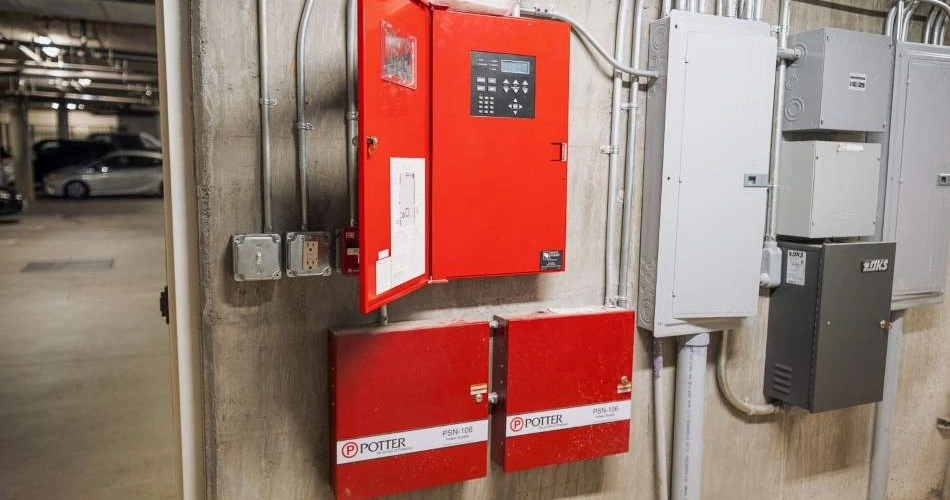
- Automatic fire alarm systems
- Sprinkler protection
- Emergency lighting
- Clearly marked exits
- Multiple extinguisher types
When businesses seek portable fire extinguisher guidance Orange County businesses, they often discover that integration matters as much as equipment choice. Kord Fire Protection technicians evaluate how each element supports the others. If alarms trigger early warning, staff gain valuable seconds. If sprinklers control growth, extinguishers can handle smaller flare ups.
Additionally, risk assessments evolve as businesses grow. New equipment, renovations, or layout changes may alter hazard levels. Therefore, periodic reassessment ensures protection remains aligned with actual conditions.
In essence, carbon dioxide extinguishers serve as precise tools within a well coordinated safety orchestra. And like any good orchestra, harmony depends on preparation.
Frequently Asked Questions
Secure Your Business with Expert Support
Fire safety does not reward guesswork. It rewards preparation. Businesses seeking reliable CO2 extinguisher applications Santa Monica offices or dependable portable fire extinguisher guidance Orange County businesses can rely on experienced professionals to assess, install, and maintain the right equipment. Kord Fire Protection technicians stand ready to evaluate risks and provide clear direction.
To go beyond individual extinguishers and build a coordinated plan, you can explore Kord Fire’s dedicated fire extinguisher service options or request full Orange County fire protection services tailored to your building. Schedule a consultation today and ensure every corner of the workplace remains protected, prepared, and confidently compliant.
Know Your Weapon Before You Fight the Flame
Kord Fire Protection is your go-to when it comes to all things fire protection. For over 20 years, we’ve been serving Southern California with the quality service and equipment to keep your home or business safe at all times. Our competitive prices reflect our unwavering commitment to protecting what matters most in the event of a fire emergency. Give us a call, send an email, or use that form!

Join Our Newsletter!
Get the latest fire safety tips delivered straight to your inbox From our Newsletter.