NFPA 52 Section 15.5: Operations and Maintenance Programs for LNG Facilities
Quick Answer: NFPA 52 Section 15.5 requires LNG facility operators to implement documented operations and maintenance programs that support safe design intent. These programs cover procedures, inspections, testing, recordkeeping, training, and corrective actions to manage hazards over the facility life cycle.
For a practical example of how compliance-focused fire protection support fits into industrial environments, see industry fire protection services.
Why Section 15.5 matters for a real LNG hazard profile
Section 15.5 focuses on whether an LNG facility continues to operate as intended after construction and commissioning. For commercial and industrial operators, the risk does not come only from equipment failure. It also comes from drift in operating practices, incomplete maintenance, weak corrective action, and inadequate verification that safety systems perform as designed.
In practice, the NFPA 52 LNG facility operations maintenance program becomes the facility’s evidence package. Regulators, insurers, and internal audits evaluate whether the facility can demonstrate operational discipline across changing staffing, evolving operating conditions, seasonal demand, and equipment aging.
What an effective NFPA 52 LNG operations and maintenance program includes
An operations and maintenance program under Section 15.5 typically functions as a controlled system that links hazard analysis to day to day work. The core goal is to prevent degradation of LNG process equipment, life safety systems, and protective features.
1) Documented procedures that match the facility’s design intent
Procedures should exist for normal operation and for anticipated deviations. They commonly include startup and shutdown steps, planned operating limits, cooldown and warmup controls, venting and purge practices, and response actions for abnormal conditions. For LNG facilities, procedures should address cold exposure risks, material compatibility, and safe handling practices for cryogenic liquids and associated vapor systems.
2) Planned inspections and testing for safety critical components
Section 15.5 programs rely on scheduled inspection and performance verification. The facility needs defined criteria for “what is inspected,” “how it is inspected,” “how often,” and “what constitutes acceptable condition.” Testing frequency should reflect equipment criticality, operating environment, historical reliability, and manufacturer guidance.
3) Competency and training tied to scope and hazards
Training must support the personnel tasks that affect safety. This often includes cryogenic safety awareness, emergency response familiarity, permit to work controls, lockout tagout processes, and specific competency requirements for operating and maintaining key systems. A common compliance weakness involves training that is present but not mapped to specific duties and hazard controls.
4) Corrective action and feedback loops
Inspection results must drive corrective action. Section 15.5 expectations typically require documented follow through, verification of the fix, assessment of potential recurring causes, and tracking until closure. Facilities that only document “work order created” instead of “hazard resolved and verified” fail the intent of the program.
5) Recordkeeping that demonstrates control over time
Records should show what was checked, when it was checked, who performed the work, the acceptance criteria, and any impairments discovered. For audits, the operator needs a traceable trail from requirement to field verification, including procedure versions and revision control.
Operations discipline: how facilities prevent unsafe drift
Many LNG incidents and near misses show the same pattern: equipment underperforms, but the real trigger is often operational mismatch. Section 15.5 aims to maintain consistent execution of safe operations so that protective features continue to function.
Operating limits and process controls
The operations program should define operating limits and control strategies that match the facility safety basis. Personnel should understand what each limit protects against and how deviations are escalated. Common failure points include unclear alarm handling procedures, insufficient trending review, and inconsistent verification of setpoints following maintenance.
Management of changes and procedural updates
When a facility modifies equipment, instrumentation, software logic, piping layouts, or operating sequences, the operations and maintenance program must capture the change. Without change control, procedures lag behind field reality. That gap drives noncompliance during inspections and can introduce unsafe operating combinations.
Shift-to-shift continuity
Commercial LNG facilities often operate on multiple shifts with overlapping responsibilities. Section 15.5 style programs typically require disciplined handoffs, status tracking for out of service equipment, and documented review of active work, outstanding issues, and system performance trends.
Maintenance execution: inspections, testing, and common failure points
Maintenance is not only “keeping equipment running.” For LNG facilities, it must preserve design integrity under cryogenic conditions, pressure cycling, and vapor exposure risks. A robust NFPA 52 LNG facility operations maintenance program addresses how work is performed, how condition is verified, and how failures are prevented from repeating.
Cryogenic and pressure boundary equipment
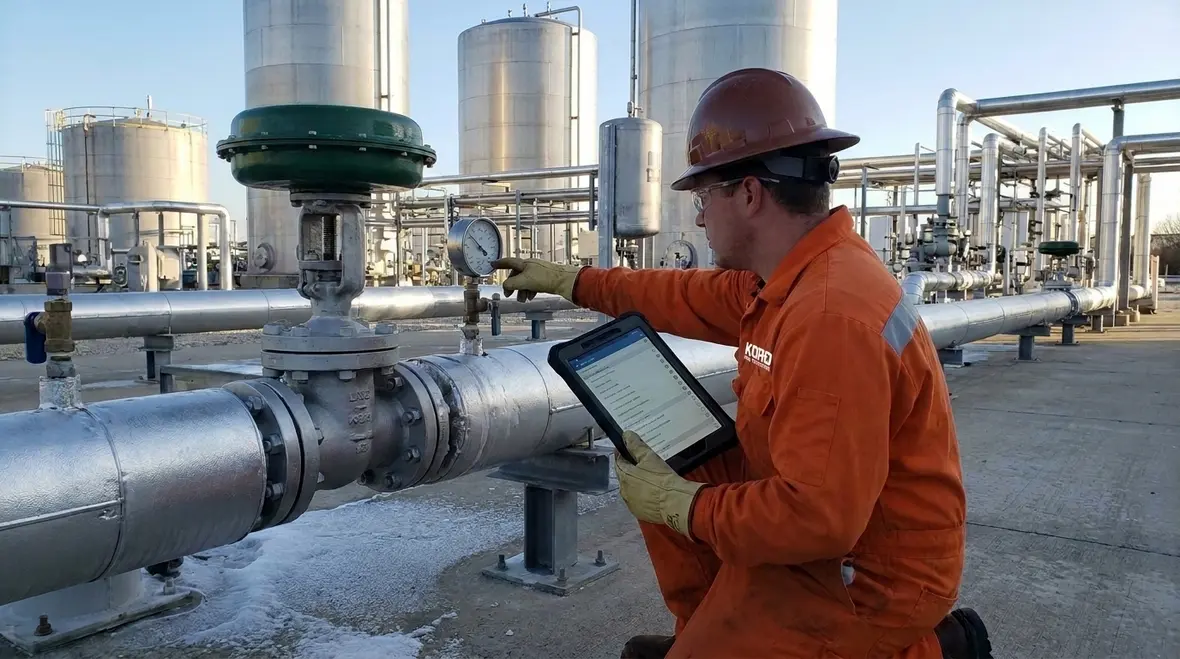
Maintenance plans should consider the effects of thermal cycling, insulation degradation, and potential embrittlement. Inspections may include visual checks for insulation loss, frost patterns that can indicate leakage, and verification of support and alignment conditions. When maintenance involves replacing components or reassembling assemblies, torque verification, gasket integrity, and leak testing methods should match the design requirements and manufacturer specifications.
Valves, actuators, and control components
Valves and actuators can fail through sticking, seal wear, control signal drift, or failure to fully stroke under real operating conditions. Programs often require functional testing and verification that actuation times meet the safety intent. A frequent compliance gap involves performing partial tests that do not demonstrate full stroke, full travel, or correct fail-safe response.
Detections and monitoring systems
LNG facilities depend on detection and monitoring to protect life safety and prevent escalation. Maintenance programs should address calibration intervals, sensor health checks, wiring integrity, and verification against alarm setpoints. Testing must demonstrate that alarms route properly to the intended annunciation and that operator actions following alarms remain current with procedures and training.
Documentation and workmanship verification
Work execution quality matters. The program should specify acceptable workmanship standards, inspection hold points, and independent verification where required. Records should show test results, acceptance criteria, and any deviations with documented justification and risk review.
How Kord Fire Protection supports Section 15.5 compliance in commercial environments
For commercial, industrial, and retail operators, compliance success depends on consistent field execution and credible documentation. Kord Fire Protection helps facilities maintain safety system performance through inspection, testing support, and documentation practices aligned to regulatory expectations.
When LNG facilities coordinate life safety and fire protection work with their broader operations and maintenance schedules, they reduce the risk of system conflicts, incomplete testing sequences, and documentation gaps that slow audits. Kord Fire Protection also supports a practical compliance approach focused on repeatable verification, clear reporting, and timely corrective actions.
To explore related fire protection guidance and service capabilities, see Kord Fire Protection services.
What auditors typically look for during review
Auditors and inspectors usually focus on evidence that the program functions as a closed loop. They often request records that connect each requirement to field verification and follow through.
Common evidence requests
- Written procedures and current revision control for operations and maintenance tasks
- Inspection and test schedules for safety critical components
- Test results demonstrating acceptable performance, including calibration certificates where relevant
- Corrective action logs with root cause, risk review, and closure verification
- Training records tied to roles and task responsibilities
- Management of change documentation where equipment or operating steps changed
Typical weaknesses that trigger findings
- Testing performed but not linked to acceptance criteria or safety intent
- Records that show activity without evidence of resolution and verification
- Maintenance intervals that do not match equipment criticality or operating severity
- Procedures that do not reflect current field configuration
- Training that is not task based or not updated after changes
Frequently Asked Questions
Conclusion and next step
NFPA 52 Section 15.5 requires more than schedules. A compliant NFPA 52 LNG facility operations maintenance program connects procedures, verification testing, training, and corrective action into a closed loop that proves safe performance over time. Kord Fire Protection can help your team strengthen inspection and testing execution, documentation quality, and audit readiness. Contact Kord Fire Protection to review your current maintenance and verification approach and identify the fastest compliance improvements.

Join Our Newsletter!
Get the latest fire safety tips delivered straight to your inbox From our Newsletter.