
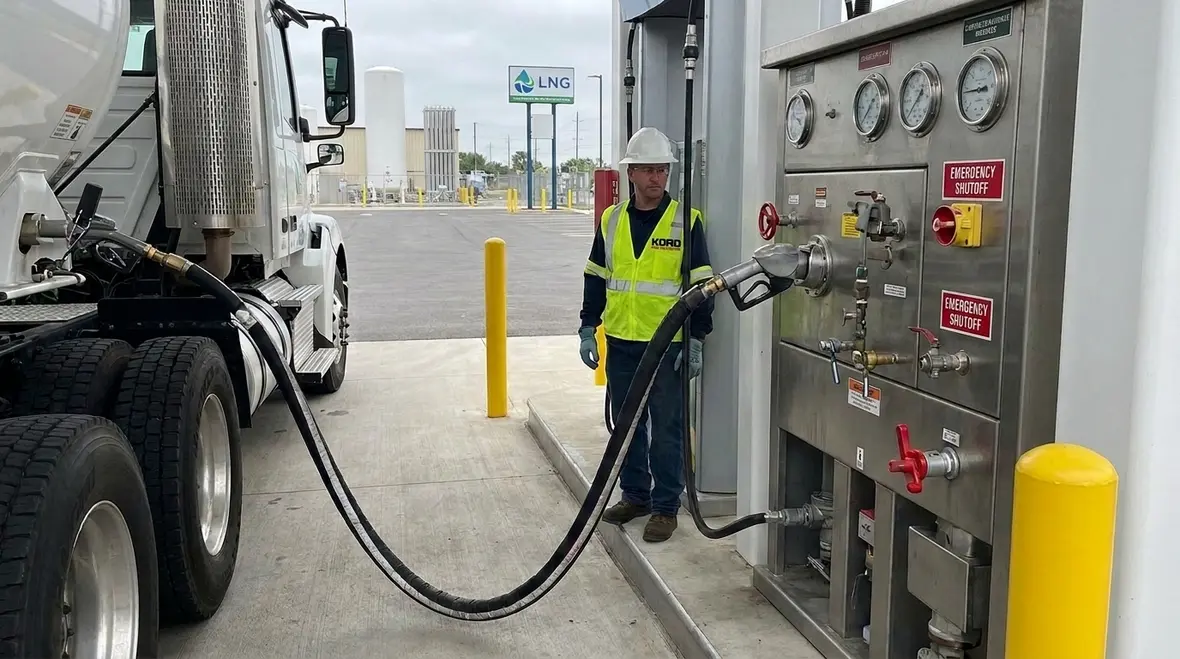
NFPA 52 Section 20.1 Application: LNG Fueling Coverage
Quick Answer: NFPA 52 Section 20.1 defines how LNG fueling systems must be applied and where the standard’s requirements apply. It clarifies scope, fueling arrangements, and operational expectations that facilities must meet to maintain safe, compliant LNG refueling.
What does NFPA 52 Section 20.1 cover in LNG fueling?
NFPA 52 establishes safety requirements for the design, installation, operation, and protection of LNG fueling systems. Within that framework, Section 20.1 addresses the NFPA 52 LNG fueling application coverage by setting the compliance lens for fueling-related installations, operating practices, and the extent to which other sections of the standard must be applied to real-world fueling configurations.
For commercial, industrial, and retail operators, Section 20.1 matters because it determines which activities and system elements must meet the standard during acceptance, ongoing operation, and maintenance. When facilities misinterpret scope, they often end up with incomplete documentation, inadequate inspection intervals, or equipment selections that do not align with the hazard controls required for LNG transfer and fueling.
For a broader look at code-compliant inspection, testing, and preventive maintenance support, see Kord Fire Protection’s fire protection services.
How Section 20.1 shapes the scope of your fueling system
Section 20.1 drives scope in practical terms. It clarifies what the fueling application must include and what operational conditions the system is expected to support. That scope determination directly affects how a facility should approach engineering sign off, contractor responsibilities, commissioning, and the fire protection and safety assurance tasks that follow.
1) What gets treated as part of the “fueling application”
Operators typically need to evaluate whether site components are integral to fueling operations, such as fueling dispensers, LNG piping and valves serving the fueling area, hoses or couplers where applicable, and the immediate protective measures intended to control LNG release outcomes. Section 20.1 application coverage commonly requires facilities to treat these elements as part of the covered fueling system, not as incidental utilities.
2) Facility types and fueling arrangements
Retail and commercial fueling sites often differ from industrial fleet fueling setups in traffic patterns, access control, and how personnel interact with the fueling equipment. Section 20.1 does not remove those differences. Instead, it requires operators to apply the standard in a way that reflects the operational reality of where LNG is transferred, where ignition sources may exist, and how release control features are expected to function over time.
3) Interoperability with other NFPA 52 chapters
Section 20.1 often acts as a gatekeeper for which downstream requirements become mandatory. Once an installation falls within the fueling application scope, facilities must align acceptance testing, inspection routines, impairment management, and maintenance practices with the relevant protective and operational provisions referenced throughout NFPA 52.
Operational compliance: where facilities commonly get it wrong
Even when a project team intends to comply, day to day operations can drift away from what the code expects. Section 20.1 application coverage becomes a practical checklist for preventing scope gaps and recurring inspection failures.
Common failure point: scope confusion during commissioning
In many LNG projects, the commissioning plan focuses heavily on mechanical completion and system start up while underemphasizing documentation that demonstrates ongoing compliance. Facilities may not clearly map which safety functions are required for fueling operations, or they may fail to connect the commissioning results to the inspection and maintenance program expected by NFPA 52.
Common failure point: inadequate training tied to fueling operations
NFPA 52 compliance depends on operators understanding what they are responsible for during normal fueling and abnormal conditions. Facilities frequently have general safety training but not role specific instruction for the fueling system. This includes actions during emergency shutdown, hose handling or coupler procedures, and correct response when safety interlocks or alarms indicate an out of parameter condition.
Common failure point: inspection intervals that do not reflect fueling risk
For LNG systems, risk is dynamic. Conditions that change over time, such as valve performance drift, seal degradation, insulation issues around cryogenic components, or wear on fueling interface components, can reduce the reliability of safety functions. Section 20.1 application coverage typically expects an inspection and maintenance structure that maintains readiness, not just periodic verification of “working today.”
Equipment mechanisms and maintenance expectations under Section 20.1 scope
NFPA 52 compliance is not only about having equipment on site. It is about maintaining the mechanisms that limit LNG release consequences and ensuring the fueling application remains within its safe operating envelope.
Release control readiness
LNG fueling systems rely on coordinated controls such as valves and emergency shutoff functions that limit the duration and extent of a release. Facilities should focus maintenance on correct operation of these functions, including verification that actuations occur within expected parameters and that alarms and indicators remain legible and dependable during fueling.
Cryogenic component integrity
Cryogenic piping, fittings, and interfaces require attention to insulation performance, frost patterns, and signs of abnormal heat gain. A small insulation defect can drive operational issues that become visible only over time. Preventive maintenance should include documented inspection methods that operators can perform consistently and that reflect the hazards associated with LNG transfer.
Functional reliability of fueling interfaces
Fueling hoses, couplers, and connection interfaces can experience wear, contamination, or damage that may not immediately prevent operation but can affect leak tightness or repeatability. Facilities should ensure inspection procedures address mechanical condition and connection integrity, and that replacement criteria align with the manufacturer’s instructions and the safety intent of NFPA 52.
Fire protection and life safety integration for commercial sites
Many compliance programs treat “fire protection” as a separate discipline. For LNG fueling, Section 20.1 application coverage reinforces that fire protection and safety controls must align with the fueling application hazards and operational sequences. That alignment includes emergency response readiness, impairment control, and maintenance that sustains safety functions when systems are most likely to be stressed.
Why ongoing protection assurance matters
Commercial and retail operators typically face higher equipment cycling, frequent access by contractors, and operational changes driven by demand. Those conditions can affect valves, release prevention systems, alarms, and emergency controls. The site needs a defensible process for inspection, testing, and documentation that can withstand audits, incident investigations, and third party evaluations.
To support ongoing compliance, Kord Fire Protection assists commercial facilities with fire protection testing, inspection planning, and maintenance support that aligns with life safety requirements and operational expectations. For teams that need a practical compliance partner, Kord Fire Protection can help coordinate readiness activities across the fueling environment and the broader fire protection program. Learn more at Kord Fire Protection.
If your site also needs specialized readiness around suppression system upkeep, foam fire suppression system maintenance and testing is another practical area to review for long-term protection planning.
How to use Section 20.1 during audits and renewals
Facilities can reduce compliance risk by turning Section 20.1 into a structured review step, rather than relying on memory during audits. A strong process also helps avoid scope disputes between engineering, operations, and the inspection team.
Practical audit workflow
- Confirm fueling application boundaries: Document which components the site treats as part of the covered fueling system and which actions occur during fueling operations.
- Map safety functions to maintenance tasks: Identify which safety functions support release control, emergency shutdown, alarms, and readiness, then link them to inspection and testing records.
- Verify training alignment: Ensure training records reflect the specific fueling roles and include abnormal condition response expectations.
- Review impairment and change management: Confirm the site uses a controlled process for outages, repairs, modifications, and returning equipment to service.
- Validate documentation quality: Confirm that records demonstrate performance, not just completion, and that they can be traced to the relevant fueling application requirements.
Frequently Asked Questions
Call to action
Validate your NFPA 52 LNG fueling application coverage now by confirming scope boundaries, safety function maintenance, and documentation quality. If your program needs stronger testing and inspection support, contact Kord Fire Protection to help coordinate ongoing compliance readiness for commercial LNG fueling environments. Proactive maintenance and defensible records reduce outage risk, audit friction, and safety exposure.

Join Our Newsletter!
Get the latest fire safety tips delivered straight to your inbox From our Newsletter.


