NFPA 52 Section 13.1 Application: Residential CNG Fueling Appliances Coverage
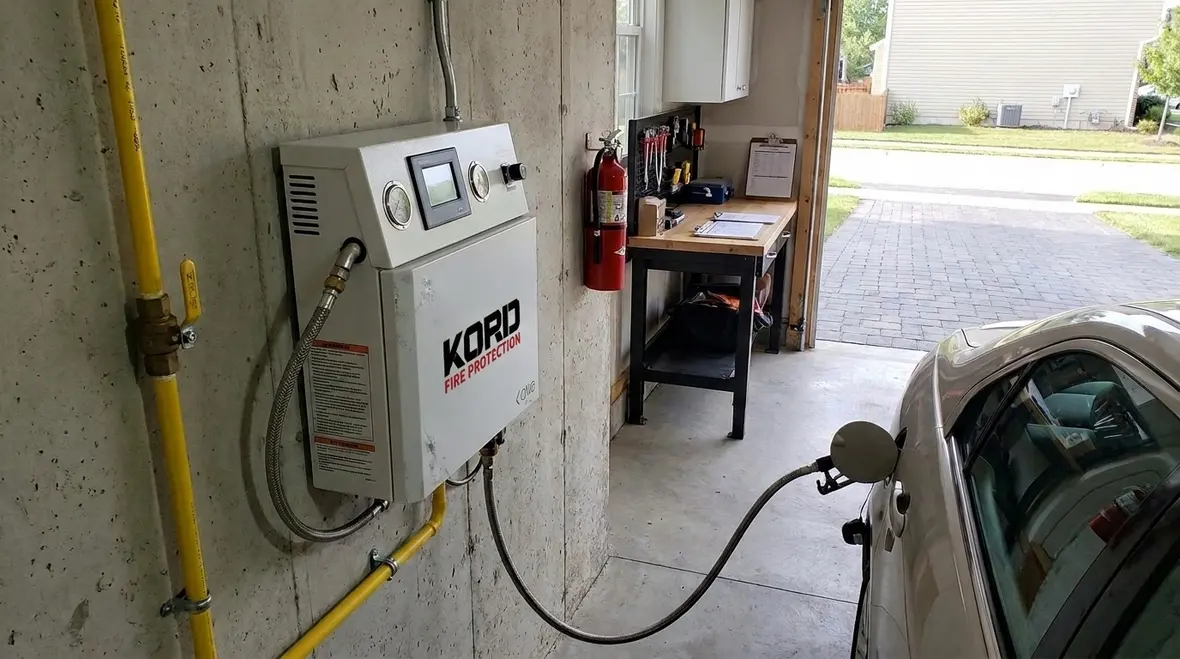
Quick Answer: NFPA 52 Section 13.1 identifies when residential natural gas fueling systems and CNG fueling appliances fall within the scope of the code. It focuses on appliance-level installation and intended use, driving requirements for siting, separation, ignition control, and safe operation.
For broader inspection-ready support and documentation-focused service planning, Kord Fire Protection also offers fire pump inspection and testing services that help facilities stay ready for AHJ review and recurring compliance checks. ([kordfire.com](https://kordfire.com/arcadia-fire-pump-inspection-and-testing-services/?utm_source=openai))
What NFPA 52 Section 13.1 covers in residential CNG fueling appliance application
NFPA 52 residential CNG fueling appliance application is not a blanket allowance for every “home style” compressor or station component. Section 13.1 is written to clarify when the residential fueling appliance rules apply, and it shapes how facilities interpret code scope during permitting, design review, and inspection. In practice, compliance depends on the appliance purpose, how it is connected to the vehicle fueling system, and how the installed unit controls ignition sources, pressure relief, and hazardous gas accumulation.
For commercial and industrial operators who manage fuel equipment at mixed use sites, the biggest risk is treating “residential rated” or “residential type” equipment as inherently compliant for broader contexts. Inspectors typically verify both the appliance itself and the installation environment, including protection against impact, ventilation assumptions, and maintenance control. Kord Fire Protection supports these checks through documentation review, on site inspection readiness, and ongoing testing and maintenance oversight.
How Section 13.1 defines scope and prevents common misapplications
Section 13.1 scope language controls how the code applies to fueling appliances intended for residential use. The primary compliance challenge is scope misinterpretation, often triggered by mixed terminology across product literature, marketing descriptions, and installer assumptions.
Typical scope triggers inspectors look for
- Intended service: whether the appliance is marketed and designed as a residential fueling appliance, not simply a compact compressor assembly.
- Fueling configuration: whether the system behaves as a fueling appliance rather than a general compressed natural gas (CNG) supply component.
- Installed use environment: whether the appliance is placed where the code expects residential type controls and hazard management.
- Control and shutdown behavior: whether abnormal conditions are handled as specified for the appliance application.
Why “it is small” still fails inspections
Many enforcement issues come from treating appliance size as a proxy for hazard level. CNG hazards depend on pressure, release potential, and ignition control. A compact fueling appliance can still release gas under faults, require protected venting behavior, and demand adequate separation and management of electrical and mechanical sources of ignition. Section 13.1 scope helps ensure those hazard controls are not skipped.
Key compliance mechanisms tied to residential CNG fueling appliance application
When NFPA 52 Section 13.1 applies, the inspection focus commonly expands beyond nameplate details to how the installed appliance handles abnormal operating conditions. Inspectors and AHJs typically evaluate the protective design and the installation features that support safe operation.
Fueling appliance safety behavior during normal and abnormal operation
- Pressure management: verifying that regulators, valves, and relief devices operate within expected parameters and are installed to support safe discharge and protected locations.
- Gas release control: ensuring potential leak paths and vent discharge points do not direct gas into ignition prone zones.
- Ignition source control: confirming that electrical equipment and components meet the intended hazard area assumptions for the appliance location.
- Valve integrity and sealing: checking for proper connection methods and torque practices that prevent chronic seepage and seal degradation.
- Fault response: confirming that shutdown actions limit release and that alarms and interlocks function as required.
Installation details that frequently drive field findings
In commercial, industrial, and retail environments, enforcement officers also look for “installation truth,” meaning the physical layout matches the engineering assumptions and the installation documentation. Common issues include:
- Inadequate protection of hose assemblies, connectors, and exposed piping against vehicle impact.
- Vent discharge placement that does not maintain safe separation from openings, ignition sources, or vehicle traffic.
- Improper routing of electrical conduits and components that conflicts with zoning or hazard area assumptions.
- Missing or outdated maintenance labels and inspection records that prevent traceability for required testing.
Because these details determine whether the appliance remains “under control” after installation, ongoing service planning matters. Teams that also manage connected electrical infrastructure may benefit from electrical preventive maintenance to support safer, more consistent system performance and documentation across the site. ([kordelectric.com](https://kordelectric.com/electrical-preventive-maintenance/?utm_source=openai))
Inspection and maintenance expectations after installation
NFPA 52 Section 13.1 coverage does not end at permit sign off. For residential type fueling appliances located at or managed by commercial organizations, inspection readiness typically depends on disciplined maintenance, controlled change management, and evidence that safety functions continue to work over time.
Operational inspection readiness checklist
- Clear access: verify that shutoff controls, panels, and test points remain accessible for routine verification.
- Hose and connector condition: check for wear, abrasion, cracking, or contamination that can increase leak probability.
- Leak management records: confirm there is a documented leak investigation and remediation process.
- Relief and vent system inspection: confirm discharge paths remain unobstructed and protected.
- Electrical and control evidence: verify that control diagnostics, indicators, and interlocks function during testing.
Common failure points that increase risk during long term use
- Seal fatigue and gasket shrinkage: often becomes evident after thermal cycling and repeated fueling cycles.
- Connector wear: can create high cycle leakage paths, especially when coupling alignment changes.
- Corrosion and debris intrusion: can degrade vent performance or interfere with moving valve components.
- Unauthorized component substitution: replaces safety critical parts with mismatched equivalents.
To reduce recurring findings, Kord Fire Protection supports facilities with compliance aligned maintenance and testing documentation that helps teams respond quickly to AHJ questions during audits and re inspections.
Commercial facility realities: how residential coverage impacts mixed use sites
Many properties do not operate as a purely residential or purely commercial environment. When residential CNG equipment becomes part of a broader property footprint, the NFPA 52 residential CNG fueling appliance application must still be implemented with full awareness of traffic patterns, access control, and inspection authority. The code’s residential scope does not erase responsibilities for hazard management across the larger site.
Practical challenges for industrial and retail operators
- Access and security: limiting who can operate the appliance and preventing tampering.
- Work order controls: ensuring maintenance is performed by qualified technicians using approved parts.
- Contractor communication: controlling what outside installers do to electrical work, piping connections, and anchorage.
- Documentation: maintaining operating instructions, inspection logs, and corrective action records onsite.
Strengthen compliance with a fire protection service partner
After installation, compliance depends on consistent execution. Kord Fire Protection provides ongoing support for commercial stakeholders who need defensible testing records, field verification, and maintenance planning that holds up during AHJ review. For additional context on service models and documentation driven compliance, refer to Kord Fire Protection. ([kordfire.com](https://kordfire.com/?utm_source=openai))
Frequently Asked Questions
Conclusion and call to action
NFPA 52 Section 13.1 controls when residential coverage applies, but success depends on installation truth, hazard control effectiveness, and durable maintenance practices. Facilities that manage residential type CNG fueling appliances at commercial sites should validate scope, verify safety mechanisms, and build an inspection ready maintenance program. Kord Fire Protection can help teams confirm documentation, execute compliance aligned testing, and keep the fueling appliance operating safely. Contact Kord Fire Protection to plan your next compliance and maintenance cycle. ([kordfire.com](https://kordfire.com/?utm_source=openai))

Join Our Newsletter!
Get the latest fire safety tips delivered straight to your inbox From our Newsletter.