
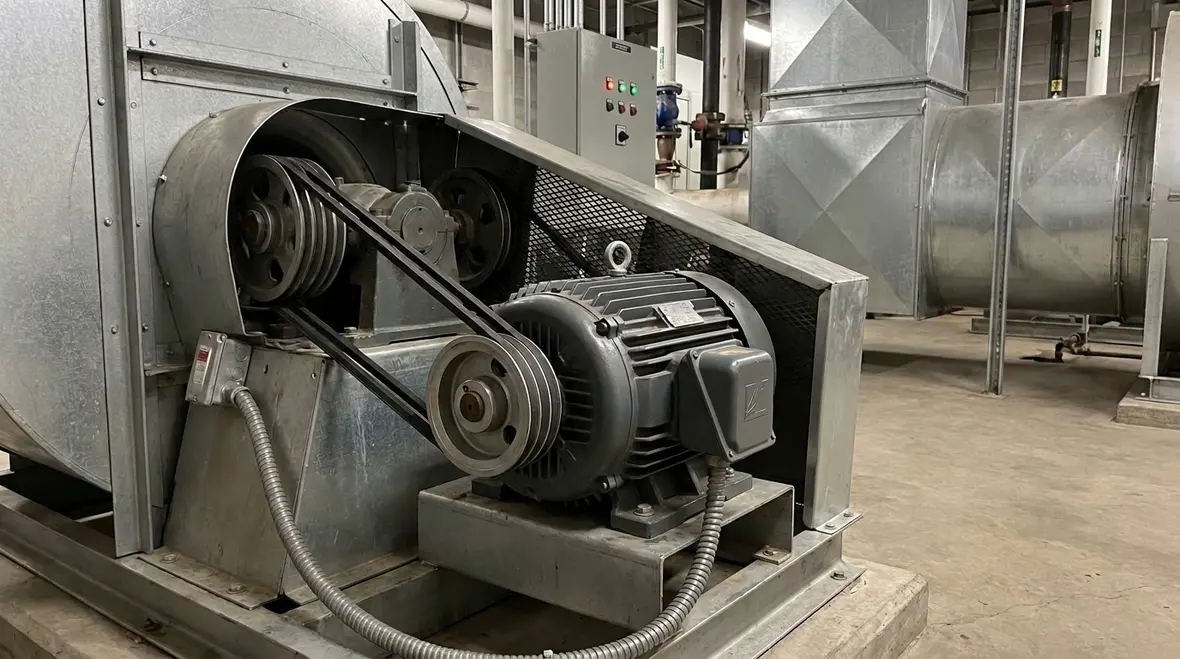
NFPA 34 Section 7.11: Exhaust Fans and Their Drives
Quick Answer: NFPA 34 Section 7.11 governs how exhaust fan systems are driven, controlled, and maintained in process and handling spaces. The goal is reliable ventilation during normal operation and fire conditions, with practical attention to motor selection, drive coupling, wiring protection, and inspections to reduce failure risk.
What NFPA 34 exhaust fan drive requirements actually require in the field
In commercial, industrial, and retail facilities that must manage hazardous atmospheres, NFPA 34 exhaust fan drive requirements focus on dependable exhaust fan performance and the survivability of the drive and control components that keep ventilation available when it matters. Section 7.11 ties exhaust fan function to appropriate drive design, power transmission integrity, and ongoing readiness through inspection and maintenance. In practice, facilities often comply on the “fan” and overlook the drive system details that create real-world failure points, including seized couplings, degraded belts, loose motor base connections, and cable damage to power feeds that never gets addressed in routine service.
Why Section 7.11 treats the drive system as part of the fire protection function
Exhaust fans are not only ventilation equipment. Where NFPA 34 applies, the fan drive is part of a life safety and property protection strategy that depends on sustained operation or controlled operation during abnormal conditions. A reliable drive means the motor can start, transmit torque, and maintain performance without mechanical binding, belt slip, or electrical degradation. This matters for systems installed in flammable vapor or combustible dust environments, where the consequences of delayed exhaust operation can quickly compound.
From a compliance perspective, auditors and inspectors typically look for evidence that drive components were selected and installed to meet the intent of the code section, and that facility staff maintain those components on a documented schedule. The most common gaps are not “missing equipment,” but insufficient attention to how that equipment is driven, energized, protected, and verified.
Key checks for NFPA 34 exhaust fan drive requirements
Facilities should treat Section 7.11 as a checklist of practical risk controls for the fan drive system. While project design should follow the full text of NFPA 34 and the applicable edition adopted by the authority having jurisdiction, the following verification categories commonly align with the intent behind Section 7.11.
1) Motor and power availability alignment
Drive compliance begins at the motor. The motor must be suitable for the environment and capable of delivering the required torque at the fan operating condition. Common failure patterns include improper voltage selection, undersized motors that cause overheating under load, and unsuitable insulation systems when temperature or contamination levels exceed design assumptions.
- Confirm nameplate ratings match the electrical supply and operating conditions.
- Verify motor protection settings and thermal overload devices are correct and not bypassed.
- Inspect for corrosion, contamination buildup, and blocked cooling in dusty environments.
2) Couplings, belts, and mechanical transmission integrity
Where mechanical transmission exists, the drive system must transmit power reliably. Belt systems can slip or degrade; couplings can misalign; and shafts can bind due to wear, corrosion, or fan wheel imbalance.
- Check alignment between motor shaft and driven shaft or gearbox input.
- Inspect belts for cracking, glazing, glazing dust, or uneven wear.
- Verify couplings are secured and that protective guards remain installed.
- Confirm vibration levels have not drifted beyond acceptable baselines.
3) Controls and starting behavior under abnormal conditions
Exhaust fans and their drives must respond appropriately to the system controls. Delays caused by control power issues, failing starters, or faulty interlocks can defeat the fire safety intent. Drive readiness also depends on components such as motor starters, contactors, variable frequency drives where applicable, and protective devices.
- Verify starter operation during simulated start commands.
- Confirm control wiring routing and terminations are not exposed to damage.
- Test any fan start sequences that depend on detection or control logic.
4) Wiring protection and physical survivability
In many facilities, drive compliance fails at the cable and conduit level, especially where routing crosses mechanical spaces, traffic areas, or environments where physical damage is likely. Heat, abrasion, chemical exposure, and unsupported cable runs can degrade conductors and terminations.
- Inspect conduit supports, clamps, and strain relief at the motor and starter.
- Verify cables are protected from abrasion and impact where installed.
- Look for damaged insulation, loose lugs, and signs of overheating at terminations.
How to build an inspection and maintenance plan that stands up to audits
NFPA 34 compliance relies on evidence that the exhaust fan drive system stays ready. A defensible maintenance plan ties observations to documented corrective actions and includes both mechanical and electrical checks. Kord Fire Protection typically supports facilities with compliance-focused testing and ongoing maintenance planning, helping teams close the gap between installed equipment and verified operational readiness.
If your broader fire protection strategy also needs a practical maintenance framework, see fire suppression system maintenance basics for owners for related planning ideas that fit naturally alongside exhaust fan readiness checks.
What to document during routine verification
- Inspection results for motor condition, mounts, and cooling pathways.
- Mechanical condition findings for belts, couplings, bearings, and alignment.
- Electrical inspection results for starters, contactors, and terminations.
- Operational test results that confirm commanded start and stable running.
- Corrective actions taken, including parts replaced and alignment verified.
Common failure points that appear during compliance reviews
Commercial and industrial facilities frequently discover the same drive-related issues during inspections:
- Accumulated contamination on motor cooling surfaces leading to heat buildup.
- Belts stretched beyond spec causing slip, overheating, and reduced airflow.
- Misalignment that increases vibration and accelerates bearing wear.
- Loose electrical terminations that create intermittent faults during starts.
- Starters or control components that do not actuate when the system sequence is triggered.
Operational realities in commercial, industrial, and retail environments
Section 7.11 impacts day-to-day operations because exhaust fans often run in spaces where staff activity and process changes are ongoing. Retail occupancies with associated chemical storage, industrial sites with varied shift schedules, and commercial facilities with frequent maintenance cycles all face similar operational risks.
Scheduling and access constraints
Fan drive inspections require safe access to mechanical spaces and electrical panels. Facilities that rely solely on reactive maintenance frequently miss early signs of belt wear, alignment drift, or starter overheating. A compliance-first approach schedules inspections around production windows and includes lockout and safe work procedures.
Change management
Drive system compliance can degrade when belts are replaced with incorrect profiles, motors are swapped without confirming ratings, or wiring is altered during renovations. The most sustainable compliance programs treat any drive-related change as a trigger for re-verification and updated documentation.
For additional context on commercial fire protection planning and risk-based maintenance partnerships, facilities can explore Kord Fire Protection.
On-site checklist: verify the drive, not just the fan
| Drive system element | What to verify | Typical evidence to retain |
|---|---|---|
| Motor | Correct rating, protection set points, adequate cooling, condition of bearings and mounts | Motor inspection logs, infrared or temperature checks where used, starter setting records |
| Mechanical transmission | Belt tension and wear, coupling alignment and securement, absence of binding or excessive vibration | Alignment measurements, belt inspection records, vibration or baseline comparisons |
| Electrical drive components | Starter and contactor function, terminal tightness, no overheating signs at lugs | Test reports, inspection photos, torque verification records where available |
| Wiring and routing | Protected conduit and cable integrity, support and strain relief, no physical damage | Conduit/cable condition notes, corrective action work orders |
| Control sequence | Commanded start and response to the intended control logic | Operational test results, sequence verification worksheets |
Frequently Asked Questions
Get the drive system verified before an inspection exposes gaps
Exhaust fan compliance succeeds when teams verify the motor, transmission, electrical controls, and wiring protection as a single functional system. If your facility needs a practical, documented approach to NFPA 34 exhaust fan drive requirements, contact Kord Fire Protection for compliance-focused testing, maintenance planning, and ongoing readiness support. Taking action now reduces downtime risk, improves audit outcomes, and strengthens dependable ventilation performance when conditions change.

Join Our Newsletter!
Get the latest fire safety tips delivered straight to your inbox From our Newsletter.



