
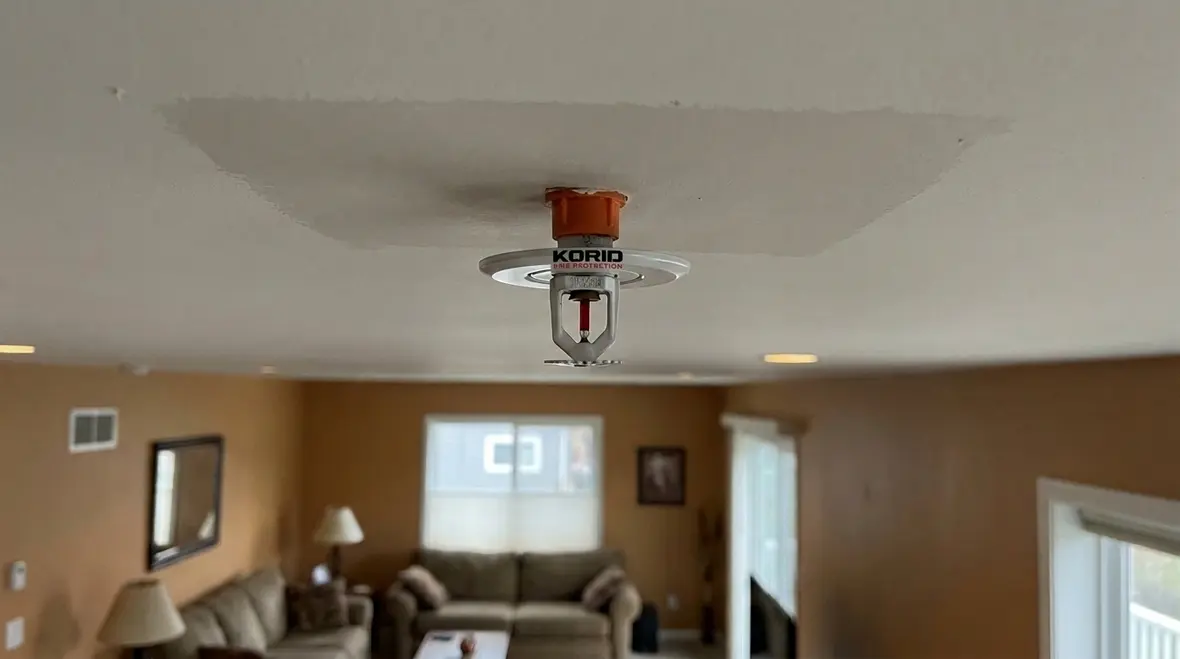
NFPA 13R Section 1.1 Scope: What a Single Ignition Location Means for Residential Sprinkler Design
Quick Answer
NFPA 13R Section 1.1 scope single ignition location residential sprinkler design centers the analysis on a fire starting at one location, not multiple simultaneous fires. This affects sprinkler placement, zoning assumptions, and the degree of hazard protection expected under the residential light hazard framework.
Why NFPA 13R 1.1 Scope Matters in Real Installations
NFPA 13R simplifies residential sprinkler system requirements compared with NFPA 13 by using design assumptions that reflect typical fire scenarios in low rise, residential occupancies. One of the most consequential assumptions appears in NFPA 13R 1.1 scope single ignition location residential sprinkler design: the system is evaluated based on a single ignition location.
For commercial, industrial, and retail stakeholders that also support mixed occupancy buildings, this distinction shows up during plan review, sprinkler count justification, and inspection readiness. The single ignition location assumption drives what the system is required to control, and it influences how contractors and inspectors evaluate coverage, obstructions, and coverage equivalency.
If you want a broader comparison of where 13R fits in the residential code family, this NFPA 13D vs 13R residential sprinkler guide helps frame the differences before you get into the weeds.
More guidance on how systems are approached across the sprinkler design and installation process appears here: NFPA 13 overview for automatic fire sprinkler system installation.
What “Single Ignition Location” Means Technically
In practical terms, the single ignition location concept assumes a fire originates at one point. The sprinkler system design and evaluation consider the hydraulic and coverage response for that one event rather than requiring performance for two or more simultaneous fires that could occur in different spaces.
How the assumption shapes design intent
When the scope is limited to one ignition location, designers can select a density and layout that credibly controls a fire to the extent required by NFPA 13R without attempting to mitigate multi point growth. That directly impacts:
Sprinkler spacing and arrangement, which must provide reliable control for one fire scenario.
Hydraulic calculations, which use the expected operating conditions for a single demand event.
Protection of concealed spaces and how the system addresses typical residential concealed fire spread pathways within the code framework.
What it does not do
Single ignition location does not mean the building is “fireproof” against every conceivable scenario. Instead, it limits the performance proof to one ignition event. If operational practices, storage arrangements, or high risk activities introduce credible multi point hazards, the occupancy may need to be treated with a more conservative design basis under a different code option.
Impact on Sprinkler Placement, Zoning, and Coverage Verification
Even though NFPA 13R uses a simplified residential approach, the single ignition location assumption does not excuse poor layout, incorrect obstructions handling, or missing sprinkler coverage. During commissioning and inspections, the system still has to match the design intent under the chosen hazard classification and coverage rules.
Obstructions and discharge reach
Inspectors often focus on whether sprinklers remain effective in the presence of soffits, beams, ducts, raceways, and ceiling irregularities. If a contractor compresses spacing or misplaces sprinklers to “fit” difficult ceiling geometries, the single ignition location design basis can become irrelevant because the system no longer achieves intended distribution for the design fire.
Hidden piping and concealed space considerations
In residential sprinkler systems, the practical failure points frequently involve:
Concealed space omissions, especially where ceiling construction changes between units or corridors.
Improper sprinkler location relative to ceiling membranes or access panels.
Pipe elevation or routing that shifts sprinkler discharge patterns.
With single ignition location design, one missing or mispositioned sprinkler can compromise the only scenario the system was calculated to control. That increases inspection scrutiny and raises the risk that corrections will require additional drilling, rework, and schedule impacts.
Zoning and system control
Many jurisdictions and facility teams expect reliable alarm and waterflow response. While NFPA 13R scope sets the fire scenario assumption, it still requires practical system control, supervision, and prompt indication. Facility managers and maintenance teams should align on how valve tamper switches, waterflow devices, and alarm interfaces are monitored and tested at the required intervals.
Common Compliance Challenges When “Single Ignition” Meets Field Reality
The most common compliance gaps do not occur in the equation work. They occur when the as built installation diverges from design assumptions. For commercial, industrial, and retail teams that manage multi tenant or mixed use residential projects, these gaps frequently surface during acceptance testing, maintenance turnover, and periodic inspection.
Design basis mismatch with building use
A frequent issue involves a building that looks residential but operates with higher risk behavior, such as increased storage, maintenance workshops, or retail back of house functions that introduce combustible load variation. The single ignition location assumption may still be code compliant for the occupancy classification, but practical risk management may call for additional protection measures or different design choices.
Maintenance access and valve integrity
Even a well designed system can underperform if it is not maintained. Common operational failure points include:
Valves left partially closed due to renovations or service work.
Blocked inspector’s test connections from temporary construction debris.
Corrosion, leakage, or improper maintenance of drain lines and gauges.
These issues can cause abnormal flow behavior that impacts response. Maintenance teams should treat the single ignition location assumption as a reason to maintain predictable hydraulic delivery.
Inspection documentation and acceptance readiness
When inspectors validate the installation, they correlate physical layout with approved drawings. If sprinkler locations, ceiling descriptions, or piping routing differ from the plan set without documented approval, the system may fail inspection even if it is hydraulically plausible on paper. Document control becomes a compliance control.
Operational Mechanisms: How the System Responds to One Fire Event
The single ignition location premise aligns with sprinkler mechanics. A sprinkler system expects water delivery when one fire event activates sprinklers in that local area. While multiple sprinklers can discharge from the same ignition, the design basis assumes that the triggering event begins at one location.
Activation and sprinkler discharge behavior
Sprinklers activate due to heat exposure and deflector response, then discharge water aimed to control fire growth within the intended fire plume and thermal environment. If the sprinkler is mislocated or wrong model for the ceiling type, the discharge coverage changes. That can reduce the system’s ability to control the design event.
Hydraulic delivery and flow stability
Hydraulics support predictable water delivery for the design demand. If contractors introduce routing changes, undersized fittings, unapproved pipe diameter changes, or excessive elevation differences, the flow profile can degrade. Facility teams should also verify that the water supply performance and pressure conditions match the basis of design and that any seasonal or municipal pressure fluctuations remain within acceptable ranges.
Test and supervision requirements
Inspection regimes typically include flow testing, valve position verification, gauge checks, and supervision verification. Organizations that plan and maintain systems should use documented procedures to avoid accidental valve changes and to confirm alarm and supervisory reporting works as intended.
Why Ongoing Service and Maintenance Still Matter for NFPA 13R Design Assumptions
NFPA 13R provides a design path that assumes a single ignition location residential fire scenario. However, risk management does not end at acceptance. Maintenance keeps the system capable of delivering the water and coverage the design depends on.
Kord Fire Protection supports commercial compliance teams with practical inspection, testing, and ongoing reliability practices that protect the intended performance envelope. This includes helping property stakeholders maintain documentation, confirm supervisory operation, and address common degradation and field change issues quickly.
For broader industry background on fire protection system considerations, reference resources from firepumps.org for equipment context and supporting technical topics.
Frequently Asked Questions
Conclusion and Call to Action
NFPA 13R 1.1 scope single ignition location residential sprinkler design is a performance assumption, not a maintenance or installation shortcut. Teams should verify sprinkler placement, obstruction handling, hydraulic basis alignment, and ongoing inspection readiness to protect the system’s designed response. If your organization is commissioning, maintaining, or managing a residential or mixed occupancy building, contact Kord Fire Protection for compliance focused testing, documentation support, and reliable ongoing service.

Join Our Newsletter!
Get the latest fire safety tips delivered straight to your inbox From our Newsletter.



