NFPA 13 Section 25.5 — In-Rack Sprinklers Combined with CMSA Ceiling-Level Sprinklers
NFPA 13 Section 25.5 In Rack Sprinklers Combined with CMSA Ceiling Level Sprinklers
Quick Answer: NFPA 13 in-rack sprinklers CMSA ceiling-level combination requires coordinated design between in rack sprinklers and CMSA ceiling level sprinklers under NFPA 13 Section 25.5. This approach can enhance storage protection while preserving clearance and testability, but imposes limits on placement, water supply, and inspection procedures.
If you want a broader code context before getting into the weeds, NFPA 13 automatic fire sprinkler system installation is a solid place to start. And because clearance headaches love to show up exactly when nobody invited them, sprinkler head clearance requirements in warehouses is another useful reference when rack storage and ceiling-level protection need to play nicely together.
Section Overview
NFPA 13 Section 25.5 addresses the integration of in rack sprinklers with CMSA ceiling level sprinklers in storage and mixed occupancy environments. The goal is to provide reliable coverage for items stored on racks while ensuring unobstructed ceiling protection for open areas. The clause sets prerequisites for system layout, hydraulic calculations, coordination between sprinkler types, and testing prerequisites. In a typical commercial, industrial, or retail facility, the combined approach aims to optimize protection without compromising clearance or reliability. For projects adopting this approach, the phrase NFPA 13 in-rack sprinklers CMSA ceiling-level combination guides planning and verification throughout design, installation, and commissioning.
Code Requirements and Compliance Implications
- Hydraulic calculations must reflect both in rack coverage and CMSA ceiling level coverage to avoid undersizing or overpressurization in any zone.
- Coordination between in rack sprinkler heads and CMSA heads is required to prevent interference, spray deflection issues, or accidental obstructions from pallet loads.
- Water supply and main sizing must support simultaneous operation of both sprinkler types without compromising response times in either area.
- Classification of occupancy and storage height informs head selection, spacing, and the need for zoning to maintain reliable performance.
- Testing and inspection plans must align with NFPA 25 and NFPA 13 requirements for multiple sprinkler types within a single system.
In practice, building owners and installers must document clear responsibilities and maintain traceable design calculations. Kord Fire Protection frequently assists clients with compliant layouts, accurate hydraulics, and verifications that meet industry expectations for NFPA 13 in-rack sprinklers CMSA ceiling-level combination projects.
Design and Layout Considerations
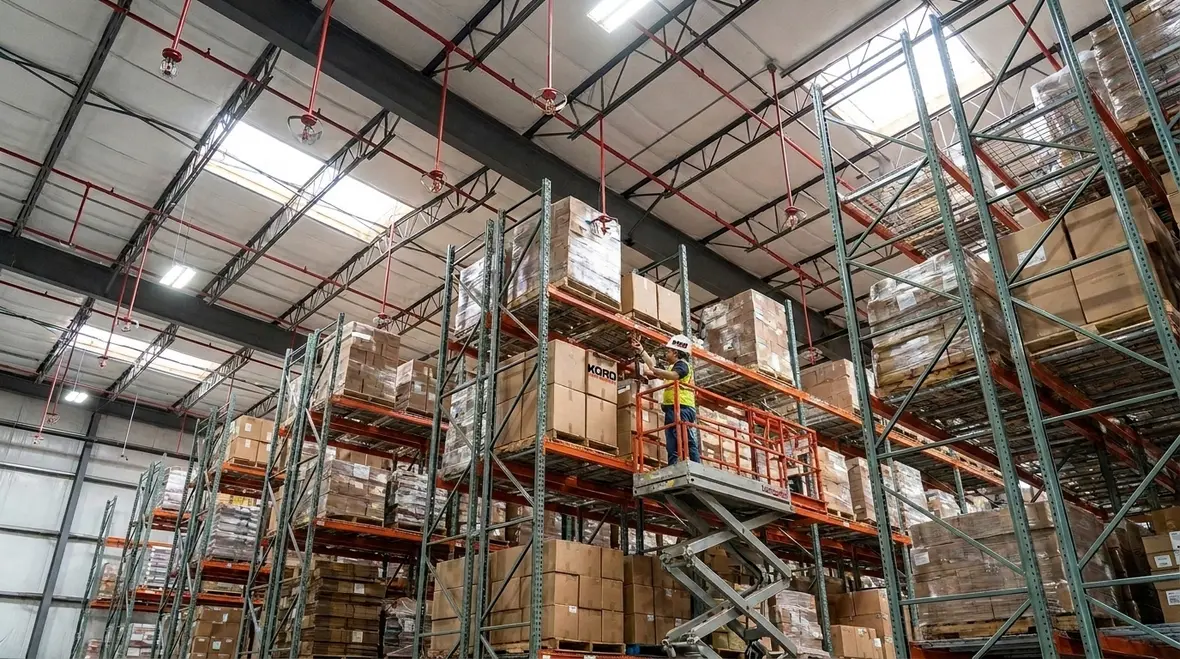
Successful implementation depends on aligning storage configuration with sprinkler capabilities. Key factors include rack height and spacing, aisle widths, and the intended coverage pattern of CMSA ceiling level sprinklers. In-rack sprinklers typically protect individual rack levels while CMSA ceiling level heads protect open areas and aisles. Designers evaluate potential shadow zones where pallet stacks could block spray and adjust head types, orientation, and distances accordingly. The goal is seamless coverage that satisfies NFPA 13 requirements while maintaining access for maintenance and inspection.
For facilities dealing with taller storage arrangements, highbay warehouse sprinkler layout offers helpful context on how rack geometry, open aisles, and discharge patterns affect real-world performance. Sometimes the drawings look clean, and then the storage plan shows up with opinions.
Inspection, Testing and Maintenance Protocols
Maintenance for a NFPA 13 in-rack sprinklers CMSA ceiling-level combination must follow NFPA 25 guidance for both sprinkler families. Regular visual inspections verify placement, obstructions, and corrosion protection. Functional tests verify that each sprinkler type operates as intended under system pressure, and hydraulic testing confirms that combined coverage maintains required flow and pressure. Access to all heads must be unobstructed, and pallet racking should be reviewed for potential interference with spray patterns. A clear inspection cycle helps prevent accidental noncompliance in commercial, industrial, and retail facilities.
Operational Scenarios and Common Failure Points
- Obstruction risk occurs when pallet loads or stored goods extend into spray paths, reducing effective coverage of CMSA ceiling level sprinklers or in rack heads.
- Incorrect head alignment or wrong head type can create spray deficiencies in open areas or on rack levels.
- Hydraulic miscalculations may result in inadequate pressure in the open areas protected by CMSA heads while still meeting in rack requirements.
- Maintenance gaps, such as missed annual tests or inaccessible heads, can lead to undetected performance issues during a fire event.
Addressing these failure points requires disciplined coordination among design engineers, facility managers, and service providers. A qualified partner like Kord Fire Protection brings deep expertise in coordinating design, commissioning, and ongoing maintenance for NFPA 13 in-rack sprinklers CMSA ceiling-level combination systems in commercial facilities.
Frequently Asked Questions
Conclusion and Call to Action
Implementing NFPA 13 Section 25.5 in a commercial, industrial, or retail setting demands rigorous design discipline, precise hydraulic modeling, and disciplined maintenance. Kord Fire Protection provides end to end support from project scoping through commissioning and ongoing testing to ensure the NFPA 13 in-rack sprinklers CMSA ceiling-level combination delivers reliable protection without compromising accessibility or compliance. For a compliant, performance driven solution, contact Kord Fire Protection to schedule a comprehensive design review, installation oversight, and a tailored maintenance program that aligns with NFPA 13 and NFPA 25 standards.

Join Our Newsletter!
Get the latest fire safety tips delivered straight to your inbox From our Newsletter.