NFPA 12 Section 3.4: Special Carbon Dioxide System Definitions
Facility teams dealing with special hazard protection know one thing fast: terminology can make or break a project. If you are also reviewing broader CO2 fire suppression system services, Section 3.4 helps clarify the language behind how those systems are designed, inspected, tested, and maintained.
NFPA 12 Section 3.4 Special Carbon Dioxide System Definitions
NFPA 12 Section 3.4 defines terms used for special carbon dioxide configurations. Understanding the NFPA 12 CO2 special definitions helps facility managers avoid misinterpretation during design, inspection, and testing. This article translates those terms into practical requirements for commercial, industrial, and retail facilities.
Overview: why Section 3.4 matters for commercial facilities
Special carbon dioxide system definitions impact how engineers plan actuation sequences, interlocks, and occupant safety measures. In facilities such as supermarkets, data centers, warehouses, and shopping centers, precise terminology reduces design errors and streamlines AHJ approval. Clear definitions also guide ongoing maintenance and emergency planning for life safety.
Key terms defined under NFPA 12 CO2 special definitions
- Automatic discharge CO2 system – a system configured to release CO2 without manual intervention when detectors or control circuits indicate a fire condition.
- Manual release device – a clearly labeled device that permits immediate discharge under manual control by trained personnel.
- Pre-discharge alarm – audible and visual warnings before CO2 release to allow safe evacuation and equipment shutdown.
- Supervisory interlock – a control interlock that verifies system readiness and stops discharge if unsafe conditions exist.
- Special CO2 system zoning – design approach that segments areas to minimize CO2 impact while protecting critical equipment.
- Discharge verification test – a test protocol intended to confirm that discharge paths and valves operate as intended under controlled conditions.
Why these terms matter in the real world
These are not just tidy glossary entries sitting around looking important. They influence how a system behaves under fire conditions, how operators respond, and how inspectors interpret field conditions when they are reviewing system readiness.
How the definitions shape design actuation and safety measures
Understanding the NFPA 12 CO2 special definitions informs selection of actuating devices, valve arrangements, and control logic. It directs how alarms trigger, how interlocks interact with doors and elevators, and how occupants are alerted. This clarity supports safer, more reliable protection of life and property while aligning with local code requirements.
For facilities with high value equipment or enclosed hazards, it also helps teams decide whether a CO2 arrangement is appropriate as-is or whether the design needs more careful zoning, release sequencing, or evacuation safeguards before anyone signs off with confidence.
Inspection and testing requirements for special CO2 configurations
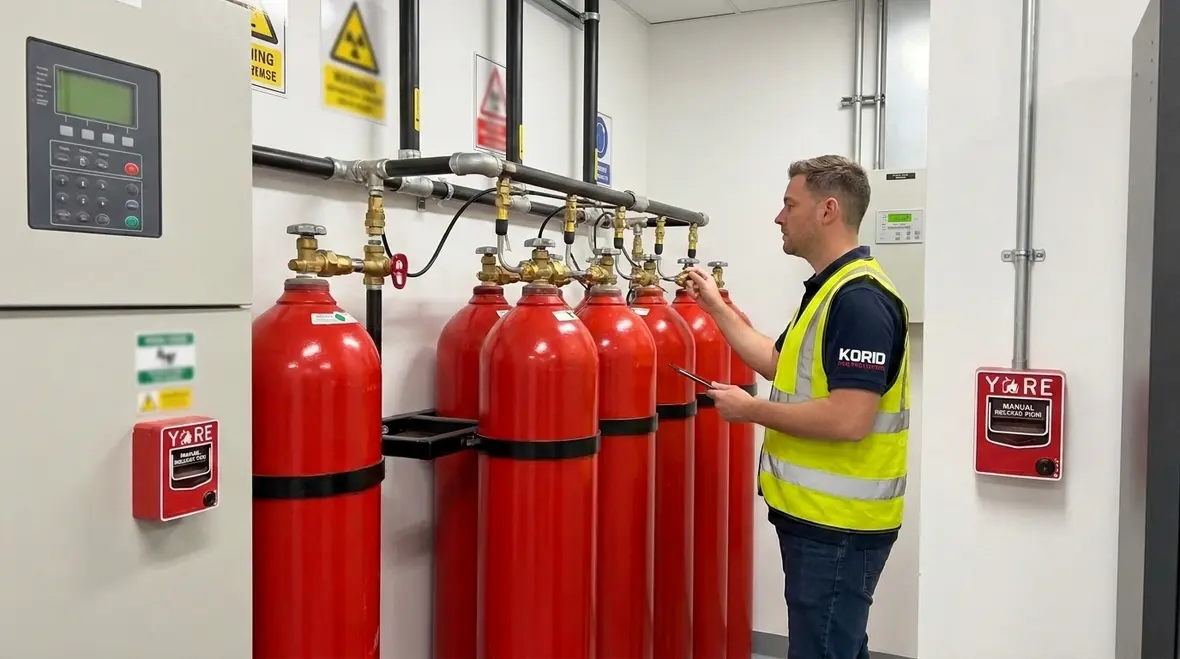
Maintenance programs must reflect the definitions chosen for a site. Common steps include visual checks of cylinders, valves and piping; verification of control panel logic; functional tests of automatic and manual release devices; and coordination with alarm and building automation systems. Many commercial facilities require annual discharge tests with AHJ approval or alternative verification methods.
Testing is where assumptions get embarrassed
A definition may seem crystal clear during design review, but testing is usually where loose assumptions wander into the room and get exposed. That is why control logic, alarms, interlocks, and discharge path verification all deserve serious attention before an emergency does the auditing for you.
Operation maintenance and common failure points to watch for
- Cylinder integrity and hydrostatic testing schedule per manufacturer and NFPA 12 edition.
- Valve leakage and pressure gauge accuracy at relief devices and actuators.
- Piping corrosion, clogging, or insulation damage that impacts discharge effectiveness.
- Nozzle fouling or obstructions that reduce CO2 distribution and zoning accuracy.
- Alarm panel faults interconnect failures and power supply reliability.
- Environmental considerations such as room ventilation that affect CO2 concentration during discharge.
Documentation and compliance challenges in commercial facilities
Proper documentation is essential for ongoing compliance. Drawings must reflect current zoning valve locations and interlocks. Test results maintenance logs and change orders should be retained for AHJ reviews. Coordination with facilities management safety teams and fire protection engineers reduces gaps during inspections.
For a more complete compliance overview, teams can also review this NFPA 12 compliance guide for carbon dioxide extinguishing systems as a useful companion resource.
Frequently Asked Questions
Consolidated guidance for commercial facilities: Leverage the definitions to validate actuation logic alarm sequencing and safety interlocks. Ensure zoning aligns with occupancy patterns and critical equipment protection. Regularly review documentation with the AHJ and senior facilities teams to maintain readiness and compliance with the current NFPA 12 edition.
Call to action For ongoing compliance and maintenance of NFPA 12 CO2 systems in commercial facilities contact Kord Fire Protection. We provide design review installation oversight testing and preventive maintenance to keep your system ready. Schedule a facility assessment today and establish a proactive program that minimizes risk and maximizes readiness.

Join Our Newsletter!
Get the latest fire safety tips delivered straight to your inbox From our Newsletter.