
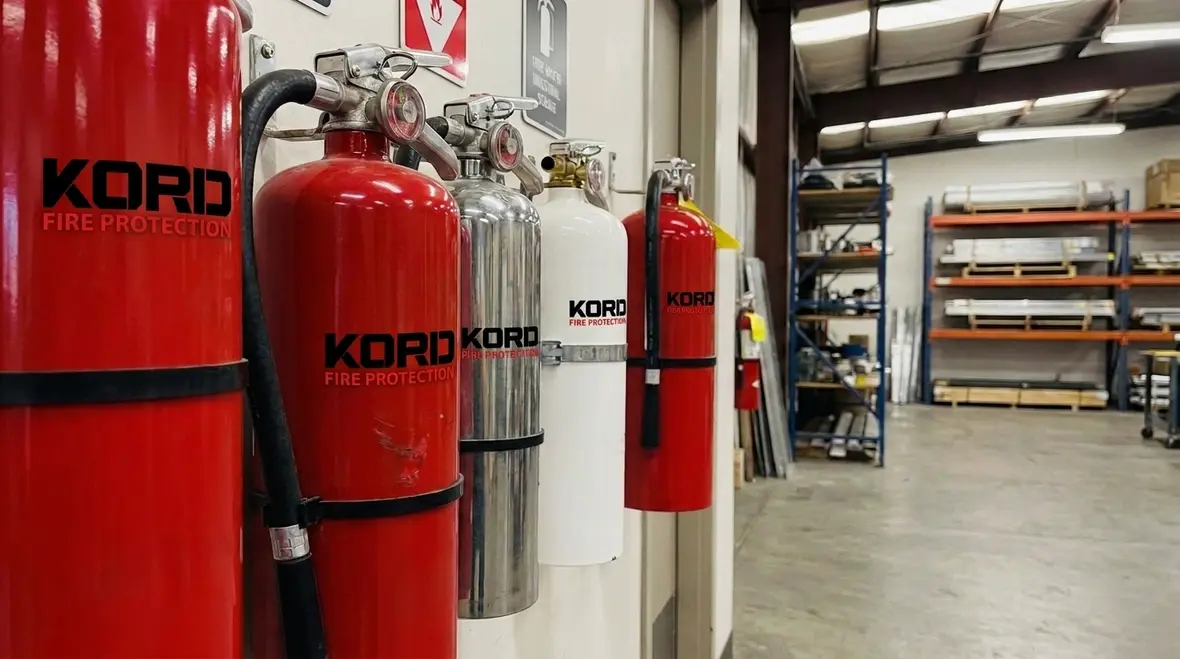
NFPA 10 Section 5.3 Decoding Fire Extinguisher Labels
Quick Answer
NFPA 10 Section 5.3 decodes fire extinguisher labels by class A B C D and K with numeric and letter ratings that show how much fire they can handle. Understanding these ratings helps professionals pick the right extinguisher, reduce risk, and plan maintenance. Kord Fire Protection can partner on selection, testing, and upkeep across Australia, ensuring readiness across industrial and commercial sites.
If your team is also reviewing broader extinguisher support across site, a practical next step is exploring fire extinguisher service and certification so selection, placement, inspection, and documentation all stay aligned.
Understanding NFPA 10 Section 5.3
The journey begins with a clear rule book: NFPA 10 sets the standard for portable fire extinguishers. Section 5.3 focuses on how each extinguisher is labeled with its class ratings. These labels tell a facility what kinds of fires the unit is built to fight and how large a fire it can reasonably control. For facilities in Australia, this knowledge translates into safer layouts and better response planning across industrial, retail, and commercial environments.
How the Classification Labels Work
Class A covers ordinary combustibles like wood and paper. The numeric part, such as 1A or 4A, signals water based effectiveness and roughly how much fuel that extinguisher can handle before it runs out. Class B targets flammable liquids and uses numbers like 2B or 10B to indicate the area a fire might affect in square feet. Class C means the device is safe to use on energized electrical equipment but carries no numeric rating. Class D accounts for metal fires, while Class K is used for cooking fires in commercial kitchens. The presence of C D or K letters shows non metal hazards and certain conditions where electrical spark risk is a concern.
Two Column Quick Reference
- Class A collects wood, paper and cloth fires and uses numerical ratings to show water capacity.
- Class B targets flammable liquids and uses area based numbers to indicate capability.
- Class C marks electrical safety and has no numeric rating.
- Class D is for metal fires and may appear with a number like 5D.
- Class K is for kitchen fires and appears on models designed for cooking hazards.
- Labels often read 4A 60B C or 10B C depending on the model and class combination.
Applying the NFPA 10 Classification in Real World
In practice, selecting extinguishers hinges on the hazard present. A warehouse storing cardboard and pallets leans on A ratings for paper and wood fuels, plus B rated devices near liquid storage. A data center room benefits from C rated extinguishers for electrical equipment without endangering sensitive electronics. Kitchens adopt K units to handle oil based fires. For metal finishing shops a D rating meets metal fire needs. This approach makes a strong difference in incident outcomes and insurance considerations.
Placement matters just as much as the label itself, which is why many facilities also review fire extinguisher placement strategy for compliance in Australia when updating layouts or risk zones.
Industry Applications Across Australia
Australian facilities span from heavy manufacturing bays to busy retail floors and office complexes. Each site has its own risk map. The right mix of portable extinguishers reduces risk, supports safe evacuation, and keeps operations moving. Kord Fire Protection serves industrial, retail and commercial sites across the country, bringing local knowledge, compliant solutions and fast response to the field. Their teams map hazards, select correct class combinations and verify that every unit stays in service and clearly labeled.
Partnering with Kord Fire Protection
Kord Fire Protection becomes a vital partner when safety depends on precise labeling and timely actions. They provide hazard analysis and help choose extinguishers that align with both NFPA style labels and Australian expectations. They handle installation, inspection, hydrostatic testing, recharge, and re labeling. They also offer practical training so teams read labels correctly during a crisis and maintain a calm, effective response. In short, they turn theory into reliable practice on the ground.
For teams tightening procedures and documentation, this also pairs naturally with Kord Fire Protection’s guide to professional extinguisher servicing and liability.
Maintaining Compliance and Readiness
Fire safety is not a one off task. Regular inspections, pressure tests and battery of checks ensure that the labels still reflect the extinguisher’s capabilities. Maintenance keeps the numerical and letter ratings accurate and actionable. Site managers benefit from a documented maintenance schedule, clear labeling, and quick access to service history. Across Australia, these steps support compliant operations, faster responses and reduced downtime after incidents.
For a broader benchmark on the standard itself, Kord Fire Protection also references NFPA 10 portable fire extinguishers guidelines when teams want the bigger picture behind label interpretation and maintenance planning.
Frequently Asked Questions
Conclusion and Call to Action
Understanding NFPA 10 through Section 5.3 empowers facilities to pick the right extinguisher and keep it ready. The right partner makes the difference between a narrow escape and a controlled incident. Contact Kord Fire Protection to tailor a local solutions plan across Australia, combining accurate labeling, smart placement and ongoing upkeep for safer operations.

Join Our Newsletter!
Get the latest fire safety tips delivered straight to your inbox From our Newsletter.


