NFPA 2 Explosion Control, Deflagration Venting Australia
Quick Answer
NFPA 2 Explosion Control focuses on preventing detonations and deflagration events while directing safe venting strategies. It works hand in hand with NFPA 68 deflagration venting guidelines, and it addresses hydrogen hazards among other flammable atmospheres. Kord Fire Protection can become a vital partner by designing, installing, and maintaining these safety systems across Australia.
For facilities planning broader protection improvements, special hazard fire suppression in Australia fits naturally into the same risk conversation, especially where reactive gases, sensitive equipment, or complex industrial processes leave very little room for improvisation.
Introduction
In industrial settings where flammable vapors and dusts swirl through the air, organized safety measures matter. NFPA 2 Explosion Control lays out steps to prevent explosions and to manage deflagration risk through venting and related safeguards. This approach is especially relevant where hydrogen or other highly reactive gases may be present. Hydrogen explosion prevention, deflagration venting NFPA 68 forms a crucial link in the safety chain, guiding vent design and installation. When these standards are woven into a facility’s culture, operations remain steady under pressure rather than cracking under it. The goal is not drama but reliability, not tension but calm execution, with Kord Fire Protection standing ready to help organizations implement these proven practices.
Overview of NFPA 2 Explosion Control: Prevention and Deflagration Venting
NFPA 2 outlines a comprehensive framework for reducing explosion risk in facilities that handle flammable materials. It calls for a layered defense: prevention of ignition sources, control of process conditions, and the use of deflagration venting when containment cannot be kept completely safe. The standard emphasizes clear responsibilities, robust equipment, and ongoing testing. In practice, it means careful design, good housekeeping, and regular maintenance. The result is a safer environment that keeps productivity moving forward without unnecessary interruptions.
Hydrogen and Flammable Gases in Industry
Flammable gases such as hydrogen create unique challenges. Their low ignition energy and wide flammability range demand strict controls. NFPA 2 teams up with NFPA 68 to address these realities. The aim is to minimize ignition opportunities and to provide safe paths for pressure relief if an incident occurs. Facilities across industrial sectors in Australia face these risks daily. Therefore, understanding how prevention and venting complement each other is essential for managers and engineers alike.
Deflagration Venting Essentials
Deflagration venting serves as a controlled release path for pressure waves that could otherwise rupture equipment or compromise containment. NFPA 68 guides vent sizing, placement, and the selection of venting devices so that pressure rises are kept within safe limits. When designed correctly, venting reduces peak pressures, protects process equipment, and buys precious seconds for emergency response. In practice, this means vents must be reliable, durable, and properly maintained to function when it matters most.
Prevention Strategies under NFPA 2
The heart of NFPA 2 lies in prevention first. Facilities should implement:
- clear ignition control measures and electrical reliability
- rigorous process safety management and regular audits
- proactive leak detection and prompt repair programs
- tight equipment design that minimizes hot surfaces and contact with flammable atmospheres
- disciplined housekeeping and training so everyone knows how to respond
- effective monitoring systems that alert teams before conditions become critical
Design and Implementation: Kord Fire Protection as a Partner
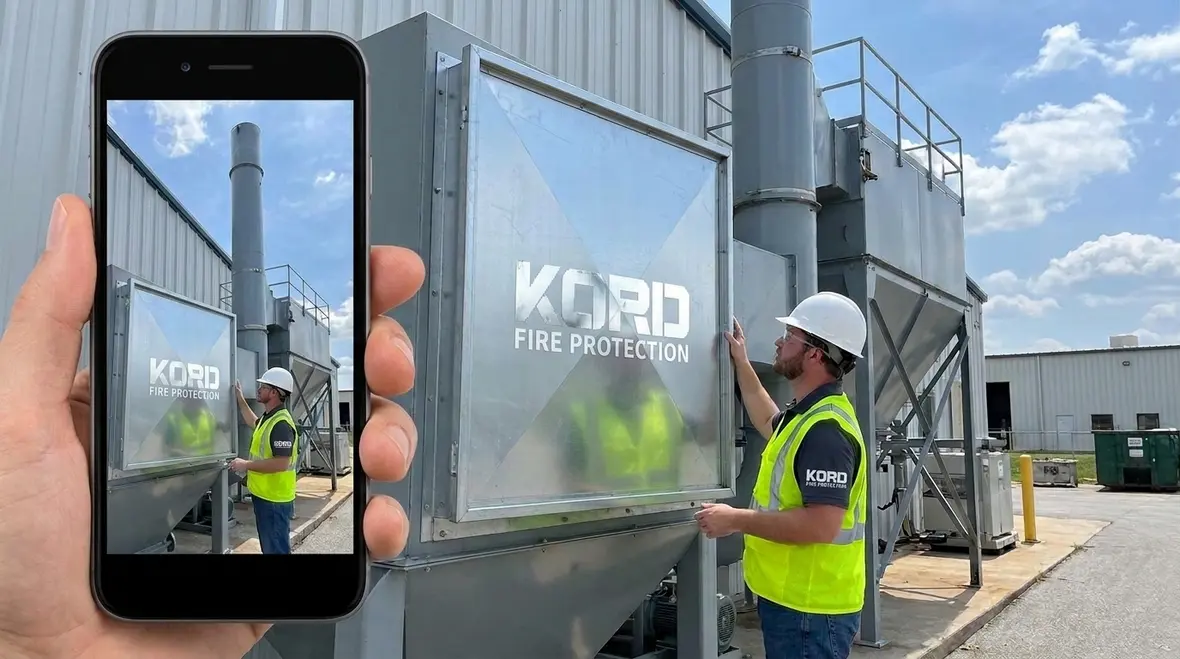
Kord Fire Protection brings a practical, hands on approach to these complex safety needs. The firm can help with assessment, design, installation, and ongoing maintenance. They translate codes into reliable, field ready systems that fit real world operations in industrial, retail, commercial, and facilities settings across Australia. By coordinating with engineers, operations teams, and safety managers, Kord Fire Protection ensures that NFPA 2 strategies align with local requirements and cost constraints. In short, Kord Fire Protection can become a vital partner with this service.
That implementation discipline becomes even stronger when paired with NFPA 3 commissioning and maintenance practices, which help verify that integrated fire protection systems are tested, coordinated, and ready to perform when the pressure is real and the room suddenly gets a lot less relaxed.
Two Pillars of Safety: Prevention and Venting
Column A: Prevention
This pillar focuses on stopping incidents before they start. It covers reliable equipment selection, safe process design, ignition source control, and continuous monitoring. The emphasis is on reducing the odds of a dangerous event through disciplined engineering and vigilant operation.
Column B: Venting
This pillar provides a safety valve when prevention alone cannot prevent an event. It encompasses deflagration venting design, proper vent location, and validated vent performance. The aim is to manage pressure safely, protect personnel, and preserve critical assets by letting energy escape in a controlled way.
Compliance and Global Standards in Australia
Australian facilities often blend local codes with international standards. NFPA 2 and NFPA 68 offer valuable guidance, but they must be adapted to the operating context, building types, and regulatory environment found Down Under. The best practice is to apply NFPA concepts in a way that supports regulatory compliance, protects human life, and minimizes downtime. With the right partner, facilities can realize a smooth integration that respects both safety and business realities.
Real World Applications Across Industries in Australia
Factories, warehouses, retail centers, and office campuses benefit from a thoughtful approach to explosion control. Industrial plants find value in prevention focused maintenance, while commercial complexes appreciate predictable operations and faster emergency response. In retail environments with extensive ventilation needs and complex electrical systems, NFPA 2 based designs help maintain safe conditions during peak activity. Across all these sectors, Kord Fire Protection provides tailored solutions that address site specifics, operational hours, and budget constraints.
Frequently Asked Questions
Conclusion
NFPA 2 Explosion Control empowers facilities to prevent explosions and to manage deflagration risks with tested venting strategies. Integrating NFPA 68 guidelines for deflagration venting strengthens protection for personnel and assets. For industrial retail and commercial sites across Australia, partnering with Kord Fire Protection ensures practical, compliant, and reliable safety solutions. Contact Kord Fire Protection today to build a safer future.

Join Our Newsletter!
Get the latest fire safety tips delivered straight to your inbox From our Newsletter.