NFPA 1 Section 43.11 Spray Operation Training and Safety
Quick Answer: NFPA 1 Section 43.11 sets the tone for safe spray operations by requiring proper training, control of flammable materials, and disciplined work practices. For industrial, commercial, and facility teams across Australia, this matters because it lowers fire risk, supports compliance, and helps keep production moving without costly drama.
NFPA 1 Section 43.11 matters because spray work can turn serious fast. In the world of spray operation training NFPA, coating process training fire code, and spray painting safety training, the goal is simple: keep people safe, protect property, and stop a small mistake from becoming a headline. In busy industrial, retail, and commercial facilities, spray application often happens around fuels, dust, heat, and live operations. That is not a place for guesswork. It is a place for clear training, solid controls, and a calm, capable team. And yes, the paint may dry, but the consequences of poor practice can stick around a lot longer.
Facilities that need broader support can also benefit from fire suppression system services that connect spray area hazards with the larger protection strategy across the site. That link matters because spray work does not live in isolation. It affects equipment, people, ventilation paths, and emergency response all at once.
What NFPA 1 Section 43.11 Means for Spray Work
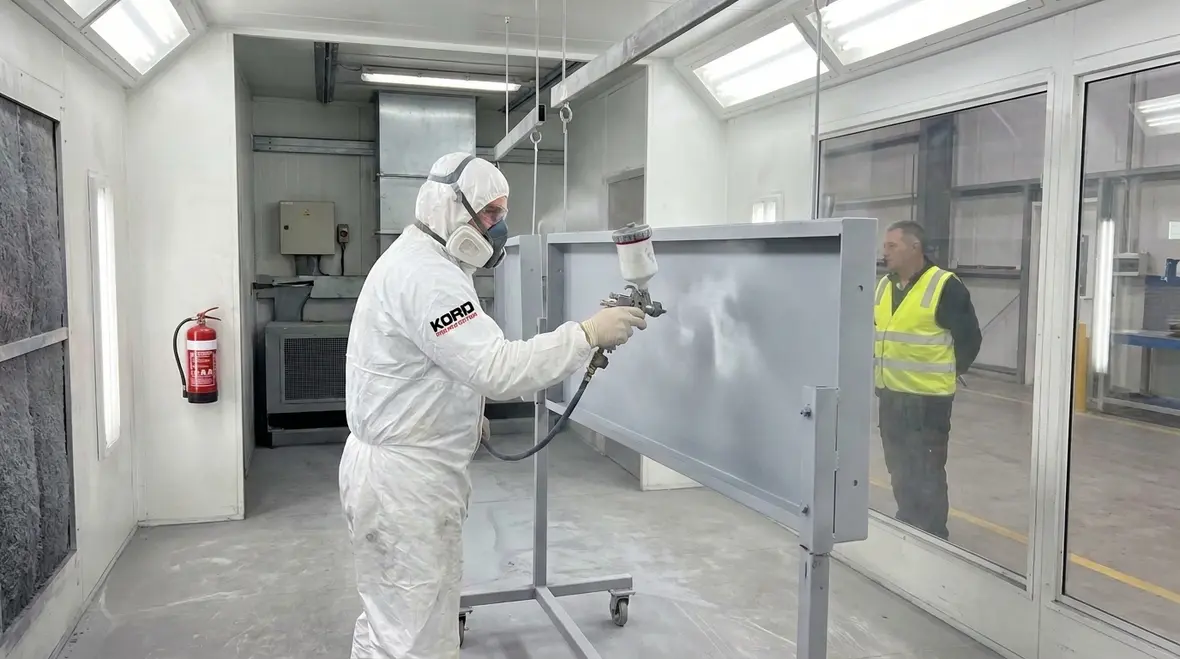
NFPA 1 Section 43.11 focuses on spray operations that can create ignition risk through vapors, overspray, and airborne particles. It expects workers to understand the hazards before they start spraying. That includes safe handling of coating materials, control of ignition sources, and proper use of spray equipment. In plain language, the code wants the team to know what can go wrong and how to stop it before it starts.
For Australian facilities, this approach fits well with broader fire safety goals. Although local rules and site requirements still guide the final setup, the code gives a strong base for safer spray rooms, booths, and work areas. As a result, facilities can build training that supports both compliance and day to day control. A good starting point for related reading is NFPA 1: A Comprehensive Guide to Fire Prevention and Safety, which helps frame how this section fits into the larger code picture.
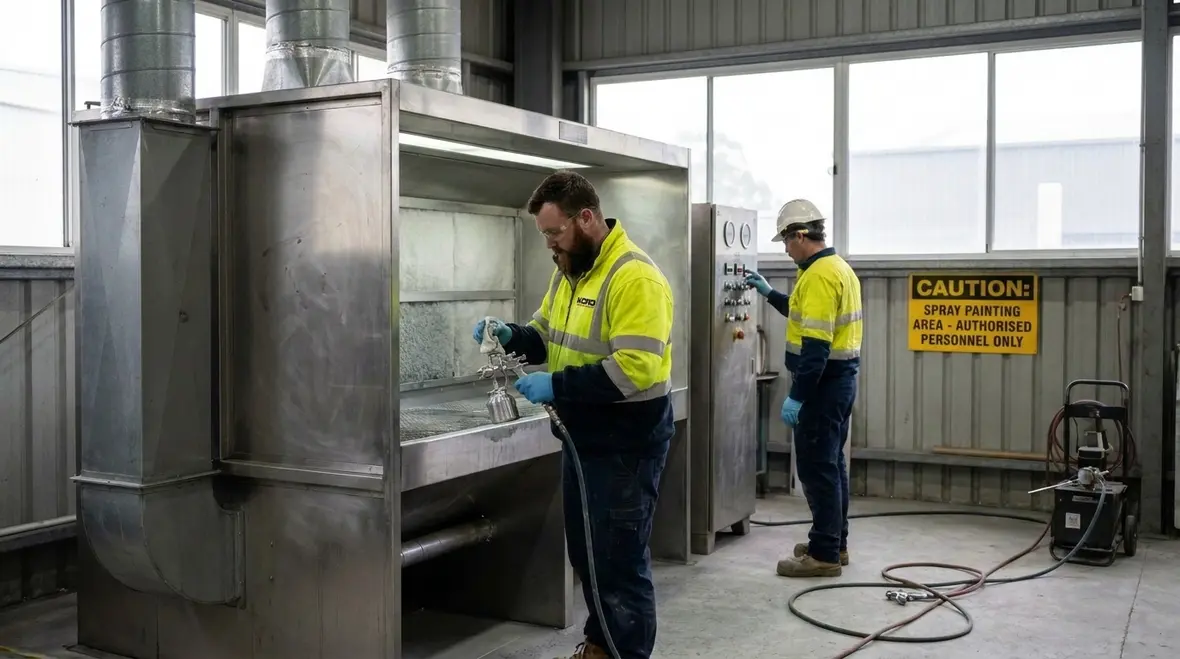
Why Spray Operation Training Matters on Real Sites
Spray work is not just a skill issue. It is a risk issue. A trained operator understands how to manage overspray, ventilation, storage, cleaning, grounding, and shutdown steps. Without that knowledge, even a routine coating job can create vapor buildup or ignition exposure. That is where spray painting safety training becomes more than a box to tick. It becomes part of the site’s fire defense.
Here is the real point. The code does not ask for heroes. It asks for consistency. When teams follow the same process every time, they reduce the chance of error. That kind of discipline matters in manufacturing plants, maintenance depots, warehouses, shopping centers, and large commercial sites where spray work may happen alongside other active tasks.
Training Works Best When It Mirrors the Actual Workflow
A useful training program follows the same sequence workers follow on the floor: prep, setup, spray, pause, clean, and shut down. That sounds obvious, but obvious things are often the first things skipped when everyone is busy. Workers remember steps better when the training reflects what they actually touch, move, store, and monitor during the job. It also gives supervisors a cleaner way to verify that the process is being followed instead of relying on vague assumptions and crossed fingers.
- Identify flammable or combustible coating products before use
- Check ventilation and airflow before any spray work begins
- Control ignition sources near spray zones
- Use correct grounding and bonding where needed
- Store coatings, thinners, and waste safely
- Clean spray tools and work areas after each job
- Wear the right personal protective equipment for the task
- Train workers to stop work if conditions change
These steps may sound simple, but so does “don’t put your hand on a hot stove.” Simple advice saves a lot of trouble. In spray environments, simple advice also keeps little errors from stacking into a very expensive day.
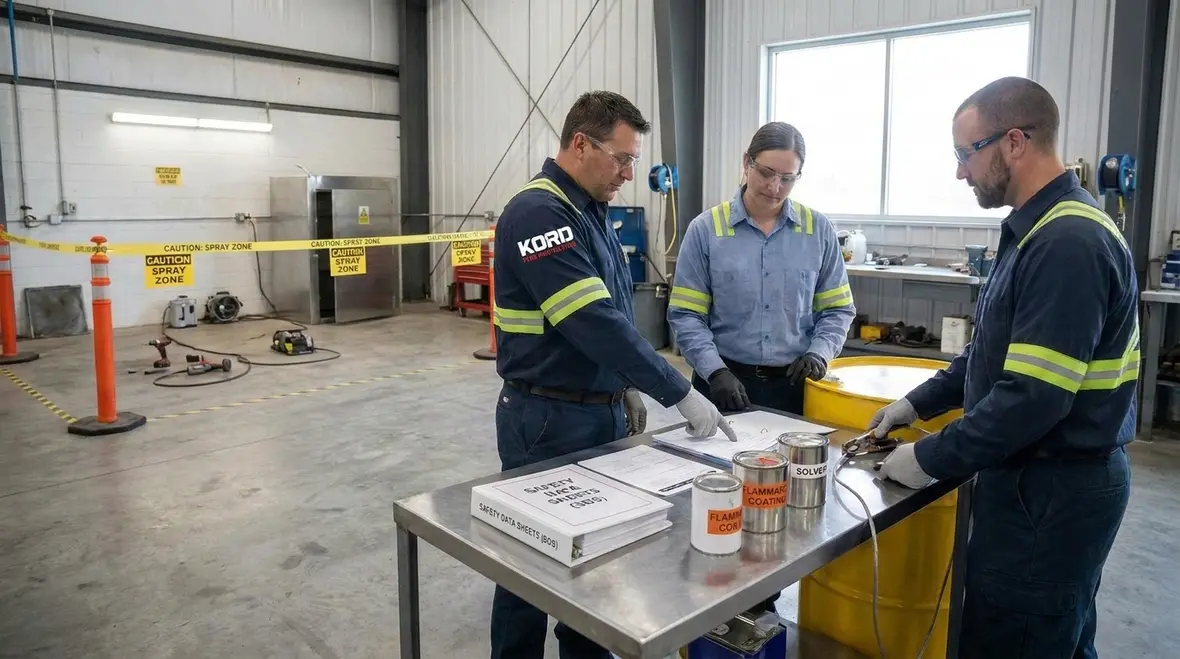
How Kord Fire Protection Can Support This Job
This is where Kord Fire Protection becomes a vital partner. Facilities do not only need training content. They need a team that understands how spray work connects to fire systems, site controls, and practical risk management. Kord Fire Protection can help facilities assess spray areas, align training with fire code needs, and support safer work practices across industrial and commercial sites.
Just as important, Kord Fire Protection can work with site leaders to review how spray operations affect detection, suppression, ventilation, and emergency planning. That matters because a spray booth or coating area does not exist in a vacuum. It sits inside a wider fire safety system. When that system works well, the whole site benefits. When it does not, the damage can spread faster than gossip in a break room after a missed deadline.
| Training focus | Site benefit |
| Hazard awareness | Lower chance of fire and exposure incidents |
| Safe spray setup | Better control of vapors, overspray, and ignition sources |
| Emergency response steps | Faster action during a leak, fire, or equipment fault |
| Fire system alignment | Stronger protection for people, assets, and operations |
Why System Alignment Matters More Than People Think
Spray safety training is strongest when it connects to real system behavior. If a site has suppression equipment, alarms, interlocks, or ventilation controls, the team should know how those systems respond during an abnormal event. That kind of awareness keeps a worker from improvising at the worst possible time. It also helps managers spot gaps between written procedures and actual site conditions before those gaps become a problem with flames attached.
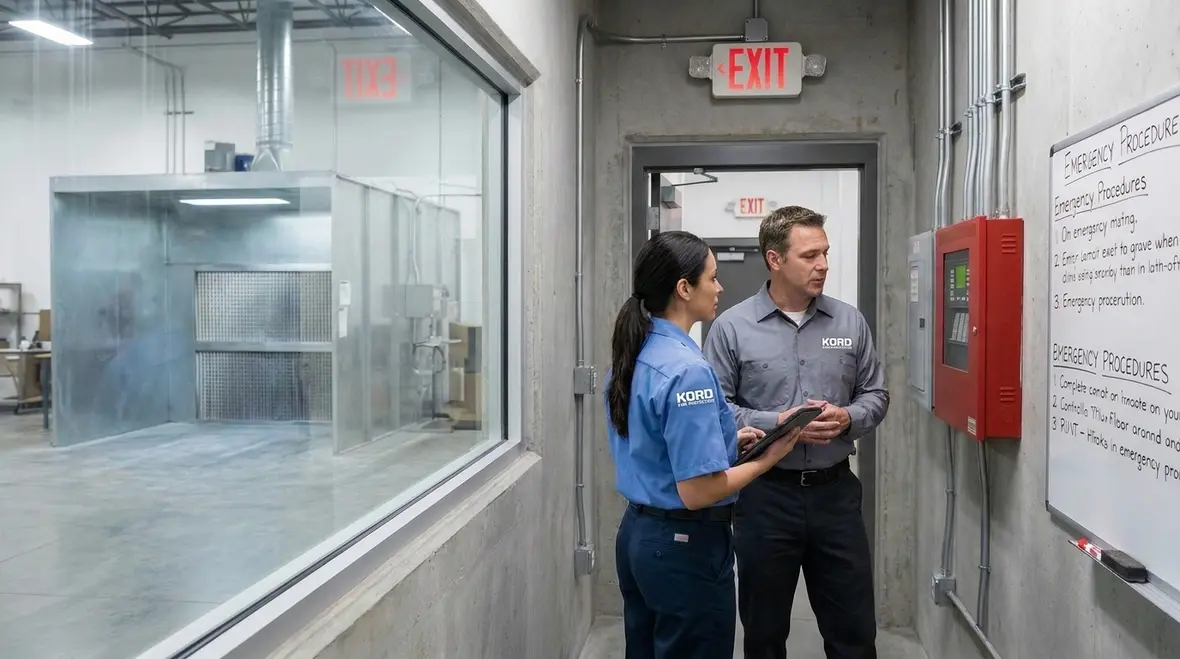
How Coating Process Training Fire Code Supports Compliance
Coating work often looks routine, but the fire risk depends on the product, the method, and the site conditions. That is why coating process training fire code should connect the rulebook to the actual workflow. The best programs do not drown workers in legal language. Instead, they show how the code applies to loading materials, running equipment, handling waste, and shutting down safely.
For managers, this also helps with audits and internal reviews. When training matches the actual process, supervisors can see gaps faster. Then they can fix them before an incident, not after one. That is a much cheaper lesson, and it usually comes with less paperwork and fewer sighs.
A Good Program Explains the Why, Not Just the What
Workers are far more likely to follow a shutdown step, storage rule, or cleaning sequence when they understand why it exists. Telling someone to keep ignition sources out of the spray zone is useful. Explaining that vapors can travel, pool, and find an ignition point outside the obvious work area makes that instruction stick. Good training turns compliance from a chore into common sense, which is a much nicer place for safety to live.
What a Strong Training Program Should Include
A useful program should give workers clear steps, not vague warnings. It should also match the site’s equipment and material types. After all, a retail fit out spray task and a heavy industrial coating line do not live in the same universe, even if both smell like trouble on a warm day.
Strong programs usually include:
- Material specific hazard review
- Spray booth or spray zone rules
- Cleaning and maintenance routines
- Fire watch and shutdown procedures
- Incident reporting and escalation steps
- Supervisor checks and refresher training
It also helps to document who was trained, what materials were covered, and when refresher training is due. That is not glamorous work, but neither is explaining to an auditor why the records vanished into the same mysterious void that eats spare markers and good pens. Clean records support clean accountability, and both are helpful when the site is busy.
Why Australian Facilities Need This Now
Across Australia, businesses face tighter pressure on safety, uptime, and compliance. At the same time, facilities often run with mixed operations, outside contractors, and changing work schedules. That mix raises the risk level around spray tasks. Therefore, training must be simple, practical, and repeated often enough to stay useful.
When facilities take NFPA aligned spray training seriously, they build better habits. They also protect workers who may not deal with spray work every day but still work nearby. That wider protection is a big deal in large sites, where one careless spark can affect more than one department and ruin more than one week.
There is also a practical business reason to act now. Sites that build repeatable spray safety procedures tend to reduce unplanned disruption, simplify supervisor oversight, and improve confidence during reviews. Nobody gets excited about training records and shutdown steps until the day they desperately wish those things were already in place. By then, the lesson usually costs more than the training ever would have.
FAQ
Conclusion
NFPA 1 Section 43.11 gives facilities a clear path toward safer spray work. With the right training, strong controls, and support from Kord Fire Protection, teams can cut risk and keep operations steady. For industrial, retail, and commercial sites across Australia, now is the time to tighten spray safety before trouble gets a chance to join the shift.
The biggest win is not just compliance on paper. It is a crew that knows what to do, why it matters, and how to respond before a normal coating task turns into a site emergency. That kind of steadiness protects people, supports production, and keeps the whole operation a lot less exciting in the ways that nobody wants.

Join Our Newsletter!
Get the latest fire safety tips delivered straight to your inbox From our Newsletter.