NFPA 1 Section 40.10 Dust Explosion Inspection and Maintenance
Quick Answer
NFPA 1 Section 40.10 calls for strong dust explosion inspection and maintenance practices to help facilities reduce fire and explosion risk. For industrial, retail, and commercial sites across Australia, this means regular checks, good housekeeping, safe equipment care, and clear records. Kord Fire Protection can support this work with expert service, practical guidance, and dependable compliance help.
When facilities need broader support beyond a single checklist, full fire protection services can fit naturally into the plan by tying inspections, maintenance, repairs, and readiness into one clearer process.
What NFPA 1 Section 40.10 Means for Dust Safety
NFPA 1 Section 40.10 focuses on dust explosion inspection and maintenance because fine combustible dust can turn a normal work area into a serious hazard. In plain terms, dust does not need to look dramatic to be dangerous. It only needs the right mix of fuel, air, heat, and a weak moment. That is all it takes for trouble to show up uninvited.
For facilities handling grain, food products, timber, plastics, metals, textiles, or powders, this section reinforces the need for regular checks and steady upkeep. A strong combustible dust maintenance program helps limit buildup on surfaces, inside equipment, and around hidden spaces. It also supports dust hazard inspection testing requirements by making sure risks are found before they grow teeth.
Why Combustible Dust Maintenance Matters in Busy Facilities
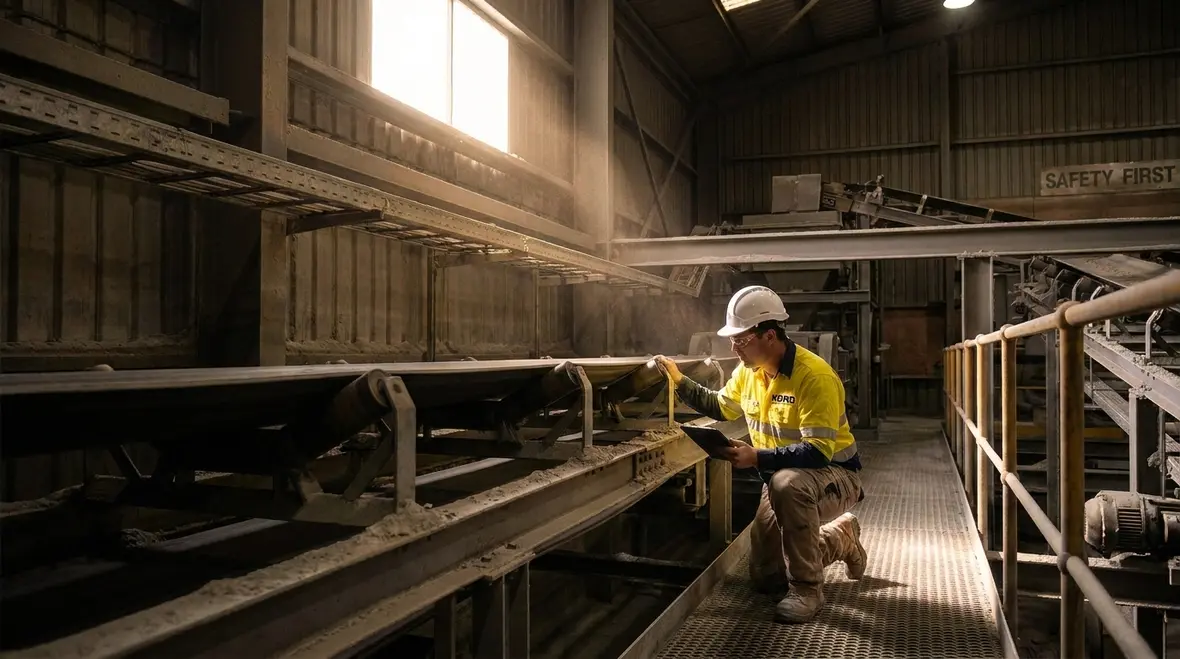
Dust often builds slowly, which is why many teams miss it until a shutdown, audit, or incident forces a closer look. However, once dust settles on beams, motors, ductwork, ledges, or machinery, it can create a layered risk. One spark, one hot surface, or one static discharge can turn a mild issue into a major event.
Good combustible dust maintenance does more than keep areas tidy. It helps protect staff, equipment, stock, and production schedules. It also supports compliance across industrial, retail, and commercial sites that may store or process dust producing materials. A clean site is not just a neat site. It is a safer site, and that is the kind of business trend that never goes out of style.
The slow buildup problem
One reason combustible dust hazards get underestimated is that they rarely arrive with a dramatic entrance. Dust settles quietly during production, transfer, cutting, blending, polishing, or packaging. Over time, the site adapts to seeing it. Staff walk past it, supervisors accept it as part of the process, and before long the hazard becomes part of the furniture. That is a terrible promotion for dust, and yet it happens all the time.
Once that mindset takes hold, maintenance turns reactive. Teams clean when someone complains, when access becomes difficult, or when an inspection date starts looming like a deadline in a disaster movie. NFPA focused dust safety pushes facilities toward routine action instead. The goal is to make inspection and maintenance normal, scheduled, and boring in the best possible way. In fire safety, boring is beautiful.
Dust Explosion Inspection NFPA Steps That Support Compliance
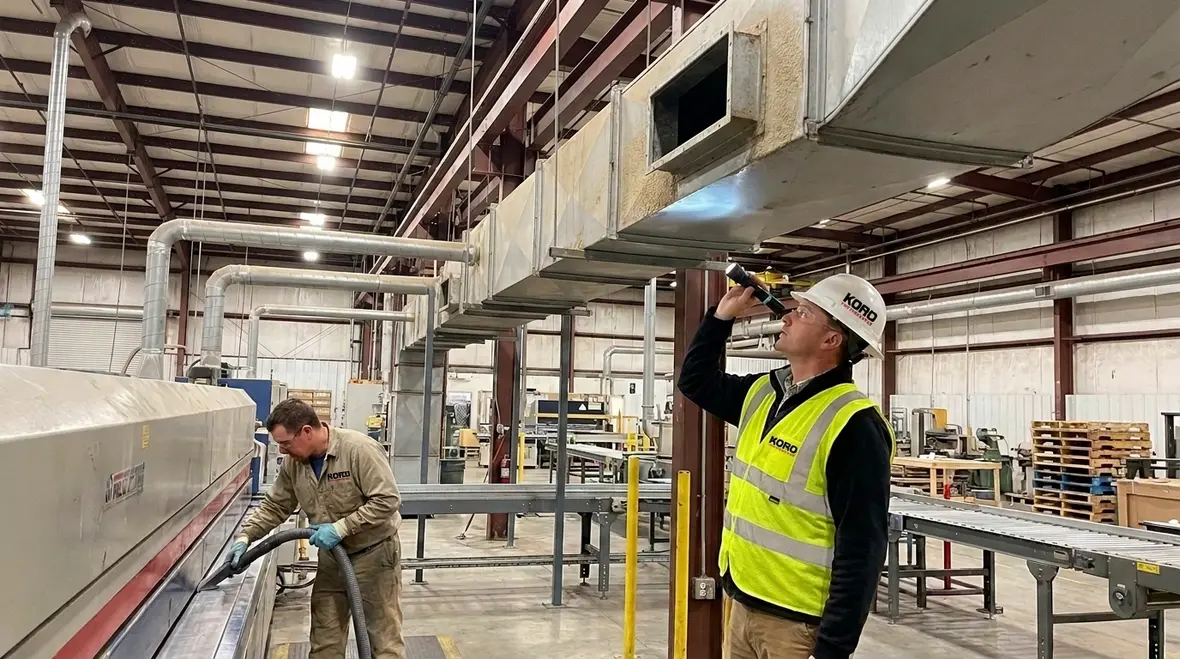
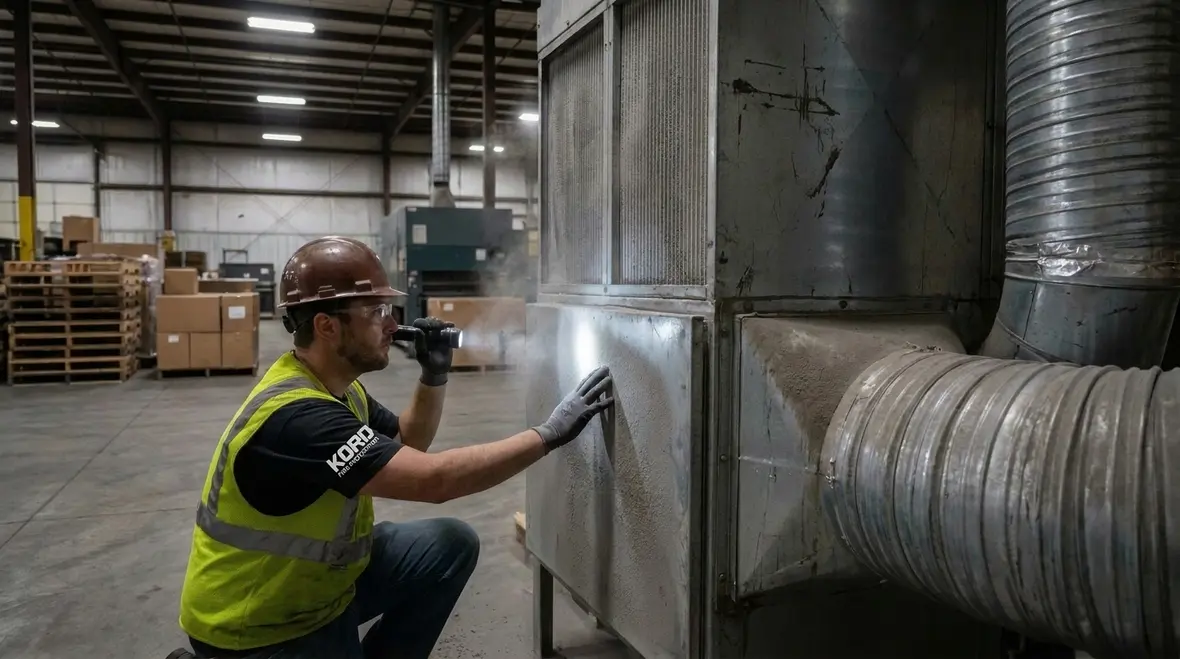
A proper dust explosion inspection NFPA approach should look at both visible and hidden risk points. First, teams should identify where dust is created, moved, stored, or collected. Then they should review surfaces, equipment, ventilation systems, and enclosed spaces where dust may gather unnoticed.
Inspection teams should also check for ignition sources. These include electrical faults, friction, hot bearings, static build up, and overheated machinery. Furthermore, the inspection process should confirm that control measures work as intended. This may include dust collection systems, cleaning methods, isolation controls, and maintenance schedules.
In short, the goal is not to wait for a problem to announce itself like a bad sequel. The goal is to find weak points early and keep them from becoming costly surprises.
What a useful inspection actually includes
A good inspection is more than a quick walk-through with a clipboard and optimistic energy. It should map the full dust journey through the site. Where is material introduced? Where is it processed? Where does it spill, drift, settle, or get trapped? Which parts of the process create heat, friction, or static? Which spaces get opened every day, and which ones stay out of sight until a shutdown? Those questions help turn inspection from guesswork into control.
That is also why maintenance staff, operations teams, and safety leads should not work in separate little islands. The people who clean, repair, run, and supervise the equipment each see different parts of the hazard. When they share that view, inspections become much sharper. When they do not, risk hides in the gaps and quietly enjoys the privacy.
How Inspection and Testing Work Together
Dust hazard inspection testing requirements often support the broader inspection process by showing how dust behaves in a real environment. Testing can help determine dust combustibility, ignition sensitivity, and explosive potential. As a result, facility leaders can make better choices about controls, cleaning, and equipment care.
Inspection alone shows where risks sit. Testing shows how serious they may be. Together, they create a more complete picture. This matters because some dusts act differently depending on particle size, moisture, material type, and process conditions. Therefore, one site’s safe method may not suit another site at all.
That combined view is especially useful when a facility is changing products, upgrading machinery, altering airflow, or increasing production speed. Even a process that felt stable last year may behave differently after a layout change or equipment replacement. Dust hazards do not care that the project stayed under budget. They only care about conditions.
Where Facilities Usually Miss the Risk
Many sites focus on the obvious areas, yet dust problems often hide in places that do not draw attention. For example, overhead beams, light fixtures, cable trays, roof spaces, machinery guards, and duct runs can all trap fine dust. Meanwhile, some teams clean visible surfaces but skip internal equipment or hard to reach spaces.
Common gap areas
- Overhead structures and ledges
- Conveyors and moving parts
- Dust collectors and filter systems
- Electrical panels and nearby surfaces
- Storage rooms and transfer points
Because of that, a strong inspection routine should cover both floor level and elevated areas. Otherwise, the site may look fine at first glance while quietly collecting risk like a villain hiding in plain sight.
Why hidden areas stay hidden
Hidden dust risk often comes down to access, ownership, and habit. Elevated structures need lifts or shutdown time. Internal equipment spaces may require lockout steps. Some areas fall into the awkward zone where operations assumes maintenance owns it, maintenance assumes cleaners handle it, and cleaners quite reasonably wonder why anyone thinks they should open machinery panels. Without clear responsibility, dust wins by default.
That is why a practical program should name the areas, define access methods, assign responsibility, and set review timing. Once those four things are clear, hidden hazards become much less mysterious. They are still inconvenient, of course, but at least they stop pretending to be invisible.
How Kord Fire Protection Supports Dust Explosion Inspection
Kord Fire Protection can become a vital partner by helping facilities build a practical path to better compliance and safer operations. Their support can strengthen inspection routines, maintenance planning, and hazard awareness across a wide range of sites. Just as important, they can help teams move from reactive cleanups to planned prevention.
For Australian industrial, retail, and commercial environments, this kind of support matters because each site has its own layout, materials, and risk level. Kord Fire Protection can assist with site reviews, maintenance coordination, and fire safety planning that fits the real world, not just the binder on the shelf. And yes, the binder matters, but only if the site does too.
Facilities looking to connect dust safety planning with wider code readiness can also explore NFPA 1: A Comprehensive Guide to Fire Prevention and Safety. It fits naturally into the conversation because dust control works best when inspection, maintenance, and overall fire prevention are aligned instead of handled as separate little worlds.
How to Build a Practical Inspection Plan
A strong plan should start with a risk review of the site, followed by regular inspections and defined cleaning tasks. Next, the plan should assign clear duties so teams know who checks what and when. After that, records should show findings, repairs, and follow up work. That paper trail helps prove control and keeps the process honest.
Dual column guide
Inspection focus
Dust layers on surfaces
Hidden dust in equipment
Ignition sources
Cleaning frequency
Maintenance records
Why it matters
They can fuel fire spread
They can increase explosion risk
They can trigger ignition
It keeps buildup under control
They show compliance and action
Also, training matters. Staff should know where dust forms, how to report buildup, and what to do if they spot a fault. That knowledge turns compliance from a chore into a working system.
The best plans also build in review points. If inspections keep finding the same buildup in the same places, the answer may not be more cleaning. It may be a process change, better containment, equipment repair, or a new maintenance interval. In other words, the plan should not just collect information. It should be willing to learn from it, which is more than some office printers can say.
FAQ
Take the Next Step
NFPA 1 Section 40.10 gives facilities a clear reason to treat dust risk with care. Kord Fire Protection can help turn that duty into a simple, workable system that supports safety and compliance. For Australian sites that want fewer surprises and stronger control, the next step is clear: review the site, tighten the plan, and bring in the right partner.
When inspection, maintenance, training, and documentation all work together, dust safety stops being a patch job and starts acting like a system. That is the real value of Section 40.10. It encourages consistent action before an ignition source, hidden layer, or missed maintenance item decides to make itself memorable for all the wrong reasons.

Join Our Newsletter!
Get the latest fire safety tips delivered straight to your inbox From our Newsletter.