NFPA 1 Section 11.10 In Building Radio Fire Code Coverage
Quick Answer: NFPA 1 Section 11.10 focuses on emergency responder communication systems that help fire crews stay connected inside buildings where radios may fail. For industrial, retail, and commercial facilities across Australia, this means safer response, faster action, and fewer delays. Kord Fire Protection can support this work with planning, installation, testing, and code aligned service.
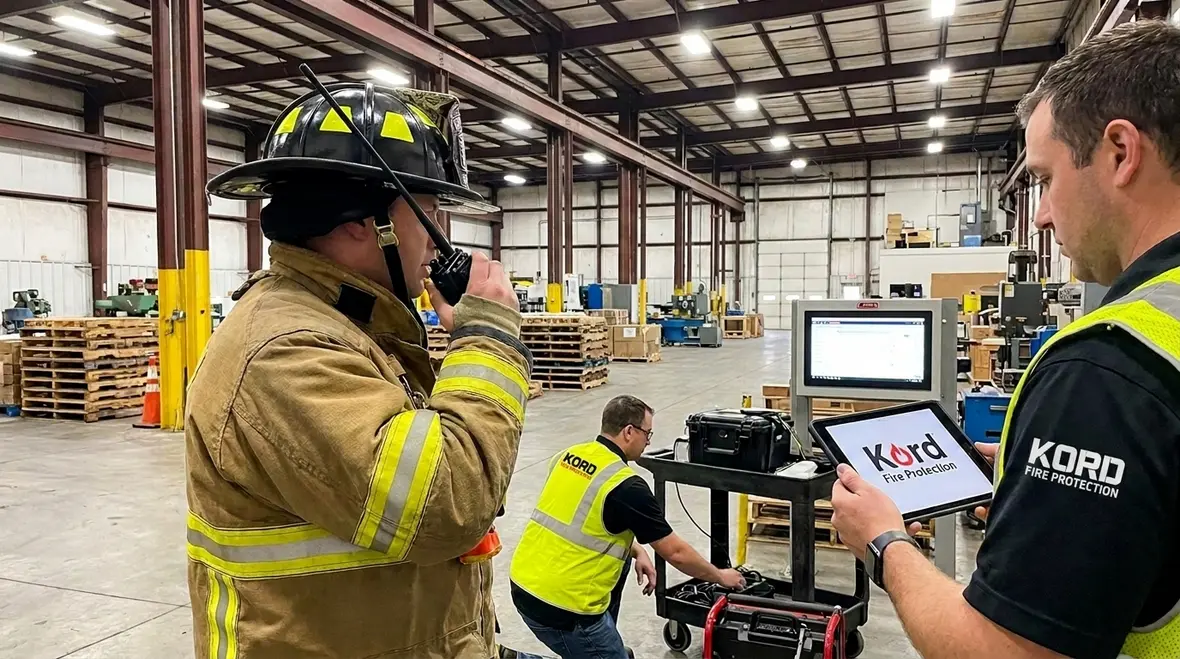
When a fire crew enters a large building, clear radio contact can mean the difference between control and chaos. That is where responder communication enhancement, in building radio fire code planning, and firefighter communication systems come into play. NFPA 1 Section 11.10 sets the path for reliable in building signal coverage, so responders do not lose contact just when the pressure rises. In the real world, that is not just compliance. It is survival with a radio on.
For industrial plants, shopping centres, warehouses, and office towers across Australia, this topic matters every day. Metal walls, deep basements, lifts, plant rooms, and heavy construction can weaken radio signals. Therefore, a proper system does more than tick a box. It supports fast decisions, smooth evacuation, and safer fireground operations. For facilities that need broader system support, full fire protection services can fit naturally into planning for responder communication, testing, and long term readiness. Kord Fire Protection can become a vital partner in this service because the company helps facilities plan, install, test, and maintain systems that keep responders connected when it counts.
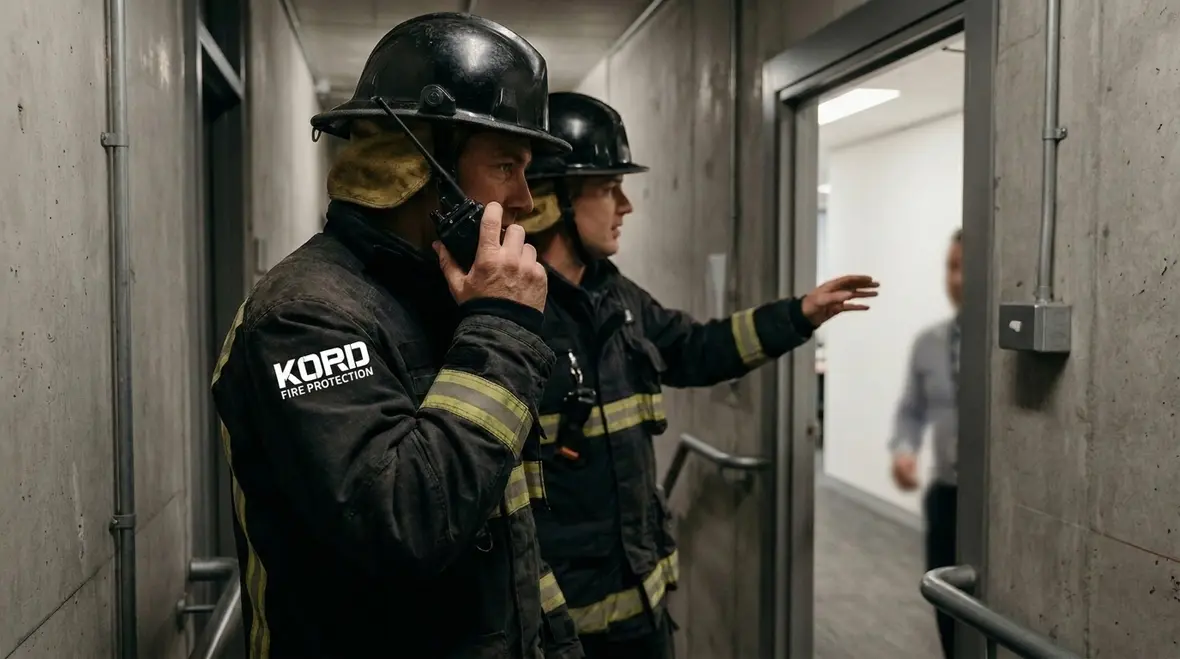
What NFPA 1 Section 11.10 means for modern buildings
NFPA 1 Section 11.10 requires buildings to provide dependable communication support for emergency responders inside the structure. In simple terms, fire crews must be able to talk to each other and to command teams without dead spots ruining the day. That sounds obvious, yet buildings often fight back with steel, concrete, and layers of infrastructure. As a result, this section pushes owners and managers to treat communication as a core life safety feature, not a side project.
This is why firefighter communication systems matter so much in large facilities. A strong system helps responders move through stairwells, basements, loading docks, and service areas with better confidence. It also supports command decisions during evacuation, rescue, and suppression. In short, the building should not become the villain in the story. It already has enough drama.
Why code aligned communication support belongs in the life safety plan
Too often, communication gets treated like a bonus feature instead of a core response tool. Yet when alarms activate, smoke spreads, and crews split across floors, dependable radio coverage becomes part of the building’s operational backbone. It helps connect search teams, stairwell movement, command updates, and evacuation coordination. That makes it far more than a technical add on. It becomes a practical piece of the site’s fire strategy.
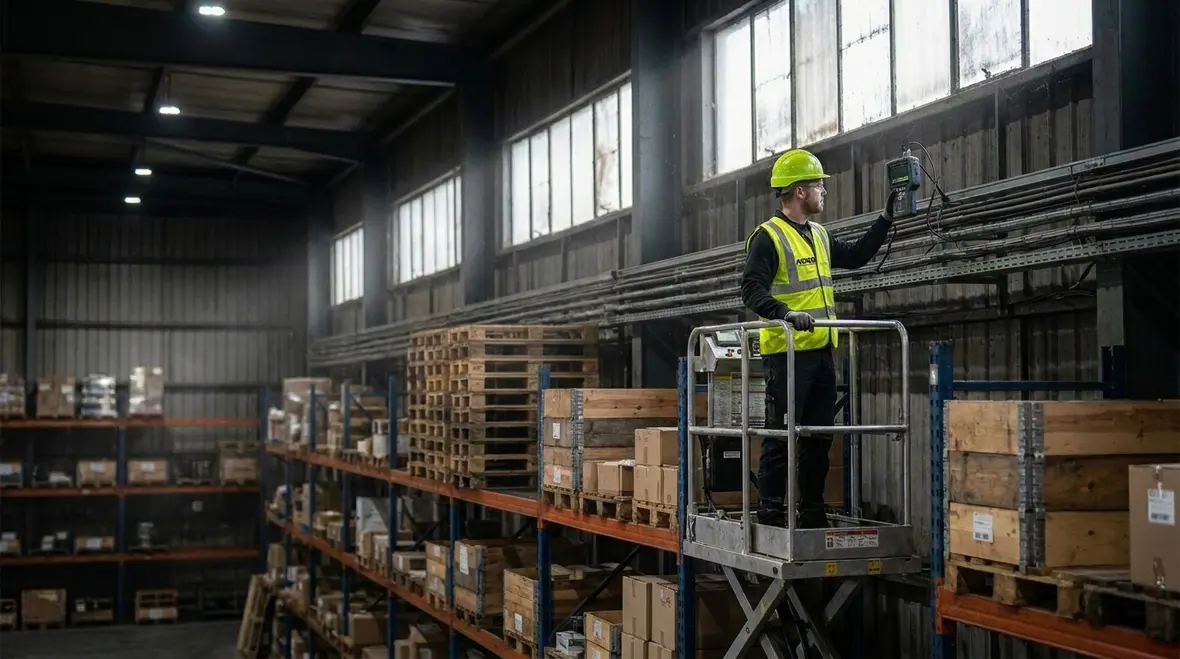
Why in building radio coverage matters in industrial and commercial sites
Many facilities in Australia use construction materials and layouts that block radio signals. For example, warehouses may have high racking and dense steel framing. Likewise, hospitals, shopping centres, and logistics hubs often include large floor plates, underground areas, and complex plant rooms. Therefore, responder communication enhancement becomes essential.
When signal coverage fails, crews may lose contact in the very places where they need it most. That delay can slow rescue, confuse crews, and raise risk for everyone on site. On the other hand, strong in building radio fire code compliance helps responders stay coordinated from entry to exit. It also supports smoother handover between site teams and emergency services. That is not theatre. That is practical safety.
Common trouble spots that deserve extra attention
The usual suspects are not exactly subtle. Basements, stair cores, service tunnels, plant rooms, lift lobbies, concrete loading docks, and sealed utility spaces often weaken radio performance. Large retail footprints and high bay storage areas can also produce patchy communication. If a site includes hard to reach zones where heat, smoke, or evacuation complexity may rise, those spaces should never be an afterthought in design or testing.
How the system works in real facilities
An effective emergency responder communication system usually includes signal testing, antennas, cabling, amplification equipment, and ongoing verification. However, the exact solution depends on the building type, size, and use. A distribution centre will need a different approach from a retail complex or a multi level office tower. That is why assessment matters first.
Here is a simple view of the process:
Site assessment column
- Check weak signal zones
- Review building layout
- Test live radio performance
- Document results
Delivery column
- Design coverage for key fire paths
- Select the right enhancement equipment
- Install and calibrate system parts
- Schedule ongoing checks and maintenance
This process keeps the system useful, not just present. After all, a device sitting on a wall without a proper test is like a superhero with no powers. Nice costume, poor outcome.
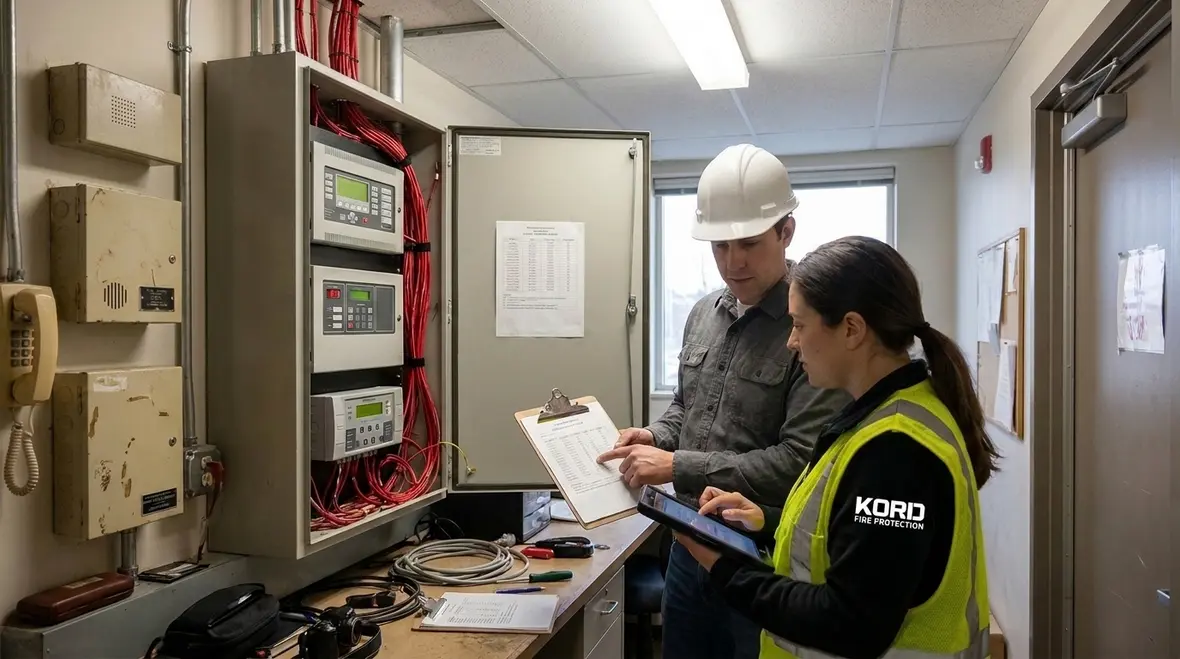
Where Kord Fire Protection adds value
Kord Fire Protection can support facilities that need reliable firefighter communication systems and code aligned emergency communication coverage. The company can help identify weak signal areas, guide compliance planning, and deliver practical installation and service work that fits the site. Just as important, Kord Fire Protection can help facility teams avoid confusion by turning code language into clear action.
For industrial, retail, and commercial clients, that support matters because these sites often face tight shutdown windows, busy tenants, and strict safety demands. Therefore, a capable partner must work with speed and care. Kord Fire Protection can help keep projects moving while also focusing on long term system performance. That balance is gold. Or at least, the fire safety version of gold.
It also helps to connect this topic with broader fire prevention strategy. Teams that want more context on how communication planning fits into larger prevention goals can review NFPA 1: A Comprehensive Guide to Fire Prevention and Safety as part of a more complete compliance conversation.
Why practical coordination matters during delivery
A technically correct plan still needs practical delivery. Installers may need access across tenanted spaces, coordination with facility managers, and testing windows that do not interrupt critical operations. When the provider understands both code intent and site realities, projects move with fewer surprises. That is especially useful in active commercial environments where nobody wants a simple upgrade to turn into a logistical circus.

What compliance teams should check before sign off
Before a project closes, compliance teams should confirm that the system covers all required areas, including high risk and hard to reach spaces. They should also verify that the equipment works during realistic testing, not just in a neat little demo where everything behaves itself. In addition, records should show what was tested, where signal issues appeared, and how the final system resolved them.
Facilities should also review maintenance plans. Systems can drift over time because buildings change, walls move, tenants fit out spaces, and equipment ages. Therefore, regular checks keep performance steady. A system that worked last year may not work today if a new fit out has turned the floor plan into a signal maze.
A short pre handover checklist
- Confirm coverage in basements, stairwells, plant rooms, docks, and service corridors
- Review installation records and test documentation
- Verify that calibrated equipment performs under realistic site conditions
- Check maintenance intervals and responsibilities after occupancy changes
- Update compliance files so future inspections start from solid records, not guesswork
Why this topic matters for Australian facilities
Across Australia, industrial and commercial buildings face increasing pressure to protect workers, visitors, assets, and operations. Emergency responders need reliable communication to do their job well, and that need does not stop at the front door. It follows them inside. As a result, responder communication enhancement supports safety, compliance, and confidence across many sectors.
When building owners act early, they reduce risk and avoid costly retrofits later. Moreover, they show a clear duty of care to staff and emergency services. That is the kind of practical leadership that makes a site safer and a response faster. Nobody wants to learn this lesson during an incident. The fire does not wait for paperwork.
Conclusion
NFPA 1 Section 11.10 is about more than code. It is about keeping responders connected when the building becomes difficult to read and the stakes rise fast. For Australian industrial, retail, and commercial sites, Kord Fire Protection can be a strong partner in planning and delivering reliable communication systems that support safety, compliance, and peace of mind.
When the call comes, clear signal is not a luxury. It is the lifeline. The smartest sites treat in building radio coverage as part of the wider fire protection picture, because fast decisions, clean coordination, and dependable communication all matter when conditions get rough. That is not overthinking it. That is being ready.
FAQ

Join Our Newsletter!
Get the latest fire safety tips delivered straight to your inbox From our Newsletter.