NFPA 16 Section 7.4 Foam Water Sprinkler Alarms
Quick Answer: NFPA 16 Section 7.4 sets the alarm rules for foam water sprinkler and spray systems. In plain terms, these systems must alert people fast when water flows or foam discharge starts. That early warning helps protect staff, assets, and operations. For sites needing dependable fire sprinkler service, kord fire protection can help design, test, and maintain these alarms with care.
NFPA 16 alarm requirements matter because foam water systems do more than wet the floor and make a scene. They protect high risk areas where flammable liquids, fuel, or hazardous processes can turn a small spark into a very bad day. Under NFPA 16 Section 7.4, alarm devices must signal when the system operates, so people know the fire suppression waterflow alarms have activated and action must start right away. In busy facilities, that early warning can save time, stock, and maybe even a few hard earned eyebrows.
For industrial plants, warehouses, retail back of house spaces, and commercial sites, the message is simple. The alarm must work, the signal must be clear, and the response must be quick. That is where careful design, testing, and service make all the difference. It is also why many teams pair sprinkler protection with dedicated fire alarm services so the notification path is as solid as the suppression setup itself.
How NFPA 16 Section 7.4 Works in Real Sites
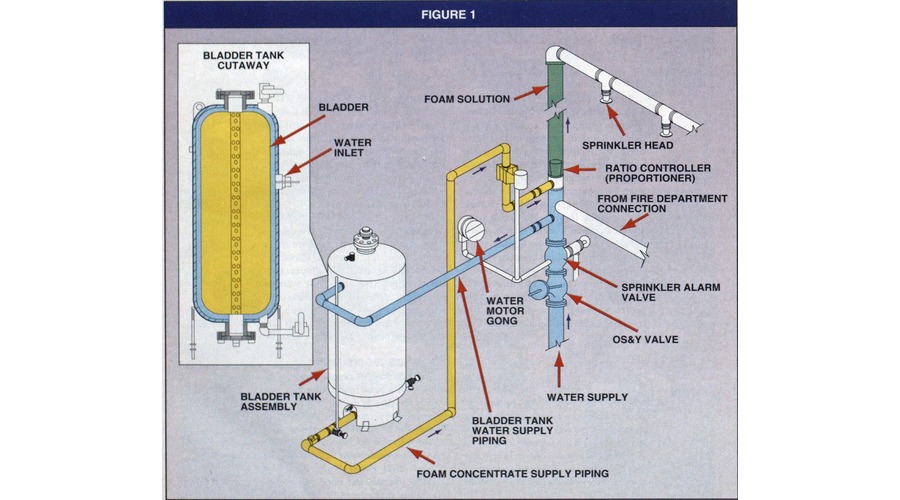
Section 7.4 focuses on the alarm side of a foam water sprinkler or spray system. When the system starts to discharge, the alarm must notify occupants and site teams. This usually means a waterflow signal, a local alarm, and often a connection to a fire panel or monitoring service. As a result, the alarm does not sit there looking pretty. It has a job to do.
In practice, the system should clearly show that foam water system alarms have gone active. That alert helps staff evacuate, isolate risk, and contact emergency support. Moreover, it gives responders faster insight into what is happening and where. In a large facility, that speed matters. A lot.
What happens once discharge starts
Once water or foam begins moving through the system, the alarm path should act like a chain with no weak link. Detection should occur promptly, the signal should transfer to the control point, and the people who need to know should know fast. If one part of that chain fails, the site can lose precious time during the very moment when time suddenly becomes the most expensive thing in the building.
That is why system planning matters so much. Device placement, panel integration, notification methods, and monitoring arrangements all affect how useful the alarm really is in the field. A technically compliant setup that creates confusion on site is still a problem. The goal is not just noise. The goal is clear action.
What Fire Suppression Waterflow Alarms Must Tell People
Fire suppression waterflow alarms must provide a reliable signal once water or foam starts moving through the system. They should not wait until the incident becomes a headline. Instead, they must trigger early enough to support safe action. Therefore, facilities should make sure alarm devices suit the hazard, the building layout, and the monitoring plan.
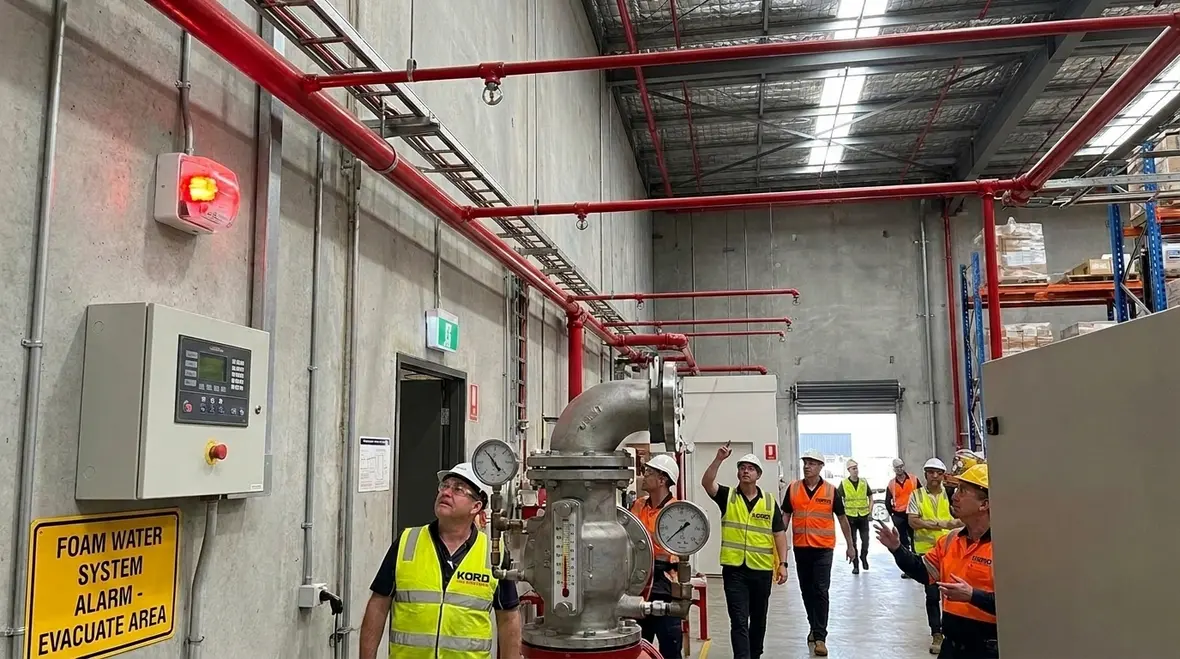
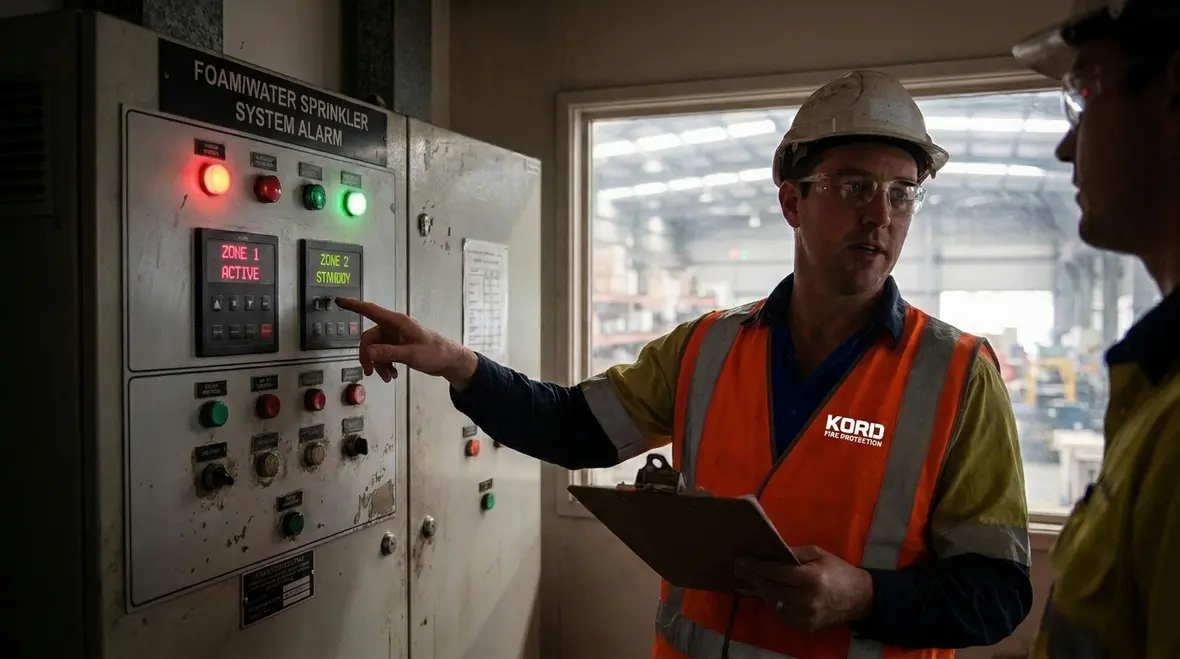
These alarms often tie into the broader fire protection system. In some sites, that includes a fire panel, bell, horn, strobe, or remote monitoring. In others, it may involve direct alerting to a control room or security desk. Either way, the alarm must be loud enough, clear enough, and dependable enough to do its only real job.
Core messages the alarm should communicate
System discharge has started
The affected zone or area needs attention
Occupants should begin the proper emergency response
Control room staff or monitoring personnel must investigate immediately
Emergency coordination may be required without delay

Dual Column View of Alarm Focus
Alarm Element
Waterflow detection
Local audible alert
Visual alert
Panel connection
Monitoring link
Why It Matters
Confirms system discharge has started
Warns people in the area fast
Helps in noisy or high traffic spaces
Gives responders and control room clear status
Sends the signal beyond the site
Why Facilities Should Care About Alarm Reliability
Industrial and commercial sites often run with heavy traffic, fast paced work, and limited room for mistakes. Therefore, alarm reliability is not a side note. It is part of business continuity. A foam water system may protect fuel stores, loading areas, plant rooms, or specialist production spaces. If the alarm fails, the site loses the very warning that gives people time to move, isolate, and respond.
Also, compliance work becomes easier when the system is set up properly from the start. Good alarm design supports maintenance, testing, and reporting. It also reduces confusion during an incident. After all, nobody wants a fire alarm that acts like a confused extra in a sitcom, standing there with no line when the pressure rises.
Reliability is more than a hardware issue
Reliability also depends on routines. Staff should know what the signals mean. Supervisors should know who gets called. Security or control room teams should know what to verify first. Testing records should be easy to review, and deficiencies should not be left sitting around until they become the star of the next emergency.
When alarm logic, field devices, and human response all line up, the system becomes far more useful. It goes from being a code requirement on paper to a working layer of protection that supports real decisions in real time. That is the difference between merely having equipment and actually having readiness.
How kord fire protection Becomes a Vital Partner
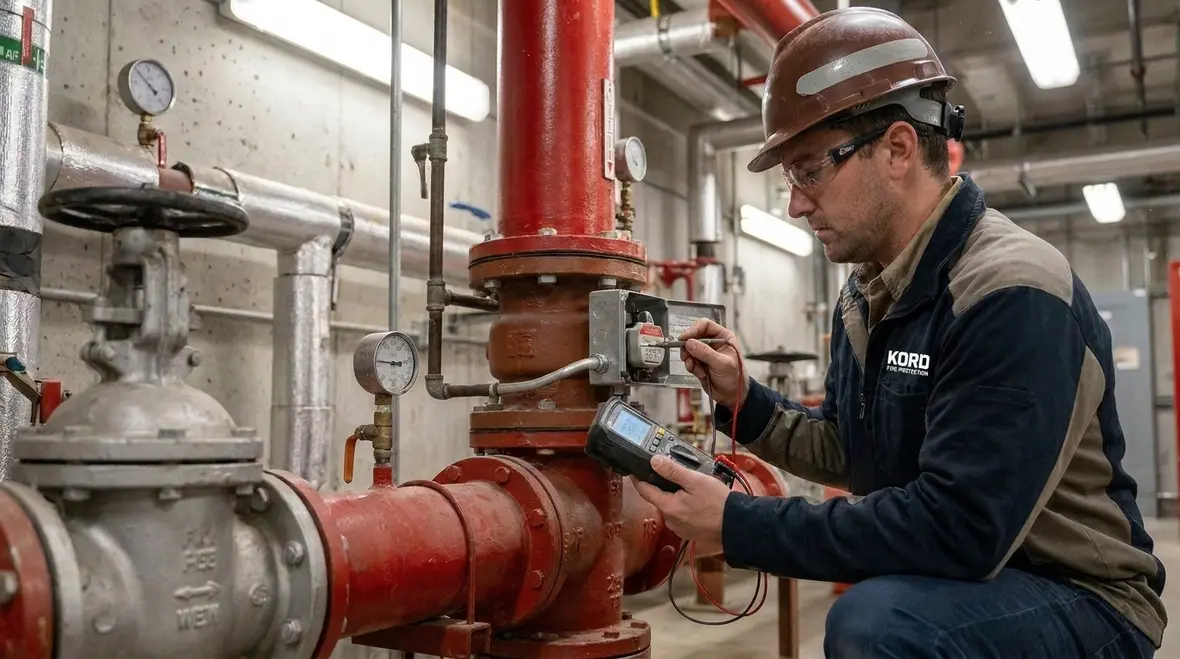
kord fire protection can support sites that need foam water sprinkler and spray system alarm services. The team can help review site risk, plan the right alarm setup, and keep the system ready for action. That includes testing waterflow alarms, checking device operation, and making sure the alarm path works from discharge point to notification point.
Furthermore, kord fire protection can help facilities meet NFPA 16 alarm requirements without turning the process into a paperwork marathon. For busy operators, that support matters. It can cut downtime, reduce guesswork, and improve confidence that the system will respond the way it should. In a world full of moving parts, having a steady partner is worth more than a catchy slogan on a truck.
Teams that already work with local fire protection services often find it easier to coordinate inspections, repairs, and alarm troubleshooting before small issues become large and expensive ones. That kind of continuity is useful when the protected hazard is not exactly the sort you want to improvise around.
What Good Testing and Maintenance Should Cover
Alarm testing should confirm more than a simple beep. It should verify that the waterflow device senses flow, the signal reaches the control equipment, and the alert is heard and seen where it should be. In addition, maintenance should check wiring, switches, panel logic, notification devices, and any remote monitoring links.
Regular inspection also helps catch problems before they become costly. For example, a blocked switch, damaged wire, or weak signal may sit hidden until an actual event. Then the system has the dramatic timing of a villain in a bad movie. Good maintenance prevents that.
A practical maintenance checklist
Confirm waterflow devices activate properly
Verify alarms report to the panel or designated control point
Test audible and visual notification performance
Review wiring, interfaces, and device condition
Check remote monitoring or supervising links where used
Document results and clear deficiencies promptly
If you want a broader standard reference point while reviewing system responsibilities, it is also useful to read NFPA 16 Standard for added context around how foam water sprinkler and spray systems fit into the bigger protection picture.

FAQ About NFPA 16 Alarm Requirements
Conclusion and Call to Action
NFPA 16 Section 7.4 plays a key role in keeping foam water sprinkler and spray systems effective. Strong alarm setup, regular testing, and clear notification all help protect people and property. A dependable signal is not just a technical detail. It is the moment where system performance turns into practical action.
For facilities that want reliable support, kord fire protection can step in as a trusted partner and help keep the system ready when it counts. The time to check the alarm is before the alarm gets a chance to check everyone else.

Join Our Newsletter!
Get the latest fire safety tips delivered straight to your inbox From our Newsletter.