NFPA 16 Section 7.3 Foam Water System Equipment Location
Quick Answer
NFPA 16 Section 7.3 sets clear rules for where foam water sprinkler system equipment should sit, so it stays accessible, safe, and ready when fire strikes. Proper NFPA 16 equipment location supports fast response, clean maintenance, and lower risk. For sites that need practical support with system placement, fire suppression services can help translate code requirements into a setup that works in the real world. Kord Fire Protection can help deliver compliant, practical system placement with confidence.
NFPA 16 equipment location matters because fire systems do not help much if no one can reach them in time. In foam water system equipment placement, every valve, control, pump, and accessory must sit where staff can find it fast, inspect it easily, and use it without a panic worthy of a movie climax. That is the heart of fire suppression equipment positioning, and it becomes even more important in busy facilities where space is tight and operations never really sleep.
What NFPA 16 Section 7.3 expects from equipment location
Section 7.3 focuses on access, safety, and usability. It aims to make sure foam system parts are not hidden behind stock, tucked into tight corners, or blocked by equipment that seems important until the fire alarm sounds. The rule is simple in spirit. If the system must work in an emergency, then the people using it must reach it quickly and safely.
In practice, this means equipment should remain visible, protected from damage, and placed where trained staff can operate it without delay. It also means the layout should support inspection and service. After all, a foam system that looks fine on paper but hides like a shy extra in a sci fi film is not doing its job.

Why equipment placement affects fire safety performance
Good placement does more than satisfy a code. It improves response time and reduces confusion. When fire suppression equipment positioning follows a smart plan, operators can isolate zones, check controls, and confirm system status with less stress. That speed matters in sites with flammable liquids, loading docks, warehouses, plant rooms, or large retail back of house areas.
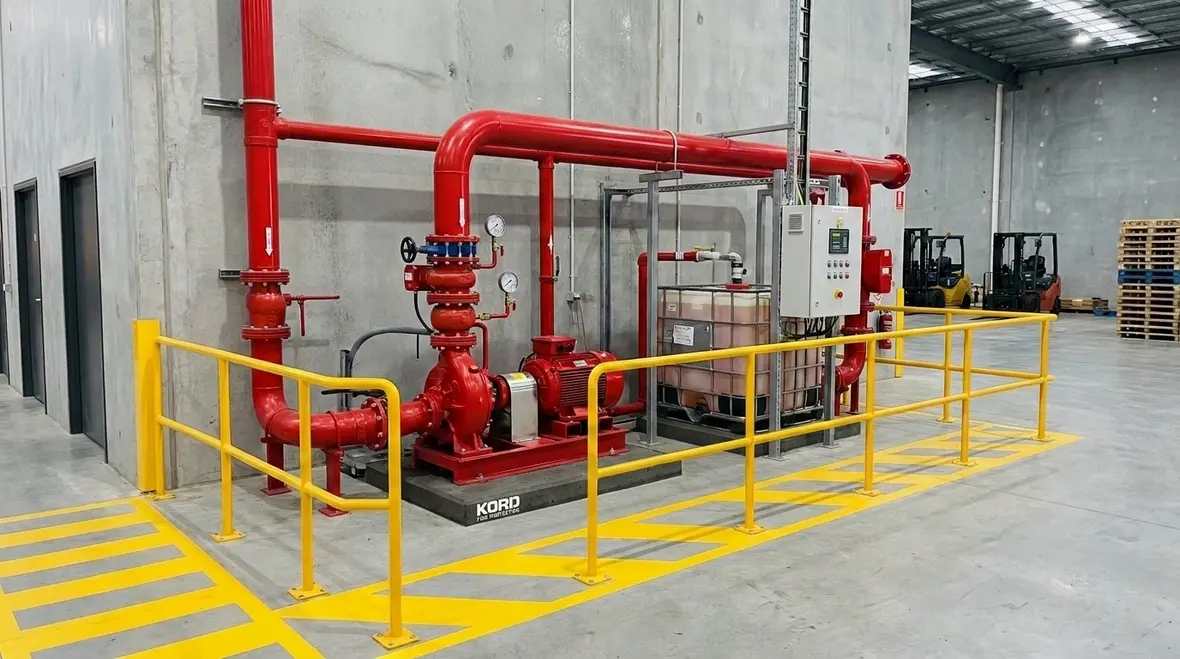
Furthermore, proper placement helps reduce accidental damage. A control panel near traffic paths or forklift routes can fail when a busy shift gets messy. So, the location must balance access with protection. The system should be easy to reach, but not easy to bump, block, or forget.
The difference between reachable and truly usable
There is a big difference between equipment that technically exists in the building and equipment that can actually be used under pressure. A valve hidden behind stored pallets might still be somewhere on the site plan, but that will not comfort anyone when seconds matter. Truly usable equipment has room around it, sightlines that make sense, and a location that does not force staff to squeeze past hazards just to do the right thing.
That usability mindset is also why many teams review the broader foam fire suppression system guide before finalizing layouts. It helps connect equipment location decisions with the way foam systems actually protect higher hazard spaces, which is a lot more useful than pretending the building will always stay exactly as clean and organized as it looked on handover day.
How foam water system equipment placement should work
| Placement priority | What it means in real terms |
| Easy access | Staff can reach controls, valves, and alarms fast during an emergency |
| Clear visibility | Equipment stays easy to identify during checks and response |
| Protection from impact | Forklifts, trolleys, and stored goods should not threaten critical parts |
| Service access | Technicians can inspect, test, and maintain parts without moving half the building |
| Safe operating space | Workers can stand, operate, and escape without crowding hazards |
In many commercial and industrial buildings, the best solution comes from planning equipment around daily workflow. That means matching NFPA 16 equipment location with the real use of the site, not just the drawing board version. A site that handles pallets, chemicals, or high foot traffic needs a layout that respects movement, storage, and emergency access at the same time.
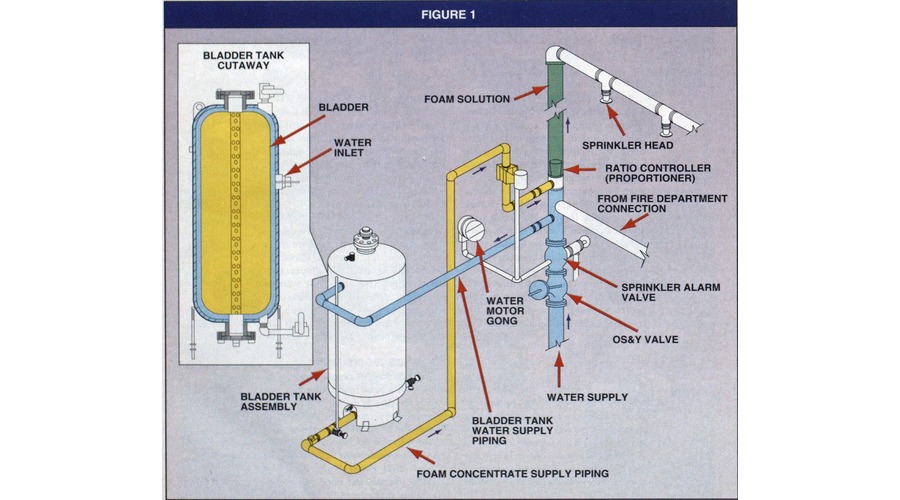
The same logic lines up well with broader guidance in NFPA 16 standard discussions, because equipment location is not some isolated detail floating off on its own. It interacts with water supply, discharge arrangement, access for testing, and the practical reality of how the system will be operated over time.

Where facilities often get it wrong
One common issue is blocking equipment after installation. A system may start out perfect, then a storage bay expands, a new rack appears, and suddenly a valve is hiding behind a wall of cartons. Another issue is poor signage. If staff must play hide and seek with fire equipment, the design has already gone off the rails.
Also, some sites place equipment too far from the area it protects. That can slow response and create avoidable risk. The better approach is to plan placement with the full site in mind, including likely changes over time. Businesses grow, stock moves, and layouts evolve. The system should stay useful when the floor plan changes shape.
Small layout changes can create big access problems
This is where compliance gets sneaky. Nobody wakes up planning to block a foam system valve with seasonal stock or park a trolley in front of a control station forever. It just happens one practical decision at a time. Then, before long, the system is still installed but no longer conveniently accessible, which is a bit like owning an umbrella that lives permanently in someone else’s car.
That is why regular reviews matter. Kord Fire Protection’s insights on foam fire suppression system maintenance and testing reinforce a simple point: systems stay ready when access, condition, and serviceability are checked as part of ongoing site habits, not only when a formal inspection looms on the calendar.

How Kord Fire Protection can help with this service
Kord Fire Protection can become a vital partner in this work because proper fire suppression equipment positioning needs more than a box ticking exercise. It needs local knowledge, code awareness, and practical design judgment. Kord Fire Protection can help assess the site, plan the foam water system equipment placement, and support compliance with NFPA 16 requirements in a way that fits the building and the business.
Just as important, Kord Fire Protection can help coordinate installation and ongoing service so the system stays ready after the first inspection and the third, not just on the day everyone is watching. That kind of support matters for industrial, retail, and commercial facilities that need dependable fire protection without wasting floor space or interrupting operations.
Teams that want a more specific look at foam-focused support can also review Kord Fire Protection’s foam fire suppression systems service page. It fits naturally with equipment location planning because system performance depends on more than the discharge hardware alone. The surrounding access, service routes, and operating conditions all influence whether the setup remains reliable after real site changes start piling up.
How the right partner improves long term compliance
Compliance is not a one time event. It is a habit. Therefore, the best fire system layout should support testing, repair, and future changes with as little disruption as possible. When equipment sits in the right place, maintenance becomes smoother and reports become easier to manage. That saves time, lowers frustration, and helps the site stay ready for audit or emergency.
Moreover, the right partner can spot problems before they grow teeth. A small access issue today can become a major delay later. With experienced help, the site can avoid those costly surprises and keep the system working as intended.
FAQ
Conclusion
NFPA 16 equipment location is more than a rule. It is a practical path to safer, faster, and cleaner fire protection. When controls, valves, pumps, and related equipment stay visible and reachable, the system becomes easier to inspect, easier to maintain, and far more useful when conditions turn chaotic.
For facilities that need dependable foam water system equipment placement, Kord Fire Protection can help turn code requirements into a working solution. When the job demands clarity, access, and control, the right partner makes all the difference.

Join Our Newsletter!
Get the latest fire safety tips delivered straight to your inbox From our Newsletter.