NFPA 16 Section 1.2 Foam Water Sprinkler Purpose Explained
Quick Answer
NFPA 16 Section 1.2 explains why foam water sprinkler systems exist and where they matter most. In plain terms, the rule helps protect places with high fire risk from flammable liquids and fast moving flames. For industrial, retail, and commercial sites, this guidance supports safer design, better risk control, and smarter fire protection planning.
Near the top of any planning conversation, it also helps to understand how broader fire suppression system services fit into the picture, because foam protection rarely lives in isolation when a facility is trying to control serious hazards.
NFPA 16 Section 1.2 sets the stage for one clear idea: some fire risks need more than standard water systems. The NFPA 16 purpose is to guide the use of foam water sprinkler systems where flammable liquid fires can spread fast and hit hard. That is the foam water spray systems intent in simple terms. It gives fire safety code purpose to a system built for tough jobs, not just routine hazards. For industrial, retail, and commercial facilities, this matters because a fast fire can shut down operations before the first alarm finishes its dramatic entrance.
So, the rule does more than fill pages in a code book. It helps owners, operators, and designers make safer choices for high risk spaces, while keeping protection practical, reliable, and based on real fire behavior.
What NFPA 16 Section 1.2 Is Trying to Achieve
Section 1.2 explains the reason behind the standard, and that reason is protection. Foam water sprinkler systems control fires that involve flammable or combustible liquids, where plain water may not do the job well enough. Instead of only cooling the fire, the foam helps smother vapors, slow flame spread, and reduce re ignition risk. That is why the fire safety code purpose here is so focused and direct.
In many sites, fire risk does not live in one neat corner. It may sit in storage areas, processing rooms, fuel handling zones, wash bays, or plant spaces. Therefore, the code supports a system that can fit high hazard conditions and respond with more than a splash and a hopeful attitude.
Why This Purpose Matters in the Real World
A standard without a clear purpose is just paperwork wearing a hard hat. Section 1.2 matters because it tells everyone involved that the system is not there for decoration, resale value, or a nice looking riser room. It exists because certain fires behave differently, spread faster, and punish delays. When flammable liquids ignite, the challenge is not only heat. Vapors can keep feeding the fire, surfaces can stay dangerously hot, and the chance of the fire returning remains very real if suppression is incomplete.
That makes the purpose of NFPA 16 both practical and strategic. It points designers toward systems that do more than dump water. It points owners toward protection that reflects the hazard. And it points maintenance teams toward a setup that needs proper attention if it is going to perform when the bad day finally arrives uninvited.
How Foam Water Sprinkler Systems Work in Real Sites
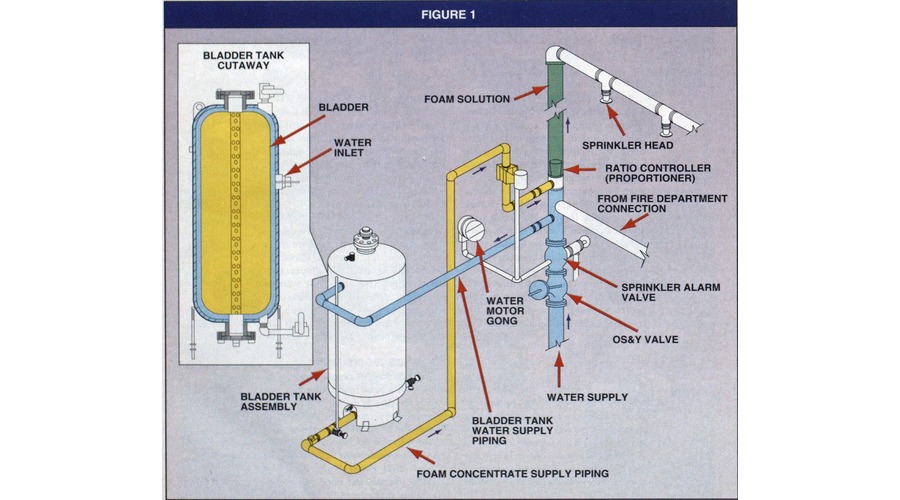
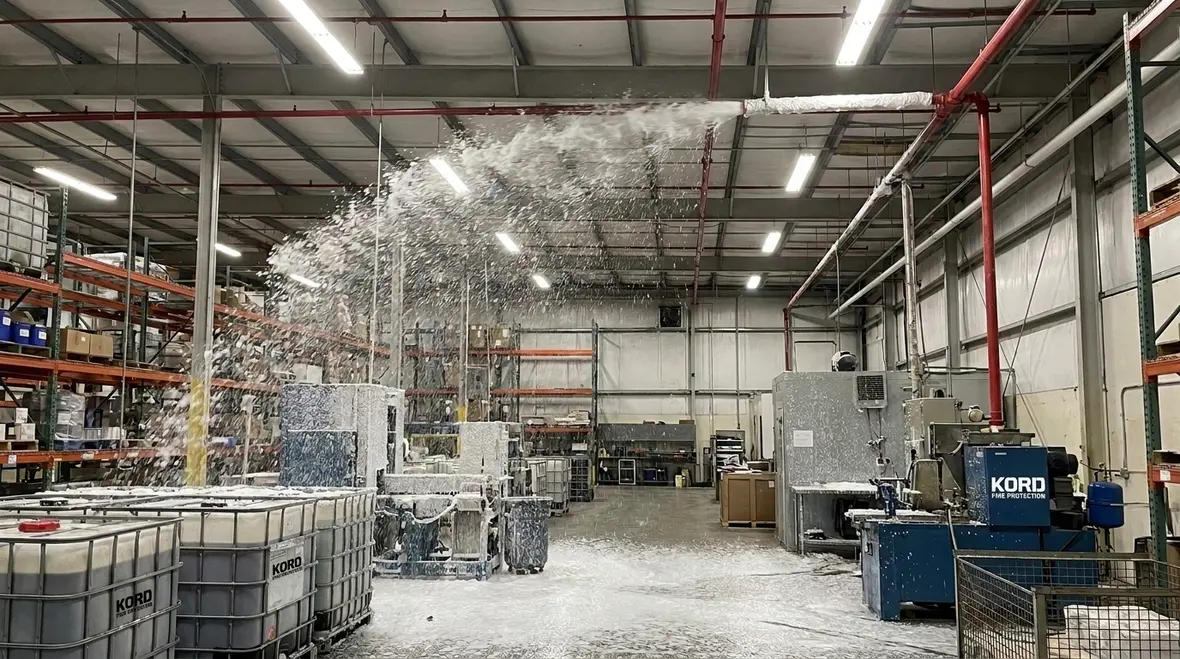
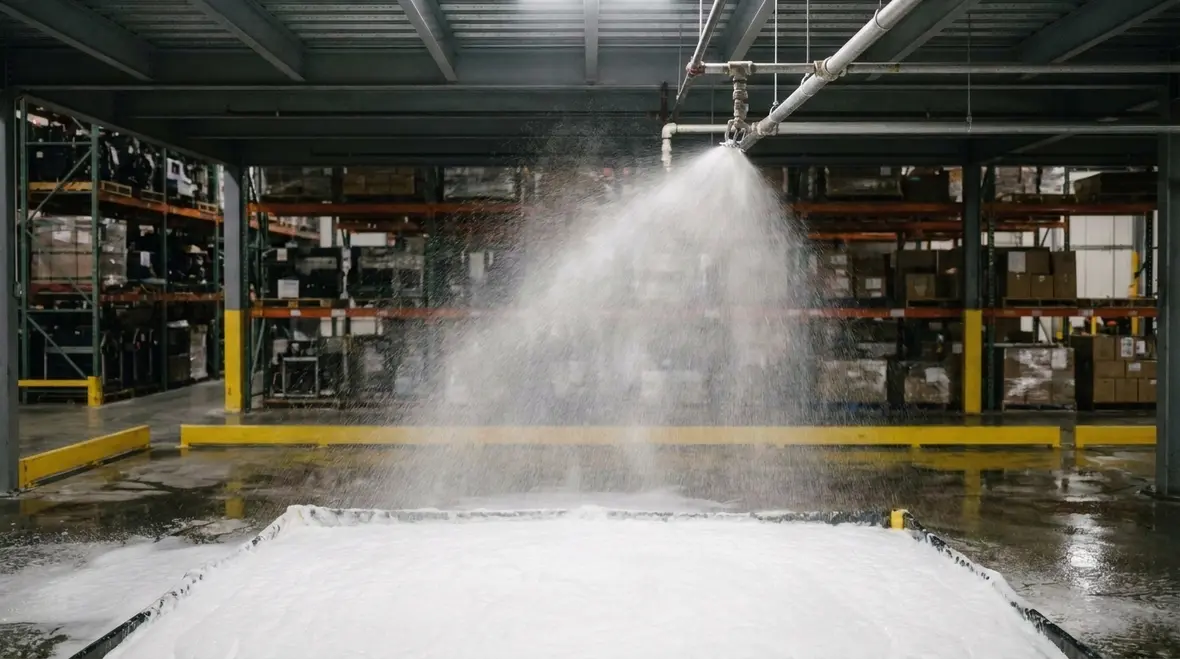
Foam water sprinkler systems mix water with foam concentrate to create a blanket over the fire area. This blanket cuts off oxygen, helps seal in vapors, and cools hot surfaces. As a result, the system does two jobs at once: it attacks the fire and helps prevent it from coming back like a bad sequel nobody asked for.
For industrial and commercial facilities, the benefit is clear. Where liquid fuel, oils, solvents, or other hazardous materials are present, the system can reduce damage and support faster recovery. Moreover, it can protect equipment, stock, and the structure itself. That kind of protection often saves far more than the cost of the system.
This is also where the intent behind NFPA 16 standard requirements becomes easier to understand. The standard is not trying to make facilities more complicated for sport. It is trying to make sure the method matches the hazard, especially when ordinary sprinkler thinking is not enough.
The Basic Job of Foam in Suppression
Water is excellent at cooling many fires, but liquid fuel hazards can ask for more. Foam adds vapor control and surface coverage, which helps suppress the fire from the top while water contributes cooling underneath and around the hazard. In practical terms, that means better control over flame spread and less chance of re ignition after the first knockdown. If a facility handles volatile materials, that difference is not minor. It is the whole ball game.
Where the NFPA 16 Purpose Matters Most
The NFPA 16 purpose becomes especially important in places with a high fire load and a need for fast suppression. This includes:
- Fuel storage and transfer areas
- Chemical handling zones
- Industrial process plants
- Aircraft related facilities
- Warehouses with flammable liquids
- Retail back of house storage with hazardous products
These sites often face both fire spread and business interruption risk. Therefore, choosing the right system is not just a compliance step. It is a business decision that protects staff, assets, and daily operations. In other words, the standard helps owners avoid learning fire science the hard way.
Not Every Hazard Is Created Equal
One reason Section 1.2 is useful is that it forces a more honest look at hazard conditions. A storage room full of ordinary goods is one thing. A process area with flammable liquids, vapor release potential, ignition sources, and valuable equipment is something else entirely. Treating both situations the same would be convenient, but convenience is not a fire protection strategy. The standard helps separate routine protection from specialized protection, which is exactly what high hazard sites need.
Facilities reviewing these risks often benefit from reading related guidance such as Kord Fire Protection’s foam system fire protection for flammable liquids article, which expands on how these hazards behave and why foam based protection matters.
Why Code Compliance Supports Better Fire Safety Planning
Code compliance is not about chasing paperwork. It is about making sure the system performs when the pressure is on. The fire safety code purpose behind NFPA 16 helps guide design, installation, testing, and maintenance so the system stays ready.
Because foam systems depend on the right mix, pressure, discharge, and coverage, even small errors can weaken performance. Therefore, proper planning matters from day one. Good design helps the system match the hazard, and good maintenance helps it stay dependable long after the ribbon cutting photos fade into history.
| Site need | Why foam water sprinkler systems help |
| Flammable liquid risk | They suppress vapors and slow flame spread |
| High value assets | They reduce damage and speed recovery |
| Busy facilities | They support safer operations and lower downtime |
| Compliance goals | They align protection with code based fire planning |
Planning, Testing, and Maintenance All Count
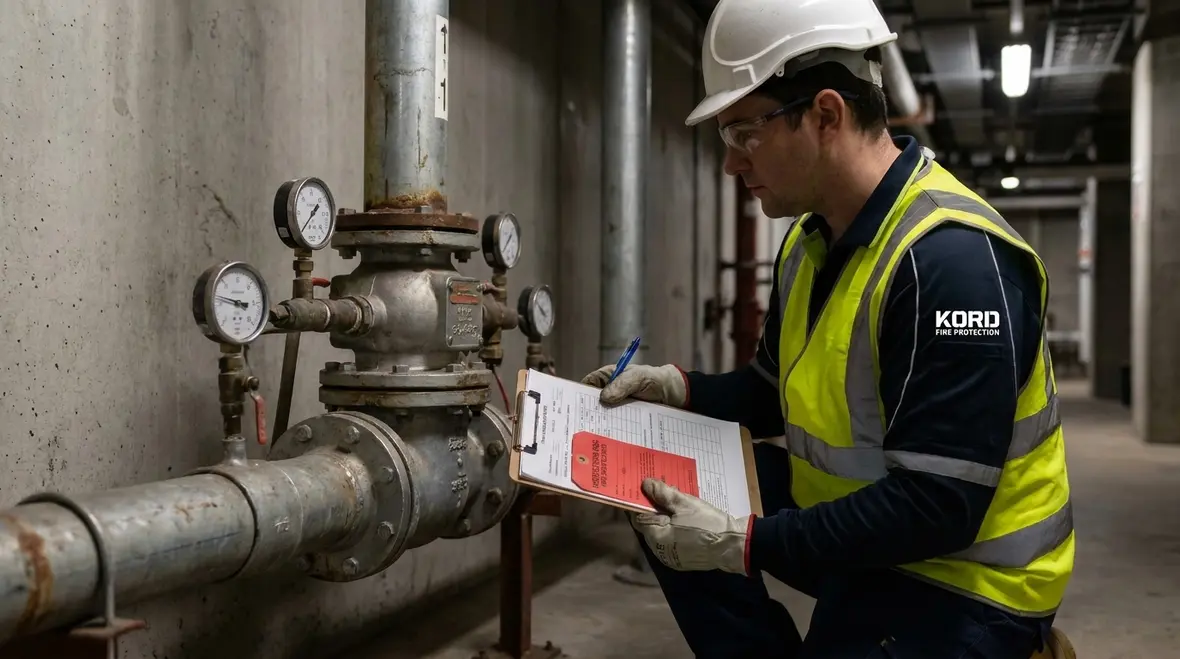
A foam water system is only impressive when it actually works. That means every phase matters: hazard review, hydraulic considerations, discharge method, concentrate selection, inspection intervals, testing routines, and recordkeeping. It is not the glamorous side of fire protection, but then again neither is explaining to management why a system failed because someone treated maintenance like an optional hobby.
Kord Fire Protection also covers that ongoing readiness angle in its foam fire suppression system maintenance and testing article, which fits naturally with the intent of Section 1.2: systems should be ready for real hazards, not decorative duty.
Why Kord Fire Protection Can Be a Vital Partner
Kord Fire Protection can become a vital partner because this work calls for more than basic installation. It requires a team that understands risk, code intent, and the real world conditions of industrial, retail, and commercial sites. Moreover, a strong partner can help assess hazards, choose the right system type, support installation, and keep the system ready through testing and maintenance.
That matters because foam systems are not one size fits all. A good partner helps match the design to the site, the materials, and the operating risk. As a result, the customer gets a protection strategy that works in practice, not just on paper. That is the kind of support that turns a fire system from a box on the wall into a real asset for safety and continuity.
For readers who want a broader overview before narrowing into one standard, Kord Fire Protection’s foam fire suppression system guide is a useful internal resource. It connects the code intent to practical system roles without burying the point under technical throat clearing.
How to Apply the Standard to Facilities
While NFPA 16 is a widely used reference, facilities often apply it as part of a wider fire protection strategy. Therefore, owners and managers should align it with local rules, site needs, and insurer expectations. The best approach starts with a careful risk review, followed by system selection, design, and ongoing checks.
For large sites, this process should involve operations teams, safety leads, and fire protection specialists. That way, the chosen system supports daily work without getting in the way. After all, safety should protect the business, not become an obstacle course for everyone wearing steel capped boots.
The big takeaway is simple: Section 1.2 is not just a polite introduction at the front of a standard. It is the reason the rest of the document exists. Once that clicks, the design and compliance decisions that follow make far more sense.
FAQ
Conclusion
NFPA 16 Section 1.2 gives clear direction for places where ordinary water systems may fall short. For facilities that face liquid fuel and other high risk hazards, the standard supports smarter fire protection. It identifies the real purpose behind foam water sprinkler systems and helps teams understand why specialized suppression exists in the first place.
Kord Fire Protection can help turn that guidance into action with practical service, sound advice, and reliable support. For businesses that value safety and uptime, the next step is simple: get the right team involved early, before a serious hazard gets the chance to write its own ending.

Join Our Newsletter!
Get the latest fire safety tips delivered straight to your inbox From our Newsletter.