NFPA 291 Section 4.7 and the Proper Test Procedure for Conducting Hydrant Flow Tests
Quick Answer: NFPA 291 Section 4.7 sets the basic method for hydrant flow tests so teams can measure water supply with confidence. The process uses a static reading, a residual reading, and a flow reading to show what a system can really deliver. In practice, this helps industrial, commercial, and retail sites make smarter fire protection decisions.
When that water supply data ties into the bigger fire protection picture, it also helps to work with a provider that handles broader fire protection services so testing, maintenance, and next steps stay coordinated instead of living in separate little islands of paperwork.
What the hydrant flow test procedure does for a site
The hydrant flow test procedure gives a clear picture of water supply performance. It helps a facility know how much water pressure and flow can support fire systems during an emergency. That matters because a fire pump, sprinkler system, or hydrant network only works as well as the water behind it. A system may look ready on paper, yet the numbers tell the true story.
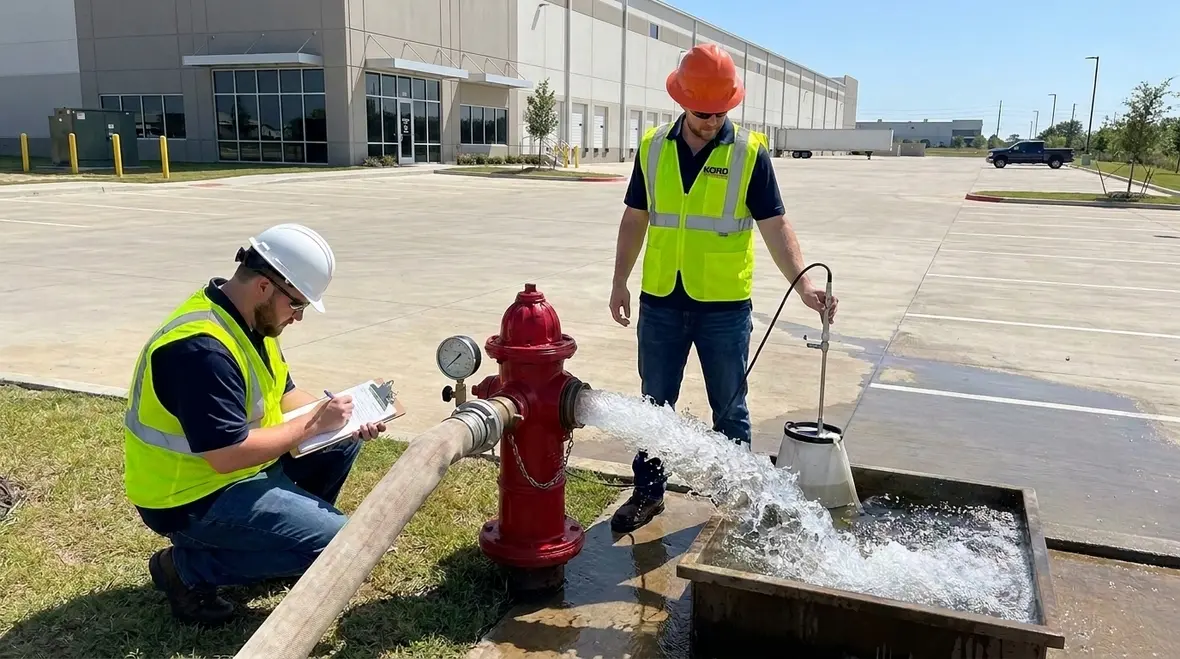
In the first step, a technician measures static pressure. Then the team opens one or more hydrants to create a controlled flow. After that, they record the residual pressure while water is moving. This simple process sounds almost too easy, like the plumbing version of asking, “Are you really ready for the boss to visit?” However, the results can shape major design and compliance decisions.
What the site learns from the numbers
A flow test is not just a box to tick. It gives practical answers. Can the available supply support the system that is already installed? Is there enough pressure left when water is actually moving? Has the site changed since the last design assumption was made? These are not small questions. They affect planning, budgeting, upgrades, and confidence during inspections.
How NFPA 291 Section 4.7 guides the test
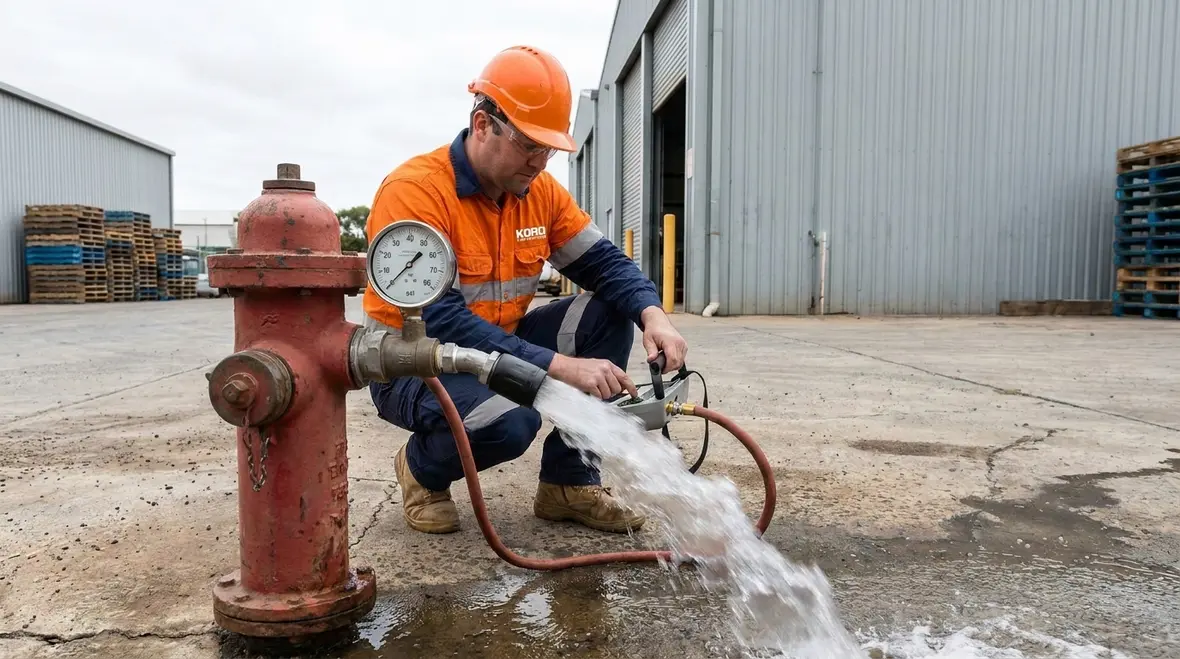
NFPA 291 Section 4.7 gives the standard method for performing a hydrant flow test. It focuses on accurate readings, proper setup, and safe operation. The goal is not just to open a hydrant and hope for the best. Instead, the team follows a repeatable process that gives useful data for fire protection design and review.
That repeatability is a big deal. A standard method means engineers, contractors, owners, and reviewers are all looking at data collected the same basic way. Without that, one team’s “good enough” can become another team’s “why does this report look like it was assembled during a power outage?” Standard methods reduce confusion and help the results stand up when important decisions follow.
- Measure static pressure before water flow starts
- Open the selected hydrant or hydrants in a controlled way
- Record residual pressure while water is flowing
- Measure the flow rate from the test hydrant
- Use the results to calculate available water supply
Because the method follows a standard, the numbers can support design work, permit review, and fire safety planning. That consistency matters, especially across industrial and commercial sites where equipment loads, occupancy demands, and site layouts can change fast.
If you want a broader companion piece to the testing side of the conversation, Kord Fire also has a related guide on NFPA 291 fire hydrant testing and marking that fits naturally with this topic.
Why standardization matters more than people think
Everyone likes reliable numbers until it is time to collect them carefully. That is where Section 4.7 earns its keep. It turns a rough field activity into a disciplined procedure. Same types of readings. Same general sequence. Same objective. In fire protection, that is the difference between useful evidence and a strongly worded guess.
How to prepare before starting the test
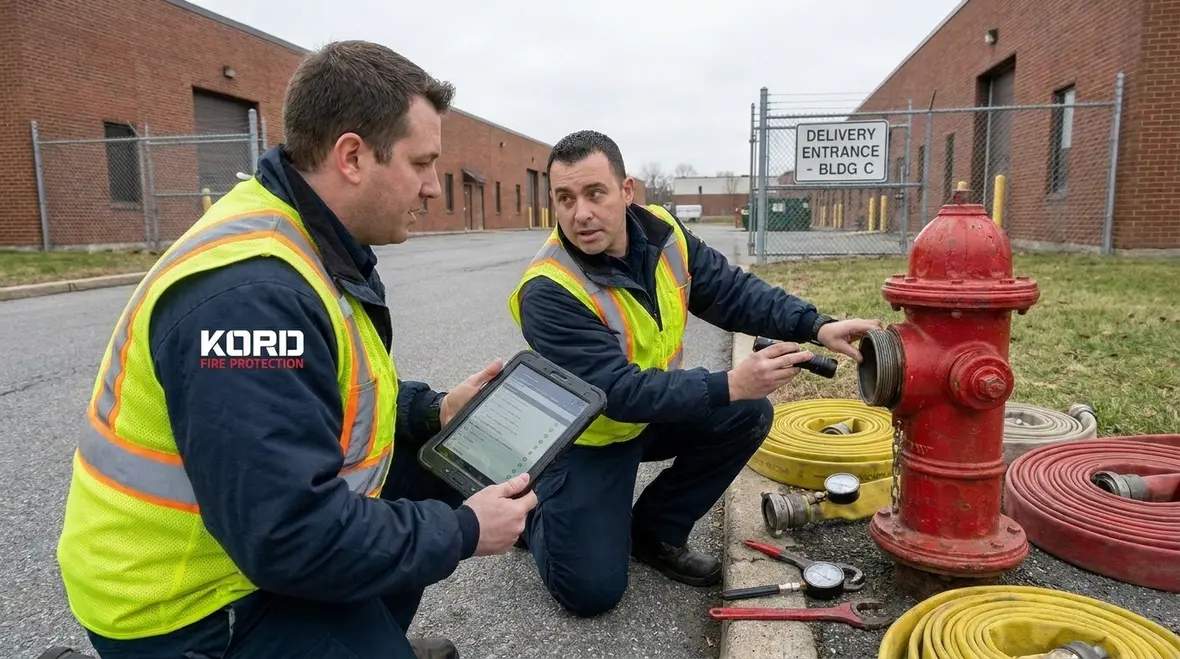
Preparation decides whether the hydrant flow test procedure runs smoothly or turns into a messy scene worthy of a sitcom. First, the team should confirm the test location, access needs, and site approval. Next, they should identify nearby risks such as traffic, sensitive equipment, public access, and drainage limits. After that, they should inspect hydrants for condition, caps, and signs of damage.
It also helps to confirm the exact purpose of the test. Some jobs focus on system design, while others support compliance checks, expansion work, or post maintenance verification. Therefore, the test method should match the goal. A clear plan saves time, improves safety, and helps protect the site from avoidable disruption.
Pre-test checks that keep things civil
- Confirm which hydrants will be used for residual and flow readings
- Verify gauges, diffusers, pitot equipment, and recording tools are ready
- Review traffic control, pedestrian safety, and runoff management
- Coordinate with site operations so the test does not blindside anyone
- Check that hydrants can be operated safely and returned to service properly
These details are not glamorous, but neither is explaining to a site manager why the parking lot suddenly looks like a small river with commitment issues. Good preparation keeps the testing orderly and the data credible.
Hydrant flow test procedure step by step
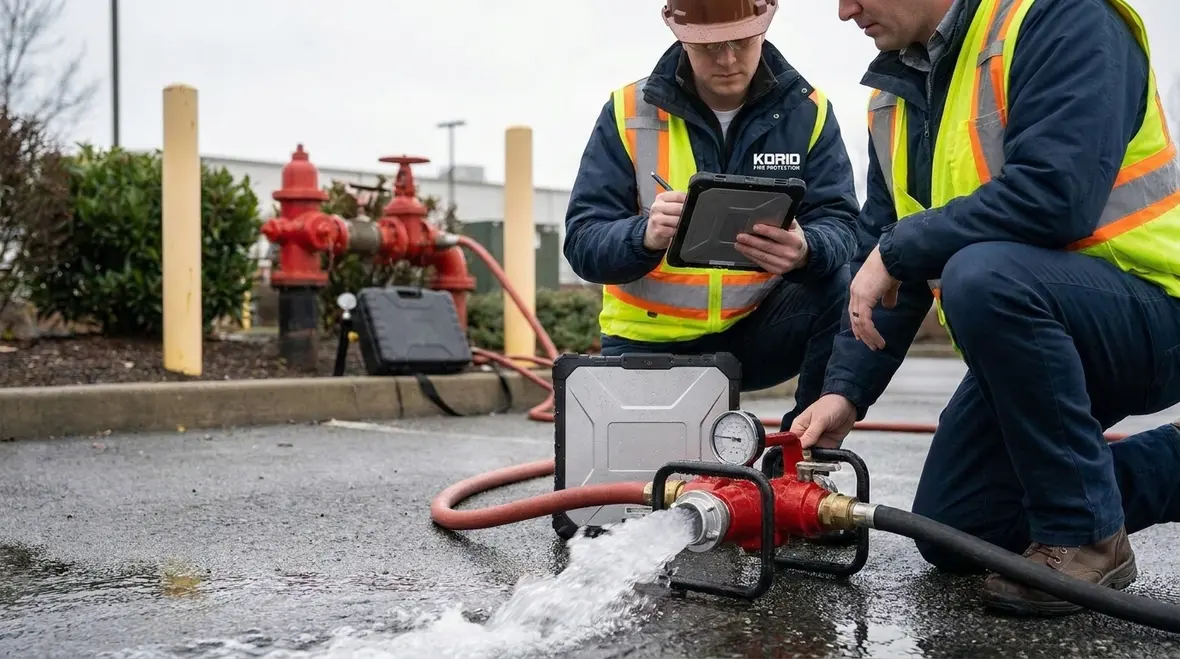
The test should follow a controlled order so the data stays reliable. First, the technician connects the test equipment and measures static pressure. Then the team opens the residual hydrant or test outlet to achieve the target flow. Next, the technician records the flowing pressure and flow volume. Finally, the team closes the hydrants in the proper order and checks the site for any issues.
A practical field sequence
- Inspect the hydrants and verify they are the right points for the test.
- Attach gauges and any flow measuring equipment needed for accurate readings.
- Record the static pressure before any water starts moving.
- Open the flow hydrant in a controlled manner to begin discharge.
- Read and record the residual pressure while water is flowing.
- Measure flow from the outlet so the available supply can be evaluated properly.
- Close the hydrants carefully, check for proper shutoff, and document final site conditions.
Technician view: accurate readings, safe control of water release, and clean calculation input.
Client view: real water supply data, better risk knowledge, and stronger confidence in fire system planning.
That split matters because a site manager often wants the answer fast, while the technical team must protect accuracy. In the end, both sides want the same thing: clear numbers and no surprises.
Why the data matters for industrial and commercial facilities
Water supply data affects more than one part of a fire protection plan. It can influence sprinkler design density, hydrant coverage, fire pump selection, and even future site upgrades. For example, a warehouse expansion or new production line may change demand. Likewise, retail centres and logistics hubs may need proof that the existing supply can still handle the load.
Moreover, the results help identify weak supply zones, pressure loss, or changes in network performance over time. This is important for facilities that need to stay ready across multiple sites. A one time assumption is not enough. Fire protection likes facts, not wishful thinking.
Where the results usually show up later
- Sprinkler design reviews and hydraulic calculations
- Hydrant capability assessments for large sites
- Fire pump discussions when pressure support is needed
- Expansion planning for warehouses, retail centres, and industrial facilities
- Trend comparison when owners want to know whether supply has changed over time
This is why the test carries weight far beyond the curb where the hydrant sits. One well-run test can inform design teams, operations leaders, property managers, and compliance planning all at once.
How Kord Fire Protection can support the job
Kord Fire Protection can become a vital partner by bringing technical skill, site awareness, and practical service to the hydrant flow test procedure. The company can help plan the work, carry out the test, record the data, and explain the results in plain language. That support reduces guesswork and helps site teams make better choices.
For busy industrial, retail, and commercial operations, that kind of help is worth its weight in gold. Kord Fire Protection can also assist with follow up actions if the test shows pressure or flow concerns. As a result, the site does not just get a report. It gets a path forward.
Because fire protection work often touches compliance, operations, and safety at the same time, a trusted partner can save time and stress. And yes, that is the part where everyone exhales a little.
For related reading, Kord Fire already covers the broader topic in exterior fire hydrant flow testing for commercial sites, which pairs nicely with the Section 4.7 procedure discussed here.
FAQ about hydrant flow testing
Conclusion
When a site needs trusted water supply data, the hydrant flow test procedure gives the facts that matter. It replaces assumptions with measurements and helps everyone involved work from the same page.
Kord Fire Protection can help plan the work, complete the test, and support next steps with confidence. For facilities that want clean results, less disruption, and better fire readiness, that partnership makes solid sense.

Join Our Newsletter!
Get the latest fire safety tips delivered straight to your inbox From our Newsletter.