Fire Sprinkler Impairment Tag System NFPA 25
Quick Answer
The fire sprinkler impairment tag system NFPA 25 helps teams track when sprinklers or standpipes are shut down for service, repairs, or testing. It supports clear communication, safer work sites, and faster restoration. For commercial properties that need a tighter shutdown process, fire sprinkler system service from Kord Fire Protection can support scheduling, repairs, and return-to-service planning naturally within the bigger compliance picture. If you want the wider maintenance context, Kord also breaks it down in its NFPA 25 overview for complete water-based fire protection systems maintenance.
Why impairment tagging matters in busy facilities
In a live facility, a shutdown is never just a technical task. It affects risk, operations, and people. That is why the fire sprinkler impairment tag system NFPA 25 plays such a big role. It gives teams a simple, visible way to show that a fire protection system is out of service and under control.
When a sprinkler or standpipe is impaired, every minute matters. A clear tag helps maintenance teams, site managers, and fire safety staff know what is offline, why it is offline, and who is responsible. As a result, confusion drops and response improves. In a factory, shopping centre, warehouse, or office tower, that clarity can save time and reduce costly errors. Nobody wants a mystery shutdown hanging around like a bad sequel.
Clarity is the real productivity tool
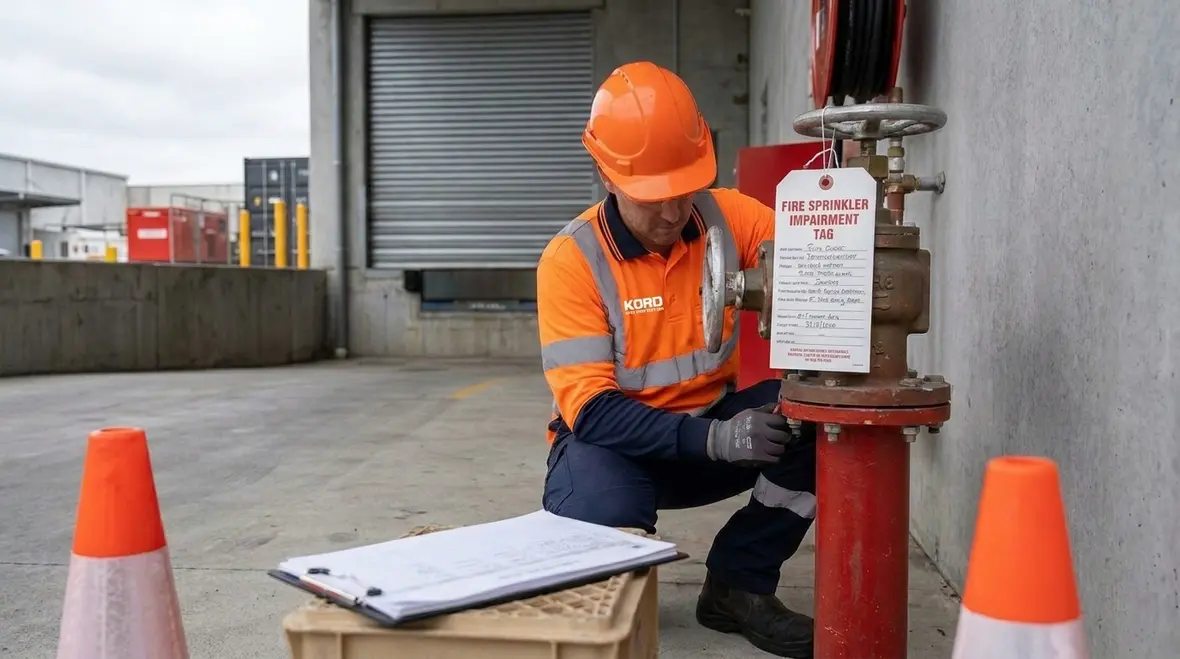
What makes tagging so useful is that it cuts through noise fast. In large buildings, several trades may be active at once, and each one is moving on a different schedule. A visible impairment tag gives everyone the same reference point. Instead of one person saying, “I thought that line was back on,” the tag tells the story right there at the valve or affected equipment. That is not glamorous, but it is exactly how orderly shutdown control stays orderly.
What NFPA 25 section 15.3 expects from tag use
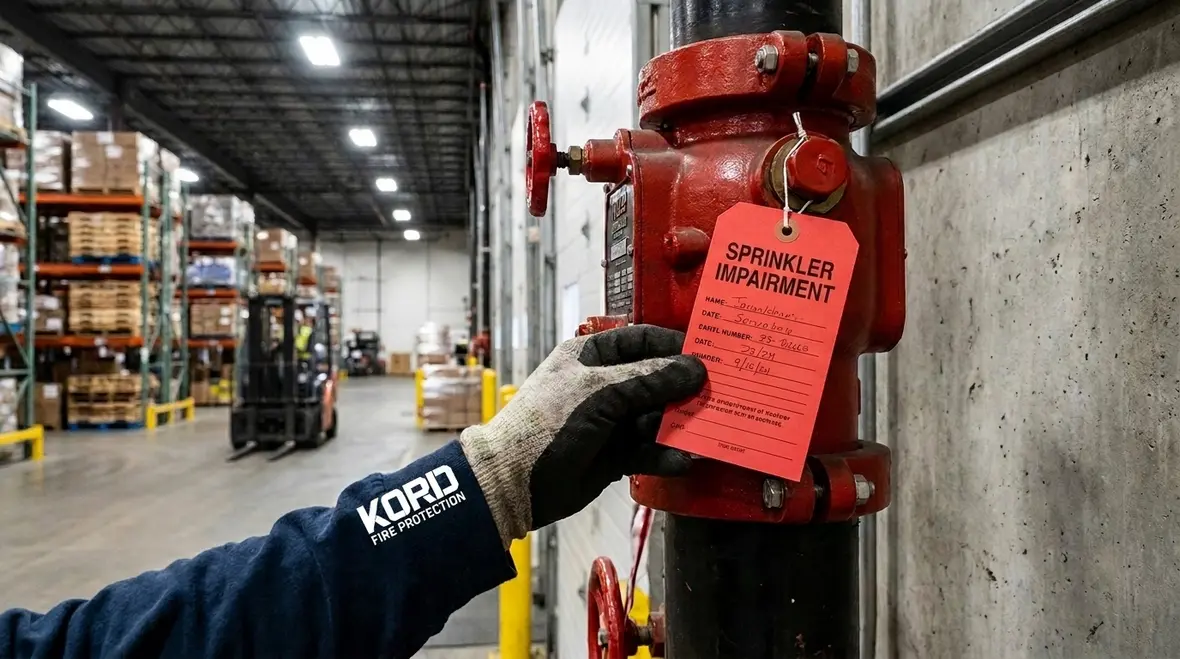
NFPA 25 section 15.3 focuses on the use of impairment tags during fire sprinkler and standpipe shutdowns. The goal is straightforward: keep people informed and keep the system status visible. The tag should show that the system has been impaired, what part is affected, and when the condition began.
Just as important, the tag supports control of the work area. It helps teams coordinate repairs, testing, and reactivation. In practice, that means the tag becomes part of the site’s safety record, not just a piece of paper or plastic. It is a small item with a serious job, kind of like the quiet person in the room who somehow keeps the whole meeting from going off the rails.
More than a label, less than a novel, exactly the right amount of information
The best impairment tags are easy to read, hard to miss, and specific enough to prevent bad assumptions. They do not need to become literature. They need to identify the affected system, the start of the impairment, the responsible party, and the status of the work. When that information is visible, shutdown control becomes much easier to manage under pressure.
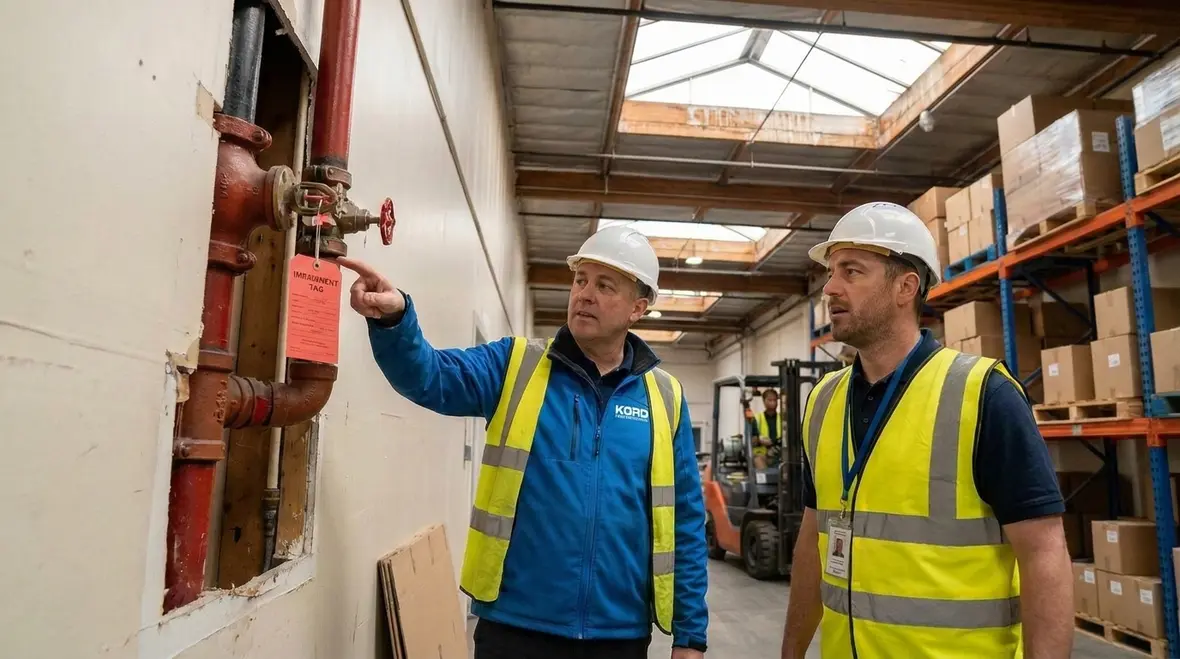
How the fire sprinkler impairment tag system NFPA 25 supports shutdown control
The fire sprinkler impairment tag system NFPA 25 does more than label equipment. It helps organize the whole shutdown process. First, it identifies the impairment. Next, it supports clear handover between contractors, facility teams, and fire safety leaders. Then, it helps confirm when the system returns to service.
This matters because fire protection shutdowns often happen during maintenance windows, urgent repairs, or system upgrades. During those periods, a site may need extra watch measures, tighter access control, or staged work. A good tag system keeps the story straight from start to finish. Without it, people begin guessing, and guessing is not a fire safety strategy.
A simple sequence that keeps the job sane
Most shutdowns go better when teams think in a clean sequence. Identify the affected system. Notify the right people. Isolate the equipment. Apply the tag. Complete the work. Verify readiness. Remove the tag only when the system is restored and confirmed. That sounds obvious, but obvious things are exactly the ones people skip when the day gets messy. The tag serves as a stubborn little reminder that the process is still active and not finished just because somebody is hungry and the meeting ran long.
Where the tag system fits in shutdown planning
Before any sprinkler or standpipe shutdown, the site should plan the work in a clear order. The tag system fits into that order as a control point. It supports pre work checks, permits, communication, and final sign off. Therefore, it should never be treated as an afterthought.
In larger commercial and industrial sites, the impairment process often involves multiple groups. That may include building management, fire contractors, security, and operations staff. The tag creates one shared reference point. It helps each group understand the same shutdown status, which cuts down on missed messages and avoidable delays.
Planning before the wrench turns
A solid plan usually answers a few practical questions before the work begins. Which area is affected? Who needs notice? What temporary safeguards are needed while protection is reduced? Who signs off when the system is restored? The impairment tag is part of that larger logic. It is not a random accessory clipped on at the end. It is one of the controls that tells everyone the shutdown is active, owned, and being managed properly.
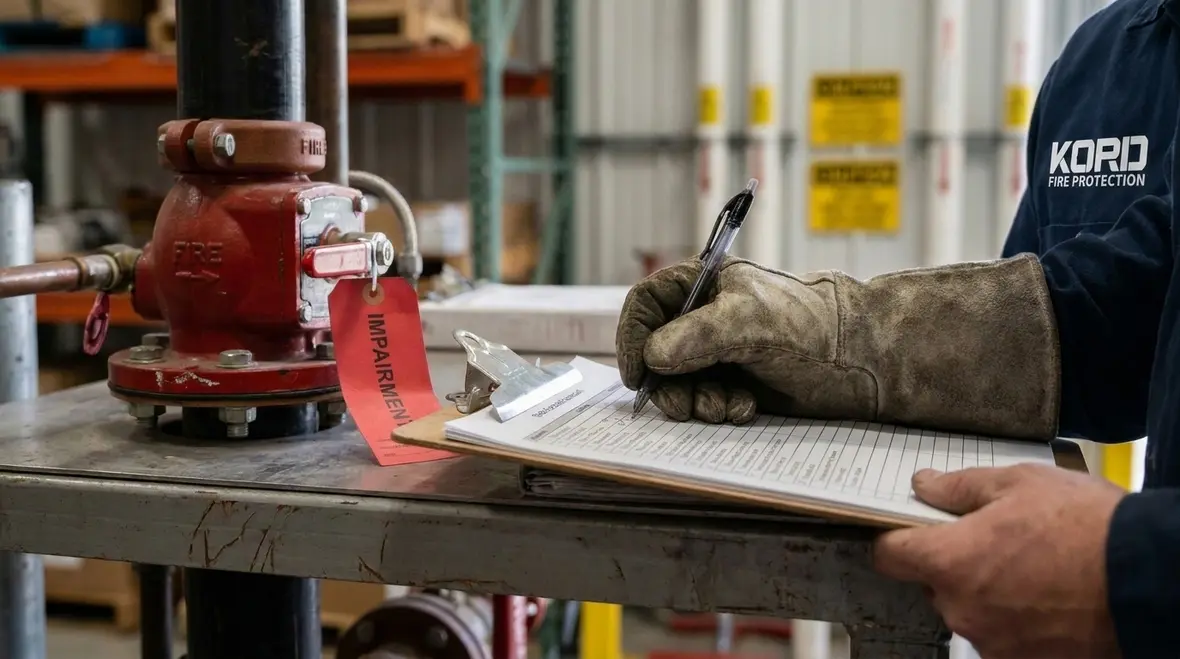
Dual view of the service job and the compliance job
These two views should work together. When they do, the site gets both practical service and a cleaner compliance path. That is the sweet spot.
Facilities run into trouble when they treat service and compliance like two separate universes. In reality, they overlap the whole time. A repair crew needs the system isolated correctly, but management also needs a reliable record of what was impaired, when it started, and when it was put back. The tag helps bridge those goals. It keeps practical field work and formal accountability on speaking terms, which is more than some departments manage on a Tuesday.
How Kord Fire Protection can become a vital partner
Kord Fire Protection can become a vital partner because impairment work demands more than technical skill. It also needs calm planning, strong communication, and a steady hand when pressure rises. That bigger service model shows up across Kord’s broader full fire protection services, where inspections, repairs, maintenance, and testing are treated as one connected system rather than a pile of disconnected tasks.
Kord Fire Protection can help with scheduled shutdowns, impairment tagging, system monitoring, and restoration planning. In addition, the team can support site managers who need a process that fits real operations, not just a rulebook. That means less downtime, better coordination, and fewer surprises. In a world full of moving parts, that kind of partner is worth its weight in gold and maybe a decent coffee too.
Why the partner matters when the site is under pressure
Shutdown work rarely happens in a perfect, quiet environment. It happens when tenants are present, stock is moving, contractors are waiting, and someone wants the whole thing done yesterday. A capable fire protection partner brings structure to that chaos. They help align the field work, communication flow, and return-to-service checks so the site does not lose control halfway through. Calm competence is not flashy, but it ages very well.
FAQ
Next step for safer shutdowns
When a sprinkler or standpipe system must go offline, the process should stay clear, documented, and tightly controlled. The fire sprinkler impairment tag system NFPA 25 helps make that happen. The tag supports communication, helps organize the shutdown sequence, and gives everyone a visible status point while work is underway. That is exactly the kind of small control that prevents much larger mistakes.
For industrial, retail, and commercial sites, Kord Fire Protection can help keep the job steady from start to finish. Reach out to build a safer impairment process before the next shutdown arrives, and put a structure in place that works even when the day gets loud, crowded, and just a little ridiculous.

Join Our Newsletter!
Get the latest fire safety tips delivered straight to your inbox From our Newsletter.