Fire Alarm System Electrical Surge Protection in Australia
Quick Answer
Critical fire alarm circuits need protection from power spikes, lightning, and switching surges that can degrade components or cause false alarms. A well designed surge protection plan, paired with proper grounding and testing, keeps systems dependable. In Australia’s demanding commercial sites, kord fire protection can act as a vital partner to install and support the right protection strategy.
When an unexpected Fire alarm system electrical surge hits, it does not politely knock on the door and ask permission. It can stress panel electronics, trip relays, corrupt signaling, or quietly shorten the life of devices that must work during emergencies. In industrial, retail, and multi site facilities across Australia, the goal is simple: keep critical fire alarm circuits working the way they should, every time.
To do that, teams need more than a generic “surge protector” box. They need a system minded approach that matches the environment, the wiring layout, and the way power enters the building. And yes, it is less glamorous than superheroes, but it is far more likely to save the day.
Near the top of that planning, it helps to work with a provider that understands broader fire protection in Australia, because surge protection only works well when it supports the full life safety picture across the site.
What a fire alarm circuit faces in real facilities
In commercial and industrial settings, surges usually show up from several directions. Utility lightning events can induce high voltages along overhead feeds. Motor start ups, variable speed drives, and large compressors can create switching transients. Even poorly timed electrical maintenance can introduce spikes that travel through equipment and cabling.
Because fire alarm systems rely on stable signaling and power, these disturbances become more than “electrical noise.” They can increase leakage current, raise voltage stress, and create timing glitches in control boards and monitored circuits. As a result, protection must focus on both power paths and data or signaling circuits, not just the main supply.
So, rather than treating surge protection as a one off purchase, the best teams treat it as part of an overall protection plan that fits the facility’s electrical reality. That includes understanding where the fire alarm panel takes primary power, how field devices are supervised, and how far circuit runs stretch through noisy plant areas or busy retail tenancies.
Why routine reliability still starts with power stability
A panel can be modern, addressable, and loaded with features, but none of that matters much if power quality keeps wobbling like a shopping trolley with one bad wheel. Kord’s article on fire alarm power requirements fits naturally here, because reliable supply and backup planning form the foundation that surge protection is supposed to defend, not replace.
Where surge damage actually happens
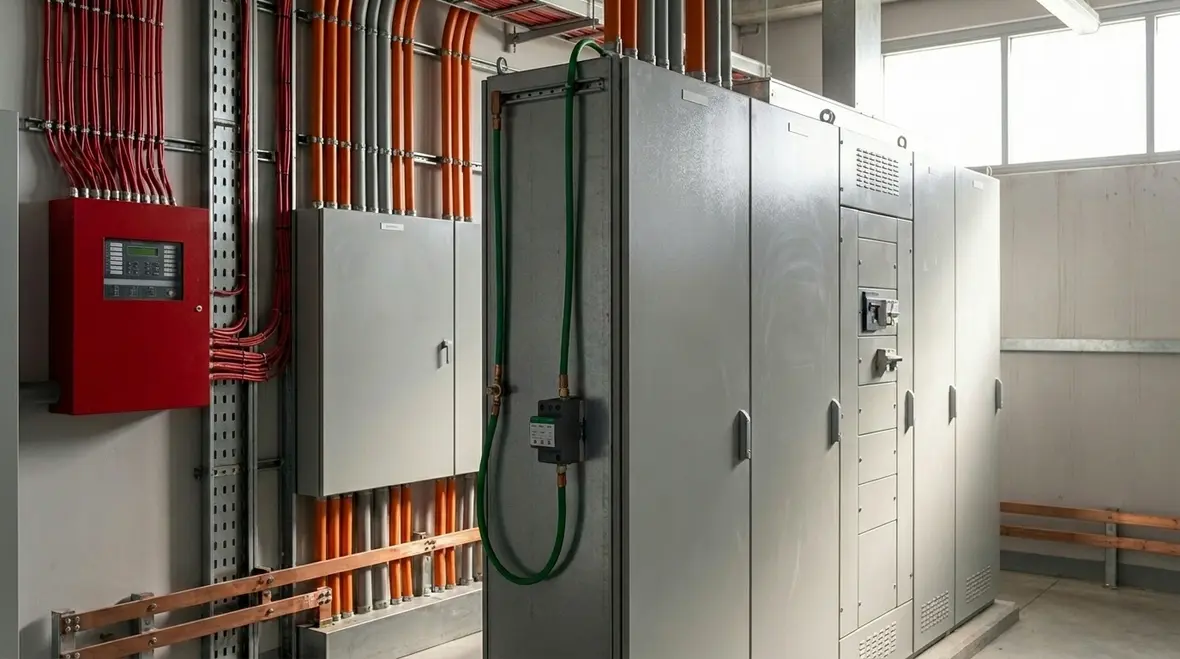
Protection efforts work best when they target the common entry points and weak links. First, the incoming service and distribution panels are frequent sources of stress. Then, the circuit runs that connect panels to detectors, sounders, and interfaces act like highways for unwanted energy.
From there, surges can jump between conductors through capacitance, or they can overwhelm insulation during voltage peaks. In practice, damage often appears as intermittent faults, nuisance alarms, or device lockups that show up weeks later. Then the team starts asking why the system suddenly behaves like it is haunted. Sometimes it is not haunted. Sometimes it is just tired.
Furthermore, shared cable routes and improperly separated power and signaling paths can increase the chance that a transient couples into fire signaling. Even the grounding system matters, because a weak reference point can turn a surge event into a roaming problem. The result is not always dramatic burn marks and cinematic sparks. Often, it is slower and more annoying: a panel that reports trouble without clear cause, detectors that drift out of stable performance, or interfaces that fail only when everyone is busiest.
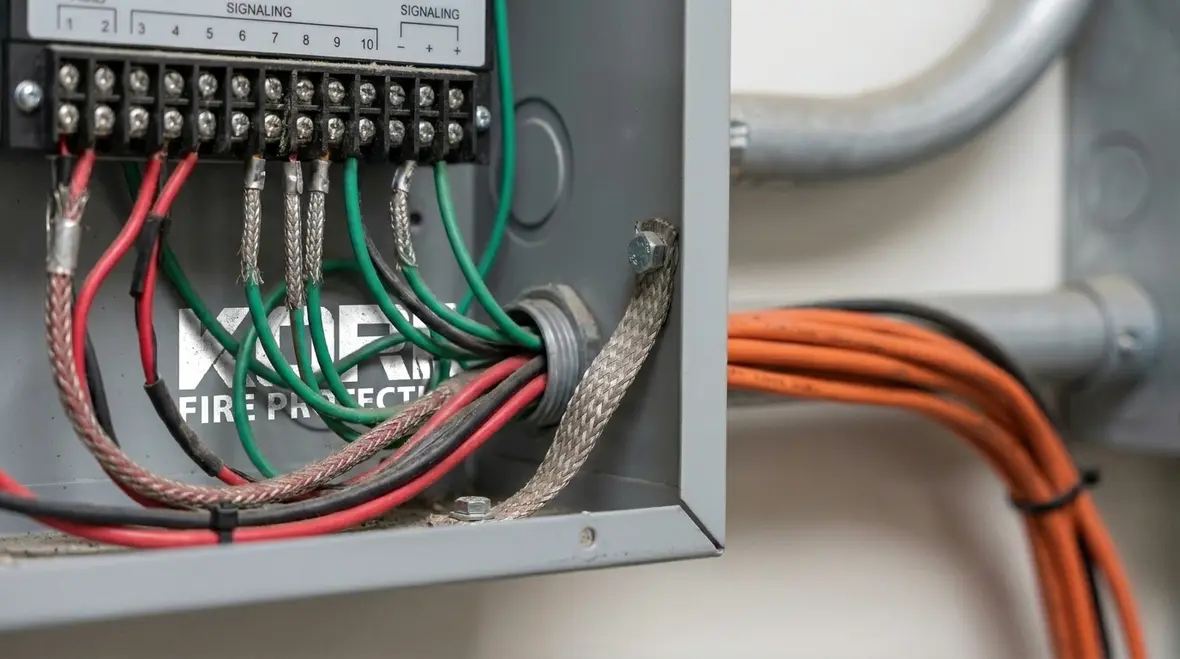
Designing surge protection for critical fire circuits
A strong design usually includes several layers, each with a clear job. First, surge protective devices are installed at strategic locations, so high energy gets managed before it travels deeper into sensitive circuits. Next, the system ensures correct bonding and earthing, so protective action stays controlled and does not create new hazards.
Then, the wiring design supports stability. Teams can use proper cable separation, routing practices, and screened or shielded approaches where appropriate. In addition, installers can ensure correct polarity and termination quality, because a loose connection can create resistance and heat, which makes electrical conditions worse during surges.
At the same time, it helps to coordinate protection devices with the fire alarm panel’s requirements. When the protection level and response time match the equipment, circuits maintain integrity without introducing excessive leakage or triggering unintended faults. That matching step is where good intentions either become good engineering or become a future maintenance headache with paperwork attached.
Layered protection beats a single magic box
One device at the switchboard rarely solves the whole problem. Real fire alarm protection considers incoming power, panel supply points, long field circuits, and any interfaces that connect to other building systems. If lifts, plant shutdowns, access control links, or remote annunciators sit on the pathway, they need to be reviewed as part of the same protection story. Otherwise, the surge simply finds the side door and lets itself in.
Compliance, testing, and avoiding “install and forget”
Many failures happen after the first installation. Protective devices age, lightning protection systems can take hits more often than anyone wants to admit, and connections loosen due to vibration, maintenance activity, or construction changes. Therefore, a responsible program includes commissioning checks and routine verification.
Testing should confirm that protective components function correctly, that grounding meets the intended design, and that monitored circuits still behave as expected under normal conditions. Moreover, teams should check for fault indications on protection modules and verify that panel supervision continues to report issues reliably.
Good practice also includes documentation. Facilities teams benefit from clear records of where surge protection devices sit, what they protect, and what parameters were verified. That way, when an electrical contractor returns for a future upgrade, they do not stumble through history like it is a mystery novel.
This is also why inspection and testing culture matters. Articles like Kord’s fire alarm inspection and testing for commercial buildings and its related guidance on scheduled checks support the same point: reliability is built by repeated verification, not by crossing fingers and hoping the red lights stay quiet forever.
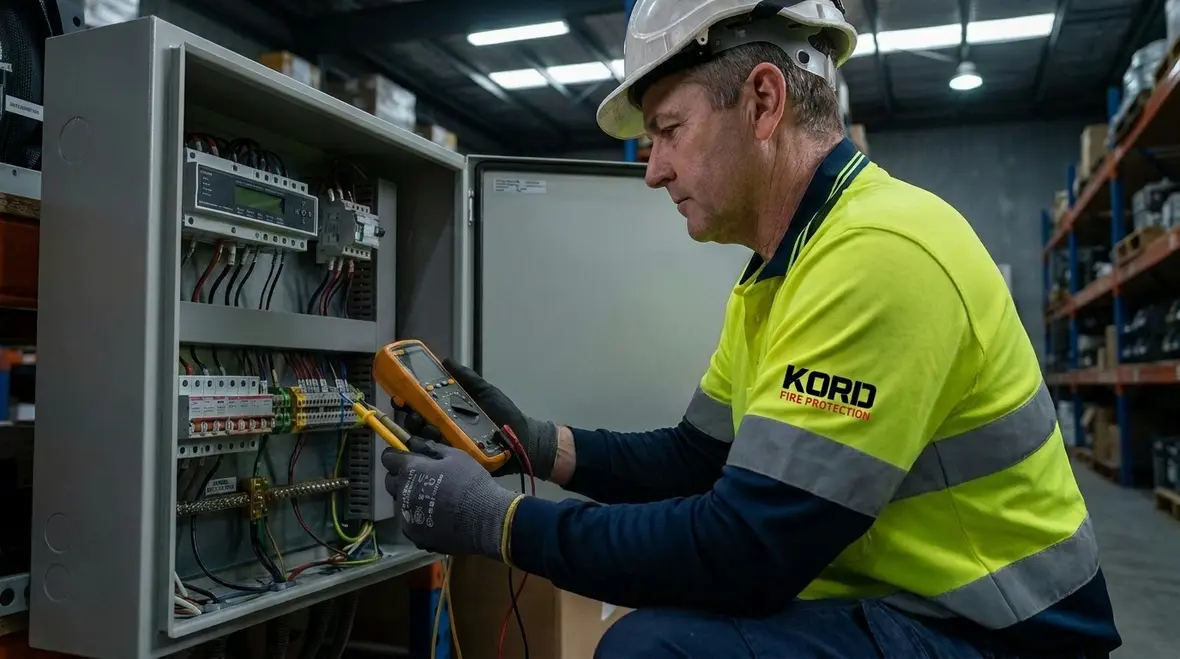
How kord fire protection becomes a vital partner
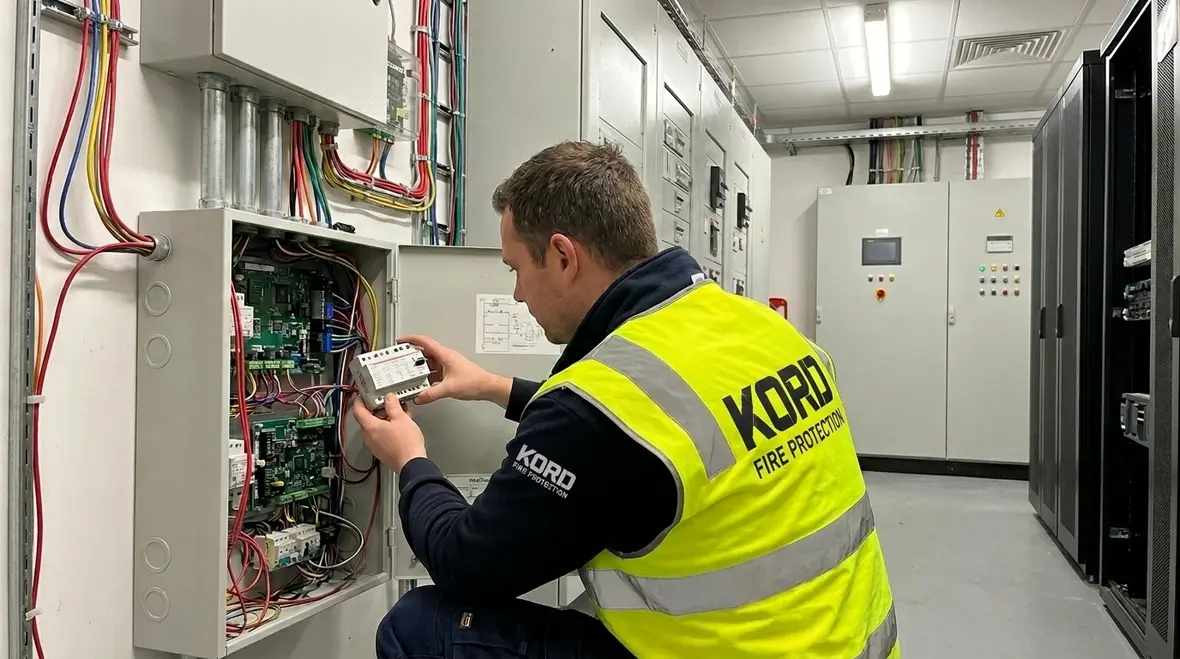
Surge protection can be done by any contractor with the right tools, but getting it right for fire alarm circuits takes experience with system behavior and site conditions. That is where kord fire protection can become a vital partner. They help align practical protection with the realities of Australian facilities, including industrial environments, busy retail fit outs, and multi tenant buildings.
For example, they can support a structured approach that considers power entry, distribution layout, circuit routing, and device supervision. Then, they help teams avoid common pitfalls like mismatched protection settings, incorrect installation practices, or missing checks that only show up during commissioning or later inspections.
In short, kord fire protection does not just add hardware. They support the service/job end to end, so the fire alarm system keeps its reliability focus, even when electrical events try to turn the building into a lighting demo. That practical support matters when facilities are balancing uptime, contractor coordination, compliance pressure, and the fact that no manager enjoys explaining nuisance alarms to tenants for the third time this month.
Practical steps facilities can take right now
- Map the fire alarm panel locations and the primary circuit routes across the site.
- Identify shared cable pathways with other high power equipment.
- Schedule a review of grounding and bonding practices, especially where equipment interfaces with switchboards and distribution boards.
- Ask for a protection design review focused on both power and signaling paths, not just incoming supply.
- Set a maintenance rhythm that includes verification of protective devices and the alarm system’s supervised behavior.
This turns surge protection into an active program instead of a background hope. It also makes future upgrades less chaotic, because the site already knows where the vulnerable paths are and what has been done to protect them.

Common mistakes that lead to costly downtime
Several missteps show up repeatedly across commercial and industrial projects. One mistake is using a generic surge device without checking coordination with the specific fire alarm panel and circuit types. Another mistake involves poor installation quality, such as incorrect connections or routing that lets surge energy couple into signaling lines.
A third issue involves ignoring earthing quality. If grounding does not match the design intent, then protective devices may not clamp voltage effectively, and the circuit can still see harmful stress. Also, some teams delay verification after installation, which means hidden faults remain until the system is needed.
And yes, sometimes the mistake is simply not budgeting for proper testing. It is like skipping the rehearsal and hoping opening night goes well. Usually it does not.
FAQ
Conclusion
Protecting critical fire alarm circuits from electrical surges is a risk management task, not a last minute shopping trip. When facilities coordinate surge protection design, correct earthing, clean wiring practices, and real testing, they keep systems dependable when it matters.
kord fire protection can support the service job with a practical, end to end approach across industrial, retail, and commercial sites throughout Australia. Contact them to review protection needs and strengthen reliability.

Join Our Newsletter!
Get the latest fire safety tips delivered straight to your inbox From our Newsletter.