Extinguisher Placement for Compliance in Australia
Quick answer: Strategic extinguisher placement helps an industrial site reach the right hazard with the right tool fast. It supports compliance, reduces response time, and protects people, assets, and operations. In Australia, Kord Fire Protection can partner with teams to design, install, and verify locations so nothing gets left to chance.
In industrial workspaces across Australia, extinguisher placement for compliance is not a “nice to have.” It helps ensure staff can grab the right extinguisher quickly, and it gives the site a clear safety system when inspectors arrive. Early decisions matter: when extinguishers sit in the wrong spots, response delays grow, and even a small fire can turn into a costly incident. And nobody wants that, even if Hollywood insists sprinklers and miracles always show up on cue.
Near the top of any fire safety plan, it also helps to think about how extinguishers work alongside broader systems like full fire protection services and responsive fire alarm service. Fast detection and smart extinguisher access make a much better team than panic and guesswork.
Why extinguisher location decides how fast a fire gets contained
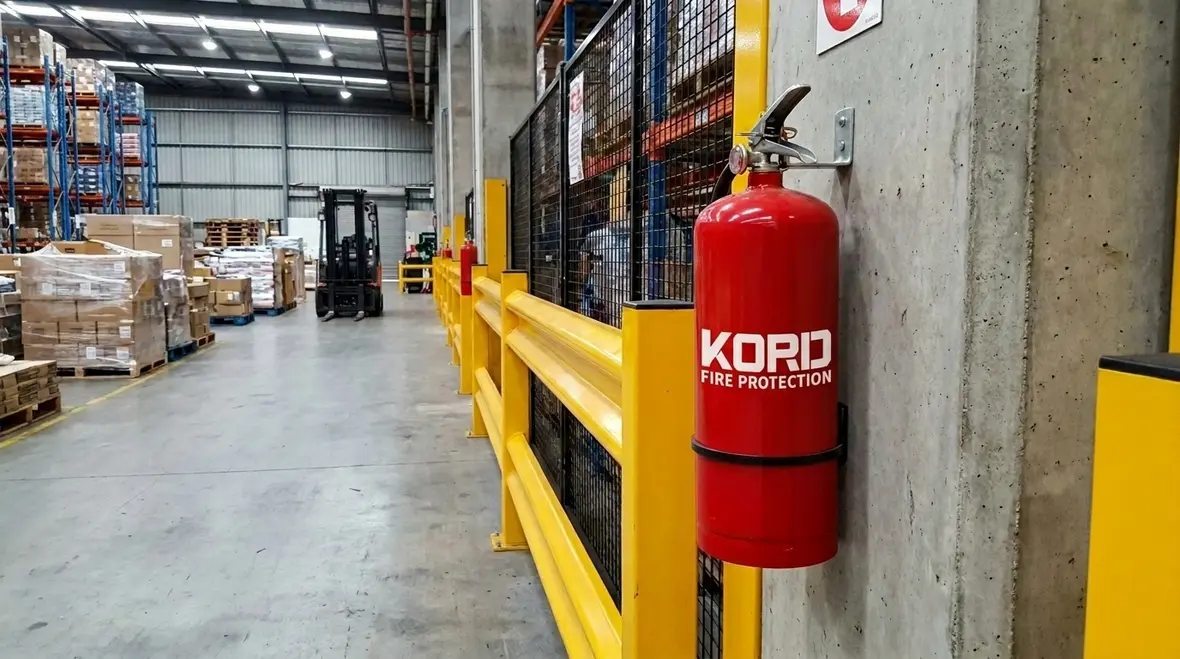
Fires spread with speed and intent. Therefore, the first minutes matter, and access matters even more. When extinguishers sit near likely ignition sources and on reliable routes, workers can act without hunting, weaving, or asking for directions. As a result, the first response becomes practical instead of heroic.
In facilities, kitchens of sparks often hide in plain sight: welding bays, electrical cabinets, packing areas, paint zones, forklift charging areas, and loading docks. However, the job is not just to place units randomly “around the site.” Instead, teams must consider how people move during a normal shift, what they can reach under stress, and what gets blocked by pallets, racks, or daily operations.
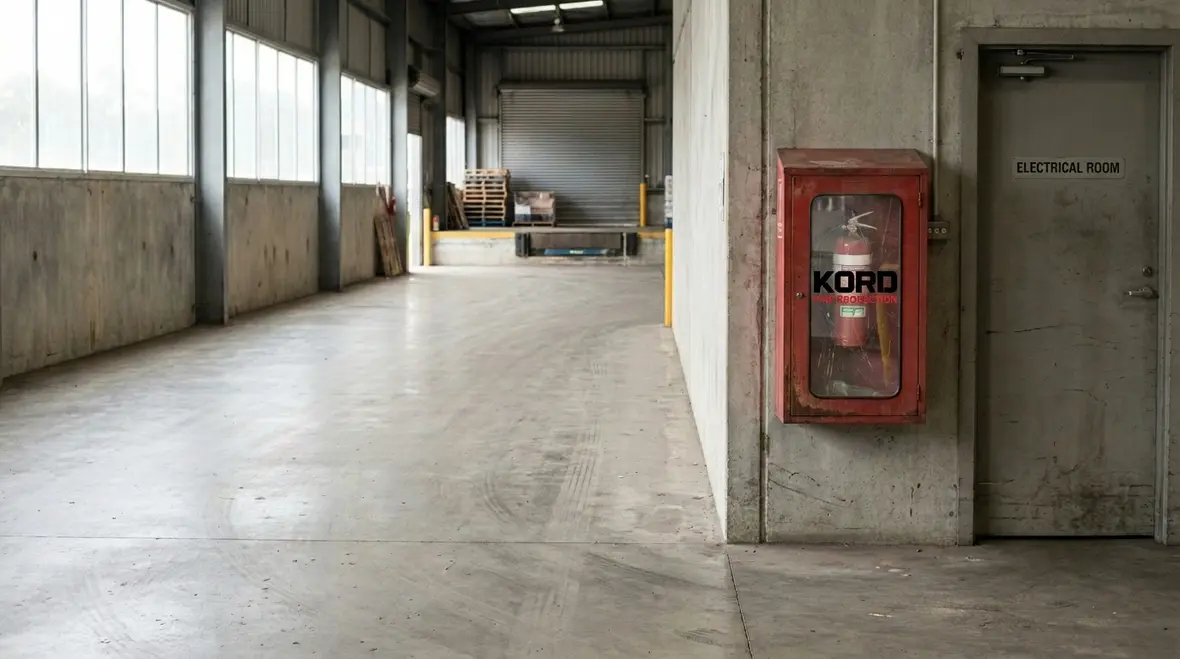
Also, the extinguisher must be where it can be grabbed quickly. If it is tucked behind clutter, mounted too high, or placed where only one route leads to it, the best extinguisher in the world might as well be on the other side of the moon. Compliance is not just about owning the equipment. It is about placing it where real human beings can actually use it when the pressure is on and the clock gets rude.
Fast access beats perfect intentions
A site can buy good extinguishers, log service visits, and still fall short in the moment that matters most. The reason is simple: if a worker loses precious seconds trying to spot, reach, or unhook the unit, the fire gets extra time to grow teeth. Strategic placement reduces hesitation, gives staff confidence, and supports a response that feels trained instead of improvised.
How to select positions in industrial layouts without guessing
Industrial spaces vary widely across Australia, from cold storage and warehouses to workshops and retail back-of-house areas. So the placement plan should fit each layout instead of copying a generic map from someone’s cousin.
Key steps usually include:
- Mapping risk points: identify ignition sources, fuel loads, and areas where workers frequently handle flammable materials.
- Reviewing travel paths: ensure extinguishers sit along practical routes people use during work, not just along paper routes.
- Accounting for access: allow clear sightlines and space for someone to reach, remove, and operate the unit.
- Considering obstructions: prevent placement behind doors that stay shut, behind signage that blocks view, or beside barriers that shift during operations.
- Matching extinguisher type to hazard: choose the right agent and rating for the risk, because “any extinguisher” is not a strategy.
Then teams validate what they designed. They walk the site as if they were responding under pressure. If an extinguisher feels reachable on a calm tour but unreachable in real conditions, the site needs adjustment. Kord Fire Protection often supports this kind of practical review so the plan matches how the workplace truly works.
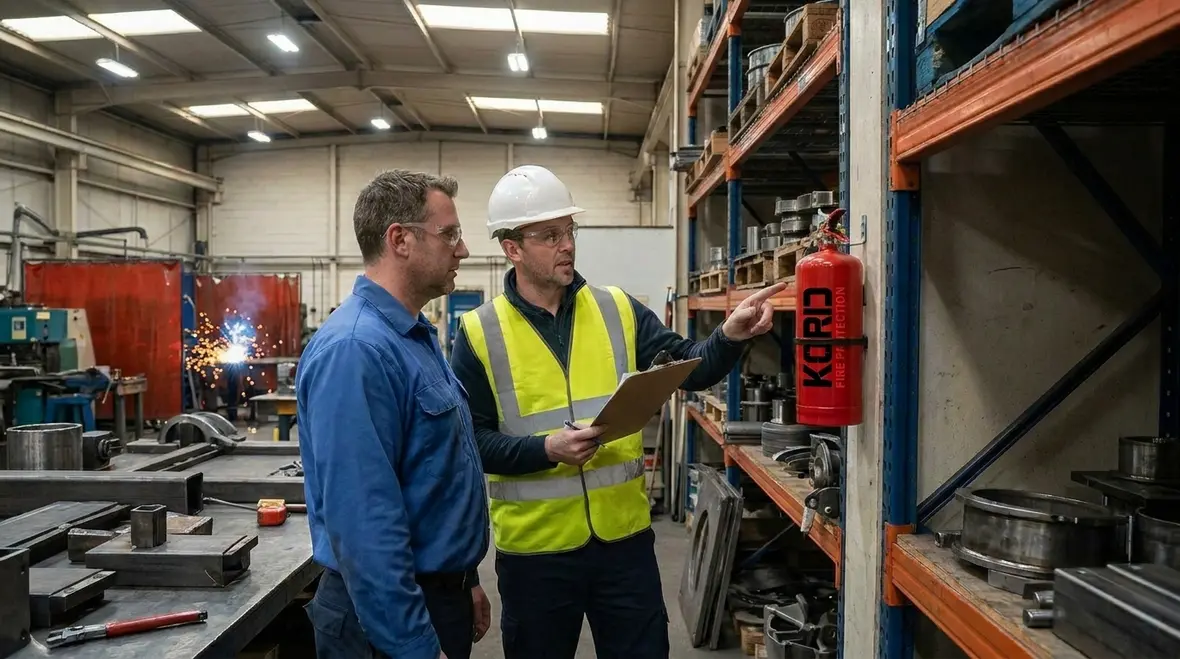
A layout review should match the real shift, not the fantasy version
This is where practical walkthroughs earn their keep. A map might look tidy in an office, but live operations have parked pallets, moving forklifts, temporary barriers, and people carrying tools or stock. Placement only works when it respects the route workers will actually take on an ordinary day that suddenly becomes a very non-ordinary one.
Placement rules that keep inspections calm and outcomes safer
Fire safety planning in commercial and industrial environments relies on sound logic and local compliance expectations. Therefore, extinguisher positioning should follow consistent principles, such as making the units visible, accessible, and distributed so coverage supports the risks across the building.
Rather than relying on guesswork, facilities typically ensure these fundamentals stay in place:
- Clear mounting height: workers can reach and operate the extinguisher without climbing or pulling over obstacles.
- Unobstructed access: no pallets, racks, or equipment storage block access during normal operations.
- Coverage across hazard zones: high-risk areas receive attention, and low-risk areas do not become a free-for-all.
- Distribution along routes: extinguishers support travel paths that staff already use during emergencies.
Here’s the business truth: inspectors want a system they can understand. When placements follow clear reasoning, the documentation and on-site reality line up. And that alignment makes the day smoother for everyone. Even the people who act like safety checks are “a paperwork game” eventually learn that fires do not care about office politics.
Visibility and logic make compliance easier to defend
When an extinguisher is easy to see, easy to reach, and clearly suited to the surrounding hazard, the site tells a coherent safety story. That matters during audits, but it matters even more during a real event. Staff should not have to decode a mystery novel when smoke is in the room.
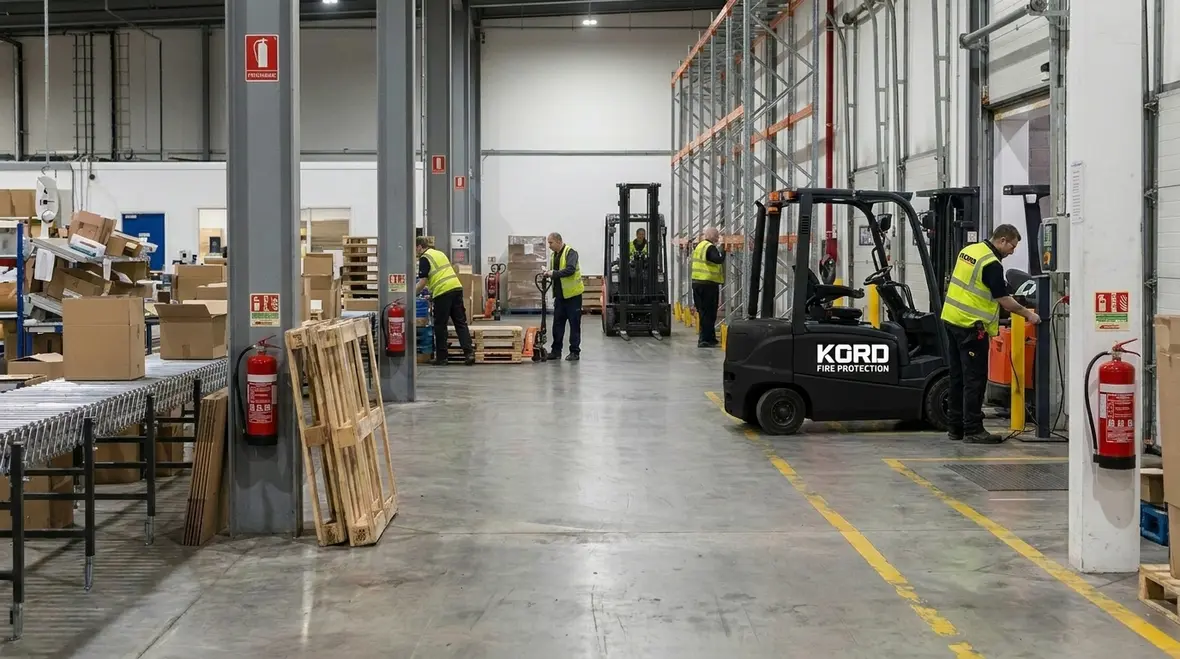
Common placement mistakes in warehouses, shops, and facilities
Even well-run sites can slip into avoidable errors. These mistakes usually show up after an incident, during an audit, or when staff try to locate equipment under stress.
Common issues include:
- Behind closed doors: the extinguisher exists, but access requires the wrong door at the wrong moment.
- Mounted for “average” workers only: some staff cannot reach it quickly, especially under protective gear or during movement.
- Placed too near hazards without safe routes: the extinguisher sits beside the risk, but the area becomes unsafe first.
- Blocked by changing storage: forklifts and racks move, and the extinguisher quietly becomes an ornament.
- One-size distribution: the site has multiple hazards, but the same spacing and approach gets reused everywhere.
To make matters worse, training gaps can mask placement problems. If staff do not rehearse locating and using the correct extinguisher, even the best plan fails. Therefore, placement should pair with practical awareness, signage, and periodic checks. A site should not discover a bad location during the grand opening of a real emergency.
How Kord Fire Protection becomes a vital partner
Teams often do the hard work of risk assessment, but then the project gets pulled in ten directions: refurbishments, new racking, seasonal stock changes, and contractor access. In that real world, extinguisher placement for compliance can drift over time if no one owns the final verification.
This is where Kord Fire Protection can become a vital partner. They help facilities move from intention to execution by supporting practical placement decisions, installation planning, and ongoing checks that align with how the site runs. In other words, the extinguishers do not just get mounted. They get integrated into the site’s operational reality.
For industrial, retail, and commercial environments across Australia, that partnership often means:
- Site-focused planning: positions match actual access routes and hazard areas.
- Safer installation practices: teams mount units so workers can reach them fast and clearly.
- Verification support: reviews help confirm units remain reachable as the workplace changes.
- Business continuity thinking: solutions consider ongoing operations, not just day-one compliance.
And yes, if fire safety is the quiet teammate nobody claps for, Kord Fire Protection helps ensure the teammate actually shows up when the game gets intense. Because a fire does not care how polished the building looks.
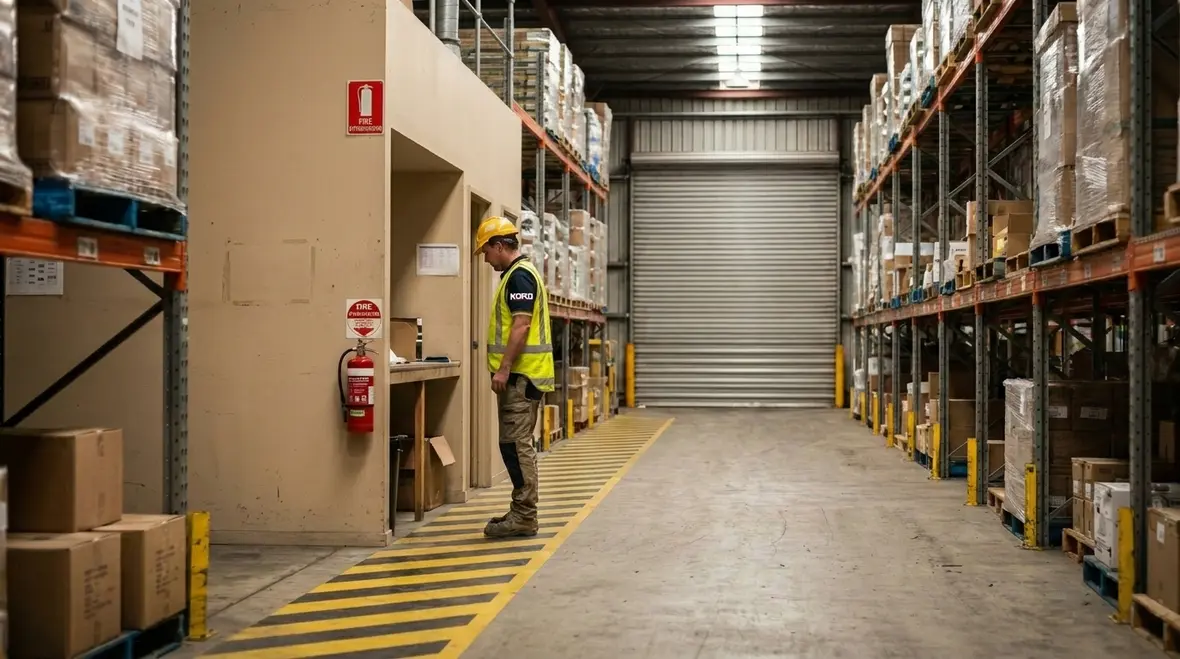
Maintaining extinguisher placement and readiness across site changes
Placement is not a one-time act. Warehouses expand, retail stores remodel, and facilities shuffle equipment and stock. Therefore, a placement plan must survive change.
To keep extinguisher locations effective, facilities typically schedule:
- Periodic checks: confirm the extinguisher is present, unobstructed, and visible.
- Post-change reviews: reassess placement after racking shifts, layout updates, or new processes come online.
- Operational walkthroughs: verify access with staff who know the workflow.
- Condition and readiness verification: ensure units remain serviceable for the right use when time is short.
Then they document outcomes so everyone stays aligned. This matters for multi-site organisations and facility teams who must keep standards consistent across regions. It also matters for contractors who touch layout during builds and maintenance. With the right rhythm of checks, extinguisher placement stays trustworthy, not “probably okay.”
FAQ
Final word
Strategic extinguisher placement turns emergency response from frantic to focused. It supports faster access, better coverage across hazard zones, and smoother compliance expectations for industrial, retail, and commercial facilities across Australia.
If your site is changing, or you want a placement plan that holds up in real conditions, Kord Fire Protection can help. Reach out to review your layout, confirm locations, and keep your fire safety system steady as operations evolve.

Join Our Newsletter!
Get the latest fire safety tips delivered straight to your inbox From our Newsletter.