Australia Fire Protection for Compliance and Readiness
Quick Answer: Fire protection in Australia helps businesses stay compliant, protect people, and reduce losses from fire and smoke. In industrial, retail, and commercial facilities, it also supports safer operations through detection, suppression, and staff readiness. Kord Fire Protection can act as a vital partner by managing systems and keeping risks under control.
Fire happens fast, and in Australia that truth matters even more. Across warehouses, shopping centres, workshops, office towers, and complex facilities, our australian fire protection approach supports the way modern businesses operate: with planning, evidence, and ongoing maintenance. Yet the best systems on paper still fail if they are not installed correctly, checked regularly, and supported by people who understand how hazards change over time. That is why fire protection is not a “set and forget” service. It is an ongoing job, the kind that keeps continuity when the stakes get real.
For businesses needing a practical support partner early in the process, Kord Fire Protection’s fire protection service offering can sit naturally alongside broader site maintenance planning. It helps bring compliance, operational readiness, and system follow-up into one clearer picture before small issues become expensive surprises.
Australia’s fire risk landscape and why businesses care
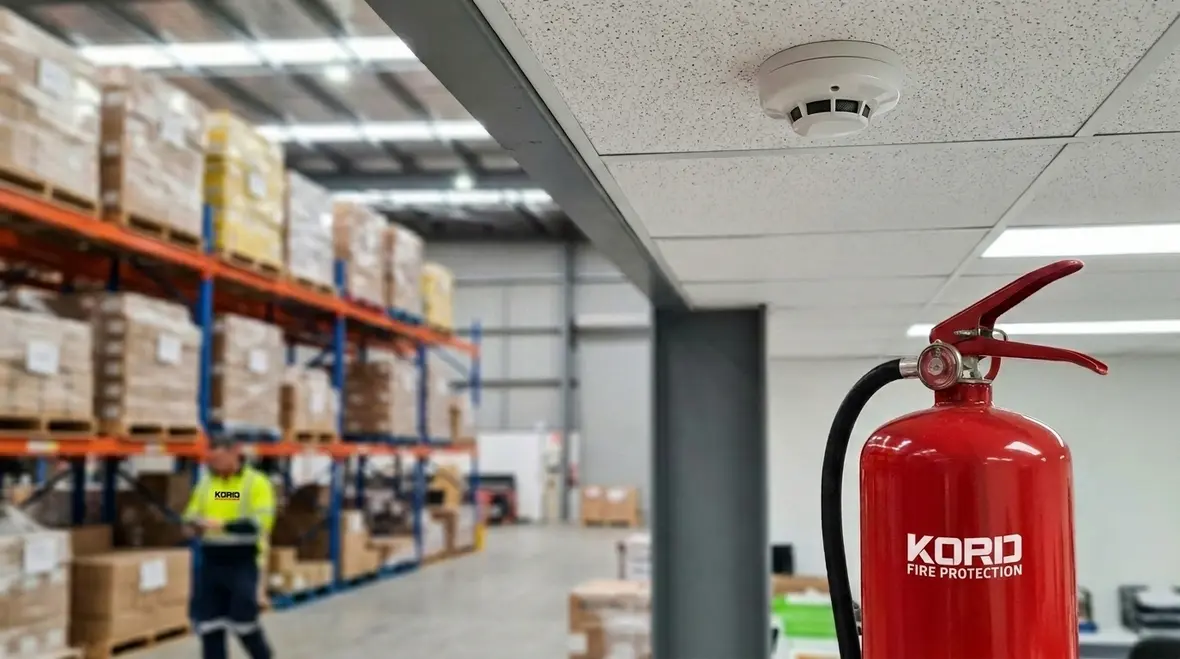
Australia’s climate, building types, and high activity levels create a range of fire threats. Facilities face heat load in summer, bushfire smoke exposure in many regions, and electrical loads that grow as businesses modernise. In warehouses, ignition sources often include forklifts, racking, fuel-based equipment, and stock stored in tight spaces. Meanwhile, retail sites add complexity through fitouts, displays, and frequent layout changes. As a result, fire protection must match the real world, not just the drawings.
Fire protection also affects operations beyond life safety. If smoke control systems fail or detection runs late, customers may evacuate early, production lines may stop, and insurance claims can become stressful. And nobody wants the kind of paperwork that arrives with the words “unverified maintenance.”
Why risk changes faster than many sites expect
One of the trickiest parts of fire protection is that risk rarely stays still. A site can look compliant during one inspection cycle, then shift significantly after a storage change, a machinery upgrade, or a contractor rearranging access routes. Even something as ordinary as stacking goods a little higher than usual can affect detector response, visibility, and access for emergency teams. That is why businesses care so much about ongoing review. Fire risk is not only about the building as designed. It is about the building as actually used on a busy Wednesday afternoon.
How fire protection keeps compliance on track
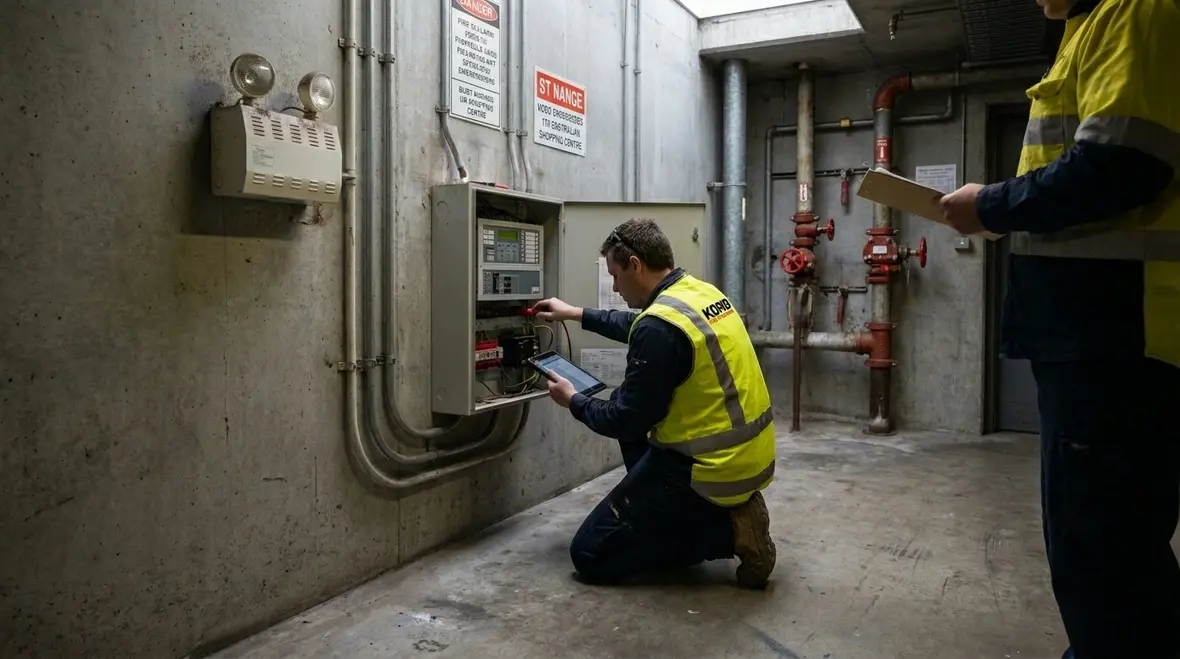
Australian facilities work within strict building and safety expectations. Regulations and standards drive requirements for installation, inspection, testing, and records. Therefore, companies need practical compliance, not vague promises. Strong fire protection programs include routine checks for detection devices, alarms, emergency lighting interaction, and suppression systems where they apply. They also ensure documentation stays current, so audits do not turn into surprise pop quizzes.
For industrial and commercial clients, compliance becomes a management system. It links with maintenance schedules, contractor coordination, and site change control. When a business modifies storage layouts or upgrades electrical services, the fire strategy must be reviewed. Fire protection professionals help ensure these changes do not create hidden gaps. In short, they help businesses stay safe and keep their obligations clear.
Compliance is easier when records tell a clear story
Good documentation is not glamorous, but it does a lot of heavy lifting. Clear reports show what was inspected, what was tested, what faults were found, and what happened next. That matters during audits, insurer reviews, contractor handovers, and internal planning meetings. More importantly, it gives site managers confidence that the fire protection picture is based on evidence instead of memory. Memory is useful, of course, but not usually in the way compliance officers prefer.
Detection, suppression, and systems that work together
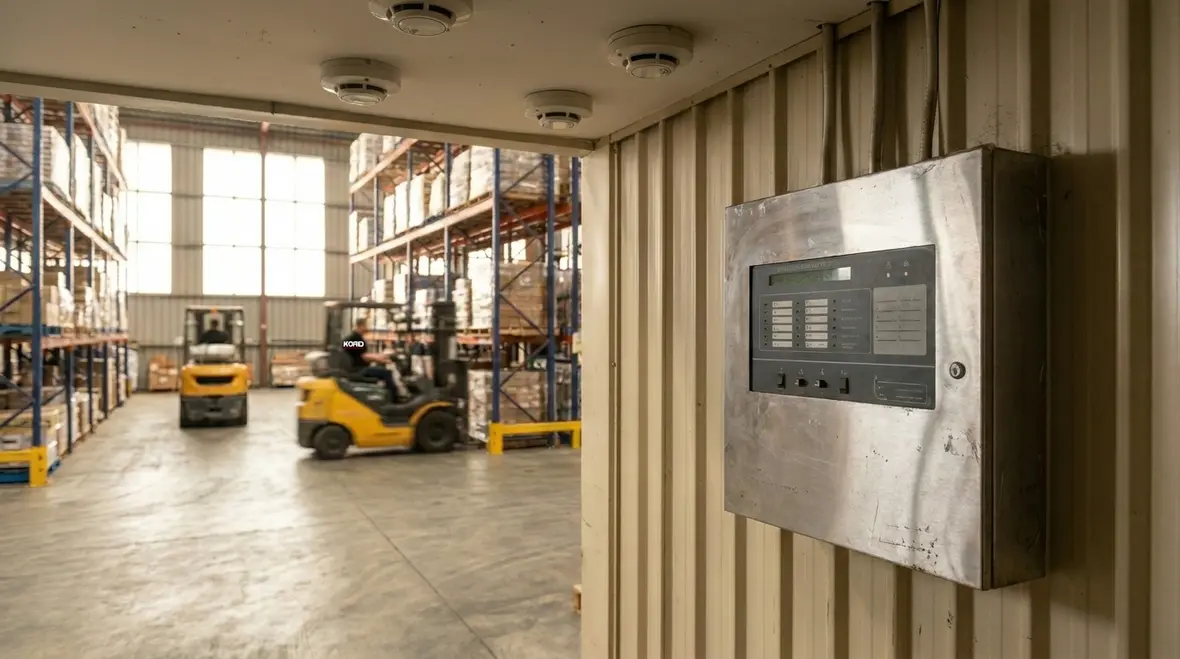
Modern fire protection relies on multiple layers. Detection systems identify smoke, heat, or flame early. Alarms alert occupants fast and direct them to exits. Suppression measures then reduce fire growth or protect specific areas long enough for evacuation and response. However, the layers only perform well when they integrate smoothly.
Consider a typical commercial scenario: a change in shelving height can affect airflow paths, which can influence smoke movement to detectors. Likewise, a loading bay upgrade can alter vehicle movement patterns, which can affect access for firefighting. Therefore, fire protection professionals do more than test devices. They verify that system coverage still makes sense after operational changes.
When these systems operate correctly, they support business continuity. When they do not, smoke spreads, doors close too late, or alarms become harder to interpret. In other words, the whole safety chain either holds together or it becomes the weakest link.
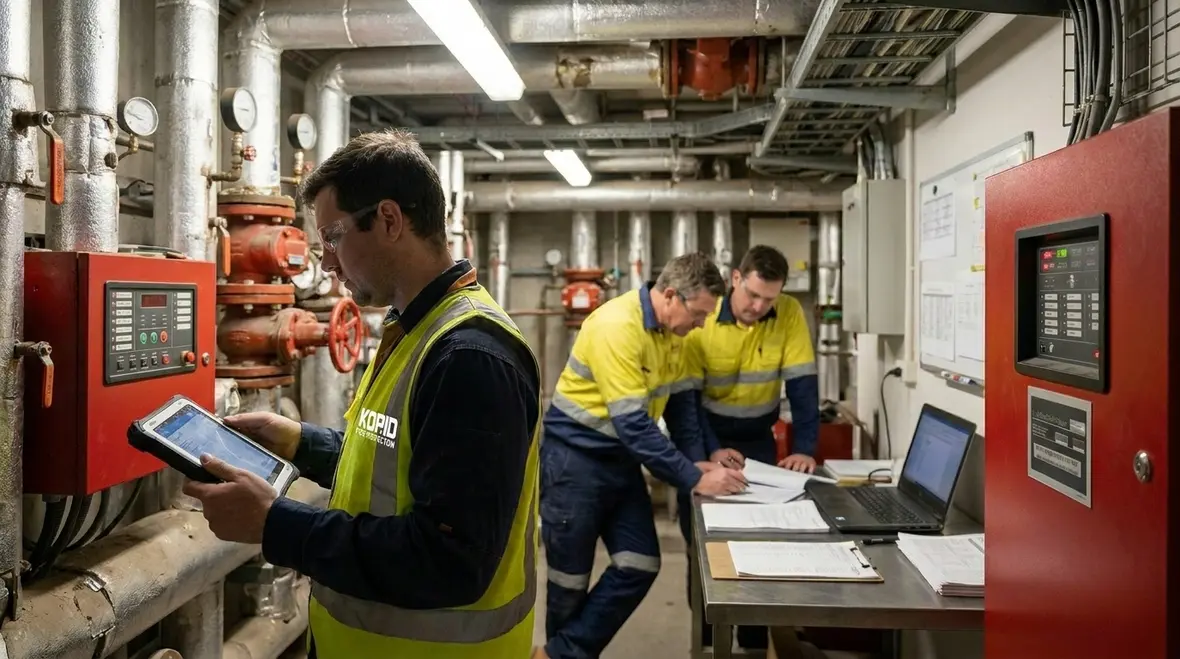
What routine inspections actually achieve
Inspections are often treated like an administrative task. Yet in real facilities, inspections help reduce uncertainty. Technicians confirm that equipment remains within required performance limits and that components stay reliable under real operating conditions.
During inspections, fire protection teams typically check for physical damage, contamination, correct settings, and device health indicators. They also validate readiness by testing relevant functions and reviewing last service reports. Furthermore, they identify patterns, such as recurring fault conditions that point to environmental factors, vibration, or early wear.
For industrial and retail environments across australia, the goal is to prevent “silent failure.” That is when systems appear fine until the day they are needed, like that coworker who always says they will “look into it” but never does. Proper inspection and clear reporting turn that risk into something measurable.
Routine service protects continuity, not just compliance
There is also a practical business reason to keep inspection routines strong: downtime hurts. A fault that disables a detection zone, delays alarm output, or affects suppression readiness can create far bigger operational problems than the service visit ever would. Routine inspections help identify those weaknesses early, while the fix is still manageable and before it turns into an urgent phone call at the worst possible moment.
Planning for change in industrial, retail, and commercial sites
Facilities evolve. A new production line goes in. A tenancy fitout gets replaced. Refrigeration upgrades increase electrical demand. Meanwhile, construction and maintenance activities create temporary conditions that can affect fire behavior and access routes. In these moments, fire protection must stay current and coordinated.
A strong fire protection program includes site familiarity. It accounts for how people move through spaces, where materials store, and how work practices create different hazards by shift. Then it supports change approvals with technical input, ensuring fire systems keep matching the updated layout.
This is where Kord Fire Protection can become a vital partner. They bring a practical service approach that fits the way business runs. Instead of treating fire protection as a one-off job, they help facilities maintain continuity through scheduling support, system follow-up, and clear communication for stakeholders. As a result, managers spend less time chasing details and more time running the business.
Partnering with Kord Fire Protection for long-term readiness
Many companies think the best outcome comes only at installation time. Yet the real value shows up later, during maintenance, verification, and response readiness. Kord Fire Protection can support that lifecycle by strengthening documentation, coordinating service intervals, and ensuring systems stay aligned with compliance expectations.
Moreover, a solid partner helps facilities handle the messy part of real operations. That includes coordinating with maintenance shutdowns, working around trading hours for retail sites, and planning access in industrial areas where safety rules are tight. With that kind of support, fire protection remains consistent rather than disrupted.
| Facility type | Why fire protection planning matters |
|---|---|
| Industrial | Higher ignition sources, storage density, and equipment heat loads demand layered detection and suppression, plus ongoing verification. |
| Retail | Frequent fitouts and changing displays require coverage checks so detection and alarm systems match the latest layout. |
| Commercial | Occupant movement, tenancy changes, and maintenance access make coordination and documentation essential for compliance. |
FAQ: quick, featured snippet answers
Conclusion: build readiness, not paperwork
Fire protection in Australia protects lives, strengthens compliance, and supports business continuity when the unexpected occurs. However, systems only perform well when a site stays engaged through inspections, coordinated maintenance, and updates after change.
For industrial, retail, and commercial facilities, that partnership matters. Talk to Kord Fire Protection to review current arrangements, strengthen ongoing readiness, and keep your fire protection program working as hard as your team does.

Join Our Newsletter!
Get the latest fire safety tips delivered straight to your inbox From our Newsletter.