Cancerous AFFF vs Non PFAS Foam and F3 Systems
Quick answer
Cancerous AFFF foam and non PFAS foam systems differ in chemistry, health risk profile, and regulatory exposure. Non PFAS solutions, including Fluorine-Free Foam (F3) systems, can reduce long term contamination concerns while still supporting effective fire suppression. Kord Fire Protection can guide site teams, documentation, and compliant installations so the job stays smooth.
In fire protection, people love certainty. Yet chemistry does not always cooperate. For industrial, retail, and commercial facilities across Australia, the debate between cancerous AFFF and non PFAS foam suppression systems has moved from rumor to real operational concern. At the center of this shift, many operators now explore Fluorine-Free Foam (F3) systems because they aim to reduce PFAS related environmental and health worries while still meeting demanding scenarios.
Now, before anyone starts treating foam like a magic potion, the key is understanding what changes, what stays the same, and how teams prove compliance. And yes, lawsuits have also become part of the story, because apparently, nature did not read the safety datasheets either.
For sites already planning upgrades, the conversation usually moves quickly from chemistry to practical delivery. The real question becomes how to shift from legacy foam to a modern suppression strategy without turning the project into a game of expensive guesswork. That is where a properly planned fire protection service strategy helps near the top of the process, because performance, documentation, and installation all need to stay aligned from day one.
Fluorine-Free Foam (F3) systems: the practical starting point
When sites move away from legacy AFFF, they often feel two emotions at once: relief and confusion. Relief, because Fluorine-Free Foam (F3) systems reduce fluorine based concerns. Confusion, because fire performance, system design, and application practices must still match the hazard. Therefore, operators should treat this as an engineering and compliance project, not a simple product swap.
In practice, the goal stays the same: suppress burning liquids fast enough to limit heat, prevent reignition, and protect people and assets. However, the pathway changes. Non PFAS foam concepts focus on achieving film forming and heat knockdown without relying on PFAS chemistries that have raised regulatory attention worldwide.
Meanwhile, Kord Fire Protection steps in as a partner, not a passenger. It helps facilities map the hazard profile, select compatible components, and document the system so audits do not turn into surprise pop quizzes. That support becomes especially useful when operators want to compare the current system against future compliance expectations without losing sight of day to day site operations.
Why the move to F3 is not just a concentrate swap
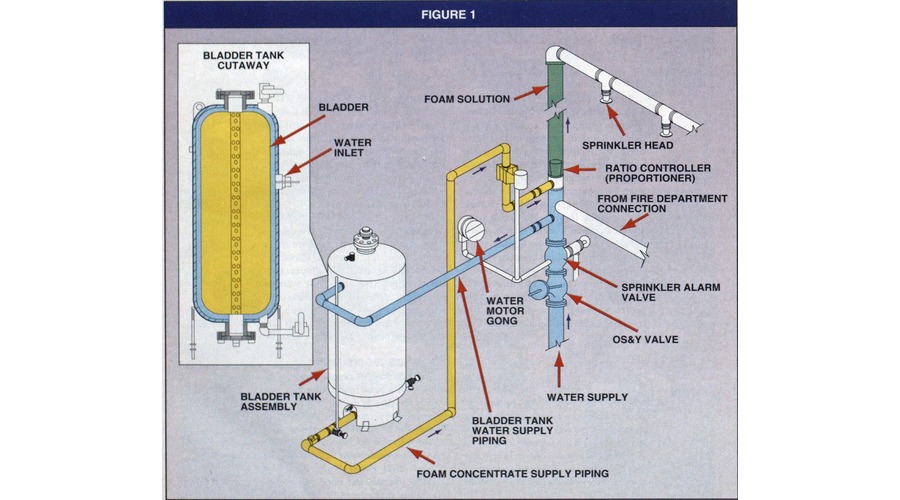
A foam system is a chain, not a bottle. Concentrate, proportioner, pipework, nozzles, discharge density, water supply, drainage, and operator response all influence the result. Change one part carelessly and the chain can wobble. That is why experienced teams look beyond the label on the drum and verify how the whole arrangement will behave under real fire conditions. It is less glamorous than a dramatic rebrand, but a lot more useful when something is actually burning.
What makes cancerous AFFF a special concern
Legacy AFFF is known for effective performance, and historically, that is why it spread. Yet health and environmental concerns have escalated over time, and that is where “cancerous AFFF” language entered public discussion. The concern is tied to fluorinated compounds that can persist in the environment and may be linked to long term health risks.
As governments respond, rules tighten around manufacturing, use, and disposal. Consequently, sites face additional pressure for inventory tracking, spill response planning, and renewal of fixed extinguishing systems. Even where a site is not under immediate replacement orders, managers can still feel the pressure through procurement policies, insurance questions, and internal governance reviews.
Importantly, “AFFF cancer” is not a single, neat lab test result that every site can reference. Instead, it reflects ongoing litigation, scientific review, and regulatory action. Therefore, decision makers should focus on exposure pathways, replacement timelines, and documented risk controls rather than vague fear. Panic is not a strategy, but neither is pretending the issue will quietly wander away on its own.
The hidden operational cost of waiting too long
Many facilities assume delay is the cheaper option. Sometimes it is, briefly. But once disposal planning, contamination controls, contractor availability, and insurer scrutiny pile up, delay can become its own budget line. Add in the chance of emergency changes being rushed under pressure, and suddenly “we will deal with it later” starts sounding like a very expensive hobby.
Non PFAS foam suppression systems: where performance still matters
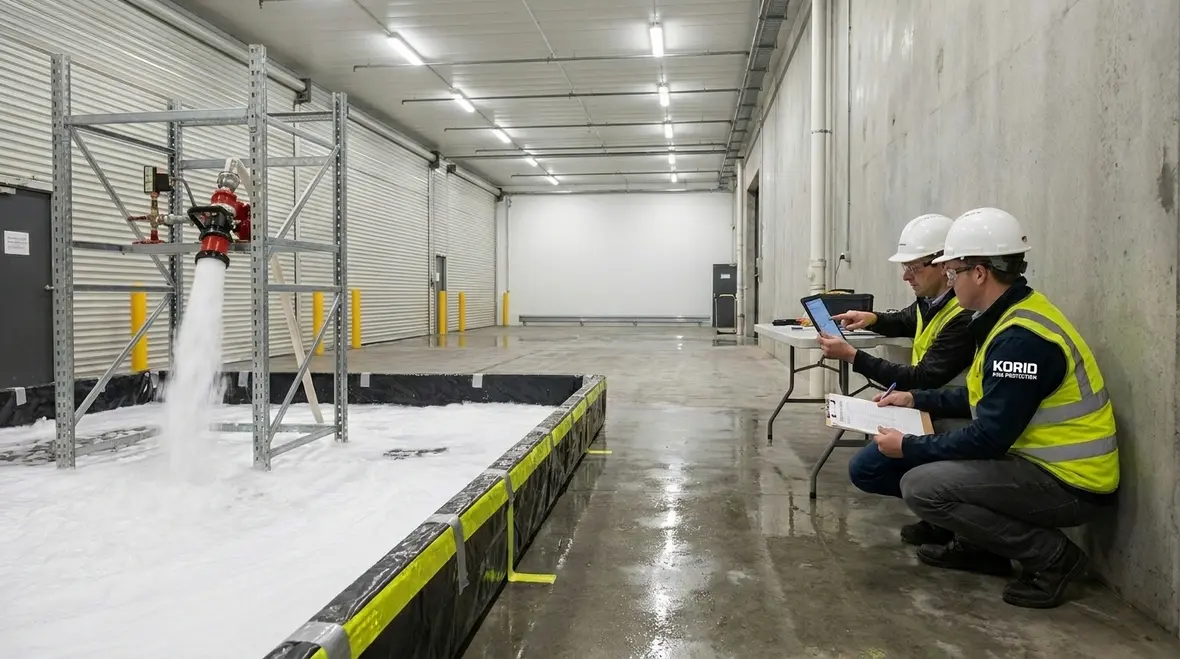
Non PFAS foam systems aim to deliver reliable suppression for flammable liquid hazards. That means design still relies on factors such as water supply, proportioning, discharge rates, application methods, and training. In other words, foam does not do the work alone; the system and the people do.
However, the transition needs care. If a facility changes foam concentrate but keeps the wrong proportioning settings or incompatible hoses and nozzles, performance can drop. Thus, teams should run the right acceptance testing and verify that the system operates as designed.
Even so, many facilities prefer Fluorine-Free Foam (F3) systems because they align with modern compliance direction and reduce persistent chemical concerns. And yes, you still need proper maintenance, inspection schedules, and service records. Fire protection is less like a smartphone upgrade and more like keeping a car maintained: it works when you do the basics.
Performance is proven by testing, not optimism
A successful conversion depends on measured outcomes. Teams need to know the delivered concentration, the discharge pattern, the application time, and whether hardware supports the selected foam. That verification protects more than the facility. It protects the people signing off on the project, the teams expected to operate the system, and the asset owners who would rather not discover a compatibility issue during the least convenient moment imaginable.
Look into the lawsuits about it and what they mean for Australian operators
When operators search “cancerous AFFF lawsuits,” they usually encounter a large wave of claims from communities and entities tied to contamination. These cases often involve allegations of PFAS release from firefighting activities, manufacturing history, and delayed warnings. As a result, the legal landscape has influenced how regulators and insurers assess risk.
For Australian facilities, this matters even if a specific case does not involve a particular site. Why? Because lawsuits shape policy, procurement requirements, and due diligence expectations. Therefore, directors and facilities managers increasingly ask for documentation that shows prudent risk management. They want a trail that explains what was used, why it was used, when it changed, and how the replacement was verified.
Kord Fire Protection can help with that documentation chain. For example, it can support project files that show foam selection rationale, system compatibility checks, installation records, and commissioning reports. That way, when questions arise during an audit or insurer review, the facility does not scramble like a person searching for their keys during a power outage.
Dual column compliance snapshot
Cancerous AFFF legacy focus
- Scrutiny around PFAS persistence and exposure
- Inventory, disposal, and spill response pressure
- Legal and reputational risk sensitivity
- More stringent renewal expectations
Non PFAS and Fluorine-Free Foam (F3) focus
- Reduced fluorine related concerns
- System performance verification still required
- Compatibility checks for proportioners and hardware
- Updated documentation and training
How Kord Fire Protection becomes a vital partner
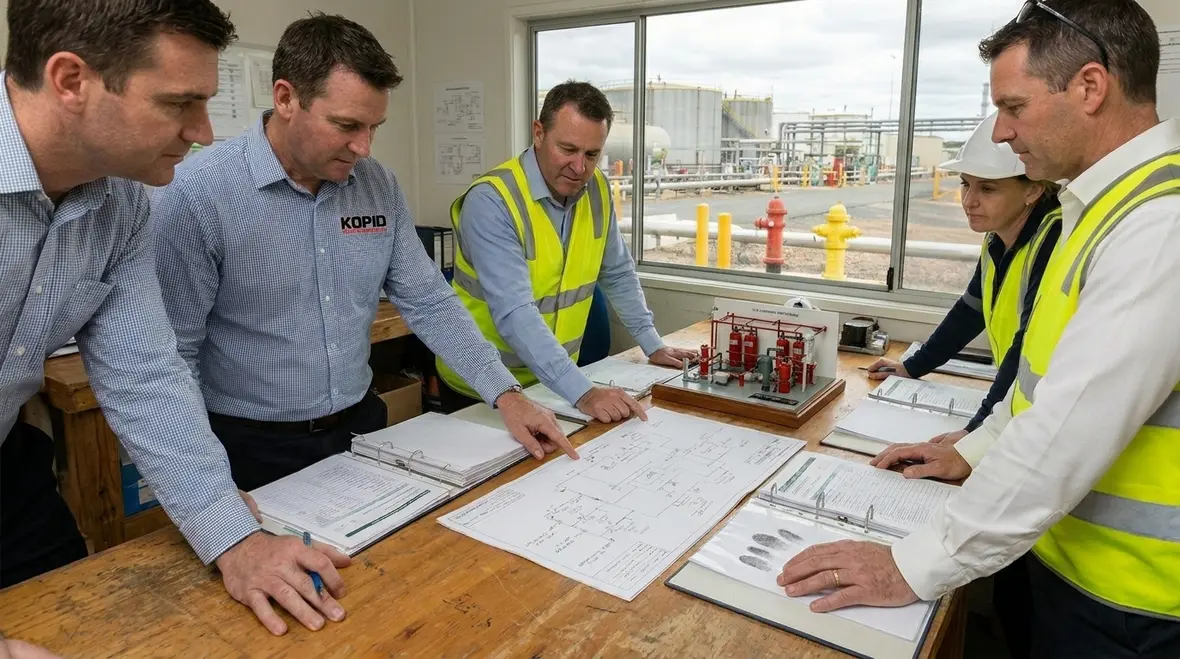
When a facility chooses to upgrade or change its foam suppression approach, the project often crosses multiple teams: operations, HSE, engineering, procurement, and sometimes emergency response coordinators. Therefore, coordination becomes the difference between a smooth transition and a long, expensive lesson.
Kord Fire Protection acts as a vital partner because it treats the job like an integrated system. It supports hazard assessment, foam system selection, and practical installation planning. Then it verifies the system through commissioning steps that confirm flow, proportioning, and discharge performance. Additionally, it helps facilities keep service records tidy and audit ready.
And if you think this is overkill, remember this: fire systems rarely fail because someone forgot to buy foam. They fail because small mismatches stack up. A nozzle variation. An outdated proportioner setting. An untrained operator. Kord helps reduce those risks before they show up during an emergency. Good projects usually look calm from the outside precisely because somebody did the unglamorous coordination work properly on the inside.
Implementation roadmap for industrial and commercial sites
Facilities across Australia typically move through a predictable sequence. Yet each step must match the site’s actual hazard and current infrastructure. The roadmap matters because it keeps the project practical. Nobody wants the foam equivalent of flat pack furniture with three critical pieces missing and one mystery bolt left over at the end.
1. Confirm the hazard and discharge objectives
Teams evaluate flammable liquid classes, likely scenarios, and protected areas. Then they decide what success looks like, such as suppression speed and control of reignition.
2. Review the existing system components
They inspect tanks, proportioners, piping, nozzles, and drainage connections. Next, they confirm compatibility with non PFAS foam concentrate and application hardware.
3. Plan conversion without downtime drama
Operators often schedule works during planned shutdowns. However, when shutdown windows are short, Kord can help plan temporary controls and safe operational staging.
4. Commission and test to the standard
After installation, acceptance testing verifies concentration delivery and discharge performance. Then teams record results so the facility can show due diligence later.
5. Train and update response procedures
Even the best Fluorine-Free Foam (F3) systems fail in the real world if staff cannot apply them correctly. Therefore, training and procedure updates matter as much as the hardware.
FAQ about AFFF versus non PFAS foam systems
Final word: move with confidence, not guesswork
Cancerous AFFF concerns and non PFAS foam adoption are reshaping fire suppression decisions across Australia’s industrial and commercial sectors. However, success depends on more than buying new foam. It requires hazard review, compatible hardware, proper commissioning, and clear documentation.
Kord Fire Protection can guide the conversion from first assessment to tested operation, so your team stays ready. If the goal is compliant risk reduction, reach out to Kord Fire Protection and take the next step today. Teams that move with a plan usually spend less time untangling problems later, which is a very nice way of saying fewer headaches for everyone involved.

Join Our Newsletter!
Get the latest fire safety tips delivered straight to your inbox From our Newsletter.