CAFAA 2026 and NFPA 72 Fire Alarm Compliance
In the world of fire alarm compliance, CAFAA 2026 signals a new level of clarity for how facilities should plan, install, test, and manage life safety systems. However, the real win comes when teams understand how that approach aligns with NFPA 72, the widely used standard for fire alarm systems. Kord Fire Protection technicians often break this down in plain language, because even good people can get lost when they see acronyms stacked like a pop quiz they never studied for.
In this article, third person explains how CAFAA 2026 and NFPA 72 work together, what changes in day to day work, and how trained technicians keep systems reliable, auditable, and ready when seconds matter.
What CAFAA 2026 Means for Fire Alarm Work
CAFAA 2026 focuses on making fire alarm responsibilities easier to follow, especially for planning and ongoing management. First, it pushes a process mindset. Instead of treating a fire alarm install like a one and done job, it encourages owners and service teams to treat the system like a living part of the building. Then it ties into documentation, inspection rhythms, and clear accountability.
Because fire protection is not magic, Kord Fire Protection technicians typically translate the idea into practical steps. For example, they map out what gets checked, how records should look, and how to keep changes from turning into “mystery modifications.” In other words, they reduce surprises. And yes, that saves time, which is the most expensive currency in any facility.
Process beats panic
That process mindset matters because compliance tends to break down when the system changes quietly over time. A remodel shifts devices. A tenant buildout adds walls. A panel gets programmed during an upgrade, but the notes never make it into the file. Suddenly everyone thinks the system is fine because nobody remembers exactly when it stopped matching the plan. CAFAA 2026 helps push teams toward repeatable habits that keep those gaps from turning into expensive surprises later.
How NFPA 72 Guides the Technical Standards
NFPA 72 sets detailed rules for fire alarm systems. It covers design, installation, testing, inspection, and maintenance. Most importantly, it explains how to keep detection and notification working the way the system intended. As a result, NFPA 72 becomes the technical spine that many departments and facility teams rely on. Kord Fire Protection also provides a useful internal resource on this topic in its NFPA 72 overview, which helps connect the code language to field reality.
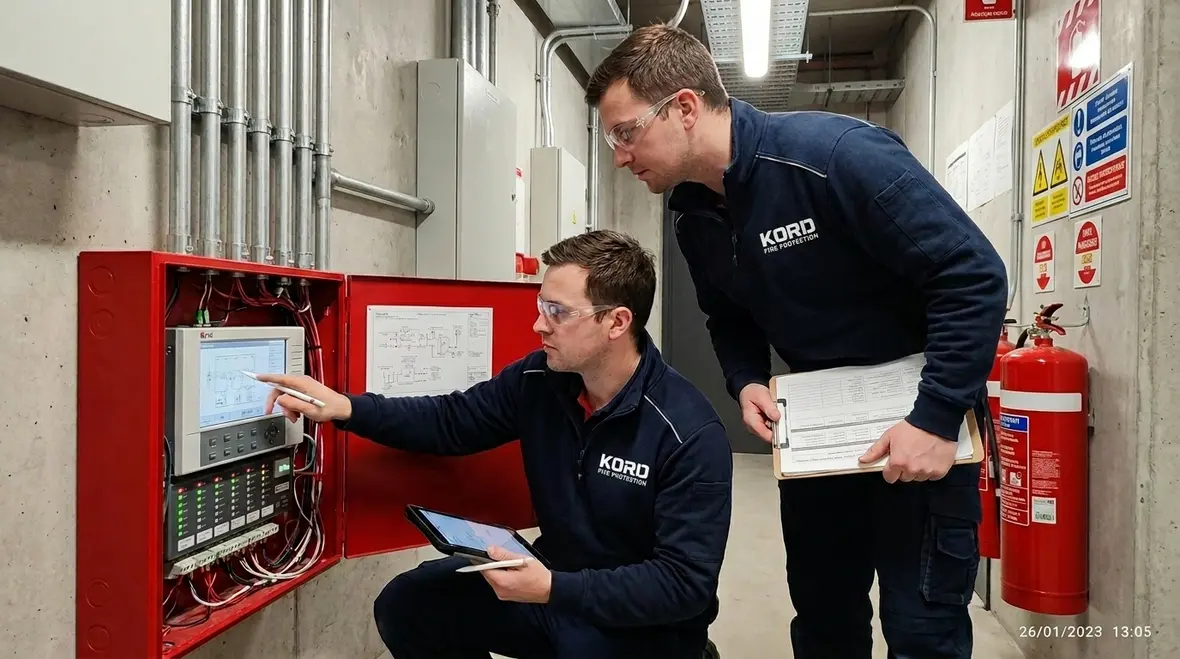
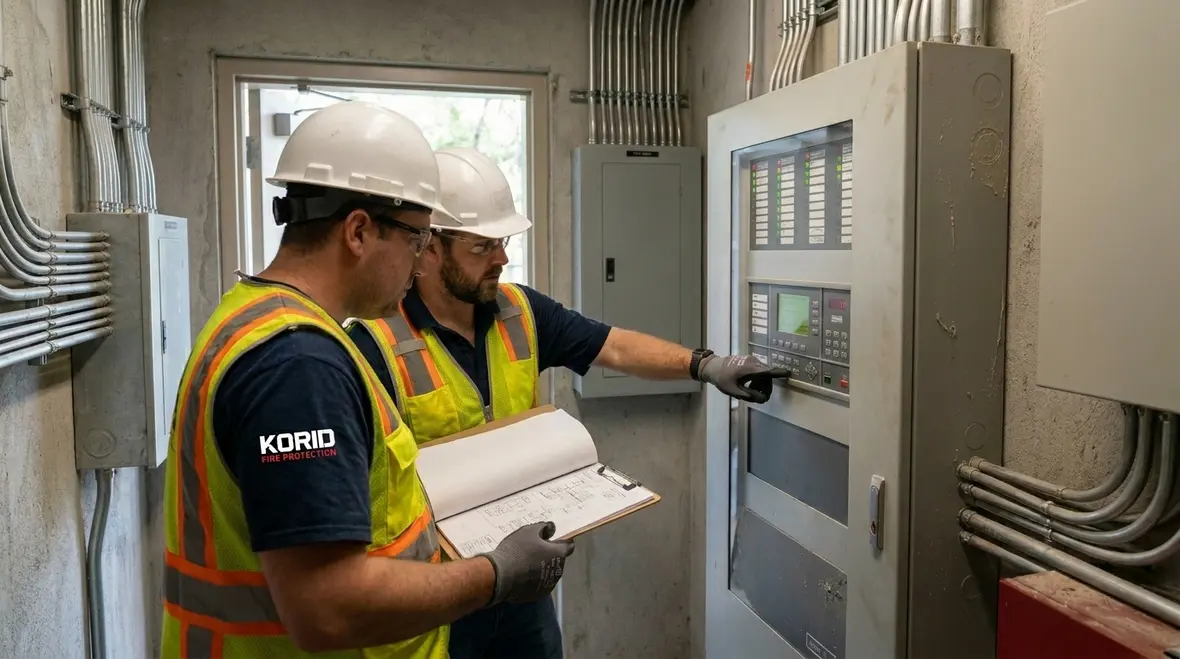
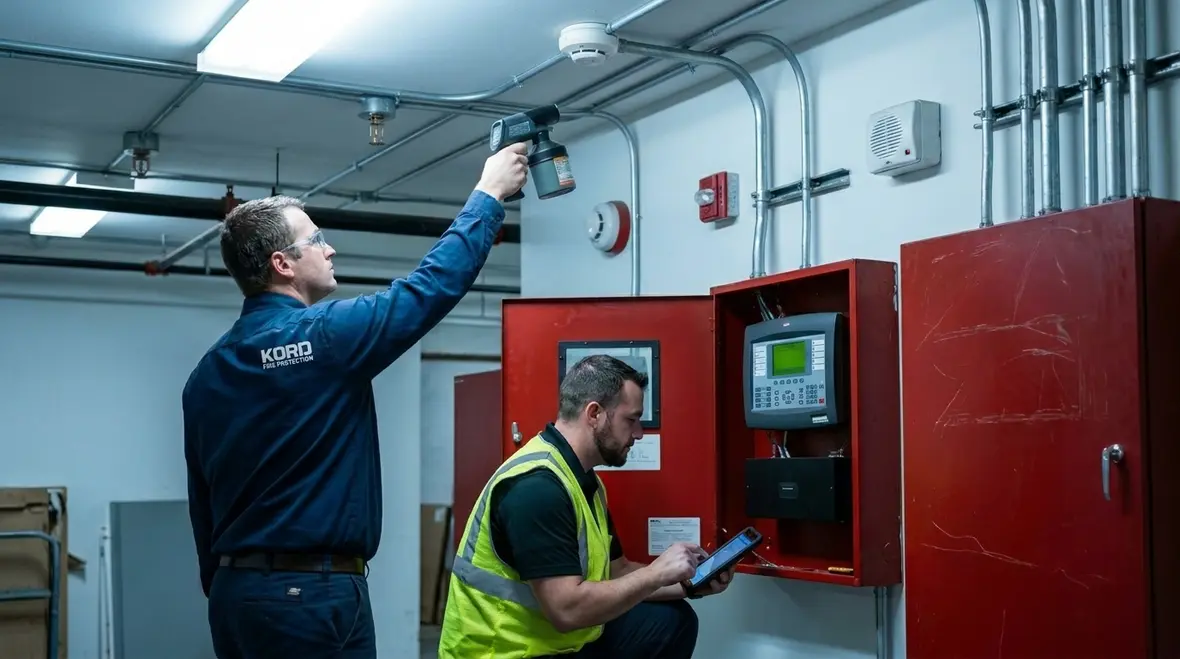
When Kord Fire Protection technicians walk a site, they do not just look for red lights and hope. They check device placement logic, wiring standards, supervision concepts, and the behavior of panels under trouble and alarm conditions. Then they verify that testing proves the system performs as required, not just as installed.
Why the technical side matters so much
A facility can be excellent at keeping binders neat and still miss a functional issue if the technical side is weak. That is why NFPA 72 matters. It tells teams how systems should behave, not just how paperwork should look. If initiating devices, notification appliances, supervision, and panel logic do not line up with real code-based expectations, then the cleanest file cabinet in the building will not save the day.
Where CAFAA 2026 and NFPA 72 Overlap
These two frameworks work together because CAFAA 2026 emphasizes process and accountability, while NFPA 72 provides the technical “how.” Therefore, teams avoid the common trap of meeting paperwork rules while missing functional rules. Instead, they align what gets documented with what gets built, tested, and maintained.
To put it simply, CAFAA 2026 helps facilities run the program. NFPA 72 helps facilities keep the system correct. Then the loop closes through consistent testing and clear records, so the facility can show what was done and that it worked. Kord Fire Protection technicians often refer to this as the “proof trail.” And if someone ever says, “We think it should be fine,” the technicians politely ask which test results they are referring to.
Documentation should match the real building
That overlap is where smart facilities gain the most ground. The process side makes sure work is assigned, tracked, and recorded. The technical side confirms the actual fire alarm system behaves the way it should. When those two move together, the building does not end up with pretty records describing a system that no longer exists.
How Compliance Plays Out During Design and Installation
During design and installation, NFPA 72 drives the technical baseline. It tells teams what to consider for detection, notification, and system behavior. Meanwhile, CAFAA 2026 pushes the planning side so that responsibilities and deliverables stay clear from the start.
First, technicians help confirm the system scope matches the building’s life safety goals. Next, they review device selection and placement so the system detects trouble early, rather than late. Then they check wiring and supervision so faults get reported quickly and clearly.
In the field, Kord Fire Protection technicians also help teams avoid common “it passed once” thinking. They check that documentation supports the installed reality. Also, they verify that labeling, circuit identification, and programming details support later inspections. When installation choices remain traceable, future testing becomes faster and less stressful.
Good installs are easier to maintain
This is also where experienced field teams save owners from headaches that show up later. A device location that looked fine during rough planning can become a problem after ceilings, storage changes, or occupancy needs come into sharper focus. A clean install is not just about getting through turnover. It is about making future inspections, service, and troubleshooting feel orderly instead of chaotic.
Testing and Inspection: The Heart of Keeping It Reliable
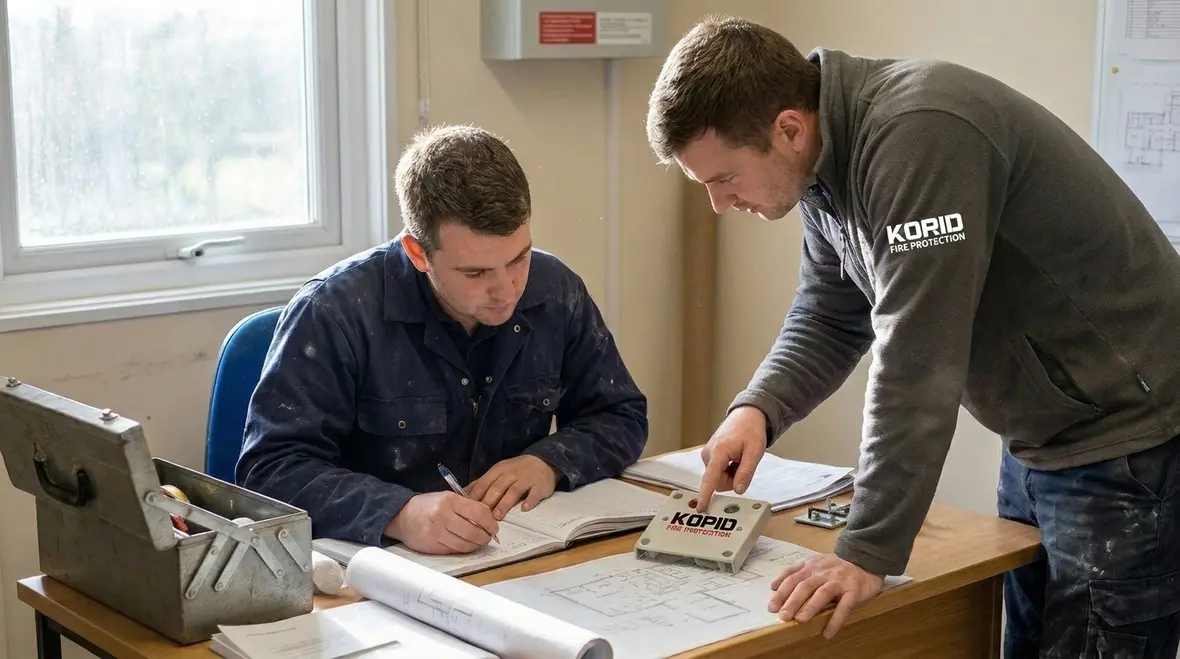
Testing and inspection is where standards stop being theory. NFPA 72 sets expectations for inspection frequencies, testing methods, and maintenance procedures. CAFAA 2026 supports the program structure that makes those actions consistent across seasons and staffing changes.
Consequently, a strong program does not only test devices. It also validates that the control unit responds correctly, that annunciation works, and that records match what the building actually contains. After all, a system can look polished and still behave wrong under real fault conditions.
Kord Fire Protection technicians usually explain it like this. If testing does not confirm performance, then it is not really testing. Then they help facilities build a routine that keeps the system dependable. They also coach teams on what to watch between inspections, such as new construction impacts, tenant changes, or equipment swaps that can subtly affect zones and circuits.
Routine testing creates fewer unpleasant surprises
Reliable testing rhythms matter because fire alarm systems rarely fail in a dramatic movie scene first. They usually drift into trouble through small issues: a device goes out of place, a circuit note gets missed, a programming update is not logged, or a repair solves the symptom instead of the cause. The more disciplined the inspection and testing routine, the less likely those small issues pile up into one large and very annoying problem.
Maintenance, Records, and “Show Me the Proof” Moments
Maintenance under NFPA 72 aims to keep performance within the standard. Meanwhile, CAFAA 2026 strengthens the requirement to keep records organized and accessible. Therefore, compliance becomes easier to manage during audits or plan reviews.
Strong documentation typically includes what got tested, what results came back, and what repairs or adjustments happened. When records stay clean, the facility can demonstrate a consistent care plan rather than a last minute scramble. In addition, clear records help technicians troubleshoot faster when trouble signals appear.
Kord Fire Protection technicians often describe it as operational calm. Instead of guessing, teams can follow a history. And yes, that history sometimes reveals the real culprit, like a repeated trouble point that keeps getting patched without fixing the root cause.
Records are not busywork
For facility teams, that means documentation should be treated like an operating tool, not a pile of paper created to survive one inspection. Good records answer practical questions quickly. What changed. What was tested. What failed. What was repaired. What still needs follow-up. Those answers make decisions faster, service visits sharper, and compliance conversations much less painful.
What Facilities Should Do Next With CAFAA 2026 and NFPA 72
Facilities that want smoother compliance should start by aligning their service schedule with the NFPA 72 testing and inspection expectations. Then they should verify that their documentation supports the CAFAA 2026 approach, including clear responsibility, consistent record keeping, and a routine that does not depend on one overworked person holding everything in their head.
Next, teams should plan for changes. Building alterations, new tenant layouts, upgraded equipment, or modified storage areas can shift detection performance and operational expectations. By coordinating updates early, facilities reduce the chance that the system gets outdated without anyone noticing.
Finally, they should involve trained technicians like those from Kord Fire Protection, because experience helps teams interpret requirements and translate them into correct work. That is not just compliance. It is risk reduction.
A practical next step for owners and managers
A practical next step is to review whether the facility already has the service support needed to keep inspections, testing, and corrections moving on time. Kord Fire Protection’s fire alarm services page is a helpful place to start for owners who want installation, monitoring, maintenance, inspections, and repairs under one roof. Facilities looking for broader support across life safety systems can also review full fire protection services to map out a more complete compliance strategy.
FAQ
Conclusion
When facilities connect CAFAA 2026 planning with the technical depth of NFPA 72, compliance stops feeling like a guessing game and starts feeling like a system that actually works. Kord Fire Protection technicians help teams build a reliable testing routine, keep records accurate, and reduce surprises during inspections. If a facility wants a clear next step, it should reach out for an assessment and a practical roadmap for aligning standards, documentation, and real world system performance.
Contact Kord Fire Protection today to set a plan that keeps life safety systems dependable and audit ready. For facilities ready to move from theory into action, the team can help evaluate existing systems, clarify documentation gaps, and create a service path that supports ongoing compliance without the usual scramble.

Join Our Newsletter!
Get the latest fire safety tips delivered straight to your inbox From our Newsletter.