Why Fire Extinguishers Need Recharging and Pressure Checks
Why Fire Extinguishers Require Scheduled Recharging and Pressure Checks
Fire Extinguishers Require attention long before flames ever rise. They sit quietly on walls, in cabinets, and near exit doors, looking brave and red and ready for action. Yet beneath that calm exterior lies a simple truth. These devices depend on pressure, chemical balance, and mechanical precision. Without scheduled recharging and routine pressure checks, they can fail at the very moment they are needed most. As Kord Fire Protection technicians often explain to building owners and facility managers, a fire extinguisher is not a decoration. It is a life safety tool. And like any tool that stands between chaos and control, it demands care.
So while it may not sing or flash like a superhero gadget, it deserves more respect than it usually gets. After all, Batman had regular upgrades. Your extinguisher deserves at least a checkup.
The Science Behind Pressure and Performance
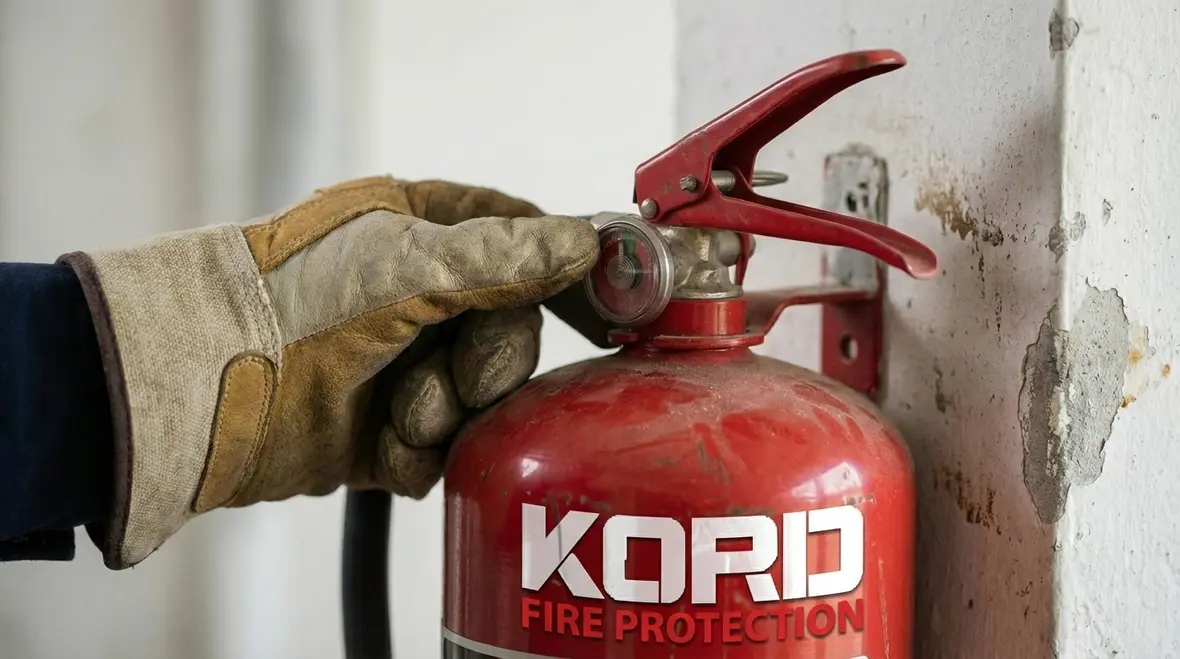
At its core, a fire extinguisher works because of stored pressure. That pressure forces the extinguishing agent out with enough speed and strength to smother flames. However, pressure does not maintain itself. Over time, small leaks can occur. Temperature changes can affect internal balance. Seals can wear down. Consequently, even a slight pressure drop can mean the difference between a strong, effective discharge and a disappointing puff that would not put out a birthday candle.
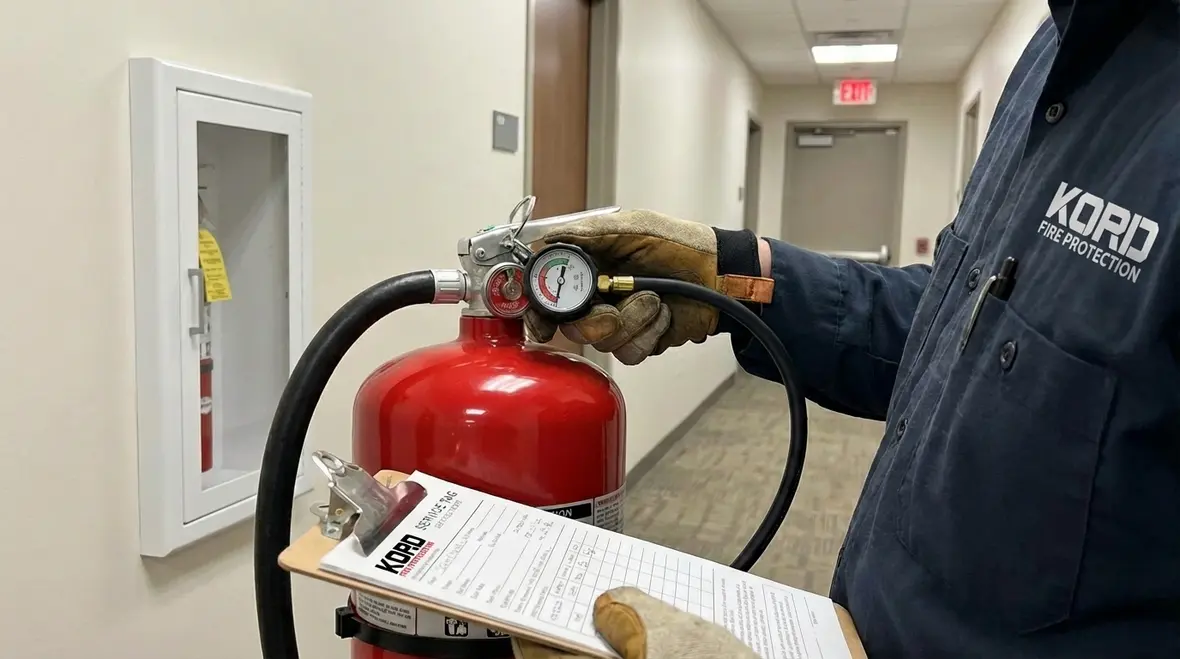
Kord Fire Protection technicians often demonstrate this during inspections. They show clients the pressure gauge and explain how the needle must remain in the optimal range. If it dips too low, the extinguisher may not discharge fully. If it climbs too high, internal components can become stressed. Therefore, scheduled pressure checks are not optional. They protect both performance and safety. For owners wondering whether a “green” gauge is enough, Kord Fire walks through the limits of that little needle in their guide on whether fire extinguishers can expire even when the gauge is green.
Moreover, dry chemical agents inside many extinguishers can settle or compact over time. Without proper maintenance, the powder may harden. As a result, even if pressure remains adequate, the agent may not flow correctly. That is why professionals do more than glance at a gauge. They inspect, weigh, and sometimes internally examine the unit to ensure it will respond instantly when called into action. Kord Fire’s article on fire extinguisher lifespan by type and maintenance tips dives deeper into how age and environment affect performance.
Pressure, agents, and the “hidden” wear and tear
From the outside, a cylinder can look flawless. Inside, corrosion, clumped powder, or weakened seals may already be undermining reliability. Pressure checks and internal maintenance turn that unknown into a clear yes or no: will this extinguisher actually behave when the pin is pulled?
Why Fire Extinguishers Require Scheduled Recharging
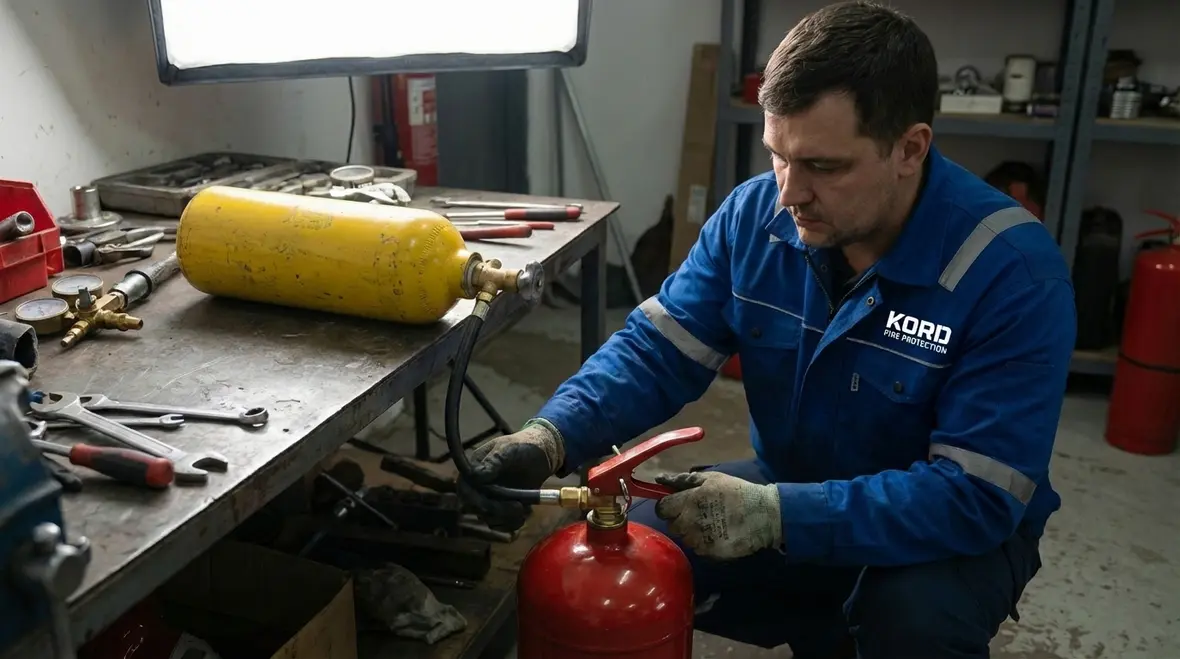
Recharging involves replacing the extinguishing agent and restoring the correct internal pressure after use or at required intervals. Even if an extinguisher has not been used, industry standards often require periodic recharging based on manufacturer guidelines and regulatory codes.
Why? Because time affects reliability.
First, seals and valves age. Rubber components can dry out. Springs can weaken. Although the extinguisher may look perfectly fine from the outside, its internal systems may tell a different story. Recharging allows technicians to disassemble key components, inspect them, and replace worn parts before they fail.
Second, partial discharges happen more often than people admit. Someone might test the unit. Someone else might use it for a small incident and forget to report it. Even a brief squeeze reduces internal pressure. Therefore, scheduled service ensures the extinguisher returns to full readiness. When the tag dates start to drift too far into the past, Kord’s recharge or replace an expired fire extinguisher guide helps owners decide the smartest next step.
Kord Fire Protection technicians often explain it this way. Owning an extinguisher without recharging it when required is like owning a car and never changing the oil. It may start today. Tomorrow is a gamble.
Recharging vs replacing: why the distinction matters
Some extinguishers are excellent candidates for recharging. Others have aged out or suffered damage and should be replaced instead. Kord Fire’s replacement guide and service lifespan overview walks through when recharging makes sense and when retirement is the safer choice.
What Happens During a Professional Pressure Check
Many property owners ask what technicians actually do during a pressure inspection. The answer goes far beyond a quick glance.
Typically, the process includes:
- Gauge verification to confirm pressure falls within the manufacturer recommended range
- Physical inspection of the cylinder for dents, rust, or corrosion
- Hose and nozzle examination to ensure no cracks or blockages exist
- Seal and pin check to confirm tamper indicators remain intact
- Weight comparison against the labeled full weight
In addition, technicians assess environmental conditions. For example, extinguishers stored in humid or corrosive areas face higher risks of internal damage. Consequently, maintenance schedules may adjust to meet real world conditions rather than relying on guesswork.
This methodical approach ensures compliance with safety codes while delivering real peace of mind. It also prevents small issues from turning into costly replacements.
Turning a “quick look” into documented protection
When technicians build a maintenance history, each pressure check becomes part of a bigger safety story. Logs, tags, and digital records show a pattern of care that AHJs and insurers recognize instantly.
Common Misconceptions About Extinguisher Maintenance
Several myths persist about fire extinguisher care. Unfortunately, these myths can lead to neglect.
One common belief is that if the gauge reads in the green zone, everything is fine. While the gauge offers valuable insight, it does not reveal internal corrosion or chemical compaction. Therefore, relying solely on the needle can create false confidence.
Another myth suggests that unused extinguishers do not need service. However, Fire Extinguishers Require maintenance regardless of use because internal components age naturally. Time itself becomes the silent variable.
Some also assume maintenance is expensive and unnecessary. In reality, regular inspections and recharging cost far less than liability claims, property damage, or business downtime caused by a failed extinguisher. As Kord Fire Protection technicians often note with a knowing smile, prevention rarely makes headlines. Failure always does.
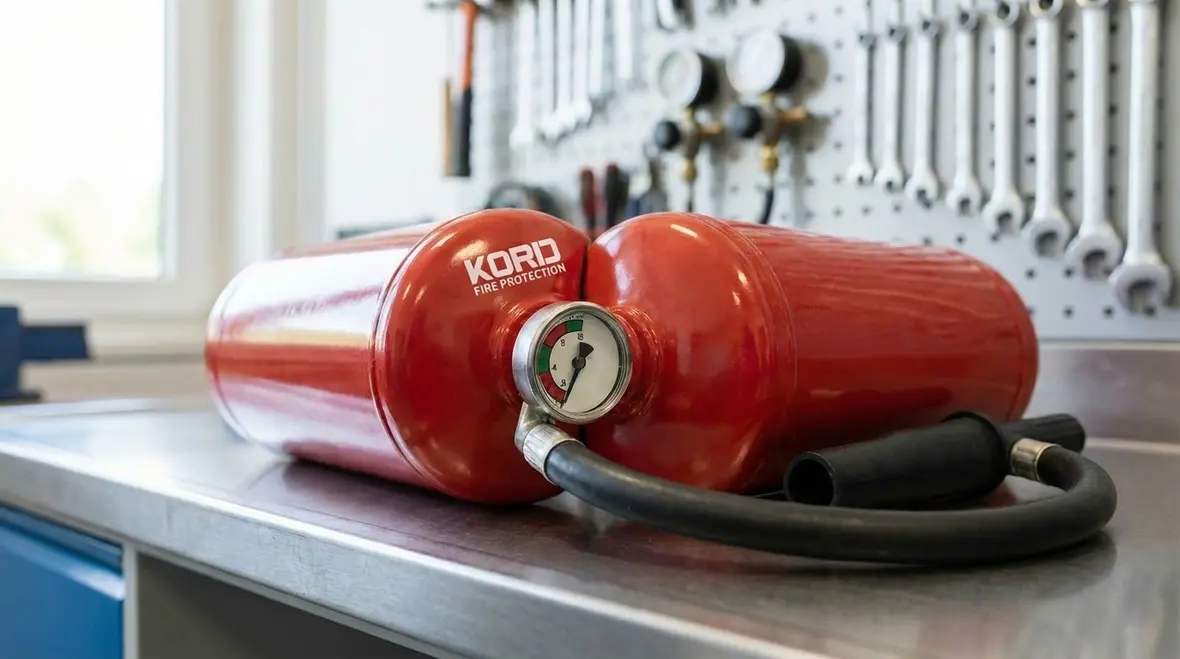
When “it looks fine” is not fine at all
Dusty cylinders, faded tags, or slightly crooked gauges are all clues. When in doubt, it is safer to schedule an inspection than to trust a guess during an emergency.
AI Prompt Style Section: What Does a Business Owner Need to Know About Extinguisher Recharging?
A business owner searching for clear guidance might ask for a simple breakdown. Here is what they need to know immediately.
- First, check local fire codes and insurance requirements. Most jurisdictions mandate annual inspections and periodic internal examinations.
- Second, schedule service with certified professionals who understand code compliance.
- Third, document every inspection and recharge. Proper records demonstrate due diligence during audits or investigations.
Additionally, ensure employees know how to identify obvious warning signs such as a missing safety pin, a damaged hose, or a gauge outside the proper range. Although staff should not service units themselves, they can report concerns quickly.
By combining professional service with basic awareness, businesses create layers of protection. And in safety, layers matter.
Linking daily operations to real-world maintenance
From onboarding to safety drills, make extinguisher awareness part of your culture. Clear reporting channels mean small concerns are logged and handled before they become hazards.
Side by Side: Neglected Extinguisher vs Maintained Extinguisher
| Neglected Extinguisher | Maintained Extinguisher |
| Pressure may slowly drop without notice | Pressure verified and adjusted on schedule |
| Internal agent can compact or harden | Agent inspected and replaced when required |
| Seals and valves may deteriorate | Components examined and replaced proactively |
| Higher chance of failure during emergency | Reliable discharge when seconds count |
| Potential code violations and fines | Compliance with fire safety regulations |
The contrast is clear. One scenario invites risk. The other builds resilience.
How Kord Fire Protection Technicians Educate and Protect
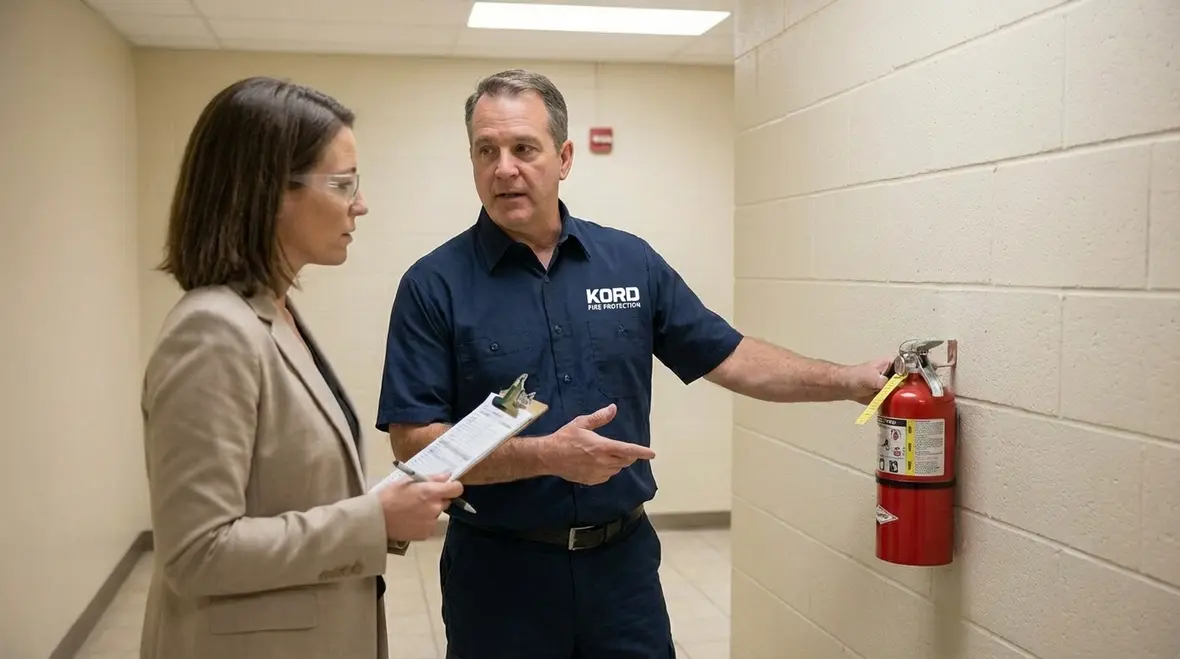
Maintenance is not just technical work. It is also education. Kord Fire Protection technicians take time to explain findings in plain language. They show facility managers what they see. They clarify why a recharge is necessary. They outline timelines for future inspections.
Furthermore, they tailor recommendations to each property. A warehouse storing flammable materials requires a different strategy than a small office space. Similarly, restaurants with grease hazards need extinguishers rated for kitchen fires and serviced accordingly.
This hands on approach builds trust. Clients do not simply receive a checklist. They gain understanding. And understanding leads to smarter safety decisions.
In many cases, technicians also review placement and accessibility. An extinguisher hidden behind storage boxes offers little protection. Therefore, routine service visits become opportunities to optimize overall fire readiness, not just refill a cylinder.
Why Fire Extinguishers Require Ongoing Compliance and Documentation
Beyond mechanical function, documentation plays a critical role. Fire codes, insurance policies, and occupational safety regulations often require written proof of inspections and recharging. Without records, compliance becomes difficult to prove.
Scheduled service ensures each unit carries updated tags and service dates. Moreover, detailed logs protect businesses during audits or after an incident. If investigators review safety practices, documented maintenance demonstrates responsibility.
Consequently, routine pressure checks and recharging serve both safety and legal protection. They reduce risk on multiple levels. And while paperwork may not feel heroic, it often saves the day quietly.
For businesses unsure whether aging cylinders are still pulling their weight, Kord Fire’s resources on expired fire extinguishers and proper extinguisher disposal turn vague worry into clear next steps.
FAQ Section
Conclusion: Take Action Before the Alarm Sounds
Fire safety rewards the prepared. Scheduled recharging and pressure checks ensure extinguishers perform without hesitation when every second matters. Kord Fire Protection technicians stand ready to inspect, recharge, and guide businesses toward full compliance and dependable protection. Do not wait for smoke to test your readiness. Turning quiet wall mounted equipment into reliable guardians starts with a simple decision to put maintenance on the calendar instead of on the back burner.
If your tags are faded, your gauges are questionable, or your extinguishers are simply old enough to make you wonder, it is time to act. Explore Kord Fire’s detailed guide on whether to recharge or replace an expired fire extinguisher, then schedule a visit. Their dedicated fire extinguisher replacement and lifespan services make it easy to bring your building up to standard and keep it there, long before any alarm ever sounds.
Know Your Weapon Before You Fight the Flame
Kord Fire Protection is your go-to when it comes to all things fire protection. For over 20 years, we’ve been serving Southern California with the quality service and equipment to keep your home or business safe at all times. Our competitive prices reflect our unwavering commitment to protecting what matters most in the event of a fire emergency. Give us a call, send an email, or use that form!

Join Our Newsletter!
Get the latest fire safety tips delivered straight to your inbox From our Newsletter.