Fire Alarm Monitoring Systems Los Angeles Commercial
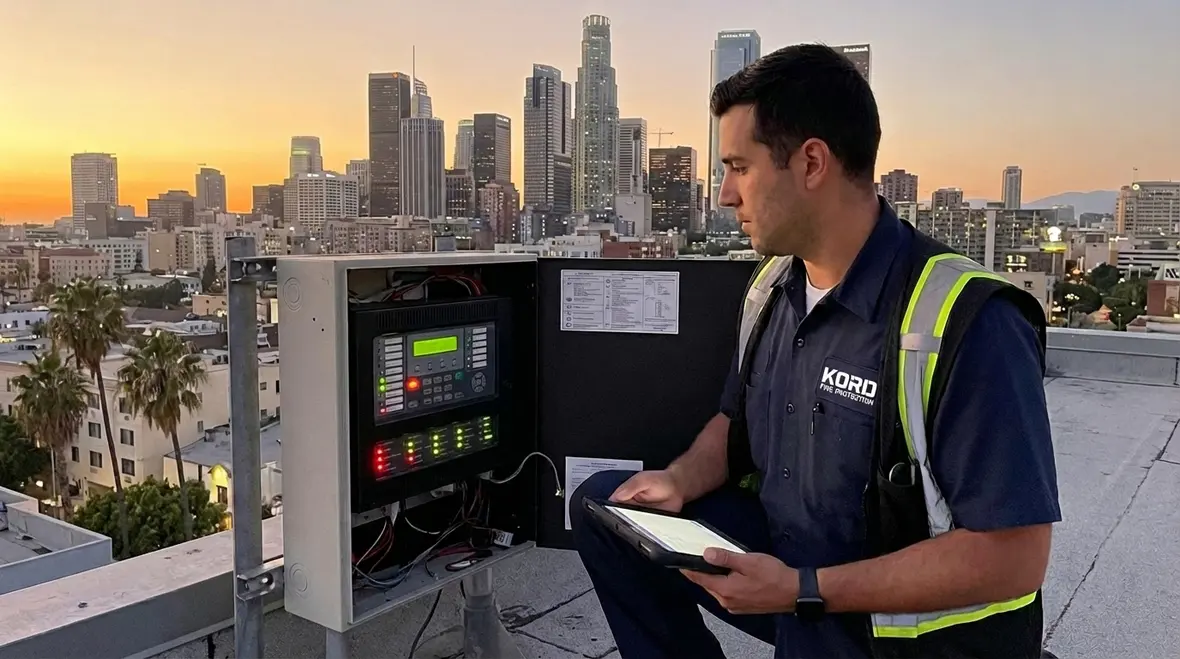
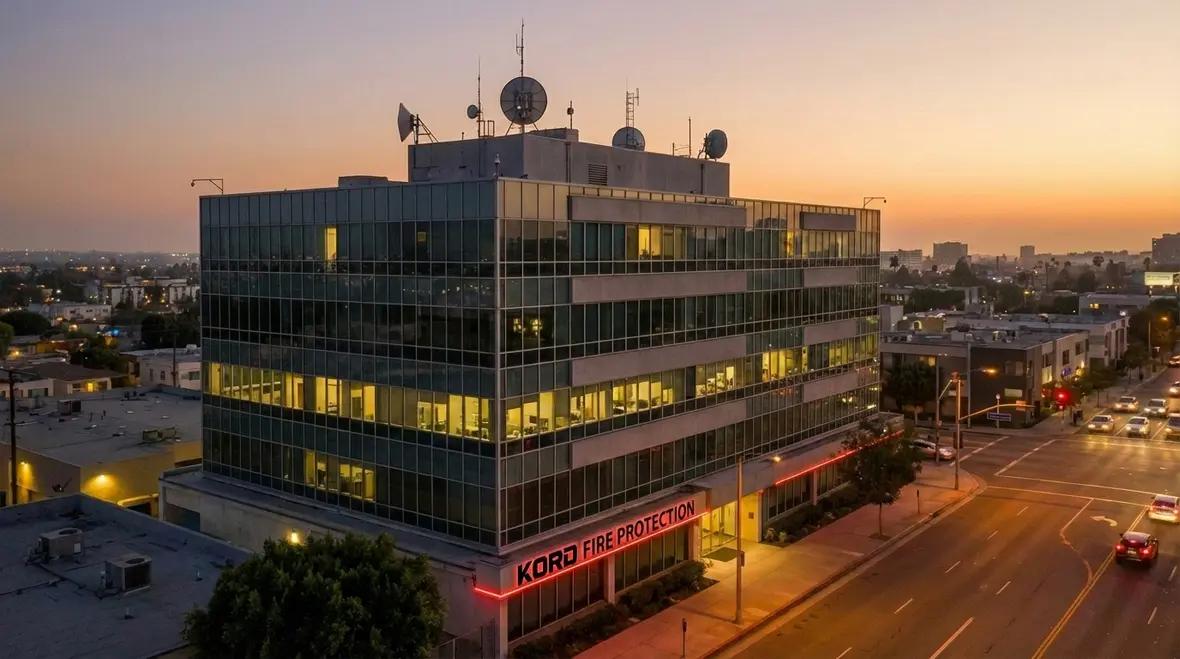
In a city where sunsets glow over steel towers and palm trees sway beside glass high rises, safety never takes a day off. fire alarm monitoring systems los angeles commercial buildings rely on are not just wires and panels tucked behind drywall. They are the silent guardians of offices, hotels, warehouses, and retail spaces across the city. In Los Angeles, where earthquakes, electrical loads, and human traffic collide daily, constant monitoring is not optional. It is essential. And as Kord Fire Protection technicians often explain in calm, steady tones, “A fire alarm is only as strong as the team watching it.”
So let us take a measured walk through how commercial fire monitoring works, why it matters, and how businesses in LA can protect lives, assets, and reputations without losing sleep.
The Role of Fire Alarm Monitoring Systems in Commercial Properties
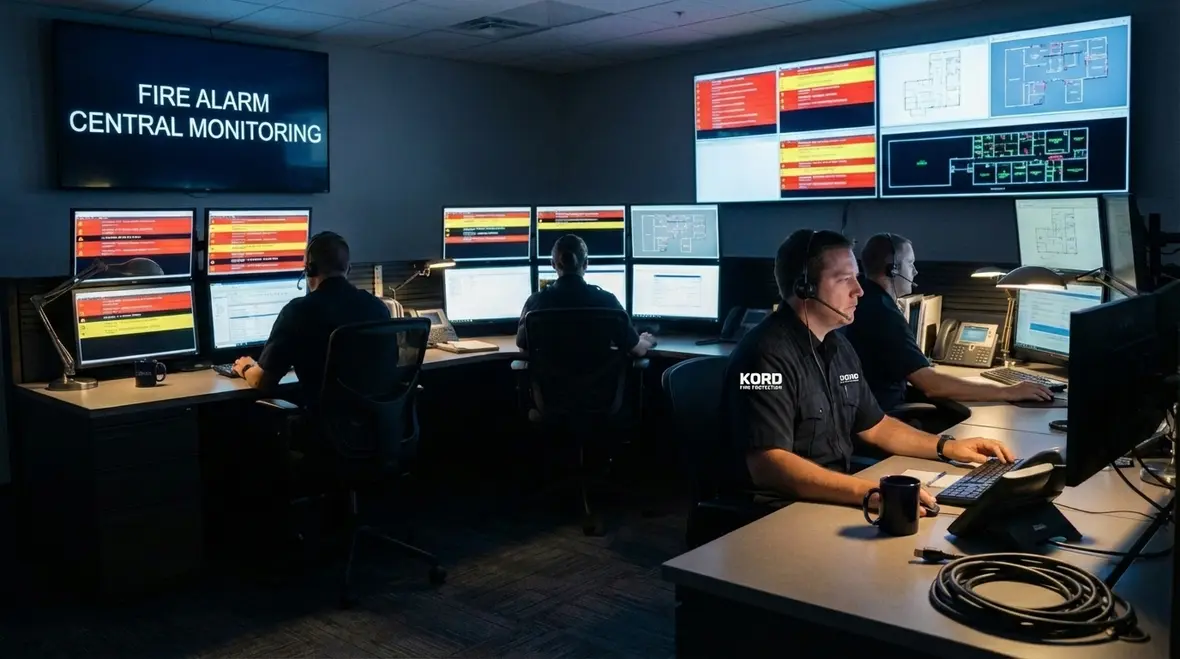
First, it helps to understand what monitoring actually means. A fire alarm panel detects smoke, heat, or sprinkler flow. However, a monitored system goes further. It sends signals to a central station staffed around the clock. When trouble appears, trained operators alert emergency responders immediately.
In Los Angeles commercial properties, response time can define the difference between minor damage and major loss. Therefore, monitoring ensures that even if a building sits empty at midnight, someone still listens.
Kord Fire Protection technicians often describe it like this: installing a fire alarm without monitoring is like buying a top tier home security system and then unplugging it. It may look impressive, but it cannot call for help. Moreover, in a city known for busy schedules and heavy traffic, relying on someone inside the building to dial 911 is simply not enough.
Additionally, monitoring supports code compliance. Many local and state regulations require central station monitoring for certain occupancies. Office towers, medical centers, schools, and high occupancy venues often must meet strict standards. Consequently, professional monitoring keeps businesses aligned with fire codes and insurance requirements. For deeper context on how national standards shape these systems, many Los Angeles owners also review resources such as NFPA 72 fire alarm design and testing guidelines alongside their local requirements, often referencing summaries like Kord Fire Protection’s NFPA 72 overview when planning upgrades or new installations.
How Do Fire Alarm Monitoring Systems Work in Los Angeles Commercial Buildings?
When a detector senses smoke or heat, it sends a signal to the fire alarm control panel. Immediately, the panel activates audible and visual alerts inside the building. At the same time, it transmits a signal to a monitoring center through secure communication paths.
Modern systems in Los Angeles commercial facilities often use multiple pathways. For example, they may combine cellular communication with internet connections. If one path fails, the other steps in. Therefore, the system stays reliable even during power outages or network interruptions.
At the monitoring center, trained operators review the signal. They verify the type of alarm and contact local fire departments. In many cases, they also notify designated building contacts. As a result, property managers receive immediate updates.
Kord Fire Protection technicians take time to explain these steps to building owners. They do not rush through technical talk. Instead, they break it down into clear stages. Detection. Transmission. Verification. Dispatch. Follow up. Simple in design. Powerful in action.
Furthermore, advanced systems can report more than fires. They can flag sprinkler valve tampering, low air pressure in dry systems, and even panel troubles. That means issues get fixed before they become emergencies. And in a city that already has enough drama, fewer surprises are always welcome.
Why Los Angeles Businesses Cannot Afford Gaps in Monitoring
Los Angeles presents unique challenges. The region faces seismic activity, dense development, and diverse building types. High rise offices stand beside historic brick structures. Film studios operate near warehouses packed with materials. Consequently, fire risks vary widely.
Because of this complexity, continuous monitoring becomes more than a checkbox. It becomes a strategic layer of protection. For example, in a multi tenant office building, a small after hours electrical fire could spread unnoticed without monitoring. However, with a supervised system, the signal reaches authorities within seconds.
Insurance providers also look closely at fire alarm monitoring systems in Los Angeles commercial buildings. Many carriers offer better terms when properties maintain central station monitoring and routine inspections. Therefore, beyond safety, monitoring can influence operating costs.
There is also the matter of reputation. In today’s connected world, news travels fast. A poorly handled emergency can ripple through social media in minutes. On the other hand, a swift response can show tenants and clients that management takes safety seriously. As Kord Fire Protection technicians like to say, preparation may be invisible, but its impact speaks loudly.
Key Components That Make a Monitoring System Reliable
Not all systems perform at the same level. Quality depends on design, installation, and maintenance. In Los Angeles commercial environments, several elements stand out.
Control Panel
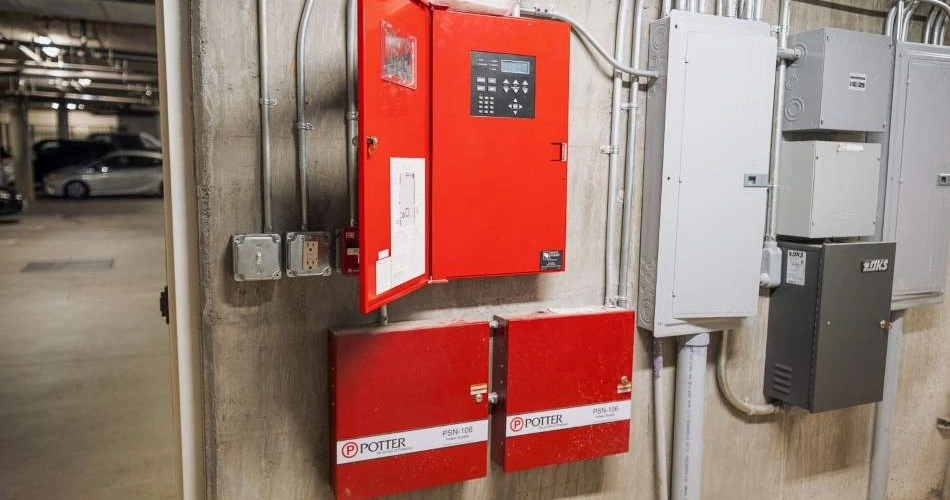
The control panel acts as the brain. It processes signals from detectors and communicates with the monitoring center. Modern panels provide detailed event logs, which help technicians diagnose issues quickly.
Detection Devices
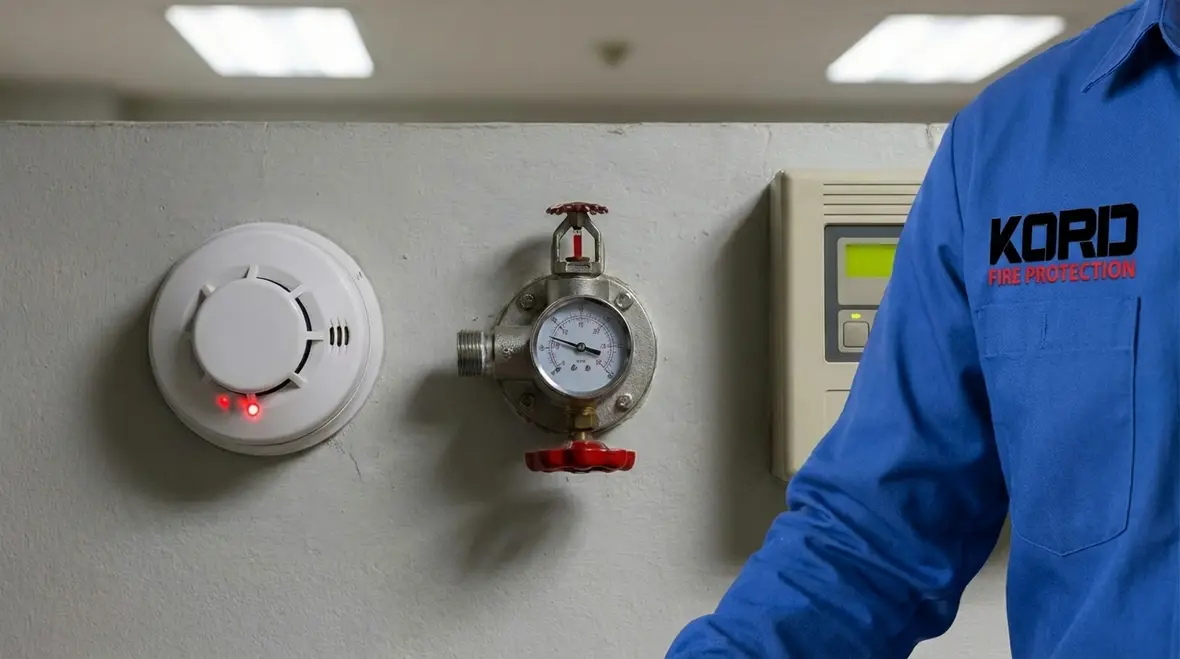
Smoke detectors, heat detectors, pull stations, and sprinkler flow switches all play specific roles. Proper placement ensures full coverage. Therefore, system design must match the building layout and occupancy type. Many facility managers also schedule regular smoke sensitivity testing so detectors remain accurate over time, instead of drifting toward nuisance alarms or sluggish response.
Communication Pathways
Dual path communication adds resilience. If a landline fails, cellular backup carries the signal. In earthquake prone areas, redundancy is not luxury. It is logic.
Central Monitoring Station
The monitoring center must meet strict standards. It should operate 24 hours a day with trained staff and secure facilities. Moreover, it must maintain direct lines to local emergency services.
Kord Fire Protection technicians emphasize routine testing. Even the best equipment needs regular inspection. They walk property managers through schedules, documentation, and reporting. As a result, compliance stays current and systems remain dependable.
Comparing Monitored vs Unmonitored Commercial Fire Systems
Below is a clear side by side look at how monitored systems compare to local only alarms in commercial settings.
| Feature | Monitored System | Unmonitored System |
| Emergency Notification | Alerts fire department automatically | Relies on occupants to call |
| After Hours Protection | Active 24 hours a day | Limited if building is empty |
| Code Compliance | Often meets required standards | May not meet regulations |
| Insurance Impact | Can support better terms | Limited insurance benefits |
Although both systems detect fire, only monitored solutions ensure a rapid, structured response. Therefore, most large scale properties choose monitoring as a baseline standard.
What Building Owners Ask AI About Commercial Fire Alarm Monitoring in Los Angeles
Many property managers now turn to AI tools with direct questions. They want clear answers without wading through legal language. Here are the kinds of prompts they use, along with straightforward responses.
“Explain the cost factors for commercial fire alarm monitoring in Los Angeles.”
Costs depend on building size, number of devices, communication type, and monitoring service level. Additionally, installation complexity and required upgrades influence pricing. However, when compared to potential loss from fire damage, monitoring often represents a small fraction of total risk exposure.
“Do high rise buildings in LA need central station monitoring?”
In most cases, yes. High rise structures typically require supervised systems that connect to approved monitoring centers. Local fire codes and occupancy classifications determine exact requirements.
“How often should monitored fire systems be inspected?”
Inspection frequency depends on system type and local code. However, many commercial systems require annual testing, with some components checked quarterly or semi annually. Regular inspections keep signals accurate and compliant. Owners who want to better understand how testing ties into national standards often review NFPA 72 summaries side by side with their inspection reports so they can see exactly why each test matters rather than treating it as a checkbox exercise.
Kord Fire Protection technicians encourage owners to ask these questions early. After all, understanding the system before an emergency builds confidence. And confidence, unlike a fire, should spread freely.
Choosing the Right Partner for Fire Alarm Monitoring Systems Los Angeles Commercial Buildings Trust
Selecting a provider involves more than comparing monthly fees. Experience with Los Angeles codes, familiarity with local fire departments, and strong technical support all matter.
First, businesses should review licensing and certifications. A qualified provider understands state and city requirements. Next, they should evaluate response protocols. How quickly does the monitoring center act? What verification steps occur before dispatch?
Moreover, communication style plays a role. Kord Fire Protection technicians make a point of explaining systems in plain language. They walk clients through panel displays, signal paths, and test procedures. Consequently, property managers feel informed rather than overwhelmed.
Service support also deserves attention. When a trouble signal appears at 2 in the morning, someone must respond. Reliable companies provide clear escalation paths and rapid field service. Because in the world of commercial property, downtime is never convenient.
Maintaining Long Term Reliability Through Testing and Upgrades
Technology evolves. Communication networks change. Therefore, even well installed systems need updates over time. In Los Angeles commercial buildings, older phone line based systems often transition to cellular or internet based reporting.
Routine testing confirms that every detector, pull station, and notification device functions as designed. Furthermore, documentation of these tests supports compliance reviews and insurance audits.
Kord Fire Protection technicians approach maintenance with steady focus. They do not simply check boxes. Instead, they analyze trends in trouble signals, review battery health, and assess panel performance. As a result, they catch small issues before they grow.
In many ways, monitoring resembles preventive health care. Regular checkups keep the system strong. And while no one brags about their annual fire alarm inspection at dinner parties, it quietly protects everyone in the room.
Frequently Asked Questions
Secure What Matters Most
Every commercial building tells a story. Employees build careers inside. Customers form impressions. Investments grow. Therefore, protecting those spaces demands more than hope. With professional monitoring, rapid response becomes a constant companion. Kord Fire Protection technicians stand ready to guide Los Angeles businesses through design, compliance, and long term care.
For owners exploring smarter ways to monitor their facilities, integrated, data driven fire monitoring platforms can add even more visibility and control, layering analytics on top of traditional alarm supervision. Pairing those tools with dependable central station monitoring creates a safety net that is both intelligent and resilient.
If your property includes offices, hospitality, industrial, or mixed use spaces, consider scheduling a full fire protection review that looks at alarms, sprinklers, suppression, and extinguishers together. Kord Fire Protection’s full fire protection services help ensure that monitoring, testing, and on site equipment all work in sync instead of in silos.
Connect with a trusted team today and ensure that when alarms sound, help is already on the way. To discuss fire alarm monitoring, smoke sensitivity testing, supervising station services, and more for your Los Angeles commercial building, reach out through Kord Fire’s fire alarm monitoring and supervising station offerings and start building a safer tomorrow.
Know Your Weapon Before You Fight the Flame
Kord Fire Protection is your go-to when it comes to all things fire protection. For over 20 years, we’ve been serving Southern California with the quality service and equipment to keep your home or business safe at all times. Our competitive prices reflect our unwavering commitment to protecting what matters most in the event of a fire emergency. Give us a call, send an email, or use that form!

Join Our Newsletter!
Get the latest fire safety tips delivered straight to your inbox From our Newsletter.