Fire Extinguisher Lifespan by Type and Maintenance Tips
Fire Extinguisher Lifespan by Type and Why It Matters
How long do fire extinguishers last is one of those questions people ask right after they notice a dusty red cylinder hanging on a wall and wonder if it is still loyal to the job. In the first few minutes of a fire, reliability matters more than brand names or paint color. According to Kord Fire Protection technicians, lifespan depends on type, use, and care, not wishful thinking. Therefore, understanding the service life of each extinguisher style helps homes and businesses stay calm, compliant, and protected. This article breaks it down slowly and clearly, with just enough humor to keep the smoke alarms quiet.
While the phrase sounds simple, the answer carries layers. Materials age. Pressure fades. Seals dry out. Consequently, an extinguisher that looks ready may have already retired in spirit. Think of it like an action movie hero. Even legends need checkups. As Kord technicians like to say with a smile, “Extinguishers do not die bravely. They just quietly stop working.”
Why Fire Extinguisher Lifespan Is Not One Size Fits All
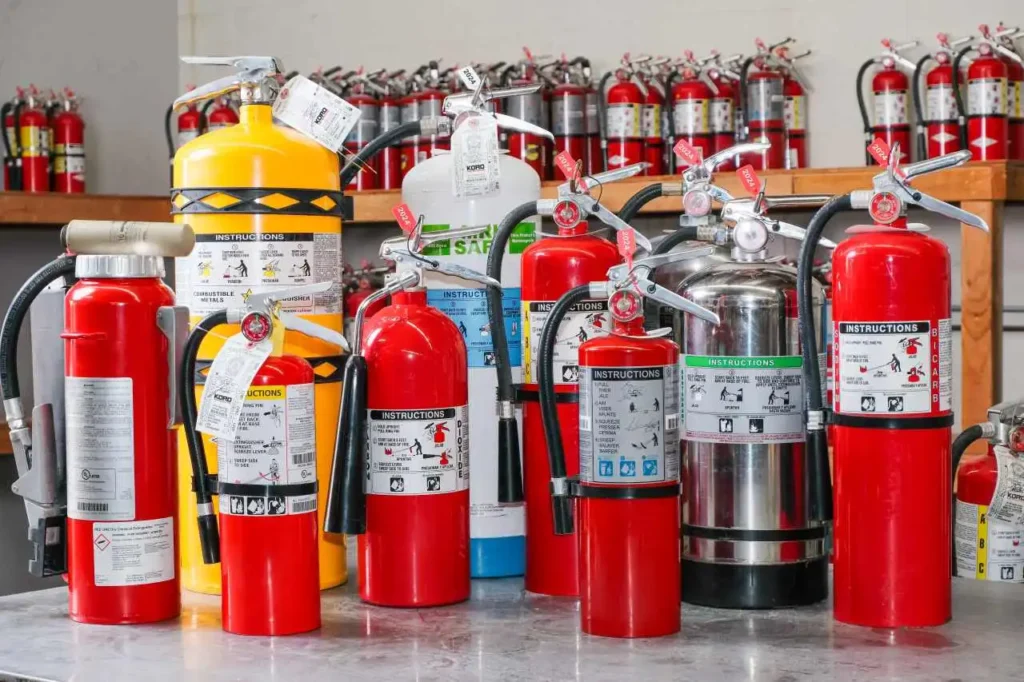
First, it helps to know that fire extinguishers are not all built the same. Each type fights a different class of fire, and each uses a different agent under pressure. Because of that, lifespan varies widely. Some last decades with care, while others need replacement sooner.
Secondly, environment plays a role. Heat, humidity, and vibration speed up wear. A unit in a clean office ages slower than one in a greasy kitchen or a loud warehouse. Kord Fire Protection technicians often explain it like aging wine. Store it right, and it matures well. Store it wrong, and it turns fast.
In addition, maintenance habits matter. Regular inspections, pressure checks, and hydrostatic testing extend service life. Without them, even a new extinguisher can fail early. Therefore, lifespan is not just about the calendar. It is about care and context working together.
How lifespan connects to expiration and service schedules
If you have ever wondered whether your extinguisher is technically “expired,” you are not alone. Kord Fire’s guide on My Fire Extinguisher Is Expired? explains that age, testing intervals, and physical condition all come together to determine when a unit should retire, even if it still looks fine from a distance.
ABC Fire Extinguishers and Their Typical Service Life
ABC dry chemical extinguishers are the most common sight in offices, schools, and homes. They handle ordinary combustibles, flammable liquids, and electrical fires. In short, they are the multitool of fire safety.
On average, an ABC extinguisher lasts between 10 and 15 years. However, that range assumes proper maintenance. The dry chemical inside can compact over time. Because of this, technicians recommend tapping or inverting the unit during inspections to keep the powder loose.
Kord Fire Protection technicians often stress that pressure gauges tell only part of the story. Even if the needle sits in the green, the powder could be clumped like old flour. Consequently, internal inspections matter. Hydrostatic testing usually occurs every 12 years. After that, many owners choose replacement instead of testing due to cost.
Interestingly, ABC units are like that reliable sitcom character who never ages on screen. They seem eternal until suddenly they are not. Therefore, tracking service dates keeps surprises out of emergency plans.
ABC extinguisher maintenance habits that extend life
Pairing your lifespan plan with a solid service routine makes all the difference. Kord Fire’s article on how often a fire extinguisher needs to be serviced walks through monthly checks, annual maintenance, and internal inspections that help ABC units reach their full potential instead of quietly fading out early.
CO₂ Fire Extinguishers and Their Long Term Durability
CO₂ extinguishers rely on compressed gas rather than stored pressure with chemicals. Because of this, they often outlast their dry chemical cousins. Many CO₂ units remain serviceable for 20 years or more.
However, longevity does not mean neglect. Seals and valves still age. Also, CO₂ units lose pressure slowly over time. Kord technicians weigh these extinguishers during inspections. If the weight drops below tolerance, performance drops too.
Another factor involves safety. CO₂ cylinders undergo hydrostatic testing every five years. This ensures the metal can still handle high pressure. Skipping this step is like skipping oil changes and hoping the engine forgives you. It usually does not.
In pop culture terms, CO₂ extinguishers are the strong silent type. They do their job without residue. Still, even stoic heroes need checkups.

Water Fire Extinguishers and Simple Design Longevity
Water extinguishers look simple, and in many ways they are. They handle Class A fires involving wood, paper, and fabric. Their straightforward design often allows a lifespan of 10 to 12 years.
That said, water units face corrosion risk. Internal rust shortens life, especially in humid areas. Therefore, regular internal inspections help catch damage early. Kord Fire Protection technicians frequently open water extinguishers during service to check lining condition.
Moreover, freezing temperatures pose a risk. If stored improperly, water expands and damages the cylinder. This is why antifreeze models exist. Choosing the right version protects lifespan and safety.
Water extinguishers may not be flashy. Still, when cared for, they stay dependable like a classic pickup truck that just keeps starting every morning.
Where water units fit in a full protection plan
In many facilities, water extinguishers are part of a bigger fire protection strategy that also includes sprinklers, alarms, and suppression systems. Kord Fire designs complete systems across California counties, including Riverside County fire protection, where choosing the right mix of extinguishers and systems helps buildings stay both code-compliant and genuinely protected.
Foam Fire Extinguishers and Chemical Stability Over Time
Foam extinguishers handle Class A and B fires. They create a blanket that cools and smothers flames. Typically, foam units last around 10 years.
However, the foam concentrate can degrade. Exposure to heat accelerates this process. Because of that, storage location matters. Kord technicians often advise keeping foam units away from ovens, boilers, and direct sunlight.
Inspections focus on pressure and agent condition. While the gauge may read fine, chemical breakdown still affects performance. Therefore, scheduled discharge tests or replacements ensure reliability.
Foam extinguishers work like a good supporting actor. They do not get the spotlight, yet the scene falls apart without them.
How Kord Fire Protection Technicians Assess Lifespan in the Field
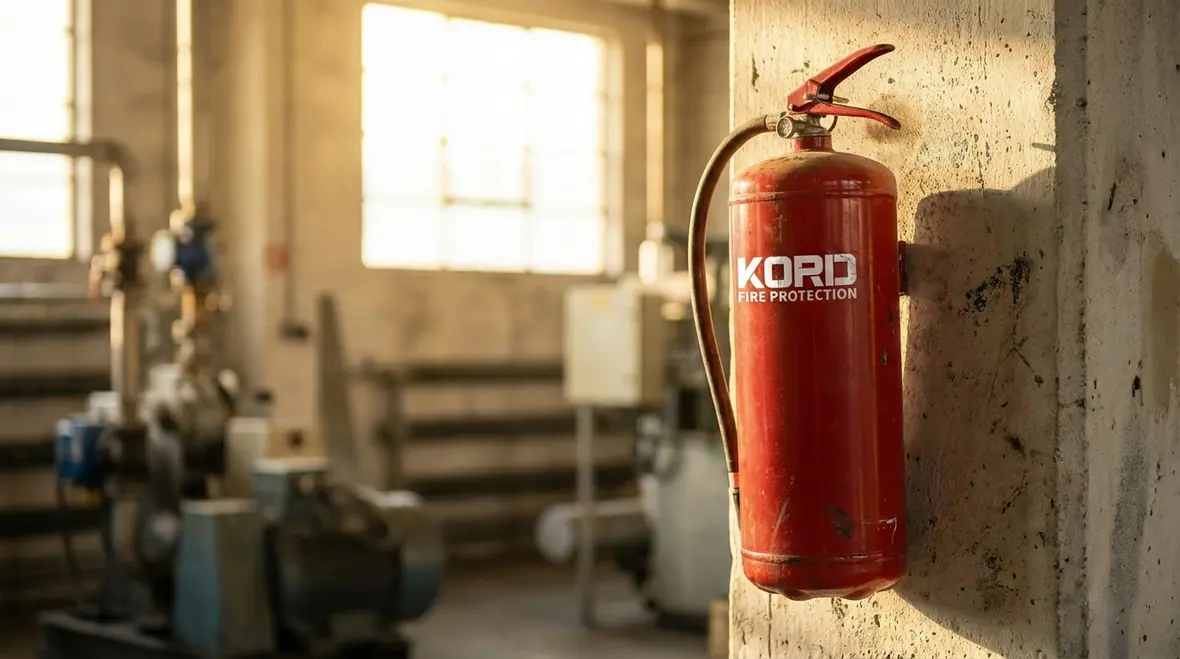
When Kord Fire Protection technicians inspect extinguishers, they follow a layered approach. First, they check the obvious signs like pressure, damage, and tags. Next, they consider environment and usage history.
Then comes compliance. Local codes and national standards set limits on service life and testing intervals. Even if an extinguisher looks healthy, regulations may require replacement. Therefore, professional guidance prevents costly mistakes.
Finally, technicians explain findings in plain language. They believe education builds trust. As one technician jokes, “People listen better when you do not sound like a textbook.” This calm, clear style helps owners understand how long fire extinguishers last without confusion.
Service options that support extinguisher lifespan
Teams like Kord Fire do more than inspect. They offer six-year breakdowns, hydrostatic testing, replacement, and training so people actually know how to use the equipment hanging on the wall. Their extinguisher services, highlighted on the Kord Fire Protection home page, are designed to keep each unit in service as long as safely possible.
Side by Side Lifespan Comparison by Extinguisher Type
Below is a simple comparison used during many Kord service visits.
| Extinguisher Type | Typical Lifespan With Maintenance |
| ABC Dry Chemical | 10 to 15 years |
| CO₂ | 20 years or more |
| Water | 10 to 12 years |
| Foam | Around 10 years |
This comparison helps owners plan budgets and replacements ahead of time. Consequently, safety stays steady instead of reactive.
When Should a Fire Extinguisher Be Replaced?
This is the one question that deserves a direct answer. An extinguisher should be replaced when it fails inspection, reaches maximum service life, or no longer meets code.
Additionally, physical damage like dents, corrosion, or broken seals signals retirement. Even minor damage can weaken the cylinder. Kord technicians remind clients that extinguishers are pressure vessels, not decorations.
Also, if the extinguisher was used even briefly, it needs service or replacement. Partial discharge reduces effectiveness. Therefore, do not assume it is still ready.
Knowing how long do fire extinguishers last helps owners act before risk appears. Prevention beats reaction every time.
FAQ: Fire Extinguisher Lifespan Basics
Conclusion and Next Steps
Understanding how long do fire extinguishers last removes guesswork from safety planning. Each type ages differently, and care makes all the difference. Kord Fire Protection technicians bring clarity, calm, and a little humor to a serious task. Now is the moment to check tags, schedule inspections, and replace what time has quietly retired. Safety favors those who plan ahead, not those who hope the extinguisher still remembers its job.
If you are staring at a dusty cylinder and wondering whether it is still trustworthy, it may be time for expert help. From replacement to hydrostatic testing, Kord Fire’s fire extinguisher and fire protection services make it easy to bring your building up to code and keep it there. Reach out for an inspection, and turn that lingering question—“Will this thing actually work?”—into confident peace of mind.
Know Your Weapon Before You Fight the Flame
Kord Fire Protection is your go-to when it comes to all things fire protection. For over 20 years, we’ve been serving Southern California with the quality service and equipment to keep your home or business safe at all times. Our competitive prices reflect our unwavering commitment to protecting what matters most in the event of a fire emergency. Give us a call, send an email, or use that form!

Join Our Newsletter!
Get the latest fire safety tips delivered straight to your inbox From our Newsletter.