Fire Protection Inspection Frequency Guide for Businesses
Picture this. You are in your office thinking about what toppings to get on your Friday pizza when someone brings up the need for a fire inspection. Suddenly the room feels like it got hotter. That nagging mix of safety, compliance, and paperwork begins creeping in. But fear not. Fire protection inspections do not have to be the villain in your workplace story, especially if you understand the rhythm of when they should happen. Think of them like your car oil changes: do them regularly and your ride stays smooth.
Layered across timeframes, fire protection systems require annual, semi-annual, and even five-year inspections. Each is critical in ensuring your business remains as fire-resistant as Tony Stark’s Iron Man suit during a hostile press conference. But do not worry; we will break it all down in plain English and maybe have a few laughs while doing it.
Why Fire Protection Inspections Exist in the First Place
Before diving into timelines, let us talk purpose. Fire protection inspections are not random acts of red-tape cruelty. They exist to ensure that smoke detectors, sprinklers, alarms, extinguishers, and suppression systems will all work when you need them the most. That is right. These inspections are your safety net when life decides to go full Michael Bay on your building.
But they are not just for show. Failure to comply with inspection standards can cost heavily in fines and even reputation. Forget trying to explain to investors or customers why your facility was shut down after skipping a fire system checkup.
Annual, Semi-Annual, and Five-Year Inspections: The Holy Trinity
Here comes the meat and potatoes. If your fire system was a sitcom cast, these three inspections would be the Chandler, Monica, and Ross keeping everything in order.
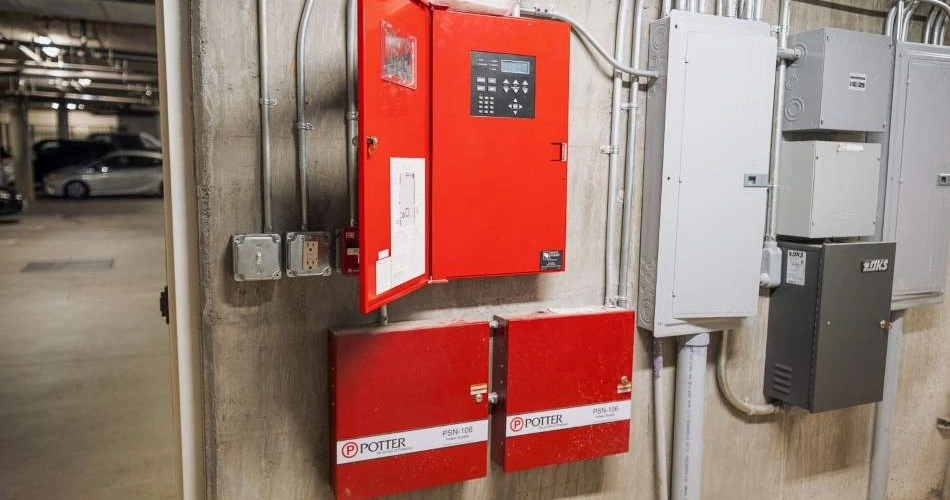
- Annual inspections cover fire alarm panels, extinguishers, and emergency lighting systems. These are typically done by certified technicians and ensure functionality and compliance with regulations. Think of these as your yearly physical at the doctor’s office. Necessary, unskippable, and sometimes awkward if you have been ignoring problems.
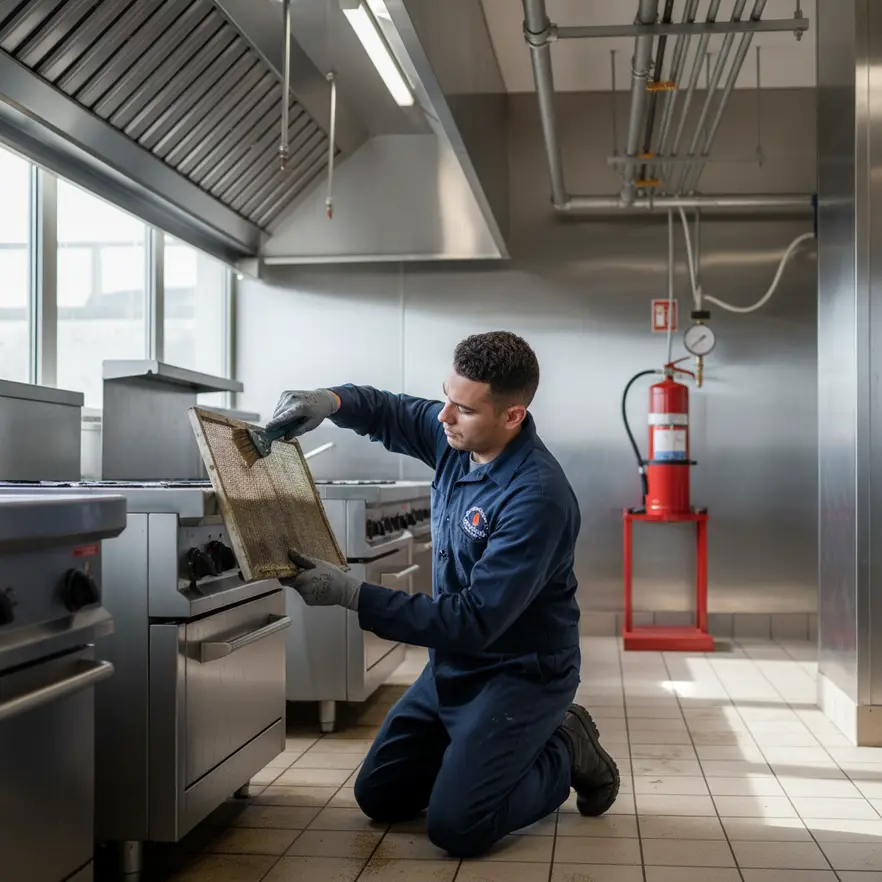
- Semi-annual inspections focus on systems that experience more wear and tear, like cooking hood suppression systems. Every six months, they get checked and cleaned. If your business involves grilling anything greasier than a backyard burger, this is not optional.
- Five-year inspections delve into the more invasive parts. We are talking internal pipe inspections on sprinkler systems and hydrostatic testing, all the juicy stuff beneath the surface. It is like a colonoscopy for your building, but with fewer awkward conversations.

What Happens During a Fire Inspection? Hollywood vs Reality
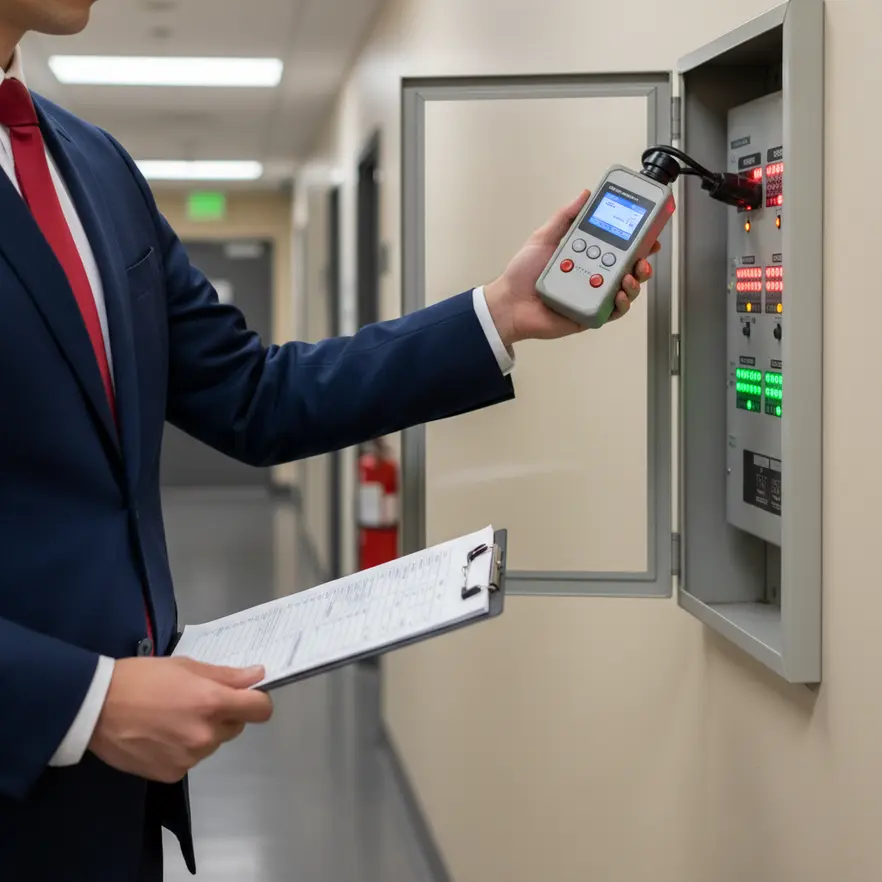
Pop culture may have you believe fire inspections involve dramatic guys in flame jackets walking through buildings with thermal goggles. Not quite. In real life, inspectors are much more clipboard than cape.
Here is a typical rundown:
- Inspectors verify pressure, gauge readings, and tag dates on extinguishers
- They test alarm functionality using smoke or heat simulators
- They ensure your egress or evacuation paths are clear
- They probe deeper into records, service tags, and visual assessments of sprinklers and valves
- They check for signs of corrosion, wear, or building modifications that affect system performance
And yes, sometimes they catch something small. Other times they catch a fire code violation that could make your legal team cry. Either way, it is better to deal with it wearing a calm smile than trying to fix it in a panic during an emergency at 2 AM.
How Businesses Should Schedule Their Inspections to Stay Compliant
If Benjamin Franklin was alive today, he might revise his famous quote to say, “In this world, nothing is certain except death, taxes, and fire inspections.” Staying compliant starts with having an organized schedule. Here is what that might look like in practice:
System Type
Fire Alarms
Fire Extinguishers
Hood Suppression (Kitchens)
Sprinkler Systems – Visual
Sprinkler Systems – Internal
Inspection Frequency
Annual
Annual
Semi-Annual
Annual
Every Five Years
Pro tip: Do not wait until someone remembers during your morning meeting that you are overdue. Use calendar reminders. Better yet, get a fire protection company that sends those reminders for you. You will thank us when your next inspection rolls around and you are not scrambling like you left the oven on.
Decoding Regulations Without Needing a Law Degree
This is the part where most people start to glaze over. But not here. Fire code regulations, such as those enforced by the National Fire Protection Association (NFPA) or your local AHJ (Authority Having Jurisdiction), actually read like the bylaws of a superhero council: they all want to keep people safe, but sometimes disagree on the how-to.
Each system has different mandates. Upgrades, expansions, or even a simple move of a file cabinet can change how your setup should be inspected. Staying up-to-date means checking whether your local laws mirror or deviate from national standards.
And no, your buddy who used to be a firefighter does not count as the Authority Having Jurisdiction. Unless of course, he is actually the AHJ. In that case, give him a cookie. Or a helmet sticker. Whichever he prefers.
Common Mistakes That Can Get You in Hot Water (Literally)
Let us play a quick game of “spot the problem.” If your extinguishers are blocked by furniture, your alarm is 15 years old and has never been tested, or if your sprinkler heads have become perch spots for holiday decorations, congratulations. You are overdue for a wake-up call.
Other frequent missteps include:
- Relying on self-inspections without documentation
- Skipping semi-annual services because “everything looks fine”
- Assuming old inspection tags mean things are still good
- Letting five-year inspections slide because they only come around twice a decade
Let’s just say fire and procrastination are not a mix you want to test. We have all seen movies. Everything looks fine until the unthinkable happens and the building blows up behind the protagonist walking away in slow motion, cool as ice.
Industries Where Inspections Cannot Be Missed
Some industries can fake a little mess. Not fire safety. In certain sectors, missing an inspection is like showing up to a wedding in flip-flops. Beyond embarrassing. Potentially costly. Certainly not OSHA-approved.
- Healthcare: Hospitals and clinics rely on stringent fire life safety codes due to vulnerable populations and sensitive equipment
- Hospitality: Hotels with high turnover and round-the-clock occupancy need routine checks to prevent any fiery wake-up calls
- Manufacturing: Flammable materials and electrical machinery make inspections non-negotiable
- Commercial Kitchens: Let’s just say where there is smoke, there better be suppression systems
Miss an inspection here, and it is not just about fines. You risk licenses, ratings, insurance coverage, and yes, actual lives.
Fire Inspections and Insurance: A Match Made in Liability Heaven
Here is the thing. Insurance companies love proof. Proof that you got your inspections. Proof that your sprinklers were not full of rust. Proof that someone pressed the test button on your alarm in this decade.
Failing to maintain required inspection intervals like your five-year hydrostatic tests? That is one fast track to denied claims if a fire does strike. And when it comes to lawsuits, the paperwork you kept from your semi-annual check just might save the day.
So yes. Fire inspections keep you safe, legal, and most importantly, insured. The holy trifecta. They are basically the health checkup your insurance adjuster wants you to get but cannot force you to make.
FAQs: Featured Snippet Speed Round
- How often do fire protection inspections need to be done?
Fire protection inspections are typically done annually, semi-annually, and every five years based on the system and code requirements. - What systems need an annual fire inspection?
Fire alarms, extinguishers, and emergency lights usually require annual inspections to remain code-compliant. - When are semi-annual inspections required?
Semi-annual inspections are needed for kitchen hood suppression systems and other high-use suppression components. - What is included in a five-year fire inspection?
Five-year inspections include thorough internal testing like hydrostatic pressure tests and pipe integrity checks for sprinkler systems. - Who performs fire protection inspections?
Certified fire safety technicians or inspectors authorized by state and local code typically conduct these inspections.
Let the Professionals Handle It
Listen. No one expects you to turn into a fire protection savant overnight. That is why there are professionals. Trained experts who live and breathe this stuff. Let them carry the load and keep your systems humming so that you can focus on bigger things. You know, like winning employee of the month or finally organizing that chaotic supply closet.
A proactive inspection plan means fewer surprises, better safety, and smoother operations. Plus, it is hard to crack a joke in a meeting if the room smells like smoke.
Conclusion: Peace of Mind Begins with Routine Checks
Your fire protection systems are like Batman’s utility belt. Powerful. Efficient. But only useful if checked and maintained. Annual, semi-annual, and five-year inspections are not just safety box-tickers. They are lifelines.
If your business is your fortress, then inspections are your sentinels. Schedule them. Respect them. And sleep comfortably knowing your place will not be starring in the next “man versus spark” thriller. Contact our team today for a custom inspection plan and fire-proof your peace of mind.