
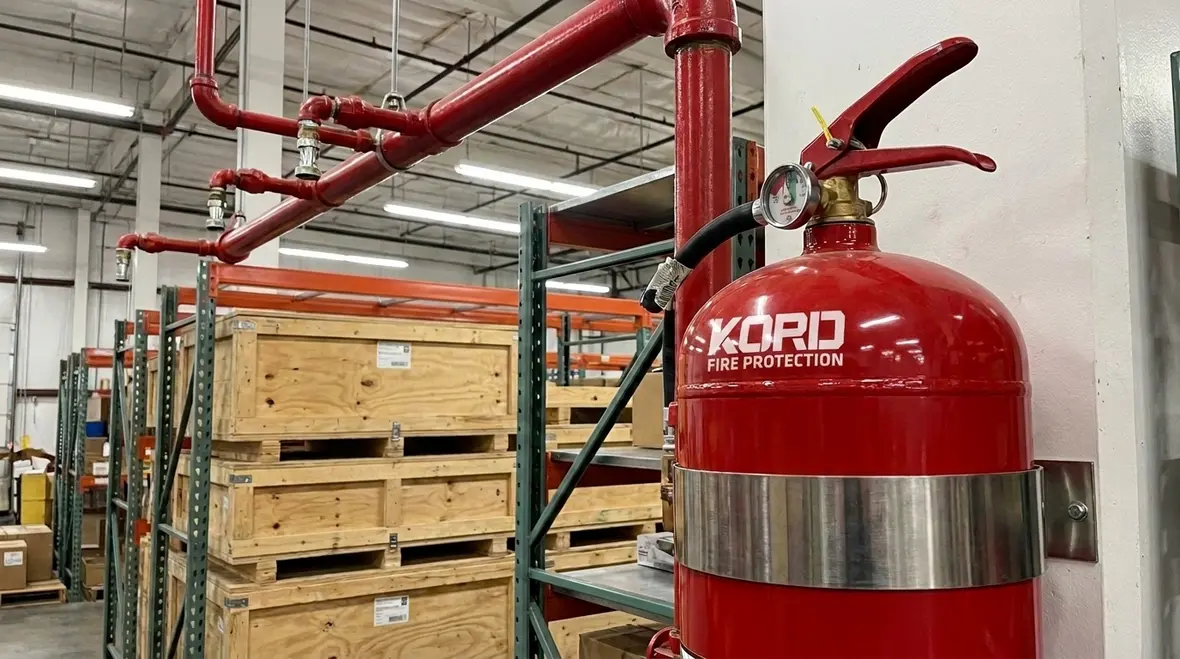
Total Flooding Dry Chemical Systems NFPA 17 Guide
Quick Answer
Total flooding dry chemical systems NFPA 17 provide rapid full space protection by blanket coverage of hazards with a single discharge. Guided by NFPA 17 Section 6.1, designers balance hazard type space layout and agent concentration. Kord Fire Protection can be a vital partner helping Australian industrial retail and commercial facilities achieve compliant reliable protection.
If you want a broader foundation before diving deeper into total flooding, this NFPA 17 dry chemical extinguishing systems guide offers useful context on design, approval, and system purpose. Facilities comparing protection strategies can also explore dry chemical fire suppression system options to see how hazard type and site conditions shape the right fit.
Core Principles of Total Flooding Design
Total flooding refers to a fire protection approach that saturates an entire room or space with extinguishing agent to halt the spread of flames quickly. In this method the goal is to achieve a uniform concentration of dry chemical across the enclosure so hot gases and flames are knocked down fast. NFPA 17 Section 6.1 outlines the design basics for these systems, including how to size the discharge, select the right agent and ensure space coverage. The emphasis is on reliability and speed so that occupants have time to reach safety while equipment and inventory are safeguarded. When industries in Australia face industrial, retail or commercial risks the total flooding approach offers a straightforward yet potent layer of protection.
Why full space coverage matters
A total flooding setup is meant to act fast across the whole enclosure, not just one troublemaking corner. That broader reach can be especially valuable in spaces where flames, vapors, or heat can spread quickly and where waiting around is not exactly part of the fire safety plan.
Design Factors and Sizing
Designers begin with a clear hazard assessment. The type of fire load the space could face, the ceiling height, and the presence of obstacles all shape how the system is configured. Room geometry matters because dead zones can reduce effectiveness. A well planned layout uses proper nozzles and detectors to ensure even distribution of the dry chemical agent. The concentration must be enough to suppress ignition without creating excessive residue. Transition times from warning to discharge are kept short, so the protection holds up under real conditions. In practice this means careful calculations and field verification to confirm that the system meets NFPA 17 requirements while fitting the site’s operational needs. The aim is to deliver consistent performance across different zones without overbuying material. In short the design seeks balance.
Key design checks
- Hazard review Fire class, fuel load, ignition sources, and operational conditions
- Enclosure analysis Room size, height, openings, airflow, and obstacle locations
- Nozzle layout Coverage pattern, discharge direction, and dead zone prevention
- Agent quantity Enough concentration for suppression without wasteful oversizing
- System response Detection, warning, and discharge timing that works in the real world
The Role of Kord Fire Protection
Kord Fire Protection positions itself as a trusted partner in the journey to compliant protection. By combining engineering insight with hands on field knowledge they help clients interpret NFPA 17 Section 6.1 and translate it into practical installations. Kord provides technical guidance on choosing a total flooding dry chemical systems NFPA 17 solution that fits Australian codes and the realities of industrial facilities. They coordinate design reviews, supplier selections and site specific considerations to reduce risk and simplify compliance. For facilities across Australia this partnership means a smoother process from initial concept through commissioning and beyond. It is the kind of collaboration that keeps downtime down and safety up.
From concept to commissioning
Good fire protection work usually looks calm from the outside because the chaos got handled early. Design reviews, supplier coordination, installation planning, acceptance testing, and documentation all matter. Kord helps make those moving parts feel less like a circus and more like a process.
Installation and Maintenance Best Practices
Proper installation matters just as much as smart design. Teams ensure correct mounting of cylinders, proper alignment of discharge nozzles and clean connections to prevent leaks. Commissioning tests confirm the system operates as intended under simulated conditions. Regular maintenance includes inspection of valves, wiring, and actuation hardware, plus periodic functional tests. Maintenance checks verify that detectors and alarms remain aligned with the fire protection strategy. Documentation is essential so audits and inspections proceed without surprises. The goal is longevity and reliability, not a one time check and hope for the best.
For inspection focused follow up, Kord also has a practical resource on dry chemical fire suppression system inspections, which pairs naturally with maintenance planning and readiness checks.
Applications Across Australia
Australian facilities in industry retail and commercial sectors benefit from a robust total flooding approach. In manufacturing plants the system helps protect critical process areas while keeping fire risks under tight control. In warehouses it protects high value goods and reduces downtime when incidents occur. In large retail complexes total flooding can cover open sales floors and back of house spaces in one cohesive package. Across Australia the installations must respect local standards while meeting NFPA 17 requirements and the practical demands of daily operations. The outcome is a dependable fire protection layer that supports business continuity and safety.
Typical spaces where this approach fits
- Workshops
- Selected process rooms
- Storage and warehouse zones
- Electrical and equipment areas where water is not ideal
- Commercial and retail back of house spaces with identified hazard loads
Two Column Quick Reference
- Design focus Hazard type space geometry and agent rate
- Key outcome Rapid suppression with full space coverage
- Typical spaces Workshops cleanrooms data centers
- Common challenge Avoid dead zones and overuse of agent
- Verification Field tests and commissioning documentation
- Partner role Kord Fire Protection guides design and installation
Frequently Asked Questions
Conclusion and Call to Action
For Australian industrial retail and commercial facilities seeking dependable protection total flooding dry chemical systems NFPA 17 offers a clear path. By aligning with NFPA 17 Section 6.1, facilities gain reliable, scalable protection. Kord Fire Protection stands ready to partner on design installation and ongoing care helping customers keep people safe and operations resilient. Contact Kord today to start the conversation about tailored protection.

Join Our Newsletter!
Get the latest fire safety tips delivered straight to your inbox From our Newsletter.



