NFPA 17 Section 11.2 Dry Chemical Owner Checklist
Quick Answer: The NFPA 17 Section 11.2 Owner’s Inspection Checklist for Dry Chemical Systems offers a clear, repeatable process for facility teams to verify system readiness. It helps identify corrosion, leaks, seals and charge status before small issues become major failures. Kord Fire Protection can support Australian industries with this essential service and steady partnership.
For Australian industrial, retail and commercial facilities the protection provided by dry chemical extinguishing systems is a critical safeguard. The dry chemical system owner inspection NFPA 17 standard guides owners through a calm, methodical routine that protects people and assets. In practice this means checking gauges, seals and lines, cleaning components and documenting findings so nothing is left to chance. The result is reduced downtime and better preparedness when danger arrives. Kord Fire Protection emerges as a vital partner in this work offering trained technicians, local knowledge and a practical approach to every inspection.
If your team is reviewing inspection routines and broader system support, Kord Fire Protection’s dry chemical fire suppression system inspection guide is a natural next read. It pairs well with this checklist focused approach and adds more context around what gets checked, why it matters and how readiness stays consistent over time.
Understanding NFPA 17 Section 11.2
NFPA 17 is a global benchmark for dry chemical systems and Section 11.2 focuses on the owners responsibilities during inspections. The rule aims to ensure systems remain ready between professional service visits. It emphasizes routine checks, timely reporting and proper storage of documentation. This section helps facility managers establish a predictable rhythm that aligns with industrial schedules while keeping risk low. The emphasis is not on heavy jargon but on a steady protocol that anyone can follow with proper training.
For readers wanting the broader standard context, Kord Fire Protection also provides a helpful overview in NFPA 17 dry chemical extinguishing systems guidance, which fits naturally alongside the owner inspection responsibilities covered here.
What to Inspect in the Owner Checklist for Dry Chemical Systems
Core visual checks
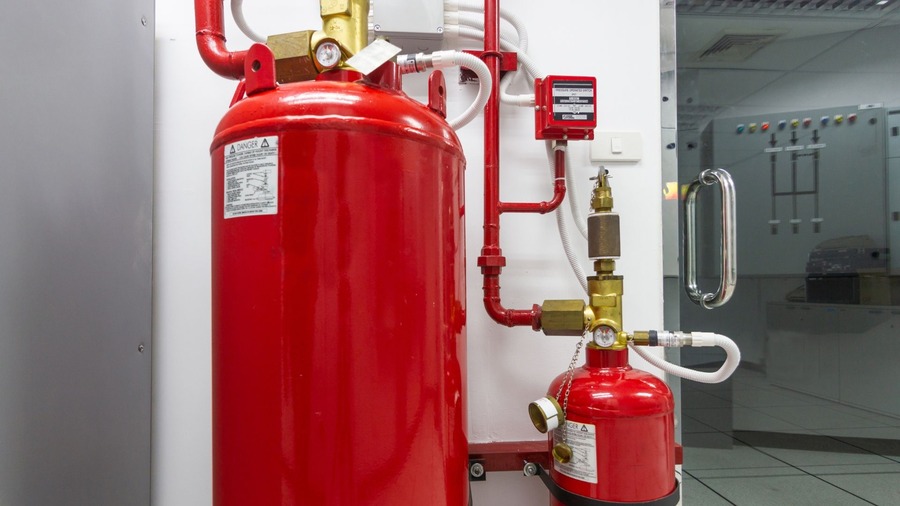
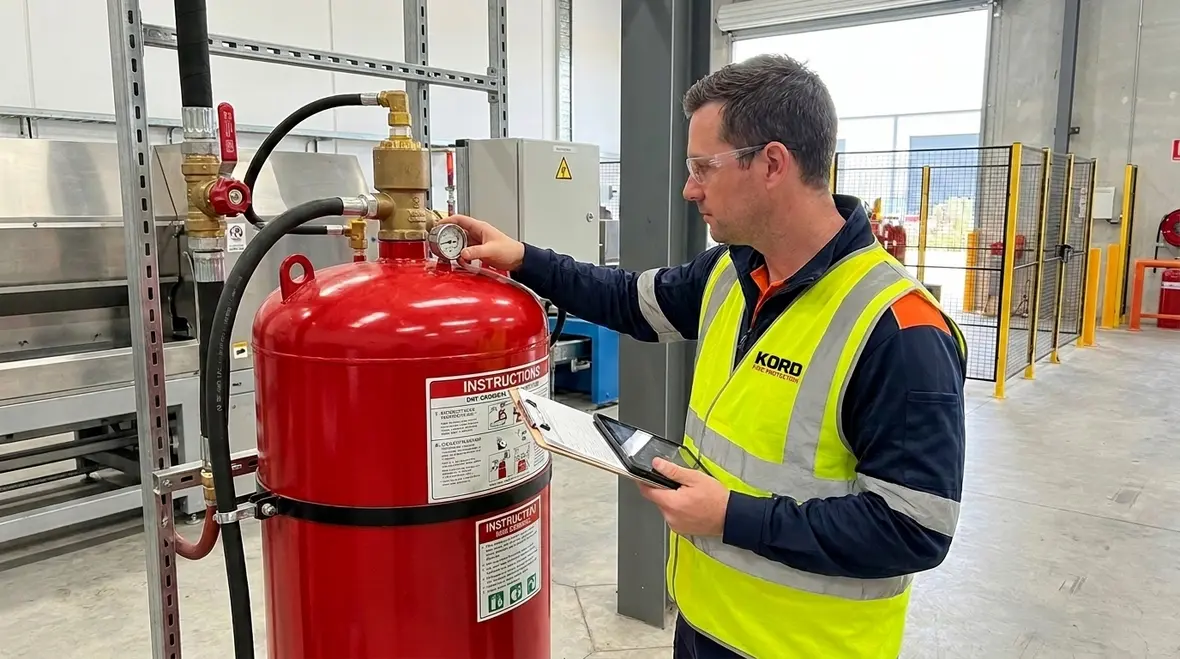
Key items include visual signs of corrosion on the cylinder and valves, the condition of seals and tamper indicators, pressure gauges reading within limits, and the presence of clean, unobstructed access to the unit. Technicians look for signs that the system was recently serviced and whether any parts show wear.
Access, labeling and discharge components
It is also important to verify labeling, instruction placards and the accessibility of manual release mechanisms. In addition technicians confirm that hoses and discharge nozzles are free of damage and that the system shows no signs of leakage around the cylinder collar or fittings.
Documentation and Frequency
A well kept logbook supports the dry chemical system owner inspection NFPA 17 requirements by providing a traceable history of inspections, tests and replacements. Typical practice calls for a combination of periodic visual checks by building staff and annual professional servicing. Documentation should include dates, what was inspected, observations, actions taken and any parts replaced. This record is essential during audits and helps demonstrate compliance with both NFPA standards and local regulations.
- Inspection date and location
- Name of the person performing the check
- Observed condition of gauges, seals, hoses and nozzles
- Any corrective action taken or scheduled
- Replacement parts or follow up service required
The Role of Kord Fire Protection as a Vital Partner
Kord Fire Protection brings trained technicians who understand the nuances of dry chemical systems and the realities of Australian facilities. The company offers on site inspections, clear reporting and guidance on corrective actions. By partnering with Kord Fire Protection teams can maintain consistent compliance and reduce risk. The partnership supports facility managers where time and accuracy matter most, ensuring that the dry chemical system owner inspection NFPA 17 process is carried out correctly every time.
Client side responsibilities
- Provide access to equipment and manuals
- Keep the area around the system clean and visible
- Maintain up to date operating records
- Notify the service team of any changes in site use or access
Provider side responsibilities
- Deliver trained technicians and on site inspection services
- Capture clear inspection findings and provide an action list
- Offer rapid parts support and re service if needed
- Maintain ongoing communication and schedule reminders
This two column style emphasizes how alignment between client and provider keeps the system ready. The goal is a smooth workflow that minimizes disruption and keeps protective equipment in peak condition.
Practical Considerations for Australian Facilities
Markets across Australia face diverse climates and facility types. The NFPA 17 framework translates well but must be adapted to local maintenance windows and workforce availability. Facility managers should plan inspections around peak operational times and ensure there is a clear line of communication with the chosen service partner. When storms or supply chain issues arise, a dependable partner like Kord Fire Protection can provide rapid response and spare parts to keep critical protection intact.
FAQ
Conclusion
The dry chemical system owner inspection NFPA 17 process is a practical, repeatable routine that protects people and property across Australian facilities. By combining diligent internal checks with professional support from Kord Fire Protection organisations build lasting readiness. Contact Kord Fire Protection today to schedule a compliant inspection plan and secure your assets with confidence.

Join Our Newsletter!
Get the latest fire safety tips delivered straight to your inbox From our Newsletter.