Regulation 4 for Multi Tenant Housing in LA
In Los Angeles, safety is not a suggestion. It is a standard. And when it comes to regulation 4 within multi tenant housing, that standard becomes very clear, very specific, and very serious. Multi tenant buildings, from apartment complexes to mixed use properties, must follow the Los Angeles Fire Department guidelines designed to protect residents, businesses, and property. Regulation 4 is one of those rules that property owners cannot afford to misunderstand. Fortunately, Kord Fire Protection technicians spend their days explaining the fine print in plain English, turning dense fire code language into practical steps building owners can actually follow.
This article walks through how Regulation 4 applies to multi tenant buildings in Los Angeles, why it matters, and how property managers can stay compliant without losing sleep or their sense of humor.
Understanding Regulation 4 Within Multi Tenant Housing in Los Angeles
First, it helps to understand what Regulation 4 actually covers. In Los Angeles, Regulation 4 refers to specific fire safety requirements enforced by the Los Angeles Fire Department for certain occupancies, including residential and mixed use buildings with multiple tenants. The goal is simple. Prevent fires, detect them quickly, and ensure occupants can exit safely.
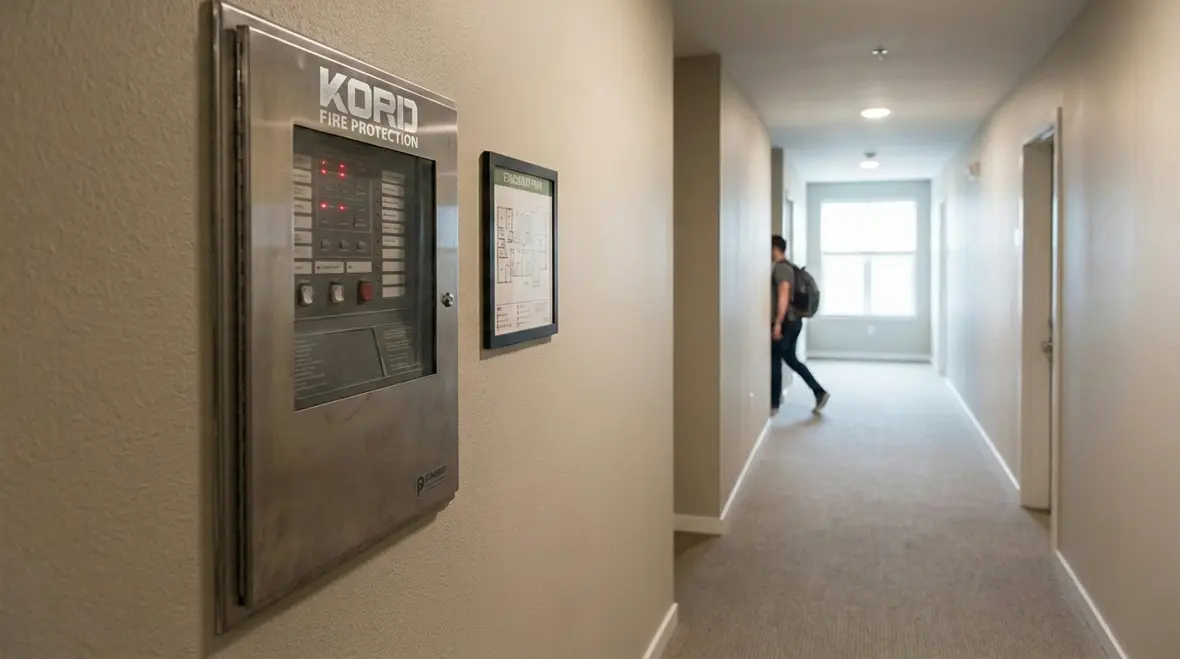
However, simplicity in purpose does not always mean simplicity in practice. Multi tenant properties often have shared corridors, common utility systems, storage rooms, parking garages, and sometimes retail spaces on the ground floor. Each of these areas can present unique fire risks. Therefore, Regulation 4 addresses fire alarm systems, sprinkler systems, monitoring requirements, and ongoing inspection and testing standards.
Kord Fire Protection technicians often explain that the regulation is less about paperwork and more about performance. If a fire alarm fails at 2 a.m., the code will not care how nice the building lobby looks. It will care whether the system worked.
For owners who manage properties across the county, it also helps to zoom out and understand how Regulation 4 fits into the bigger picture of Los Angeles County fire protection requirements overall. LAFD uses it as one of the key tools to keep dense urban multi tenant properties safer and more predictable during emergencies.

How Regulation 4 Applies to Multi Tenant Buildings in Los Angeles
This is the question property owners type into search engines at midnight. And the answer comes down to three core areas: system installation, monitoring, and maintenance.
1. System Installation
Many multi tenant buildings must have approved fire alarm systems that meet LAFD standards. In some cases, sprinklers are mandatory. In others, upgrades are required when a building changes occupancy or undergoes renovation. Consequently, older properties are not automatically grandfathered in if significant modifications occur.
2. System Monitoring
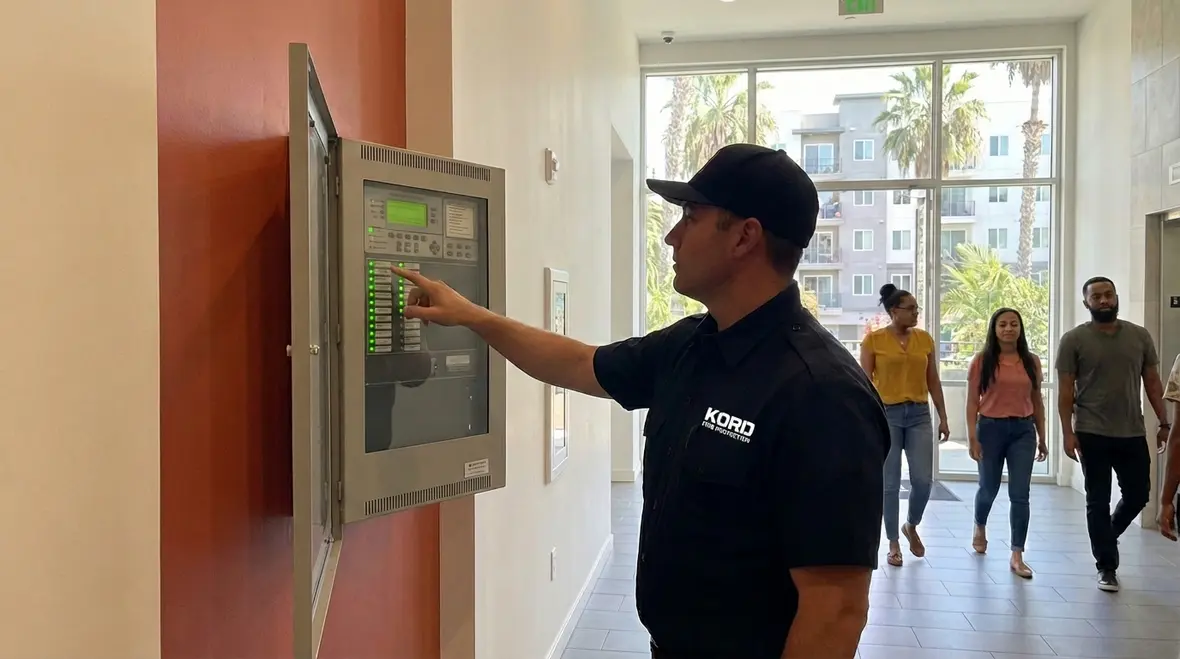
Regulation 4 often requires fire alarm systems to be connected to a central monitoring station. That means if a detector activates, a signal goes out immediately. No waiting for someone to notice smoke. No relying on a neighbor who thinks the alarm is just burnt toast again.
3. Ongoing Maintenance
Third, maintenance. This is where many owners stumble. Systems must undergo regular inspection, testing, and certification. Moreover, records must be available for review. Kord Fire Protection technicians frequently remind clients that a dusty control panel and missing test logs can lead to citations faster than one can say compliance.
For owners with properties in dense urban cores, it is also smart to coordinate Regulation 4 work with broader services like Downtown LA fire protection services so that alarms, sprinklers, pumps, and monitoring are all pulling in the same direction.
Key Regulation 4 Requirements Property Owners Must Address
Regulation 4 within multi tenant housing places responsibility squarely on the property owner or manager. Although tenants play a role in daily safety, the building systems remain the owner’s duty.
Below are core components typically involved:
Fire Alarm Systems
- Approved control panels
- Audible and visual notification devices
- Smoke and heat detectors in required areas
- Connection to an approved monitoring service
Automatic Fire Sprinkler Systems
- Coverage in required residential and common areas
- Proper water supply and pressure
- Backflow prevention devices
- Routine inspection and testing
Documentation and Certification
- Annual inspection reports
- Testing records
- Repair documentation
- Proof of monitoring service
Additionally, buildings with underground parking or storage rooms may face added requirements. Therefore, owners must review their specific occupancy classification rather than assuming a one size fits all approach.
Kord Fire Protection technicians often say that compliance is like flossing. It seems small and easy to skip. Yet when ignored, the consequences grow quickly and painfully.
Common Regulation 4 Compliance Gaps in Multi Tenant Properties
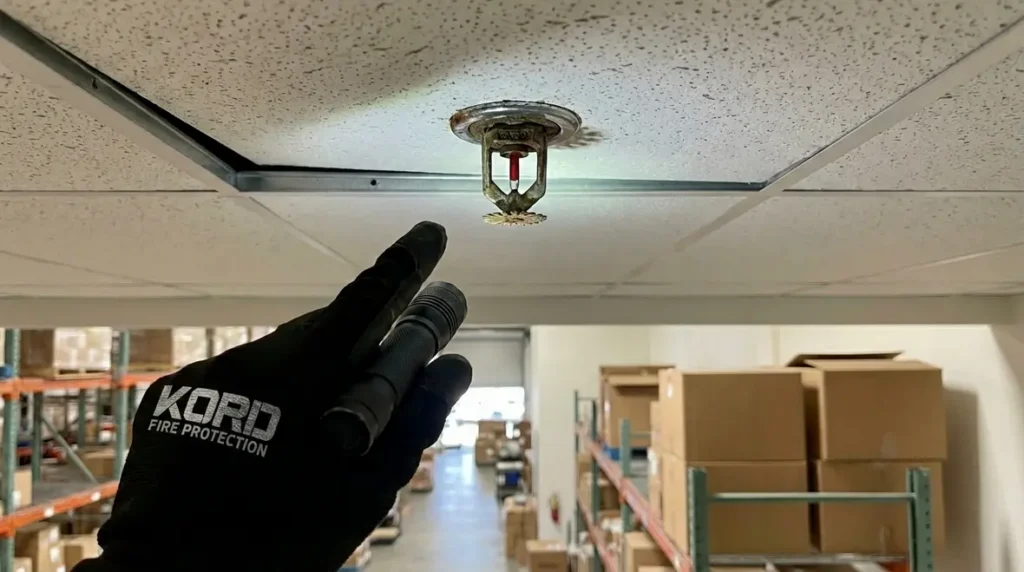
Even well managed properties can fall short. Over time, small oversights add up. For example, a tenant remodels a unit and removes a detector. A contractor patches a wall and forgets to reconnect a device. Or a monitoring contract quietly expires.
Furthermore, some buildings rely on outdated panels that no longer meet current LAFD standards. Although they may still function, they may not satisfy code requirements. As a result, owners face orders to upgrade.
Another frequent issue involves incomplete testing. Regulation 4 expects not just visual checks but functional tests. That means activating devices, verifying signal transmission, and documenting results. Kord Fire Protection technicians explain that inspectors look for proof, not promises.
There is also confusion around tenant responsibility. While tenants must avoid tampering with equipment, the legal obligation to maintain compliant systems remains with ownership. In multi tenant housing, shared responsibility does not mean shared liability.
Side by Side View of Responsibilities
Property Owner Duties
- Install approved fire alarm systems
- Maintain monitoring contracts
- Schedule annual inspections
- Maintain sprinkler coverage
- Keep compliance records
Tenant Responsibilities
- Do not tamper with detectors or alarms
- Report damaged equipment
- Keep exits clear inside units
- Avoid unsafe activities
- Follow posted fire safety rules
This side by side view clarifies an important truth. Regulation 4 within multi tenant housing focuses primarily on the systems that protect everyone. Those systems belong to the building, and therefore to the owner.

Upgrades, Renovations, and Change of Use
Los Angeles is a city that loves reinvention. Warehouses become lofts. Offices become apartments. Retail spaces turn into trendy cafes where someone pays eight dollars for coffee and calls it self care. However, each change can trigger new fire safety requirements.
When a multi tenant building undergoes renovation, Regulation 4 may require system upgrades to meet current standards. For instance, adding units can change occupancy load. That shift can increase alarm and sprinkler requirements. Additionally, new walls may require device relocation to maintain proper coverage.
Kord Fire Protection technicians frequently coordinate with contractors during remodels. By reviewing plans early, they help avoid costly rework later. After all, cutting into freshly painted drywall to add missing wiring is nobody’s idea of a good time.
Inspections and Enforcement in Los Angeles
LAFD does not simply publish regulations and hope for the best. Inspectors conduct periodic reviews of multi tenant buildings. During these visits, they assess alarm panels, check inspection tags, and review documentation.
If violations appear, the department can issue notices to comply. In some cases, fines follow. In serious situations, occupancy restrictions may apply until corrections occur. Therefore, staying proactive proves far less stressful than reacting to a citation.
Moreover, insurance carriers often review compliance history. A building with consistent documentation and certified systems may face fewer complications during claims. Conversely, gaps in maintenance can complicate coverage discussions. And nobody wants to debate policy language while standing next to a fire damaged lobby.
Why Professional Guidance Matters
Fire code language can feel dense. Sections reference other sections. Technical terms stack up quickly. Yet the stakes remain high. Because of that, many property owners rely on experienced providers.
Kord Fire Protection technicians make a point of explaining Regulation 4 requirements in clear, direct language. They walk properties, identify risks, and outline specific corrective steps. Instead of vague warnings, they provide timelines, cost ranges, and practical recommendations.
Additionally, they help maintain ongoing compliance. Scheduled inspections, documented testing, and prompt repairs keep systems reliable. Over time, that consistency builds a record that satisfies both regulators and insurers.
In multi tenant housing, safety systems operate quietly in the background. Most days, no one notices them. That is the goal. When they activate, however, they must perform flawlessly. Therefore, the investment in proper installation and maintenance pays off long before an emergency occurs.
FAQ About Regulation 4 and Multi Tenant Buildings
Conclusion: Staying Ahead of Regulation 4 Within Multi Tenant Housing
Regulation 4 within multi tenant housing is not just a line in a codebook. It is a living standard that protects lives and property across Los Angeles. Therefore, property owners who treat compliance as an ongoing commitment, not a one time task, position themselves for long term success.
Kord Fire Protection technicians stand ready to guide that process with clarity and confidence. Reach out today, review your systems, and ensure your building stands safe, steady, and fully prepared.
If your property is in or around Los Angeles, you can also pair your Regulation 4 plan with full service countywide support. Explore Los Angeles County Fire Protection services to coordinate sprinklers, alarms, suppression, and inspection schedules under one roof.
Ready to get ahead of the next inspection instead of scrambling after a citation? Schedule a visit with a Kord Fire Protection technician and build a Regulation 4 strategy that fits your multi tenant building, your budget, and your peace of mind.
Know Your Weapon Before You Fight the Flame
Kord Fire Protection is your go-to when it comes to all things fire protection. For over 20 years, we’ve been serving Southern California with the quality service and equipment to keep your home or business safe at all times. Our competitive prices reflect our unwavering commitment to protecting what matters most in the event of a fire emergency. Give us a call, send an email, or use that form!

Join Our Newsletter!
Get the latest fire safety tips delivered straight to your inbox From our Newsletter.