NFPA 52 Section 19.1 General: LNG Siting and Construction Requirements Overview
Quick Answer: NFPA 52 Section 19.1 sets the baseline expectations for where LNG facilities can be located and how they are constructed. It focuses on life safety, fire protection, and risk controls that reduce the likelihood and consequence of LNG release, ignition, and fire exposure during normal operations and emergencies.
For broader compliance support tied to inspection, testing, and maintenance, explore Kord Fire Protection services, which can help connect LNG fire protection readiness with ongoing documentation and system performance needs.
What NFPA 52 Section 19.1 covers for LNG siting and construction
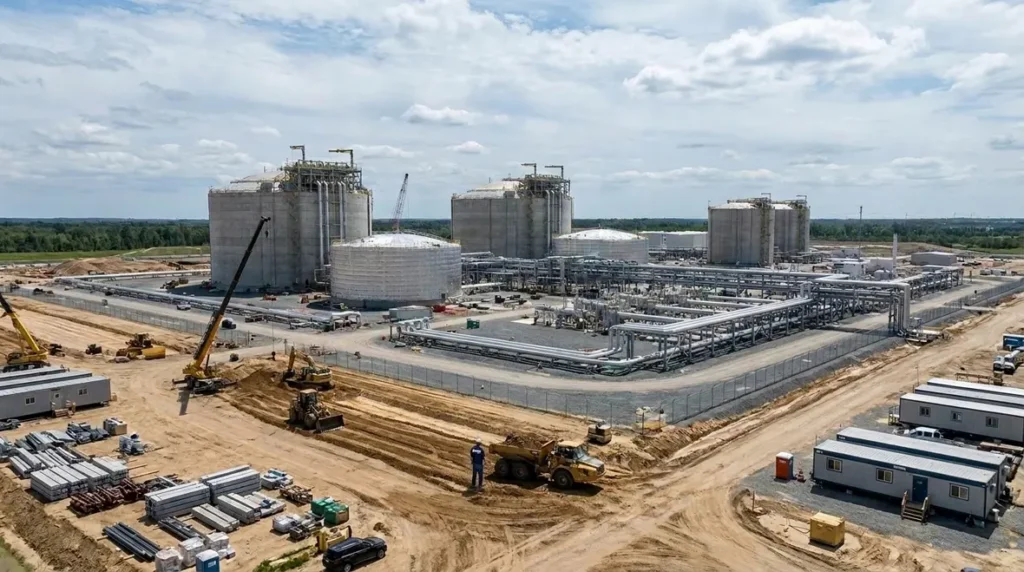
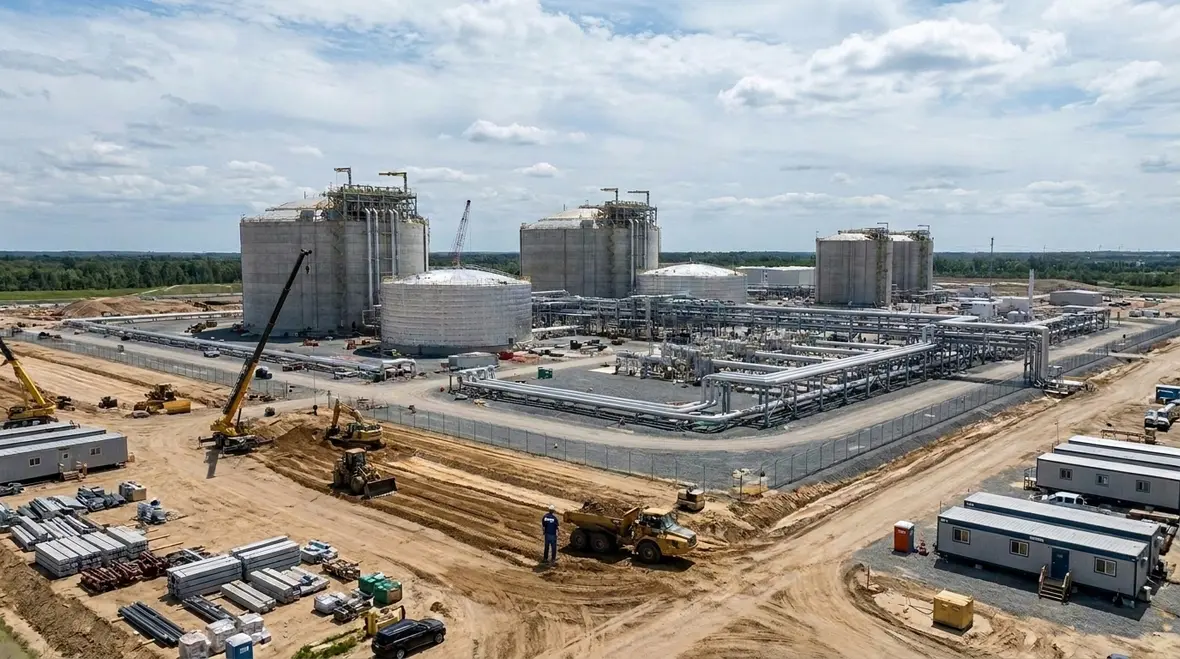
NFPA 52 LNG siting construction general requirements in Section 19.1 establish the framework that governs site selection, layout, and facility construction measures for liquefied natural gas (LNG) installations. The section works as the “baseline rules layer” before more detailed subsections apply to specific systems, equipment, and hazards.
In practice, Section 19.1 is where fire and life safety planning becomes measurable. Commercial owners and engineering teams must be able to demonstrate that the facility is placed, built, and integrated with protective systems in a way that limits incident severity and supports effective emergency response. Kord Fire Protection frequently supports clients by translating these requirements into testable inspection points, maintenance procedures, and documentation packages that stand up during authority having jurisdiction (AHJ) reviews.
NFPA 52 Section 19.1 goals: risk reduction, defensible design, and operability
Section 19.1 aims to reduce risk in three operational moments: normal operation, foreseeable upset conditions, and emergency response. That intent drives several practical expectations for design and construction teams.
1) Contain and control credible LNG release scenarios
Construction choices influence how quickly a release can be detected, how far vapors can travel, and how ignitable mixtures can be prevented or managed. Fire protection considerations start at the site and follow through to physical separation, protection of critical components, and correct installation of systems intended to mitigate release and ignition.
2) Limit exposure to ignition sources and hazardous interactions
LNG facilities typically require robust controls around electrical classification, hot work management, and protection against mechanical ignition. Section 19.1 general requirements support this by reinforcing that the facility layout and construction methods must not create uncontrolled ignition pathways.
3) Enable effective emergency response and safe access
Site and construction decisions must allow responders to reach hazards, operate protective systems, and manage evacuations. This includes ensuring that the built environment does not trap personnel, block access, or undermine the operation of fire protection equipment during a credible LNG incident.
Key compliance themes in LNG siting and construction general requirements
Facility teams often discover that the most problematic compliance gaps are not “missing equipment,” but incorrect installation details, insufficient access pathways, and maintenance states that fail during operational readiness reviews.
Site layout and separation distances that actually function
Separation is not a conceptual requirement. It becomes a real-world performance requirement that must be reflected in drawings, field verification, and ongoing maintenance. Common failure points include:
- Design plans that show separation but field conditions that reduce spacing due to later modifications.
- Walkways, storage, or temporary installations introduced after construction without a documented fire safety evaluation.
- Vegetation control or drainage changes that alter vapor movement or accumulation zones.
For commercial and industrial operators, keeping these controls aligned with the as-built condition is critical. Kord Fire Protection can help clients build recurring inspection and field audit routines that detect drift before it becomes a noncompliance finding.
Construction features that support fire protection system performance
NFPA 52 requirements depend on protective systems being installed correctly and remaining operable. Construction details that often affect performance include:
- Penetrations, cable routing, and sealing practices that prevent loss of system integrity.
- Protective enclosures, barriers, and shielding that preserve equipment operability under incident conditions.
- Foundation and structural considerations that support equipment stability during heat exposure where applicable.
Commercial facilities also need clear documentation and labeling so maintenance teams can verify that correct components and isolation arrangements are used during service events.
Control of operating conditions and foreseeable maintenance activities
Section 19.1 general requirements implicitly account for day to day operation. If normal maintenance exposes personnel to hazardous zones or undermines protective controls, the facility does not meet the intent of risk reduction. Typical operational risks include:
- Inadequate hot work controls and permit processes around LNG boundaries.
- Improper lockout and isolation procedures that lead to energized equipment during intrusive work.
- Lack of documented inspection frequencies for critical protective components.
As a practical matter, safety documentation must link to field procedures. Kord Fire Protection helps organizations align inspection testing, maintenance schedules, and training verification with the facility’s NFPA 52 compliance obligations.
Inspection, testing, and documentation readiness for Section 19.1
Even when design is sound, compliance can fail at the readiness stage. For LNG siting and construction, AHJs commonly expect evidence that the facility is built and maintained to support the fire safety strategy.
What authorities typically look for
- As-built drawings that match the installed layout, equipment locations, and access routes.
- Inspection and test records for fire protection systems and related controls that support emergency operation.
- Maintenance logs that show corrective actions, not just routine servicing.
- Field verification that protective features remain unobstructed and operational, including during seasonal and operational changes.
How Kord Fire Protection supports ongoing compliance
Commercial owners and facilities benefit from an approach that ties requirements to verifiable tasks. Kord Fire Protection works with organizations to plan testing and maintenance programs that align with NFPA expectations and operational realities, including the documentation needed for audits and incident readiness.
For additional context on managing fire protection compliance across commercial facilities, see Kord Fire Protection.
Common real-world compliance gaps and how to prevent them
NFPA 52 LNG siting construction general requirements tend to fail due to operational drift and incomplete field execution. Below are frequent issues seen during commercial facility reviews.
Gap 1: Post construction modifications without a fire safety impact review
New signage, temporary storage, construction staging, or utility routing can change airflow patterns, access paths, and ignition risk. Prevention requires a formal change management workflow that triggers evaluation of fire safety implications before work occurs.
Gap 2: Equipment installed correctly but not maintained to the intended performance state
Protective systems can deteriorate through poor maintenance practices, incorrect component replacement, or incomplete corrective action. Prevention requires scheduled testing, documented verification, and clear responsibility ownership.
Gap 3: Access routes compromised during operations
When roads, gates, or walkways become blocked or difficult to traverse due to routine activities, emergency response effectiveness drops. Prevention includes marked access standards, inspections, and enforcement routines.
Frequently Asked Questions
Conclusion and call to action
NFPA 52 Section 19.1 sets the baseline for how LNG facilities must be sited and constructed to support life safety and fire protection performance. To avoid compliance surprises, validate as built conditions, confirm access and separation controls, and maintain protective systems in a verified operational state. Contact Kord Fire Protection to schedule an assessment of your LNG fire protection readiness, testing plan, and documentation alignment so your facility stays audit ready year after year.

Join Our Newsletter!
Get the latest fire safety tips delivered straight to your inbox From our Newsletter.