
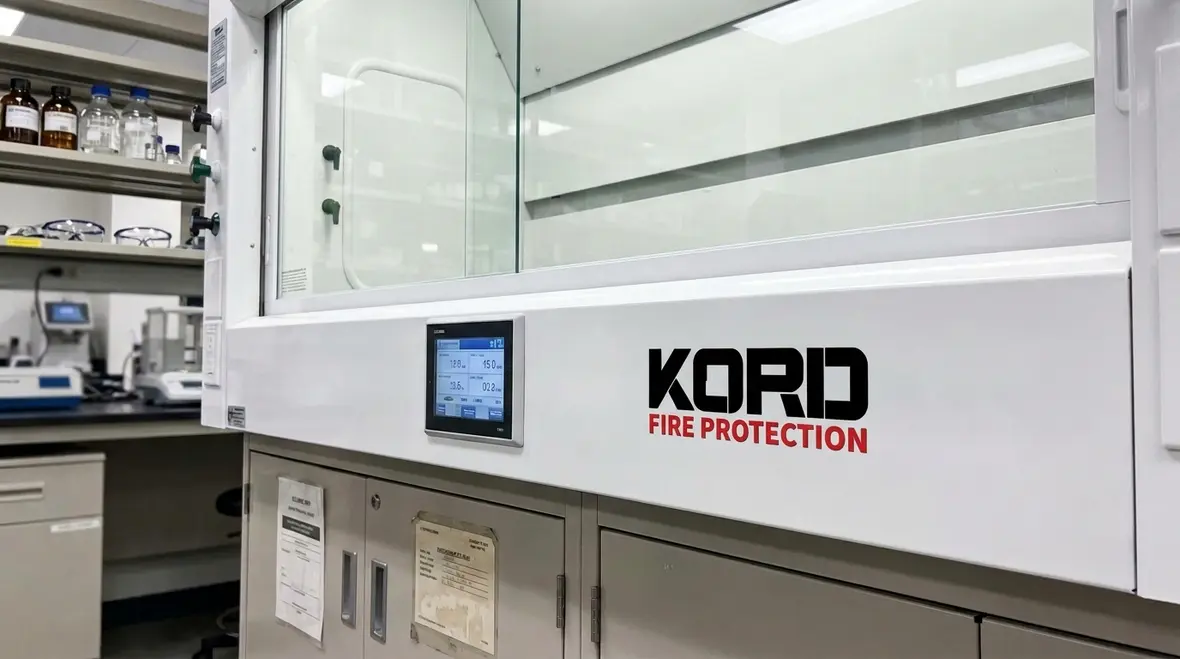
NFPA 45 Section 7.13: Identification of Chemical Fume Hood Systems
Quick Answer
NFPA 45 Section 7.13 requires clear identification of chemical fume hood systems so facilities, maintenance teams, and emergency responders can determine the correct equipment, limitations, and operating expectations. Proper NFPA 45 fume hood system identification supports inspection readiness, safe use, and consistent maintenance across shifts and contractors.
Why “Identification” Matters More Than Many Facilities Think
Chemical fume hoods function as engineered ventilation controls. When hoods are not identified correctly, facilities face delayed responses during alarms, ineffective troubleshooting during performance issues, and recurring nonconformities during inspections. NFPA 45 Section 7.13 focuses on making the hood system recognizable and traceable, not merely “labeled.”
In real commercial environments, the same problem shows up repeatedly:
- Multiple hood types exist across laboratories, production areas, and maintenance shops.
- Renovations and equipment swaps change configurations without updating documentation and labels.
- Contractors replace components but leave outdated identification in place.
- Emergency procedures cannot rapidly match a damaged hood to the correct control train, exhaust fan, or containment strategy.
From a compliance standpoint, NFPA 45 fume hood system identification acts as the foundation for verification and ongoing performance management. From an operational standpoint, it reduces risk during routine work, maintenance, and incident response.
Commercial facilities often strengthen compliance outcomes by pairing NFPA 45 requirements with a disciplined maintenance workflow. Near the top of that process, many teams benefit from a broader service structure, which makes fire protection services in Southern California a natural next step when inspection readiness, documentation control, and ongoing verification all need to stay aligned. ([kordfire.com](https://kordfire.com/fire-protection-services-southern-california/?utm_source=openai))
What NFPA 45 Section 7.13 Requires for Fume Hood System Identification
NFPA 45 Section 7.13 addresses the identification of chemical fume hood systems. The core goal is that each fume hood system can be positively identified as part of the facility’s ventilation and safety control approach. This includes matching the physical hood system to the correct system documentation and operational context.
In practice, facilities should treat identification as a complete set of cues, not a single tag. Effective identification typically covers:
- System-level identification that ties the hood to its ventilation system or exhaust arrangement.
- Hood-level identification so users can quickly confirm which hood they are using.
- Consistency with as built and maintenance records so test reports and inspection findings remain traceable.
- Durability and legibility so labels survive routine cleaning, exposure to harsh environments, and maintenance activity.
Facilities that fail to integrate NFPA 45 fume hood system identification into their maintenance management process often discover gaps during performance verification. The hood may pass airflow checks but still generate a compliance finding due to mismatched numbering, missing references, or incomplete system traceability.
Where Identification Must Show Up: The Real-World Inspection View
Inspectors do not only evaluate labels. They evaluate whether identification supports the overall system intent. A common failure point is when identification exists on paper but not in the field, or when the field labels reflect legacy equipment.
On the hood and at points of use
Identification should allow users and technicians to confirm they are working with the correct chemical fume hood system. In commercial and industrial settings, identification must remain practical under shift change, cleaning schedules, and multi contractor work.
- Hood face or designated label area remains visible during normal use.
- Hood identifiers align with station numbers used in test documentation and deficiency tracking.
- Signs and operating references support safe hood use without guesswork.
At supporting equipment and system interfaces
Identification should extend to the ventilation system interfaces that determine performance. When a hood problem occurs, technicians need immediate system-level traceability to the associated exhaust equipment and controls.
- Exhaust fan and control components should reflect the correct hood system association.
- Isolation, damper locations, and control points should match documentation.
- Where controls support multiple hoods, the mapping must be unambiguous.
Facilities that use a mixed fleet of hoods and exhaust configurations should implement a standardized labeling scheme across all areas, especially in retail and commercial service settings that add new workspaces over time.
How Identification Connects to Operational Safety and Performance Verification
NFPA 45 fume hood system identification supports more than compliance paperwork. It improves the effectiveness of performance checks, maintenance, and incident mitigation.
Maintenance workflows become faster and more accurate
When technicians can immediately match a hood to the correct system components, the facility reduces downtime and troubleshooting errors. Identification helps ensure maintenance activities align with the correct scope, replacement parts, and control settings.
Incident response and abnormal condition handling improve
During an alarm, a filter loading issue, or a mechanical failure, emergency teams need quick system context. Clear identification reduces the time required to confirm which hood system is affected and which associated exhaust equipment should be evaluated.
Testing and documentation remain reliable after changes
Commercial facilities often modify layouts and replace components. Identification must keep pace with those changes so test results and corrective actions stay tied to the correct equipment. Without that discipline, facilities risk recurring nonconformities and extended rework.
For organizations looking to strengthen their broader compliance posture, Kord Fire Protection supports inspection readiness and maintenance best practices for commercial facilities where ventilation, fire life safety, and hazardous operations intersect. Kord Fire describes its approach as code-compliant inspections, routine testing, and preventive maintenance built to keep buildings inspection-ready. ([kordfire.com](https://kordfire.com/?utm_source=openai))
Common NFPA 45 Identification Gaps and How Facilities Fix Them
Most identification failures fall into predictable categories. Addressing these issues early reduces reinspection risk and improves day to day operational confidence.
Mismatch between labels, drawings, and test reports
Facilities sometimes update one of the following and forget the others:
- As built drawings
- Equipment tags on the hood or exhaust components
- Inspection test report references
- Preventive maintenance schedules
Fix: Implement a controlled change process that updates identification and documentation simultaneously, including contractor closeout requirements.
Labels that degrade or become illegible
Harsh cleaning chemicals, moisture, and frequent contact can damage labels. When labels fade or peel, identification effectively disappears.
Fix: Use label materials designed for the hood environment and confirm legibility during routine rounds and periodic inspections.
Incomplete mapping for multi hood exhaust arrangements
When one exhaust system serves multiple hoods, identification must clarify the mapping so technicians can isolate the correct hood system components during service.
Fix: Provide clear, location specific system mapping at the hood and at the control interface, backed by updated documentation.
If a facility wants consistent results across multiple locations, Kord Fire Protection can support ongoing compliance planning, maintenance coordination, and verification readiness through repeatable documentation and field inspection support. Kord Fire’s service model emphasizes helping property managers, facility teams, contractors, and owners move from uncertainty to a clear service plan. ([kordfire.com](https://kordfire.com/fire-protection-services-southern-california/?utm_source=openai))
How to Build a Field Ready NFPA 45 Fume Hood System Identification Program
A strong identification program makes compliance easier every day, not just at inspection time. Facilities typically succeed by combining the right technical details with operational controls.
Step 1: Standardize identifiers across the entire facility
- Create a single identification scheme used on hoods, exhaust components, and records.
- Ensure the scheme supports expansion without creating duplicate identifiers.
- Use a format that is readable by technicians under time pressure.
Step 2: Tie identification to the maintenance management system
- Link hood identifiers to PM schedules and service work orders.
- Ensure test reports reference the same identifiers used on the hood and controls.
- Require updates as part of contractor closeout for any hood, fan, damper, or control changes.
Step 3: Validate identification during periodic inspections
- Include a quick field verification step in routine rounds.
- Confirm label legibility and correct system mapping.
- Verify that identification remains accurate after any work order completion.
For organizations that want a partner to align field verification with document control and ongoing compliance, Kord Fire Protection provides commercial service support that helps keep ventilation related life safety expectations on track.
Related resource: For additional guidance on life safety and safety system documentation practices that support ongoing compliance, see Kord Fire Protection. ([kordfire.com](https://kordfire.com/?utm_source=openai))
Frequently Asked Questions
Conclusion and Call to Action
NFPA 45 Section 7.13 makes identification a safety and compliance control, not an administrative detail. Facilities that standardize identifiers, validate field traceability, and control change updates reduce inspection risk and improve maintenance response times. Kord Fire Protection helps commercial and industrial facilities maintain inspection readiness through practical verification and ongoing support. Contact Kord Fire Protection to review your current fume hood system identification approach and close common gaps before they become repeat findings.

Join Our Newsletter!
Get the latest fire safety tips delivered straight to your inbox From our Newsletter.



