
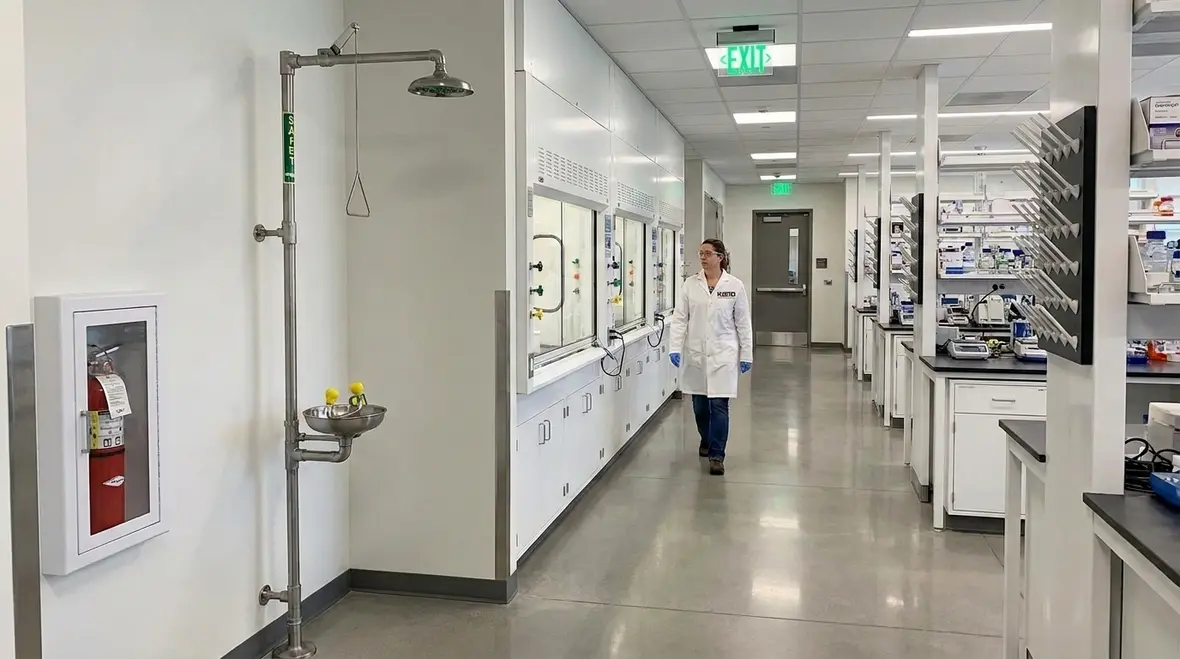
NFPA 45 Section 5.2: Life Safety Requirements for Laboratory Units
Quick Answer
NFPA 45 Section 5.2 sets life safety requirements specifically for laboratory units, focusing on protecting occupants during normal operations and emergencies. It emphasizes safe egress, construction and protection measures, operational controls, and maintenance expectations. Facility teams should plan, verify, and document compliance continuously.
NFPA 45 laboratory unit life safety requirements apply to how laboratories are built, operated, and maintained so that occupants can reach safety during a fire or related emergency. In commercial, industrial, and retail facilities, these requirements intersect with general life safety systems, hazardous operations controls, and ongoing inspection routines that many organizations struggle to sustain across multiple tenants or remodeling cycles.
For a broader compliance framework, Kord Fire’s fire safety inspections and preventive maintenance services fit naturally into the ongoing verification laboratory environments demand.
What NFPA 45 Section 5.2 is designed to accomplish
NFPA 45 Section 5.2 focuses on life safety for laboratory environments, where ignition sources, fuel loading, and occupant risk can differ from standard office or general industrial occupancies. Laboratories often include specialized equipment, volatile materials, localized ventilation systems, and changing workflows that affect both fire behavior and evacuation outcomes.
From a compliance standpoint, Section 5.2 expects the facility to provide not only engineered protection, but also operational reliability. That means the life safety features must be accessible, maintained, tested, and managed in a way that supports safe egress and occupant protection when a fire or similar event occurs.
How NFPA 45 laboratory unit life safety requirements affect egress and occupant protection
In many commercial facility audits, the largest risk driver is not the presence of a system, but the failure of systems and space arrangements to remain “as intended” over time. NFPA 45 laboratory unit life safety requirements require that laboratory units maintain safe, dependable pathways for evacuation and that hazards do not compromise those pathways.
Common egress problem points in laboratory builds
Blocked or partially obstructed exits: Storage of lab supplies, carts, or temporary barriers can reduce usable egress width or impede door operation.
Door hardware and self closing reliability: Mag locks, delayed egress setups, or malfunctioning closers can prevent proper door release or full closure.
Changes in lab layout: Tenant improvements can alter travel paths, create dead ends, or shift risk locations without updating life safety documentation.
Operational controls during emergencies
Laboratory operations may require rapid shutdown of equipment or ventilation modes. Facility teams must ensure that alarm actions, shutdown procedures, and occupant instructions align with the life safety strategy for the laboratory unit. When these actions do not occur reliably, occupants can experience delayed evacuation or confusion during an emergency.
Protection features and construction considerations for lab units
Laboratories often contain penetrations, interstitial spaces, and specialized equipment that can create pathways for fire and smoke movement. NFPA 45 Section 5.2 ties life safety to the overall building fire strategy, requiring that laboratory unit hazards remain controlled and that compartmentation and protection measures continue to function as designed.
Where failures typically show up during inspections
Improperly sealed or altered penetrations: Cable trays, service lines, and ductwork modifications can break fire stopping continuity.
Inadequate maintenance of fire and smoke barrier integrity: Wall repairs or rerouting of services often occur without verifying barrier performance.
Unsuitable storage near openings and exit access: Materials placed near protected openings can defeat the intent of barrier protection and smoke control.
Commercial facilities should treat construction and maintenance records as part of life safety compliance. When renovations or equipment replacements occur, the facility should validate that barrier integrity, access paths, and protection devices remain within the basis of design.
Detection, alarms, and emergency response readiness in laboratory spaces
Life safety performance depends on early warning, intelligible notification, and reliable emergency actions. While NFPA 45 addresses laboratory-specific life safety considerations, these are typically coordinated with the facility’s broader alarm and emergency planning approach.
Inspection and functional testing realities
In practice, laboratory environments introduce unique challenges for detection and alarm reliability, including maintenance access constraints and process changes that affect sensor placement and response. Common issues include:
Detector drift and contamination: Dust, aerosols, and process residues can affect sensitivity if cleaning and calibration schedules are not enforced.
Annunciation confusion: Alarm signals that do not clearly identify the zone or the occupant actions required can slow evacuation.
Delayed or incomplete emergency actions: Outdated emergency operating procedures or untrained staff can result in inconsistent response.
Kord Fire Protection helps organizations keep laboratory life safety systems functional through programmatic inspection, testing, and documentation support that aligns with commercial inspection expectations. This includes reviewing operational outcomes, verifying device performance, and coordinating the maintenance actions required to sustain compliance over time.
If your facility’s readiness depends heavily on alarm performance, Kord Fire’s Southern California fire alarm services page is a useful companion for understanding how inspections, testing, maintenance, and monitoring work together.
Maintenance, documentation, and tenant change management
Laboratory environments change frequently due to equipment upgrades, rack reconfigurations, and workflow adjustments. NFPA 45 Section 5.2 expectations effectively extend into maintenance and change management because life safety outcomes depend on the current condition of the laboratory unit, not the condition at the time of initial installation.
What strong compliance programs do differently
Standardized inspection intervals: Align alarm, egress, and protective device testing with manufacturer requirements and the facility’s inspection program.
Clear ownership for lab areas: Define who inspects lab equipment areas that affect exits, penetrations, and barrier conditions.
Renovation verification checklists: Require post modification life safety verification for barrier integrity, access pathways, and device operational checks.
Training and drills: Conduct emergency response training that reflects actual laboratory workflows and shutdown sequences.
For facility teams looking for a practical framework for fire protection services, Kord Fire Protection can support ongoing compliance through inspection planning, testing documentation, and maintenance coordination. If your program requires a broader compliance lens, review additional guidance through resources like fire safety inspections to strengthen how your organization schedules and verifies life safety performance.
Frequently Asked Questions
Conclusion and call to action
NFPA 45 laboratory unit life safety requirements require more than design intent. They demand verified egress pathways, reliable detection and notification, intact protection features, and disciplined maintenance supported by documented change management. Facility owners and safety managers should conduct a structured readiness review now, then implement ongoing testing and verification to sustain compliance. Contact Kord Fire Protection to assess your laboratory units, close common audit findings, and keep life safety systems operating as intended.

Join Our Newsletter!
Get the latest fire safety tips delivered straight to your inbox From our Newsletter.



