NFPA 45 Section 5.1: Laboratory Unit Enclosure Requirements
Quick Answer: NFPA 45 Section 5.1 sets the baseline fire protection and containment expectations for laboratory unit enclosures. It focuses on how enclosures are built, operated, and maintained to control ignition, protect occupants, and limit fire and smoke spread during hazardous laboratory activities.
Why NFPA 45 Section 5.1 governs laboratory unit enclosures
Laboratory environments combine energized equipment, stored chemicals, heat sources, and frequent process changes. That combination increases the probability that a small ignition source becomes a localized fire with rapid smoke and heat development. NFPA 45 laboratory unit enclosure requirements address that risk by requiring enclosures to function as a practical barrier under the specific conditions found in laboratory operations, not as an afterthought added during commissioning.
In commercial, industrial, and retail facilities that host laboratories, the biggest compliance challenges typically involve maintaining enclosure integrity after renovations, adding equipment that alters airflow or access points, and failing to treat enclosure inspections as a recurring program. Kord Fire Protection supports owners and facility managers with documentation, inspection readiness, and ongoing maintenance coordination so the enclosure performance remains credible over time.
For teams building a broader inspection strategy, Kord Fire’s fire protection services in Southern California page is a practical starting point for coordinating compliance support, maintenance planning, and system documentation.
What “laboratory unit enclosure” means in real facility terms
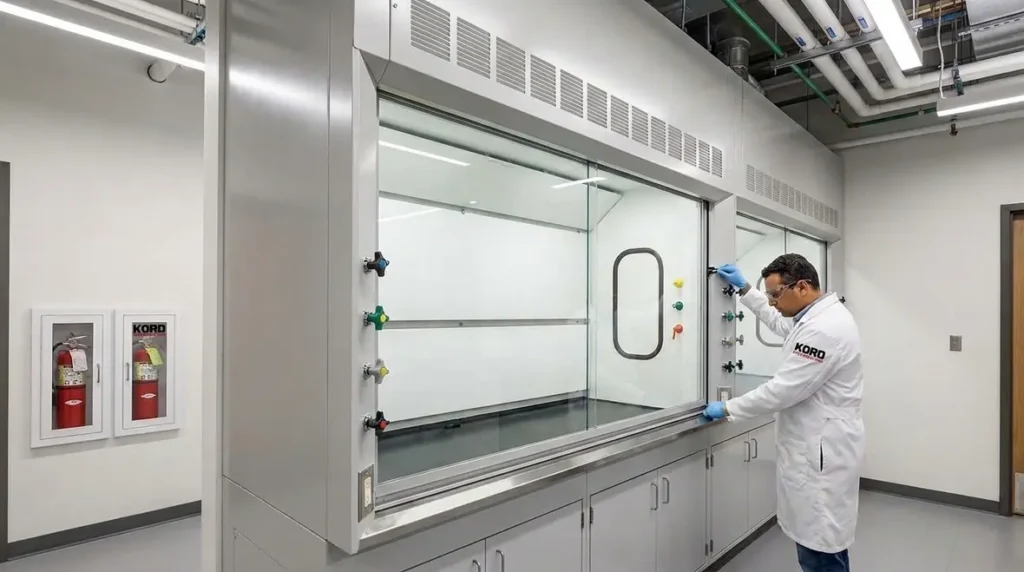
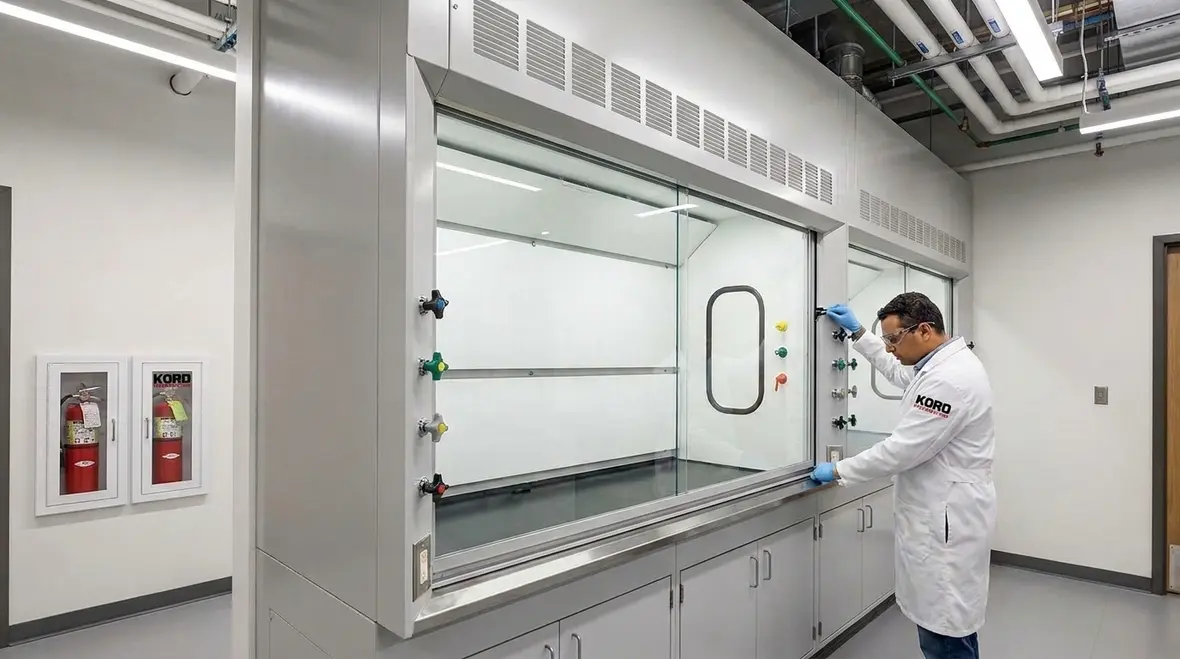
In practice, a laboratory unit enclosure is any containment boundary intended to keep hazardous conditions from escaping the laboratory workstation or unit configuration. Depending on the laboratory’s design and the hazards present, enclosures may include dedicated spaces, ventilated housings, and barrier systems around equipment that can generate ignition sources, combustible residues, or flammable vapors.
Because laboratory layouts frequently change, facility teams should treat the enclosure as an engineered system rather than a fixed wall. That means tracking how the enclosure interfaces with utilities, airflow paths, door hardware, penetrations, and interlocks. When enclosures are not managed as systems, inspection findings often emerge after “small” operational changes such as cable additions, filter changes, or new bench-top equipment.
Core compliance expectations behind NFPA 45 Section 5.1
NFPA 45 Section 5.1 laboratory unit enclosure requirements focus on ensuring the enclosure performs its protective function reliably. While specific construction details depend on the laboratory configuration, the compliance intent remains consistent: the enclosure must limit the potential for fire and smoke migration beyond the intended boundary.
Facility teams typically implement the following controls to align with Section 5.1 expectations:
- Controlled access and maintained closure performance: Doors, panels, and barriers must remain capable of closing and resisting damage appropriate to the hazards and use.
- Penetration management: Openings for wiring, piping, and service lines must be sealed and protected to preserve the enclosure’s barrier function and prevent smoke leakage.
- Ventilation and pressure control coordination: Any exhaust or ducted systems associated with enclosure operation must support the intended containment outcome and remain in proper operating condition.
- Operational integrity of the enclosure mechanism: Enclosure components must function as designed during normal and abnormal conditions, including power interruptions or changes to process operation where applicable.
- Documentation and inspection readiness: Owners must keep drawings, inspection records, and change logs that demonstrate the enclosure remains compliant after modifications.
These expectations become particularly important during facility turnover, tenant improvements, and equipment swaps, when enclosures are frequently adjusted but the compliance basis is not updated.
Common failure points inspectors look for during enclosure evaluations
Enclosure compliance failures usually fall into a predictable set of patterns. Anticipating these issues reduces downtime and avoids rework during inspection windows.
1) Unauthorized openings and degraded sealing
After commissioning, maintenance teams may add or reroute cables, tubing, or sensors without restoring original fire and smoke sealing. Even small gaps can create measurable leakage paths, undermining the enclosure’s intended performance during a fire or smoldering event.
2) Door, panel, and closure device problems
Closures that fail to latch, doors that do not fully swing or seat, and damaged gaskets can all compromise the barrier function. In labs, frequent access and process changes can lead to wear, misalignment, or repeated “temporary” adjustments that remain in place.
3) Ventilation changes that alter enclosure behavior
Laboratory enclosures often rely on controlled exhaust and airflow patterns. Modifications to duct routing, filter type, fan speed, dampers, or duct penetration details can change the smoke and heat movement that the enclosure intends to limit. That is why the enclosure should be evaluated as part of the overall laboratory ventilation strategy.
4) Untracked modifications after renovations
Commercial and industrial facilities typically support multiple tenants or departments, which creates frequent renovation triggers. Without a structured change management process, updated equipment loads and service penetrations may not be documented, making it difficult to demonstrate ongoing compliance.
How to run an enclosure inspection and maintenance program that holds up
A credible NFPA 45 laboratory unit enclosure requirements program depends on operational readiness, not a one-time checklist. The most effective approach aligns inspection tasks with the way labs actually operate between shutdowns and maintenance cycles.
Recommended operational checks
- Barrier integrity walkdowns: Verify walls, panels, doors, and closures remain intact and properly seated.
- Penetration seal verification: Inspect cable trays, conduit penetrations, pipe sleeves, and retrofit openings for deterioration, missing materials, or incomplete sealing.
- Hardware function checks: Confirm latching, alignment, hinges, and any closure mechanisms operate as designed.
- Ventilation interface verification: Confirm that associated fans, dampers, and duct connections remain in their intended state, including filter maintenance and proper system configuration.
- Documentation audit: Match as-built conditions with drawings and enclosure configuration records.
Commercial maintenance best practices
In retail and industrial settings, maintenance teams often coordinate across multiple vendors. Kord Fire Protection helps standardize how enclosure related work requests are reviewed so repairs, upgrades, and cable routing do not silently compromise fire and smoke performance.
For an additional resource on how inspection and protection services integrate with commercial fire safety planning, reference Kord Fire Protection.
Tenant improvements, equipment swaps, and change management
Laboratories rarely remain static. Furniture changes, new instrumentation, added exhaust requirements, and new process materials can all affect enclosure performance. NFPA 45 laboratory unit enclosure requirements should be treated as a baseline that triggers review whenever the enclosure boundary or its interfaces change.
A strong change management workflow includes:
- Prework review: Evaluate whether proposed work affects barrier construction, penetrations, airflow, or access points.
- Verification of restored integrity: Confirm any opened areas are repaired using approved sealing and protective methods consistent with the original enclosure intent.
- Postwork inspection: Document that closures, penetrations, and interfaces return to a functional and compliant condition.
- Update compliance records: Maintain updated drawings and inspection evidence so future evaluations reflect actual site conditions.
Facilities that implement this workflow typically see fewer inspection surprises and reduced downtime during operational expansions.
Frequently Asked Questions
Next step: confirm your enclosure compliance program
To keep NFPA 45 laboratory unit enclosure requirements aligned with how your laboratories actually operate, schedule a compliance focused review and inspection planning session with Kord Fire Protection. Kord can help you identify enclosure vulnerability points, standardize maintenance and documentation, and support ongoing testing readiness so inspections focus on verification, not remediation.

Join Our Newsletter!
Get the latest fire safety tips delivered straight to your inbox From our Newsletter.