
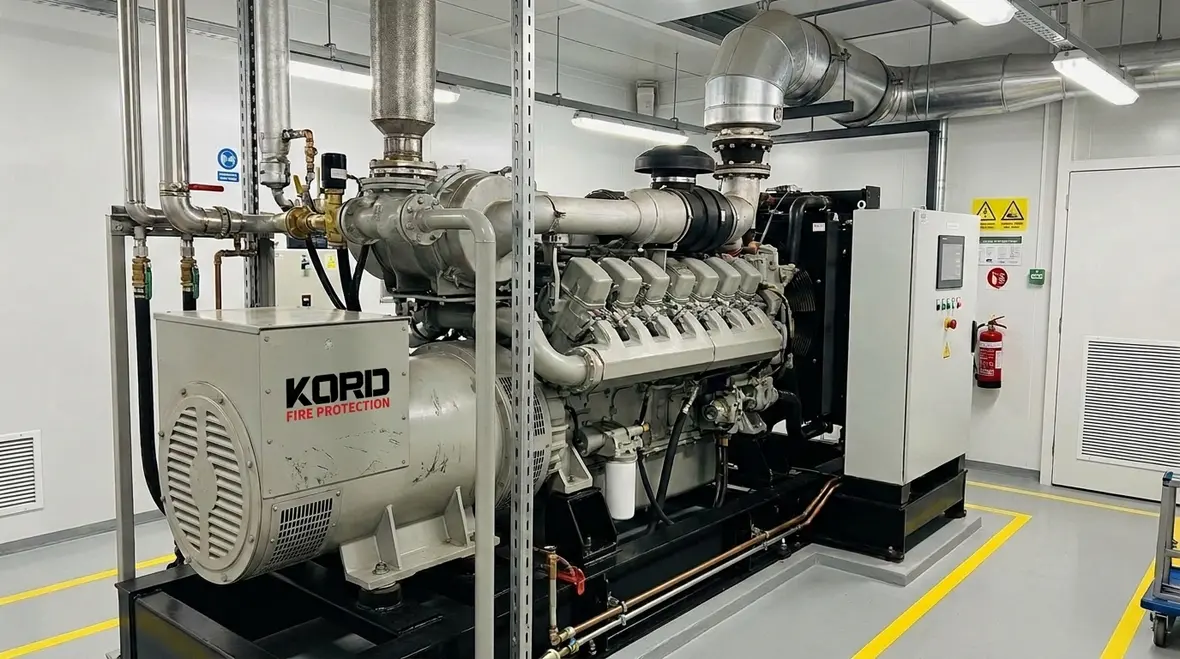
NFPA 37 Section 1.3 Application: Which Engines and Installations Are Covered
Quick Answer: NFPA 37 Section 1.3 specifies which engine driven systems and related installations fall under the standard. Coverage hinges on engine type, configuration, fuel or energy source, and how the equipment is installed and operated. Facilities must verify their system scope against the stated applicability limits.
For facilities building out inspection readiness around engine driven equipment, it can help to pair this scope review with broader fire protection services in Southern California so testing, documentation, and corrections stay aligned across related systems.
What NFPA 37 Section 1.3 Sets Out to Cover
NFPA 37 Section 1.3 establishes the scope and application rules that determine whether a given engine driven fire and explosion hazard scenario falls under the standard. In practical terms, this section helps facility teams avoid two common errors: treating every engine room system as “automatic compliance” and assuming exemptions apply without confirming the exact installation details.
In the language of NFPA 37 application covered engines and installations, applicability typically depends on the engine’s purpose, the hazardous conditions created by the installation, and the way energy transfer occurs in the operating environment. Commercial, industrial, and retail facilities with critical engine based equipment must confirm that their assets match the triggers described in Section 1.3 before building inspection routines around NFPA 37 expectations.
Which Systems Typically Fall Under NFPA 37 Scope
Section 1.3 focuses attention on engine driven equipment and the associated installations where fire and explosion hazards can be created by the engine’s operation, fuel system interfaces, or the way components are arranged within the space. While exact coverage can require cross referencing with the remainder of NFPA 37, facility owners usually determine scope by mapping their asset list against the engine categories and hazard drivers referenced in the application language.
Common coverage drivers facility teams should verify
- Engine type and intended service: Whether the engine powers equipment that can generate ignition sources, heat release, or hazardous exhaust conditions within the installation area.
- Fuel or energy source characteristics: The hazard profile associated with the fuel system, storage method, piping arrangement, and transfer interfaces.
- Installation configuration: Engine room layout, ventilation approach, separation distances, and how components are mounted and protected.
- Operational mode: Continuous duty, emergency standby, prime power, or intermittent operation, which affects inspection intervals and risk management planning.
Commercial facilities often discover that the “engine” alone is not the whole compliance story. NFPA 37 expectations can extend to related installations such as fuel piping, power takeoff arrangements, air handling interfaces, and protection features that support safe engine operation.
Key Compliance Boundaries: Where Teams Commonly Misinterpret Section 1.3
Misinterpretation usually occurs when a facility treats Section 1.3 as a simple yes or no label rather than a scope definition requiring asset specific validation. The failure mode is predictable: documentation exists for maintenance, but the facility lacks a documented mapping from the actual installation to the applicability criteria in Section 1.3.
Typical issues that lead to audit findings
- Assuming all engine rooms are covered: Some installations fall outside the standard based on configuration or hazard thresholds. Treating everything the same can produce wasted effort or, worse, missed requirements when the standard does apply.
- Ignoring secondary ignition sources: Exhaust routing, air intake locations, and electrical interfaces can affect hazard classification even when the engine model itself appears similar to covered equipment.
- Overlooking modifications: Engine replacements, fuel system upgrades, exhaust changes, or control panel relocations can change the hazard picture. A prior compliance basis may no longer reflect the current installation.
- Incomplete inspection records: NFPA 37 application often drives inspection and impairment tracking. If maintenance logs do not prove the applicable requirements were implemented, enforcement becomes difficult.
For facilities with multiple sites, the most effective approach is a scope assessment performed at the asset inventory level, not at the building level. Kord Fire Protection supports this approach by helping commercial teams build practical, facility specific compliance frameworks that align inspections, documentation, and impairments with what the installation actually presents.
Practical Inspection and Maintenance Implications for Covered Engines
Once Section 1.3 indicates the installation is within NFPA 37 scope, the facility should treat compliance as an ongoing operational program rather than a one time inspection exercise. Covered engines and installations typically require a disciplined maintenance rhythm that ensures fire and explosion hazard controls remain effective.
Operational procedure controls facilities should implement
- Pre operation checks: Confirm no abnormal fuel leaks, abnormal exhaust conditions, or ventilation impairments before operation resumes.
- Fuel system integrity verification: Ensure piping, connections, filters, and transfer equipment remain leak free and properly supported.
- Inspection of protective features: Validate that protective devices and engineered safeguards remain unobstructed and in service condition.
- Housekeeping and compartment condition: Establish routines that prevent accumulation of combustible residues around engine areas and related equipment interfaces.
Common failure points in covered installations include overlooked seepage at fittings, degradation of gaskets under vibration, exhaust heat impacts near adjacent combustibles, and ventilation changes caused by construction or equipment relocation. These issues do not always trigger immediate shutdown, so the inspection program must catch them early.
To support commercial facility standards, Kord Fire Protection provides ongoing testing and maintenance coordination, helping owners maintain defensible documentation that shows continued safe operation of covered systems. When impairments occur, a controlled process for status changes, approvals, and follow up inspections reduces the risk of gaps in coverage during the work.
How to Confirm Your Asset List Matches “NFPA 37 application covered engines and installations”
A reliable confirmation process reduces rework and accelerates audit readiness. Facilities can streamline the scope check by building a structured inventory and then validating it against the Section 1.3 applicability criteria.
Step by step scope mapping process
- Build an engine inventory: Record engine make, model, rated service, location, operating mode, and fuel or power source details.
- Capture installation details: Document room configuration, ventilation method, fuel routing paths, exhaust routing, and any relevant interfaces with electrical equipment or controls.
- Log modifications: Include dates and descriptions for replacements, exhaust changes, piping upgrades, control panel changes, or building renovations that may affect hazard conditions.
- Perform the Section 1.3 scope determination: Use the installation specific attributes to decide whether the standard applies to each engine and its installation configuration.
- Translate scope into inspection tasks: Align procedures, frequency, and recordkeeping to the requirements that follow from applicability.
If a facility wants a practical technical walkthrough on inspection readiness for commercial life safety systems and related impairment planning, Kord Fire Protection can support site reviews and compliance program development. For additional operational fire protection guidance, see Kord Fire Protection.
Teams that want a more focused read on pump related maintenance workflows can also explore proactive maintenance for fire pump system reliability, especially when engine driven equipment scope decisions connect to broader mechanical room inspection planning.
Frequently Asked Questions
Conclusion and Call to Action
NFPA 37 Section 1.3 application decisions should not be guessed. Facilities should confirm which engines and installations fall under the standard by validating engine type, fuel or energy characteristics, and installation configuration, then translating that scope into a documented inspection and maintenance program. If your commercial site needs a defensible scope mapping, inspection alignment, or ongoing testing support, contact Kord Fire Protection to strengthen compliance readiness and reduce operational risk.

Join Our Newsletter!
Get the latest fire safety tips delivered straight to your inbox From our Newsletter.



