
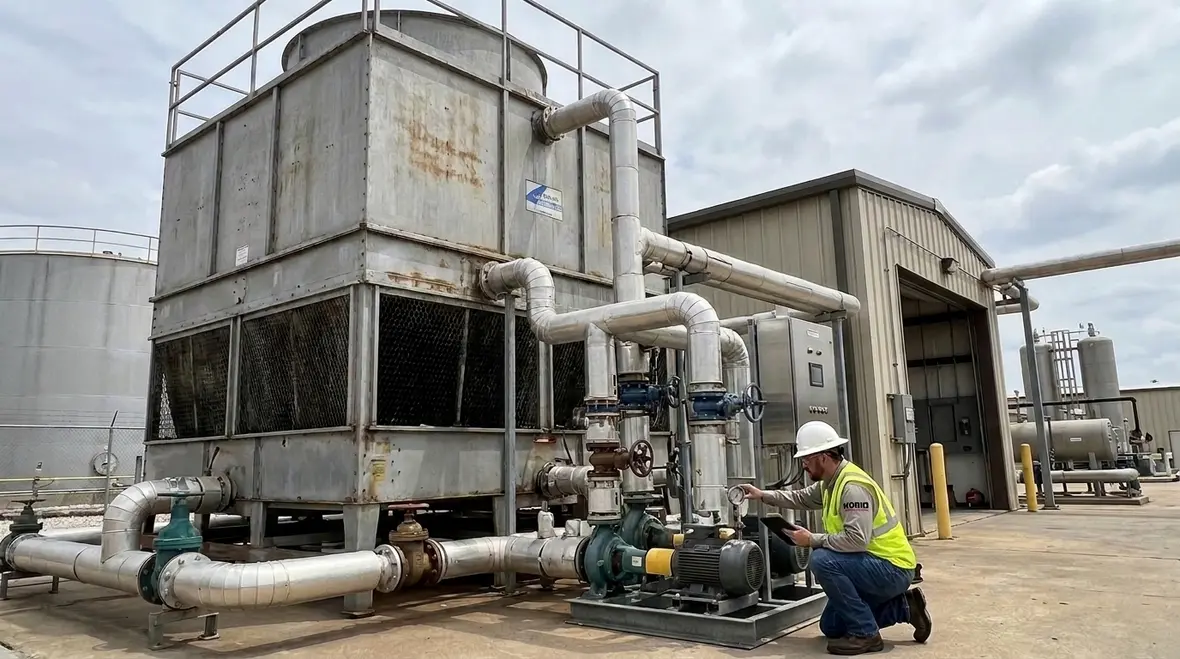
NFPA 36 Section 7.6 Cooling Towers for the Extraction Process: What Must Be Controlled
Quick Answer
NFPA 36 Section 7.6 focuses on keeping extraction process cooling operations safe and controllable. It addresses cooling tower design, installation, operation, and maintenance duties that prevent unacceptable hazards such as ignition, contamination, and escalation through process systems. Compliance depends on proper controls and documented inspection practices.
If you are tightening documentation around tower-connected protection systems, it can help to review the full lifecycle of fire protection servicing early so compliance work does not get stuck between inspections, maintenance, and corrective actions.
Why NFPA 36 cooling tower extraction requirements matter to commercial operations
Cooling towers often look like “facility utilities,” but when they support an extraction process, they can become part of the hazard chain. NFPA 36 cooling tower extraction requirements tie tower performance to extraction safety, especially where chemicals, flammables, aerosols, heat transfer media, and contaminated water can create additional risk. This is a common compliance pain point for commercial, industrial, and retail facilities that maintain shared utility plants, service multiple production suites, or rely on vendors who do not manage fire and process-integrated safety documentation.
From a fire safety perspective, the tower is not just a heat rejection device. It can influence ignition potential, vapor or aerosol carryover, exposure to process vapors, water quality that affects corrosion or fouling, and the reliability of safety controls that protect downstream equipment.
What Section 7.6 requires from the cooling tower system (the operational intent)
NFPA 36 Section 7.6 uses performance and hazard-based intent. The goal is to prevent conditions that allow fire spread, unsafe release, or process contamination to progress through the cooling system. In practical terms, compliance often requires facilities to demonstrate that:
- The cooling tower supports safe extraction operation under normal and upset conditions.
- The tower system does not introduce ignition sources or pathways that can amplify an event.
- Any controls, alarms, interlocks, and shutdown actions are maintained in a dependable operating state.
- Inspection and maintenance activities address common failure modes that degrade safety over time.
Because Section 7.6 is used in conjunction with other NFPA 36 provisions and the broader process safety approach, many inspections focus less on “paper compliance” and more on whether the tower is configured and operated to reliably control hazards that could affect extraction equipment.
Key compliance focus areas for extraction-linked cooling towers
1) Containment and segregation of process-related fluids
Facilities must control how extraction process fluids connect to, or can contaminate, cooling water pathways. Even when a heat exchanger separates systems, failures such as leaks, gasket degradation, or corrosion can create a route for process materials to enter cooling water.
Commercial operators typically struggle with this requirement because tower systems evolve. After equipment substitutions, pump seal changes, or contractor “quick fixes,” segregation can degrade without clear engineering documentation. Kord Fire Protection teams often find that the most effective compliance programs track the as-built piping sequence, cross connections, and known leak points, then align inspection intervals to those risks.
2) Aerosol, drift, and carryover control
Cooling towers generate water droplets that can become aerosolized. Where an extraction process produces volatile or reactive materials, drift and carryover can increase exposure, contamination, and fire related consequences.
Compliance inspections commonly evaluate drift eliminators, fan operation, water management, and conditions that increase plume formation. Drift eliminator damage, incorrect fan speed settings, or poor water chemistry can raise the likelihood that unwanted aerosols travel beyond the intended boundary.
3) Heat transfer reliability and fouling management
Fouling reduces heat transfer efficiency and can drive tower and extraction process temperatures into non intended ranges. Elevated temperatures can accelerate corrosion, change chemical behavior, and increase the chance that protective systems act later than expected. Over time, scale and biofouling can also alter water flow patterns through the tower.
A sustainable compliance approach uses planned water treatment review, measurable performance targets, and documented cleaning schedules. The most common operational failure point is maintenance that reacts to symptoms instead of controlling fouling risk in advance.
4) Corrosion control and material integrity
Cooling towers operate in wet, oxygenated environments that drive corrosion. Corrosion damages can create leaks, reduce structural integrity, and degrade seals. In extraction linked applications, leaks can translate into process contamination that increases hazard severity.
Practical compliance means corrosion inspections aligned to operating conditions, not generic calendar schedules. Facilities often need a tighter maintenance feedback loop that includes internal inspection results, water chemistry trending, and replacement criteria for high risk components such as fill sections, basins, gaskets, and pump seals.
5) Controls, shutdown sequencing, and alarm response
NFPA 36’s intent extends to making sure that when abnormal conditions occur, the system can respond safely. That typically includes reliable operation of pumps, valves, monitoring, alarms, and shutdown or isolation sequences that protect extraction processes.
Field issues frequently include interlock bypassing, alarm setpoints that drift out of calibration, or controls installed without updating commissioning documentation after equipment changes. Kord Fire Protection supports commercial facilities by reviewing how protection and control features are maintained and by aligning inspection documentation with what inspectors and insurers expect to see.
Inspection and maintenance practices that demonstrate true compliance
NFPA 36 compliance with cooling towers for extraction processes depends on repeatable inspection and maintenance. Facilities should treat the tower system as a safety critical utility when it interfaces with extraction hazards.
Common inspection items auditors focus on
- Evidence of functional integrity for drift control components, fans, and airflow paths.
- Verification of water management practices, including chemistry controls and blowdown logic.
- Assessment of leak indicators, seal condition, and signs of cross contamination risk.
- Review of shutdown and isolation performance, including control testing records.
- Documentation that cleaning, sampling, and component replacement schedules stay current with actual operating data.
Maintenance that reduces recurring failure points
Commercial sites often experience the same recurring tower failures: degraded drift eliminators, clogged strainers, inconsistent chemical dosing, and corrosion driven leaks. A mature program standardizes response actions and escalates when trending metrics show drift toward unsafe conditions.
Kord Fire Protection can help facilities coordinate fire safety documentation and risk based inspection results with ongoing tower maintenance, so compliance remains consistent across contractors and service cycles.
How to operationalize NFPA 36 cooling tower extraction requirements in real facilities
Successful compliance programs connect engineering intent to daily operations. Facilities should implement a practical workflow that includes:
- As built validation: confirm piping connections, isolation points, and heat exchanger separation details that affect contamination risk.
- Risk mapping: identify where leaks or drift would matter most for the extraction process equipment protected by the cooling system.
- Defined inspection checkpoints: align visual checks and functional tests to the failure modes that drive hazards.
- Maintenance documentation discipline: track component replacements, water treatment adjustments, and control changes with dates and performance evidence.
- Training and handoff: ensure operations staff and vendors understand which tower states are acceptable for extraction support.
For many facilities, the hardest part is not understanding the requirements. The hardest part is sustaining control across shift changes, seasonal operations, and multiple vendors. Kord Fire Protection supports commercial owners and operators by helping maintain clear, inspection-ready records and by integrating safety verification into practical service routines.
If your team is also reviewing tower protection from the sprinkler side, Kord Fire’s guide to NFPA 13 water cooling tower sprinkler system requirements is a natural companion read.
Common compliance gaps seen during reviews
Even well managed facilities can miss details that matter under NFPA 36 Section 7.6. The most frequent gaps include:
- Outdated drawings: as built piping and valve lineups do not match field conditions.
- Incomplete change management: pump, seal, or chemical feed changes do not update safety documentation.
- Drift control neglect: drift eliminator damage or incorrect fan settings remain unresolved.
- Unverified isolation: heat exchanger leak detection or isolation actions are not tested or recorded.
- Maintenance not tied to risk: cleaning and inspections occur on generalized schedules without accounting for operating chemistry and load.
If your facility shares utility infrastructure across multiple process areas, these gaps become more likely because assumptions made in one area are applied to others. A structured compliance approach prevents that drift.
Frequently Asked Questions
Next step: get extraction cooling compliance verified
Schedule a compliance review with Kord Fire Protection to validate how your tower system supports extraction safety under NFPA 36 Section 7.6. Kord can help assess documentation readiness, identify tower-linked failure points, and confirm inspection and maintenance practices align with audit expectations. Start by gathering your as built drawings, tower maintenance history, and control testing records, then request a targeted review to close gaps before the next inspection window.

Join Our Newsletter!
Get the latest fire safety tips delivered straight to your inbox From our Newsletter.



