
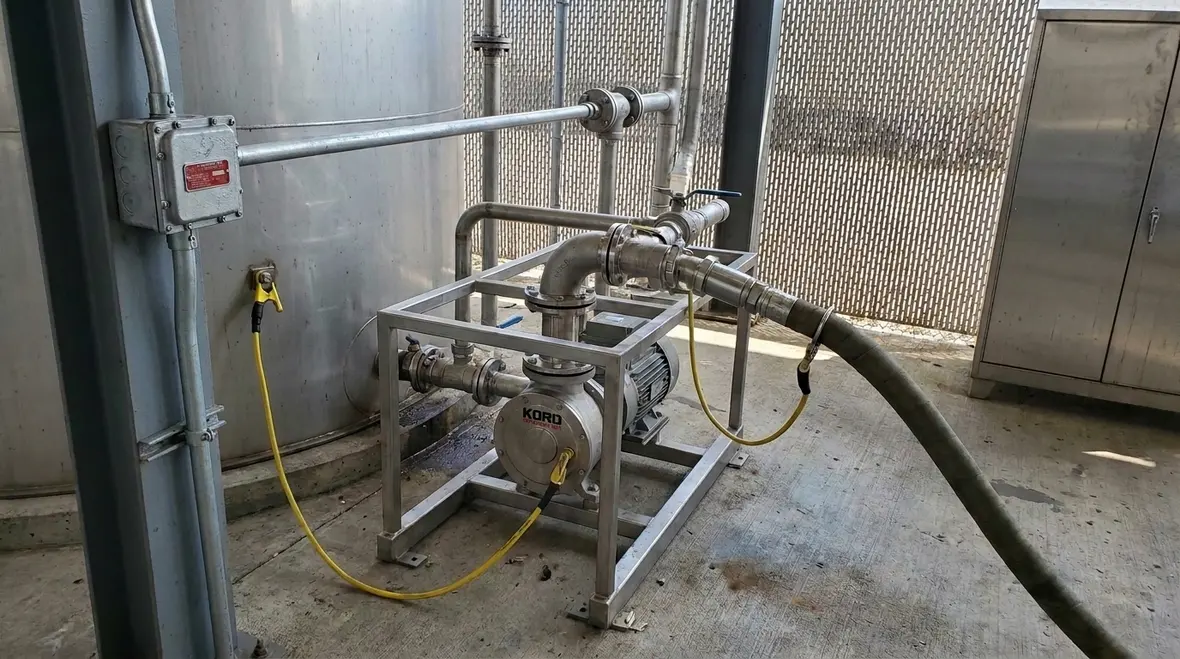
NFPA 36 Section 5.5: Ignition Source Control at Bulk Solvent Storage
Quick Answer: NFPA 36 Section 5.5 requires facilities storing bulk solvents to manage ignition sources through strict controls, qualified classifications, and verified maintenance. It focuses on preventing ignition by equipment, operations, and work practices, not just on “no smoking” signage.
The commercial reality is that ignition control must work continuously, not only during initial commissioning. NFPA 36 bulk solvent ignition source control programs address high risk conditions such as static discharge, hot surfaces, electrical failures, and mechanical impact. This article explains how Section 5.5 is typically implemented, inspected, and maintained in industrial and retail settings that handle bulk solvent storage.
For broader support with compliance-focused readiness, maintenance planning, and documentation discipline, facilities often benefit from structured inspection, testing, and maintenance fire protection services that keep systems from drifting into “we meant to get to that” territory.
What NFPA 36 Section 5.5 requires in plain terms
NFPA 36 Section 5.5 centers on one objective: eliminate or control ignition sources around bulk solvent storage so vapors cannot ignite. “Ignition source” is not limited to open flames. It includes any condition capable of producing sufficient energy, including electrical arcing, high surface temperatures, sparks from tools or equipment, friction and impact, and ignition due to static discharge.
Practical compliance depends on how a facility controls ignition sources across routine operations and non routine tasks such as sampling, transfer, maintenance, and cleaning. The standard expects a systematic approach that aligns with facility electrical classification, equipment suitability, procedural controls, and ongoing verification through inspection and maintenance.
Where ignition sources show up in bulk solvent storage operations
Facilities often discover that the highest risk ignition sources are not the “headline hazards,” but recurring operational contributors. Common locations and tasks include:
-
Fill and transfer points: hoses, couplings, manifolds, pump seals, and vent systems can generate friction, impact, or static if not managed correctly.
-
Tank appurtenances: pressure relief devices, sampling valves, and access points can create spark risk during abnormal conditions or improper handling.
-
Electrical systems and devices: motors, heaters, level controls, switches, wiring penetrations, and temporary power can create arcing or hot surface ignition if not suitable and maintained.
-
Maintenance and repairs: grinding, cutting, and equipment replacement can introduce ignition sources unless hot work controls and equipment selection are aligned to hazardous areas.
-
Static accumulation points: low conductivity hoses, inadequate bonding, isolated metal sections, and drying residues can increase static discharge potential.
Under a robust NFPA 36 bulk solvent ignition source control program, each of these points gets both a technical control and an operational safeguard.
Control measures that actually pass field scrutiny
Section 5.5 compliance is typically strongest when the facility can demonstrate that ignition prevention is engineered, procedural, and maintained. The measures below reflect common field expectations for commercial and industrial environments.
1) Electrical and equipment suitability for hazardous locations
Ignition control begins with confirming that electrical components are suitable for the environment and correctly installed. That includes ensuring hazardous area classification is accurate for the solvent, ventilation conditions, and process operations. Devices must be rated and properly terminated, including gaskets, seals, and conduit seals where required.
Common failure points include:
-
field modifications that leave wiring or equipment mismatched to the classification
-
missing or deteriorated seals at enclosures and conduit runs
-
improper use of temporary extension cords or portable heaters
-
unmaintained actuators, faulty switches, or worn seals that increase arcing risk
2) Static control through bonding, grounding, and verified transfer practices
Static discharge remains a top concern during fill and transfer. Facilities typically control static by bonding and grounding transfer equipment and using transfer procedures that reduce charge generation. This includes managing hose selection, controlling flow rates, maintaining continuity across connected metal components, and verifying that bonding points remain intact.
Static related deficiencies often appear as:
-
missing bonding jumpers or worn connection points
-
conductivity loss due to damaged hoses or degraded fittings
-
operators bypassing verification steps to speed up transfer
-
no routine inspection of grounding resistance or connection integrity
3) Hot surface and friction or impact ignition management
Bulk solvent areas must control conditions that can create hot surfaces or sparks through friction and impact. This includes ensuring that heaters, pumps, and motors are maintained and operating within their temperature limits. Mechanical systems also require controls to prevent metal to metal contact, excessive wear, or component degradation that can lead to ignition capable energy.
Effective programs include:
-
documented preventive maintenance for pumps, bearings, and seals
-
inspection of couplings and protective covers around transfer systems
-
procedures that prevent tool impact during normal operations and hose handling
4) Work practices and hot work controls aligned to solvent risk
Ignition source control fails most often during non routine work. Hot work permits, watch requirements, gas monitoring where applicable, and removal or isolation of ignition sources must align to solvent properties and enclosure conditions. Training and accountability determine whether the process holds up when maintenance schedules tighten.
High risk scenarios include:
-
cutting or grinding near vents, sampling ports, or expansion joints
-
temporary electrical equipment brought into the area without correct ratings
-
poor coordination between operations, contractors, and the safety lead
Inspection, testing, and maintenance that prove your program works
NFPA 36 bulk solvent ignition source control is not a document on a shelf. Audits and inspections look for evidence that controls remain effective over time. Facilities typically strengthen their compliance by building verification into routine maintenance.
Common compliance evidence during audits
-
Inspection logs: periodic checks of bonding and grounding connections, hose condition, and transfer components
-
Electrical inspection records: documentation of inspections and repairs to hazardous area components
-
Preventive maintenance schedules: pump, motor, heater, and valve service histories
-
Hot work permit records: procedure adherence, contractor competency, and post work verification
-
Training records: operator and maintenance staff training on ignition control procedures
Where facilities most often fall behind
Even well intentioned programs can drift. The most frequent gaps include deferred maintenance on electrical components, inadequate inspection frequency for static control hardware, and inconsistent enforcement during contractor work. Another common issue is a mismatch between as built conditions and as documented classification, especially after tank piping changes or rerouting of conduits.
Kord Fire Protection supports commercial facilities by helping align field conditions with compliance expectations through practical inspection planning and ongoing service support. For related guidance, see Kord Fire Protection for service solutions that assist with maintaining code based fire protection readiness.
Implementing NFPA 36 bulk solvent ignition source control across commercial sites
Commercial and retail facilities do not always operate like heavy industrial plants. A solvent storage program must still control ignition sources even when staff size is smaller, contractor work is frequent, and the environment is shared with other activities.
Key implementation steps include:
-
Perform an ignition source risk review: identify ignition energy mechanisms around storage, transfer, and access points.
-
Verify hazardous area alignment: confirm electrical and equipment ratings match the actual operating conditions.
-
Standardize transfer procedures: bonding checks, hose inspection, flow control, and operator verification steps.
-
Strengthen maintenance and contractor controls: include ignition control requirements in maintenance planning and hot work authorization.
-
Schedule inspections and keep records: ensure evidence supports ongoing compliance, not just initial installation.
When a facility operationalizes the controls, it reduces incident likelihood and improves audit readiness. When it only relies on training and signage, it usually fails under changing conditions.
Frequently Asked Questions
Call to action
Review your current ignition control practices around bulk solvent storage and confirm that hazardous equipment suitability, static control hardware, and work practices are verified through routine inspection and maintenance. If you want an objective compliance read and actionable service plan, contact Kord Fire Protection to support testing, inspection planning, and ongoing readiness aligned with NFPA expectations.

Join Our Newsletter!
Get the latest fire safety tips delivered straight to your inbox From our Newsletter.



