NFPA 36 Section 5.1 Scope: Bulk Solvent Unloading and Storage
Quick Answer
NFPA 36 Section 5.1 defines when the standard applies to bulk solvent unloading and storage operations. It focuses on hazards created by receiving, transferring, storing, and handling flammable or combustible solvents in bulk. Facilities must align equipment, controls, and maintenance to prevent ignition and mitigate releases.
Facilities that want broader support around inspections, testing, and maintenance can also explore fire suppression system services as part of a more complete hazardous-area compliance strategy.
What does “NFPA 36 bulk solvent unloading storage scope” actually cover?
NFPA 36 bulk solvent unloading storage scope addresses the rules and expectations for bulk solvent operations, starting at unloading and extending through storage and associated handling. In practice, Section 5.1 sets the boundary for which parts of a facility and which activities fall under the standard, so compliance efforts target the correct equipment, processes, and operating modes.
Because solvent systems vary by product classification, container type, and transfer method, Section 5.1 also drives a facility’s hazard review and documentation approach. Kord Fire Protection commonly sees facilities that either over apply the scope (creating unnecessary construction work) or under apply it (leaving unloading and transfer pathways outside inspection and maintenance plans).
Where Section 5.1 scope begins: bulk unloading operations
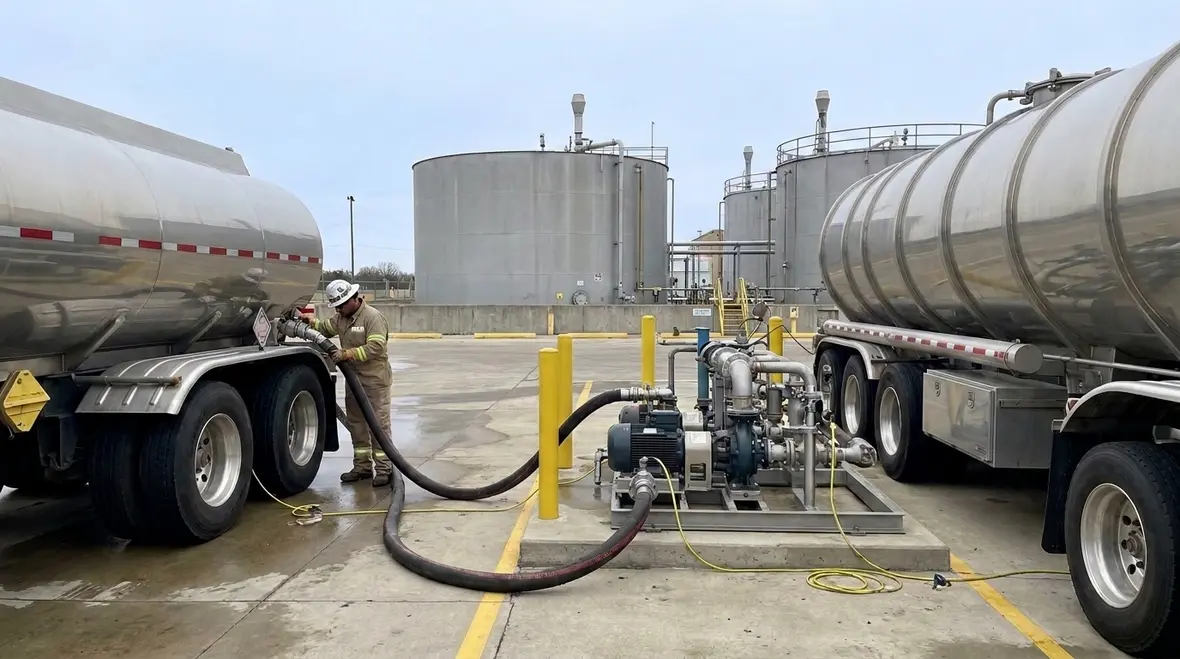
Section 5.1 scope typically begins at the moment bulk solvent is introduced into the receiving and transfer workflow. This includes unloading from the transport container and moving solvent into the facility’s receiving equipment or storage system. Operationally, the key compliance emphasis is on preventing ignition during phases when vapors can be present and when mechanical connections are most vulnerable.
Common unloading configurations that trigger scope
- Tank truck or rail car unloading into a receiving manifold, header, or transfer pump system.
- Transfer hoses or piping assemblies used to connect transport to facility.
- Metering, filtration, and control components located between unloading points and storage.
- Vent, vapor recovery, and relief pathways associated with unloading and transfer equipment.
Practical compliance challenges during unloading
Commercial and industrial facilities often struggle with the “transitional” hazards unique to unloading. The following issues commonly show up during field walkthroughs:
- Connection and disconnection events: Static discharge risks and vapor release during hose coupling, uncoupling, and line purging.
- Hose management: Physical damage, incompatible hoses, degraded gaskets, and poor coupling procedures.
- Incomplete vapor control: Vents routed improperly, blocked or undersized relief elements, or missing documentation for vapor recovery performance.
- Control system drift: Pumps, interlocks, and emergency shutdown devices not aligned with current operating modes or product changes.
Where Section 5.1 scope continues: storage and associated handling
After unloading, Section 5.1 scope extends to bulk solvent storage and the related systems that support safe containment and vapor management. For many facilities, the “scope boundary” is not a single tank. It includes piping, valves, vents, relief systems, transfer pumps, and any process that can create ignition sources or allow solvent release.
Storage-related systems often evaluated under the scope
- Bulk storage containers: Above ground or underground storage tanks used for solvent inventory.
- Secondary containment and drainage control: Where release can migrate, collect, or enter drains.
- Ventilation and vapor control: Fixed venting design, vent piping arrangement, and control of vapor space hazards.
- Fire protection interfaces: Fire detection, suppression, and fire water supply interfaces as applicable to the facility design.
- Electrical classification coordination: Ensuring areas and equipment selection align with the facility hazard classification approach.
In retail and light industrial settings, the challenge frequently comes from “shared infrastructure.” For example, solvent storage may be adjacent to packaging, blending, or maintenance operations. Kord Fire Protection helps facilities map those interfaces so the NFPA 36 bulk solvent unloading storage scope is applied to the right rooms, yards, and transfer routes rather than only to tanks.
Equipment mechanisms and common failure points tied to scope
Section 5.1 scope matters because the standard’s downstream requirements depend on correctly identifying which operations and components the facility must manage. In the field, compliance gaps usually appear where equipment either fails to function during abnormal conditions or is maintained inconsistently.
High-risk equipment categories
- Valves, manifolds, and isolation devices: Corrosion, misalignment, leaking packing, or actuator failure that prevents safe isolation.
- Hoses and flexible connectors: Cracking, permeation issues, degraded couplings, and damaged end fittings.
- Grounding and bonding points: Missing or loose connections, nonfunctioning bonding straps, and improper verification practices.
- Pressure and relief arrangements: Blocked vents, incorrect relief setpoints, or missing inspection records.
- Controls and emergency shutdown: Interlocks bypassed for convenience, failed sensors, or outdated wiring diagrams after modifications.
Maintenance and inspection records that regulators look for
For compliance readiness, facilities should keep a traceable system of records that ties maintenance actions to the scoped unloading and storage components. Kord Fire Protection typically recommends a structured approach that includes:
- Component identification and inventory for all unloading and storage transfer pathways.
- Inspection frequencies based on manufacturer guidance and risk profile.
- Verification of interlocks, emergency shutdown functions, and abnormal release controls.
- Documentation of hose and connector condition checks and replacement criteria.
- Testing and inspection records for any fire and life safety systems that interface with the hazardous area operations.
How to keep your scope assessment defensible (without overbuilding)
A defensible scope assessment ties three elements together: the actual unloading and storage workflow, the solvent hazard basis for the products handled, and the equipment and pathways used to transfer and contain those products. Many facilities either try to treat scope as a one-time checklist or allow it to drift when operations change.
Operational changes that commonly expand scope
- Switching solvent products, including changes that affect flammability class and vapor characteristics.
- Adding new receiving points, pumps, filtration skids, or manifolds.
- Changing unloading methods, such as switching transport container types or hose assemblies.
- Modifying ventilation, vent routing, or vapor recovery equipment.
- Renovations that change adjacency to ignition sources or modify containment boundaries.
When a facility treats NFPA 36 bulk solvent unloading storage scope as a living compliance topic, it improves inspection outcomes and reduces the risk of “surprise” deficiencies during audits. Kord Fire Protection supports this approach through ongoing inspection, testing, and maintenance planning for commercial and industrial clients.
Linking compliance strategy to ongoing fire protection services
Scope alignment becomes more effective when a facility connects NFPA 36 requirements to its fire protection program, inspection schedule, and maintenance management system. To strengthen that linkage, facilities often benefit from coordinated support that includes hazard area readiness and fire system verification.
For more information on integrated commercial fire protection services, facilities can review Kord Fire Protection and discuss how scope mapping, testing, and maintenance align with their unloading and bulk storage operations.
Frequently Asked Questions
Next step: confirm your scoped unloading and storage pathways
Take a practical inventory of every unloading connection, transfer route, storage interface, and vapor control element used today, then compare it to NFPA 36 Section 5.1 scope boundaries. If your records are incomplete or your equipment has changed, schedule a scope review and verification. Kord Fire Protection can help you align inspection, testing, and maintenance to the components that actually affect safety during bulk solvent unloading and storage.
If you want related reading, see NFPA 30 Section 28.1 Scope: Bulk Loading and Unloading Facilities for a closely connected look at transfer hazards, equipment arrangement, and compliance planning in bulk liquid operations.

Join Our Newsletter!
Get the latest fire safety tips delivered straight to your inbox From our Newsletter.