NFPA 36 Section 4.10: Start-Up of the Extraction Process
Quick Answer
NFPA 36 Section 4.10 sets clear expectations for starting an extraction system safely, including verified readiness conditions, controlled initiation of transfer and extraction steps, and documented checks that equipment, controls, and interlocks operate as intended. These NFPA 36 start-up extraction process requirements reduce ignition, overflow, and exposure hazards.
Before diving into the sequence details, it helps to look at the broader full lifecycle of fire protection servicing, because start-up readiness rarely fails in isolation. It usually fails when inspection, testing, maintenance, and documentation drift just far enough apart to cause trouble at exactly the wrong moment.
Why Section 4.10 start-up requirements matter in real facilities
Commercial extraction systems operate at the intersection of combustible materials, process vapor, energized equipment, and tight operational timing. NFPA 36 Section 4.10 focuses on how a facility transitions from a safe, idle state to active extraction operation. In practice, compliance failures commonly appear during start-up because conditions that were correct during inspection can drift due to maintenance, filter loading, sensor recalibration, software changes, valve rebuilds, or electrical and mechanical aging.
Facilities that treat start-up as a routine checklist without verifying real-time instrument and control logic tend to experience delayed detection of abnormal conditions, including venting failures, incorrect flow direction, overspeed pumps, or interlocks that do not block unsafe states. A robust start-up procedure supports not only code compliance but also consistent operational risk control across shifts.
What NFPA 36 expects during start-up of the extraction process
NFPA 36 Section 4.10 addresses the moment-by-moment readiness and initiation of extraction operations. While the exact wording varies by system configuration, the intent stays consistent: the extraction process must start only after the system is verified to be in a safe configuration and the required controls function properly.
Operational readiness checks typically include
- Verification of equipment status such as pumps, heaters, fans or blowers, condensers, and valves being positioned to support safe operation.
- Confirmation of ventilation and vapor management components operating as designed to control flammable vapor accumulation.
- Control system and interlock validation to ensure the logic prevents unsafe sequences, such as starting extraction flow before safe purge conditions or before required differential pressure and flow targets are met.
- Check of process boundaries including closed systems, correct routing, and prevention of unintended discharge or bypass.
- Management of cleaning and purge residues so start-up does not mobilize residues into ignition sources or overflow pathways.
For commercial and industrial sites, these checks must connect to the facility’s installed hardware and documented operating procedures, not just to general safety statements.
How start-up sequences should work: from idle to extraction
A compliant start-up sequence usually progresses through controlled stages that remove uncertainty. The sequence must align with equipment design and the hazardous energy profile of the process. In many installations, start-up fails when the sequence assumes “normal conditions” that are not proven at the time of start.
Stage 1: Pre-start verification
- Confirm valves and isolation points match the intended operating mode for example, extraction mode, recirculation mode, or standby.
- Verify ventilation and vapor handling systems are ready, including air movement where applicable and any exhaust or recovery routing.
- Check that sensors and transmitters provide credible readings within expected ranges.
- Ensure emergency controls and shutdown functions are available, accessible, and tested according to the facility’s maintenance program.
Stage 2: Establishing safe process conditions
Many extraction hazards concentrate during transitions, when vapors can be released or when flow direction changes. Facilities should ensure purge, conditioning, and stabilization steps occur before introducing or increasing extraction-related energy. Where the system design requires it, the control logic must prevent extraction initiation until required purge or vapor control conditions are satisfied.
Stage 3: Controlled initiation of extraction steps
- Start pumps and fans in the order required by the design to avoid reverse flow, water hammer, or vapor misrouting.
- Command valves gradually or with timed sequences where the process requires it to prevent surges and overflow.
- Enable heating only when the process state is verified to be within safe limits.
- Monitor critical parameters such as temperature, pressure, differential pressure, flow rate, and tank level to ensure the system responds as designed.
From a safety engineering standpoint, the start-up procedure should map directly to the cause and effect relationships embedded in the control system and operating instructions. Any disconnect between procedure language and control logic creates a compliance and operational risk.
Common start-up failure points that trigger NFPA 36 compliance gaps
NFPA 36 start-up extraction process requirements are frequently challenged through findings that show the system can reach unsafe states due to incomplete start-up verification, inconsistent operator actions, or equipment that does not match the documented intent.
1) Interlocks that do not match the current system configuration
After maintenance, modifications, or control upgrades, interlock setpoints may change or bypass conditions may remain enabled. This can allow start-up to proceed even when purge or ventilation criteria are not met.
2) Instrument reliability problems at the moment they matter most
- Pressure and flow sensors drift, leading to false “ready” indications.
- Level sensors lag or foul, increasing the risk of overflow during ramp-up.
- Temperature sensors read plausibly but respond slower than required for fast hazard detection.
3) Valve position verification gaps
Facilities often assume a valve remains in the correct position from the prior run. During start-up, the system should verify or positively indicate the correct positions where required, especially for isolation and routing valves that can direct vapors to the wrong area.
4) Procedures that do not cover transition states
Some written procedures focus on steady operation but under-specify the startup transitions, such as ramping heat, transitioning purge phases, or changing flow direction. Inspectors frequently look for how the facility manages these transitions because that is where hazards materialize quickly.
Inspection, documentation, and maintenance alignment for start-up compliance
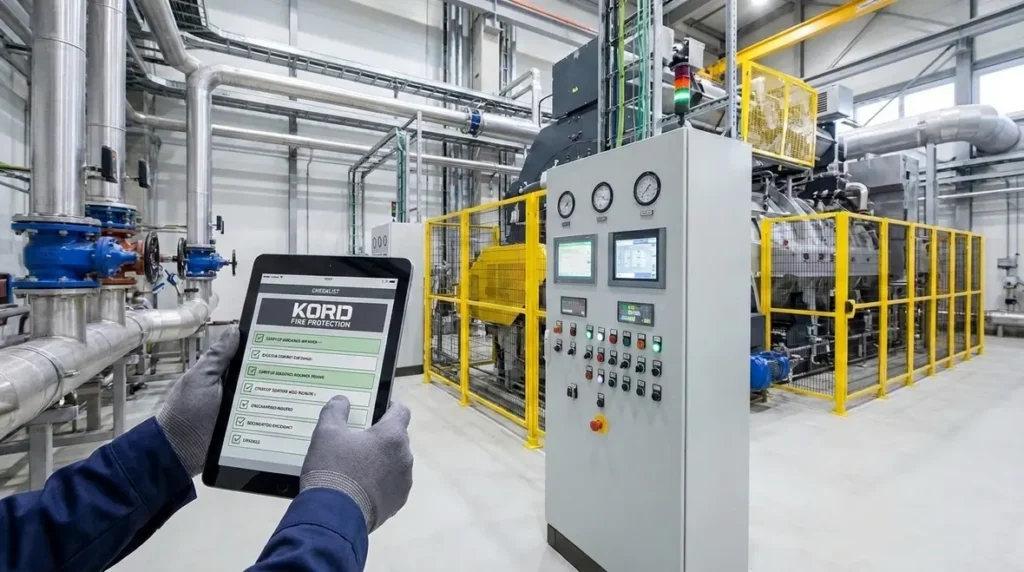
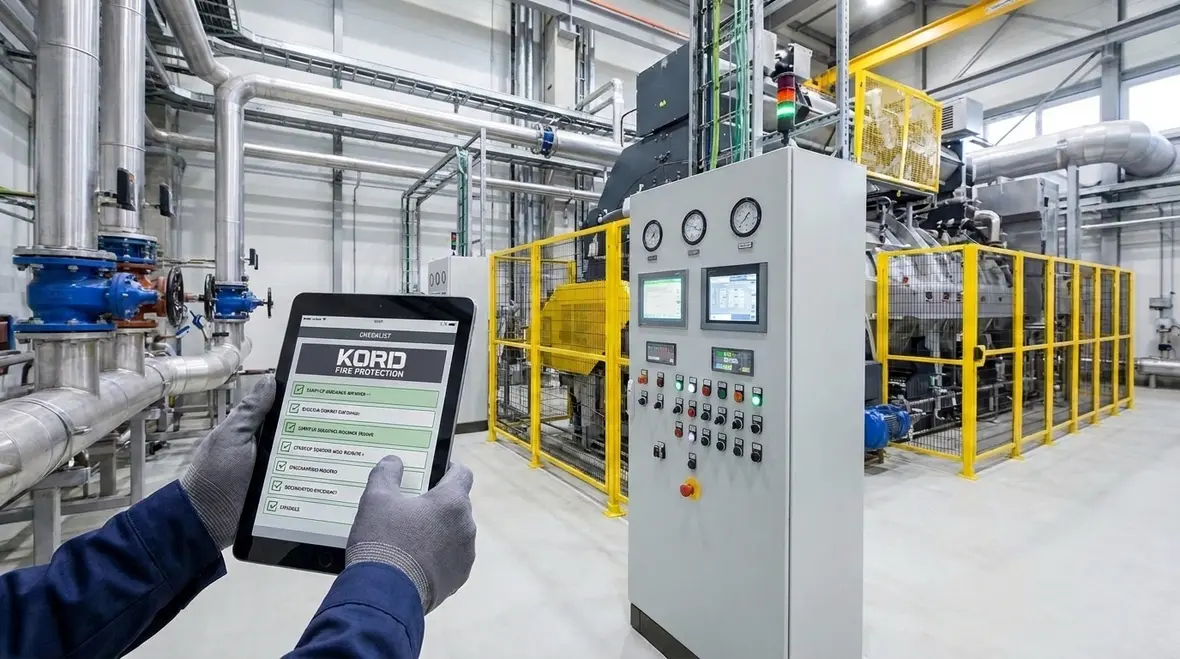
Compliance depends on traceability. Start-up readiness evidence must connect to inspection records, test results, and maintenance documentation. In many facilities, operators follow a start-up checklist, but the checklist does not reference current test dates, calibration status, or functional test outcomes for key systems.
What documentation should demonstrate
- Functional testing of controls and interlocks with documented pass or fail criteria.
- Calibration status for critical instrumentation that supports safe start-up decisions.
- Maintenance history for valves, pumps, fans, heaters, condensers, and vapor routing components.
- Operator-ready procedures that match actual system sequences and include abort or safe shutdown steps.
How commercial facilities typically structure ongoing compliance
Commercial and retail operators often face schedule constraints that compress start-up windows. Industrial sites often face higher maintenance demands and more frequent process changes. Either way, the facility should implement a disciplined cycle of inspection and verification before each operating window, not only on an annual or semiannual basis.
Kord Fire Protection supports commercial facilities by aligning start-up operational procedures with practical fire and life safety testing, inspection readiness, and ongoing maintenance. For additional guidance on how teams approach fire safety compliance and testing, see Kord Fire Protection.
Operator and engineering checklist: meeting start-up extraction requirements
The following framework helps teams convert NFPA 36 start-up extraction process requirements into an execution-ready approach. It does not replace the facility’s code basis, engineering design intent, or site-specific hazard analysis, but it helps ensure the start-up plan covers the points inspectors look for.
- Confirm system configuration aligns with extraction mode, including valve positions and isolation states.
- Verify ventilation and vapor handling systems are operational and routed correctly.
- Check instrument credibility by confirming sensor signals are within expected ranges.
- Validate interlocks and shutdown pathways so unsafe sequences are blocked.
- Execute controlled ramp-up for pumps, heaters, and flow paths as designed.
- Monitor critical process parameters continuously during start-up and stop if abnormal readings occur.
- Record start-up verification to show compliance and enable root cause analysis after deviations.
Where facilities operate multiple shifts, the procedure must be consistent across personnel. Training and competency verification should be part of the compliance program, especially when abnormal alarms occur during start-up.
Frequently Asked Questions
Next step: strengthen your start-up readiness program
NFPA 36 start-up extraction process requirements are achievable when the facility ties procedures to verified instrumentation, interlocks, and documented maintenance. Kord Fire Protection can help commercial teams prepare for inspection readiness by supporting ongoing testing, inspection alignment, and practical maintenance guidance. Contact Kord Fire Protection to review your start-up verification approach and identify the highest risk gaps before they become compliance findings.

Join Our Newsletter!
Get the latest fire safety tips delivered straight to your inbox From our Newsletter.