
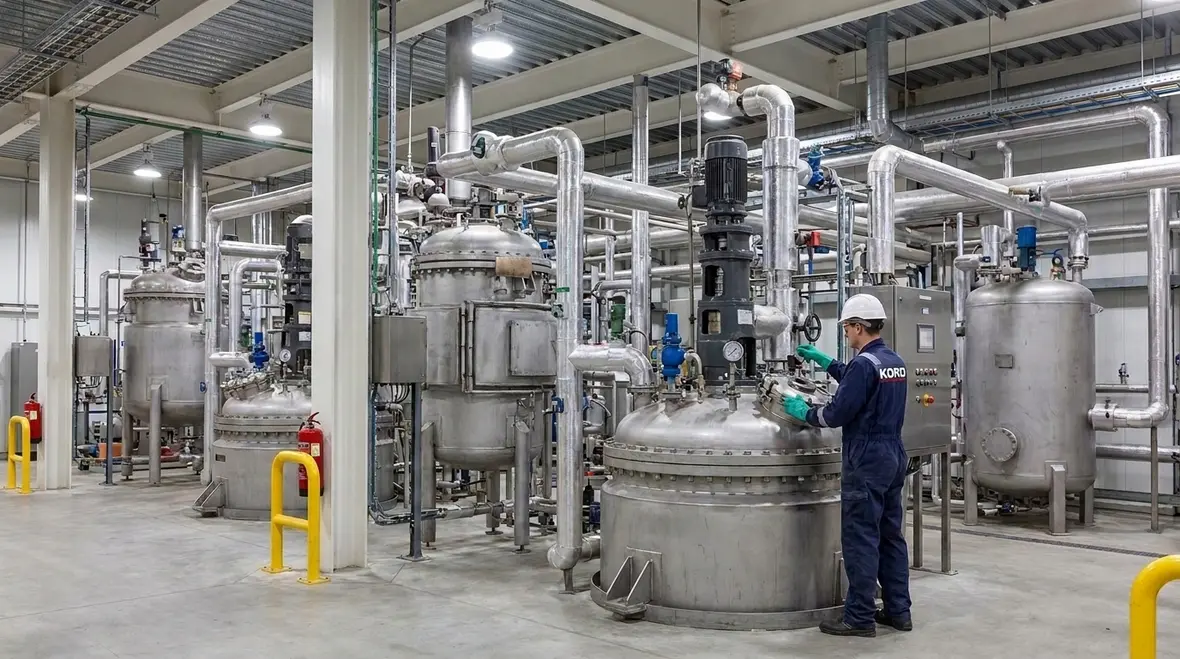
NFPA 35 Section 6.3: Kettles, Reactors, and Vessels in Coating Plants
Quick Answer: NFPA 35 Section 6.3 sets enforceable safety requirements for coating plant kettles, reactors, and process vessels that handle flammable or combustible materials. It focuses on ignition source control, safe construction and support, venting and relief provisions, and ongoing inspection and maintenance to keep systems reliable.
What NFPA 35 Section 6.3 requires for coating plant kettles, reactors, and vessels
NFPA 35 kettles reactors vessels requirements in Section 6.3 help commercial operations control fire and explosion hazards unique to coating processes, including solvent vapors, hot surfaces, pressure events, and overpressure conditions. Facilities typically struggle most with drift in maintenance practices, inadequate documentation, and misalignment between the design intent and “as operated” conditions. Compliance becomes achievable when engineering controls, inspection cadence, and acceptance criteria stay synchronized throughout the equipment lifecycle.
For facilities building a stronger support framework around inspection readiness, it helps to review fire protection services in Southern California as a practical way to connect documentation, repairs, and ongoing maintenance with real operating conditions.
Scope and hazard context for coating plant vessels
Section 6.3 applies to kettles, reactors, and other vessels used in coating plants where flammable or combustible liquids and their vapors can be present. These vessels introduce specific ignition and escalation pathways:
- Vapor accumulation at the top of the vessel, in vents, and in unsealed openings.
- Hot surfaces from heating coils, steam jackets, thermal fluids, or recirculation lines.
- Pressure and relieving events due to heating, chemical reaction, blocked vents, or abnormal start up conditions.
- Material handling interfaces such as transfers, sampling, recirculation, and condensate returns.
In retail and commercial industrial environments, the biggest operational risk often comes from changes after commissioning, such as revised transfer procedures, added filters, altered vent routings, or upgraded instrumentation without a corresponding safety review.
Construction, integrity, and safe physical support
NFPA 35 Section 6.3 treats vessel integrity as a first line of defense. Coating plant kettles and reactors must remain structurally sound, appropriately supported, and protected against conditions that can turn a localized failure into a larger fire scenario.
Common compliance expectations that drive real inspection findings
- Vessel condition and corrosion control: inspect for thinning, pitting, leaks, failed gaskets, and deteriorated seals that can allow vapor escape.
- Heating system integrity: confirm that heating coils, jackets, and thermal fluid components remain tight and insulated where required to reduce unintended ignition risk.
- Secure connections: verify that bolted flanges, manways, sampling ports, and transfer lines retain secure fasteners and intact gasket materials.
- Foundation and stability: confirm proper support to prevent stress damage, vibration loosening, or misalignment that leads to leaks.
Maintenance gaps frequently appear after operational changes, such as swapping seal materials, “temporary” hose reroutes, or replacing components without confirming compatibility with process solvents and temperatures. These drift points can conflict with NFPA 35 kettles reactors vessels requirements even when the original vessel installation was compliant.
Venting, relief, and pressure control for coating process reliability
Pressure and venting features help prevent vessel rupture and manage flammable vapor discharge. Section 6.3 emphasizes that vent systems and relief provisions must function as designed, remain unobstructed, and discharge safely.
Operational procedures that determine whether venting stays effective
- Start up and shutdown discipline: confirm vents and relief paths remain open and configured correctly during each operating mode.
- Blockage prevention: ensure condensate management, filter maintenance, and vent line routing do not allow accumulation or restriction.
- Discharge location safety: verify discharge points avoid ignition sources and do not reenter air intakes or create impingement hazards.
- Relief device integrity: ensure relief valves or bursting devices are inspected, tested, and resealed per applicable standards and internal acceptance criteria.
Commercial facilities often rely on reactive maintenance instead of prevention. When vent line components are neglected, small restrictions can produce significant overpressure trends. Those trends may not show up until a later season when solvent loads or ambient temperatures shift. That is where recurring fire protection inspections and functional checks help reduce business interruption risk and strengthen audit defensibility.
Ignition source control: heating, electrical systems, and surfaces
NFPA 35 Section 6.3 ties equipment design to ignition prevention. In coating plants, ignition hazards often originate from heating equipment, electrical components, static discharge pathways, and unintended hot spots.
High frequency failure points
- Hot surface migration: improper insulation coverage, degraded insulation, or missing guards can expose hot components.
- Electrical equipment mismatch: damaged enclosures, degraded wiring, or incorrect classification choices for controls near hazardous vapor zones.
- Static related ignition potential: poor bonding or grounding of hoses, transfer lines, and vessel attachments.
- Instrumentation and control drift: sensors left out of calibration, blocked probes, or modification work that changes flow patterns without hazard review.
To support compliance, operators should align vessel controls with the facility’s hazardous location program and hot work procedures, then keep records that demonstrate safe condition over time. Kord Fire Protection commonly supports clients through practical inspection planning, documentation review, and ongoing maintenance alignment to reduce the compliance gap between scheduled tasks and actual operating conditions.
If your team is also reviewing broader production-area protection strategy, Kord Fire Protection’s manufacturing plant fire suppression systems page adds useful context on how suppression reliability, inspections, and documentation support uptime in higher hazard environments.
Inspection, testing, and maintenance: how facilities stay audit ready
Section 6.3 expects ongoing reliability of safety features. Compliance fails when equipment remains “functional” but no longer meets the safety intent due to deterioration, obstruction, or undocumented changes.
What an effective maintenance program looks like in coating operations
- Defined inspection intervals: align visual checks, tightness verification, and component condition reviews with the vessel’s duty cycle and solvent volatility.
- Relief and vent checks: document functional verification, test outcomes, and remediation actions when performance falls outside acceptance criteria.
- Seal and gasket management: maintain controlled replacement standards for materials compatible with process chemicals and temperatures.
- Change management: require a review when adding filters, rerouting vents, modifying control hardware, or changing heating media.
- Operator verification: train operators to confirm safe vessel configuration for each operating stage, not just for initial startup.
For facilities looking to strengthen commercial compliance frameworks around suppression, detection, and inspection readiness, Kord Fire Protection provides ongoing support designed for industrial and commercial environments. If you want additional context on how these programs integrate with broader fire protection obligations, review Kord Fire Protection services for practical planning and documentation support.
Common compliance challenges in commercial and industrial coating plants
Even when the vessel design meets NFPA 35 at commissioning, coating plants frequently encounter recurring problems that make audits difficult. These issues typically fall into three categories.
- Documentation gaps: missing test records, unclear maintenance ownership, or incomplete relief device history.
- As operated differences: vent routing changes, modified connections, or altered operating procedures that change hazard conditions.
- Maintenance execution drift: delayed repairs, “deferred” gasket replacement, or vent components left in service beyond their effective life.
Operators can reduce these risks by standardizing checklists for each vessel mode, confirming safe configuration at critical steps, and performing periodic fire protection reviews that focus on practical failure points. Kord Fire Protection works with commercial teams to keep inspection and maintenance activities aligned to the safety intent behind NFPA 35 kettles reactors vessels requirements.
Frequently Asked Questions
Conclusion and call to action
NFPA 35 Section 6.3 requires more than initial installation compliance. Kettles, reactors, and vessels must stay reliable through documented inspections, effective vent and relief performance, and strict ignition source control as the process evolves. If you want an audit ready compliance approach, partner with Kord Fire Protection to strengthen maintenance alignment, improve documentation quality, and verify critical safety features across your coating plant vessels.

Join Our Newsletter!
Get the latest fire safety tips delivered straight to your inbox From our Newsletter.



