
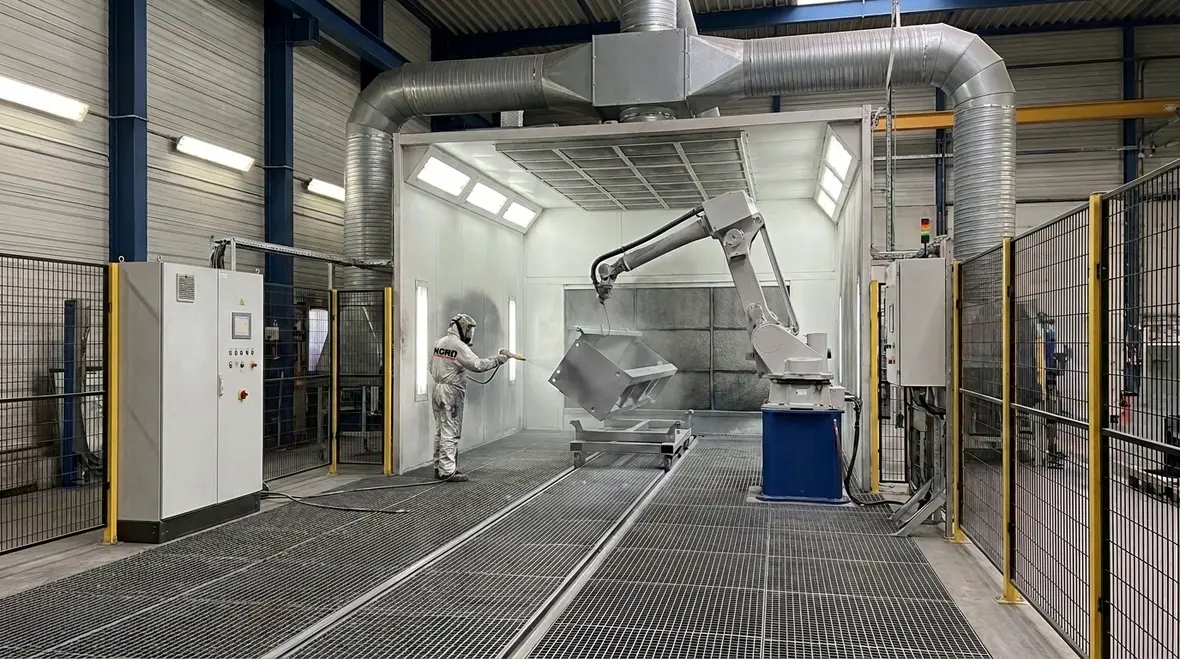
NFPA 35 Section 3.3: Key Coatings Plant Terms Defined
Quick Answer: NFPA 35 Section 3.3 defines the terms used throughout the standard for coatings plants. Clear definitions help facilities correctly classify processes, manage ignition sources, and maintain compliant equipment and coatings handling practices. Facilities that standardize terminology reduce inspection findings and improve safety decision making.
For facilities building stronger inspection and maintenance programs, Kord Fire Protection’s fire protection services in Southern California offer a practical starting point for aligning documentation, service planning, and system readiness.
Why “general definitions” matter in day to day coatings operations
Coatings plants often struggle not with the lack of safety intent, but with inconsistent interpretation. NFPA 35 general definitions coatings plant terminology connects the “what” to the “how” by ensuring that terms for materials, systems, and operating conditions carry the same meaning during design, commissioning, maintenance, and inspections. When teams use the same definitions, they align work instructions, training, hot work controls, and impairment procedures. That alignment improves compliance outcomes and reduces downtime caused by corrective actions.
For commercial, industrial, and retail facilities that store, spray, dry, or cure coatings, the cost of ambiguity shows up quickly: wrong equipment classification, incomplete inspection scopes, and missed documentation during operational readiness reviews. A disciplined approach to NFPA 35 general definitions coatings plant terminology also supports defensible maintenance planning for detection, ventilation, and fire protection impairment controls.
What Section 3.3 usually covers: terminology that drives compliance
NFPA 35 Section 3.3 focuses on key terms used across the standard so that every referenced requirement applies to the same concepts. In practice, Section 3.3 affects compliance because many other sections depend on defined words to determine scope, design criteria, operating limits, and inspection responsibilities.
How definitions shape your inspection scope
When a facility defines terms internally using the same meanings as NFPA 35 Section 3.3, it can map requirements to asset lists with less guesswork. That mapping affects:
- Which rooms and operations qualify as coatings plant areas under the standard.
- How ventilation, ducting, and exhaust components are categorized for inspection and impairment.
- How storage practices, transfer processes, and handling workflows are documented for compliance audits.
- How hot work, ignition source controls, and shutdown sequences are written and enforced.
How definitions affect ongoing maintenance requirements
Operational failure points frequently come from maintenance activities that do not track defined system boundaries. Examples include improperly reconnecting components after filter service, leaving dampers in non approved positions, or performing spot fixes to ductwork without considering whether the component belongs to a defined exhaust system.
Facilities that treat NFPA 35 general definitions coatings plant terminology as a maintenance design input avoid these issues by linking work orders to the correct defined equipment categories and acceptance criteria.
Operational examples: how the terms show up on the floor
Even without reproducing every word from Section 3.3, facilities benefit from understanding the operational categories that defined terms typically govern in coatings plants. Below are common “where definitions matter” scenarios that drive real risk.
1) Coatings handling and transfer workflows
Definitions tied to coatings handling typically affect how a facility controls ignition sources during transfer, storage, and batching. Maintenance teams often see failures here when hoses, fittings, and transfer stations are not managed as part of the defined process boundary.
Common failure points include:
- Leaking connections not addressed promptly because the leak is treated as a “minor housekeeping issue” rather than a process hazard.
- Unverified grounding or bonding practices before line restart.
- Inconsistent spill response execution when spill procedures do not match the defined process scope.
2) Spray areas, drying or curing, and ventilation boundaries
Coatings operations depend on controlling flammable atmospheres, and NFPA 35 terminology defines how areas and processes are treated. During inspection and maintenance, defined ventilation components become critical because they determine whether the facility maintains safe air movement and properly captures overspray and vapors.
Typical operational risks include:
- Damper misposition after maintenance and cleaning.
- Filters replaced out of sequence or without confirming the correct airflow impacts.
- Duct penetrations or gasket deterioration that reduce capture efficiency.
3) Equipment impairment controls and change management
Even a compliant system fails when it remains impaired longer than approved or when documentation does not match the defined system. A coatings plant should maintain formal impairment procedures tied to defined equipment terms and associated performance expectations.
Failure patterns include:
- Work performed during a maintenance window without confirming whether the impairment triggers additional fire watch or engineered safeguards.
- Incomplete return to service checks after repairs.
- Replacement parts installed without verifying compatibility with defined performance requirements.
Compliance challenges in commercial, industrial, and retail facilities
Coatings plant terminology affects more than large industrial facilities. Many commercial and retail operations handle coatings through subcontractors, small mixing rooms, service bays, or seasonal finishing activities. These facilities often face a different compliance burden because they have fewer dedicated fire safety resources and rely on contractors for routine work.
Contractor work can break defined terminology
Contractors may use their own language for systems and processes. When that language does not match NFPA 35 general definitions coatings plant terminology, it becomes harder to verify what was maintained, tested, or impaired. Kord Fire Protection frequently supports facilities with onboarding checklists that translate NFPA terminology into practical scope statements for contractors.
Documentation gaps during audits
Inspections often reveal documentation issues tied to terminology. For example, logs may describe “ventilation checks” without stating the defined ventilation system component, inspection method, or acceptance criteria. Standardizing definitions prevents these gaps by forcing asset lists, inspection sheets, and maintenance records to use consistent language.
How Kord Fire Protection supports NFPA 35 terminology implementation
Meeting NFPA 35 is not a one time document exercise. It requires a disciplined program of inspections, testing, and maintenance that stays aligned with defined terms from Section 3.3. Kord Fire Protection supports coatings and finishing facilities by helping translate NFPA 35 general definitions coatings plant terminology into field ready procedures and verified performance.
For more guidance on inspection and service planning across fire protection systems, facilities can review Kord Fire Protection’s fire protection services guide and the broader Kord Fire Protection resources. Using a service partner with experience in commercial and industrial compliance reduces the risk of missed scope, delayed corrective actions, and repetitive audit findings.
Frequently Asked Questions
Call to action
Facilities that standardize NFPA 35 general definitions coatings plant terminology gain clearer procedures, stronger maintenance control, and fewer inspection surprises. Kord Fire Protection can help translate NFPA definitions into practical inspection and maintenance scopes, support contractor onboarding, and verify return to service readiness. Contact Kord Fire Protection to review your coatings plant terminology alignment and maintenance program today.

Join Our Newsletter!
Get the latest fire safety tips delivered straight to your inbox From our Newsletter.



